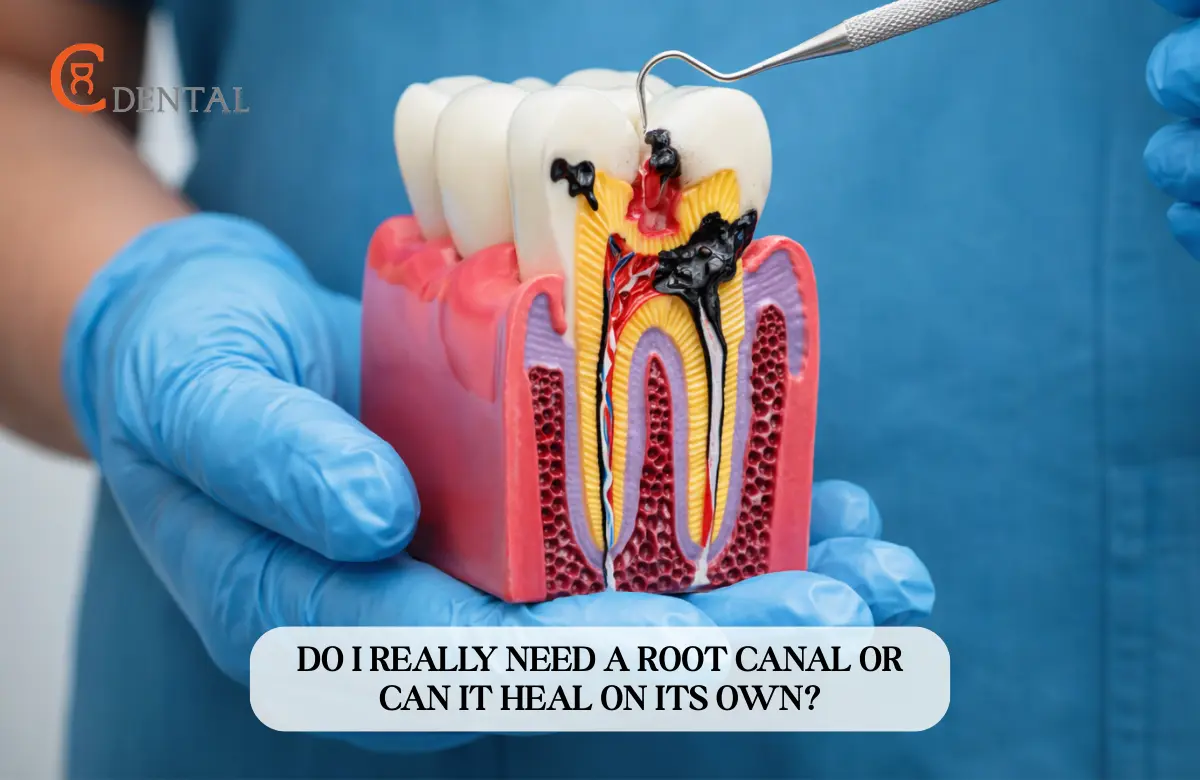
Tooth pain has a way of making us hopeful. We tell ourselves it might settle down tomorrow. Maybe it is just sensitivity. Maybe it will pass. But when the pain keeps coming back or starts getting worse, that small hope turns into worry.
Many patients in Sharjah delay treatment because they are afraid of needing a root canal. The word itself sounds intimidating. But understanding what is really happening inside your tooth can help you make the right decision at the right time.
If you are wondering whether a tooth infection can heal naturally or whether you truly need root canal treatment in Sharjah, this guide will give you clear and honest answers.
Can a Tooth Infection Heal on Its Own?
In very early stages of tooth decay, when only the outer enamel is affected, the damage can sometimes be stopped. Good oral hygiene, fluoride treatments, and early fillings may prevent further progression.
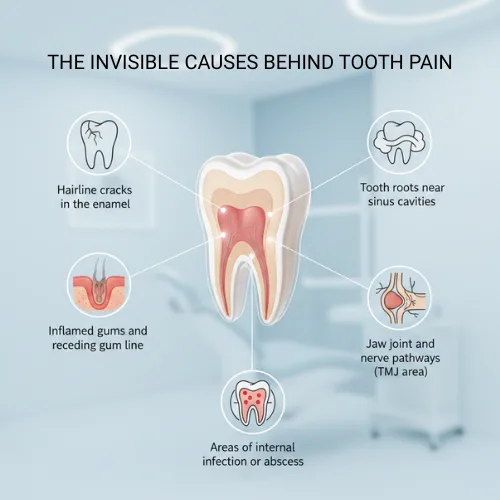
However, once bacteria reach the inner pulp of the tooth, healing on its own is no longer possible. The pulp contains nerves and blood vessels. When it becomes infected, the body cannot repair it because the blood supply inside the infected space becomes compromised.
According to the American Association of Endodontists, infected dental pulp requires professional treatment. It does not reverse naturally.
Sometimes the pain may temporarily reduce. This can happen if the nerve inside the tooth dies. But this does not mean the infection is gone. In fact, it may continue spreading silently to the surrounding bone.
At this stage, root canal treatment becomes necessary to remove infection and save the natural tooth.
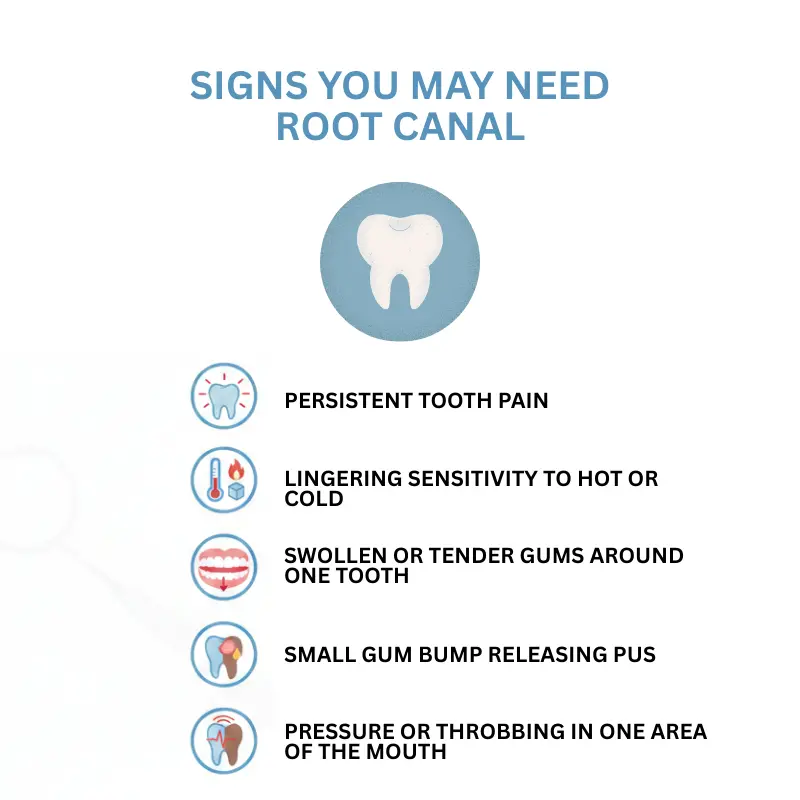
Signs You May Need a Root Canal
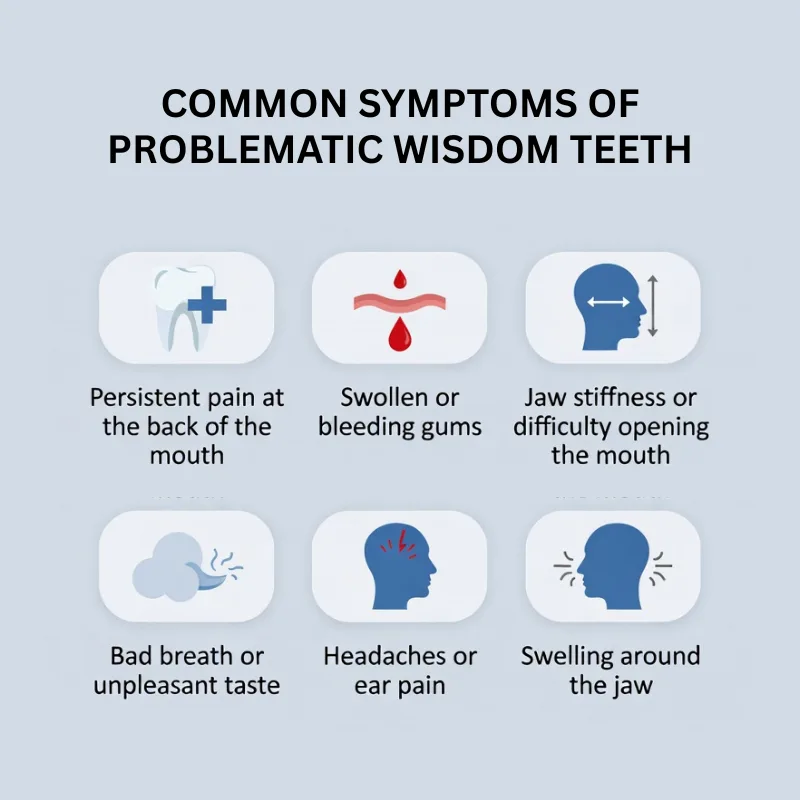
Many patients wonder how to tell whether their tooth pain is temporary or something more serious. While only a dentist can confirm the diagnosis through a clinical examination and an X-ray, certain warning signs strongly indicate that the inner pulp or nerve of the tooth may be infected.
If you experience any of the following symptoms, it may be time to seek professional evaluation:
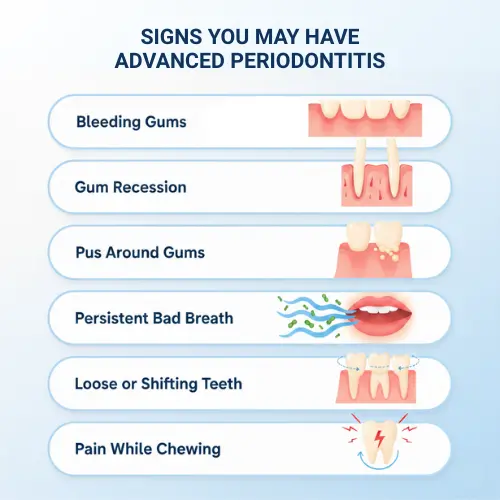
- Persistent tooth pain that does not improve or keeps returning
- Sensitivity to heat or cold that lingers even after the source is removed
- Pain while chewing or when applying pressure to the tooth
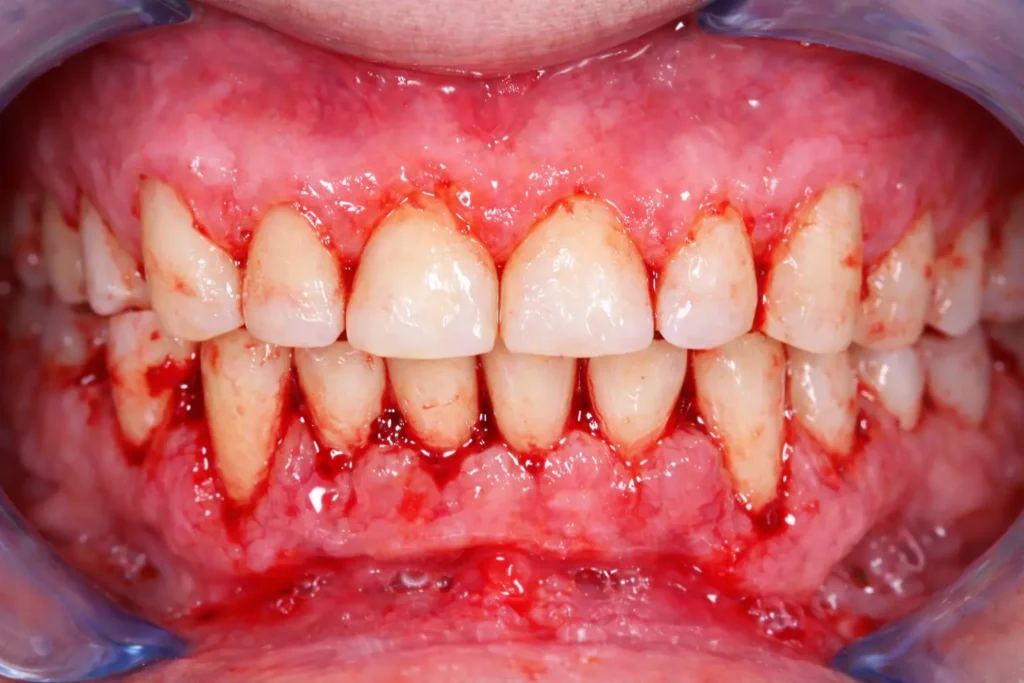
- Swollen, inflamed, or tender gums around a specific tooth
- A small bump on the gum that may release pus
- Darkening or discoloration of the affected tooth
- A feeling of pressure or throbbing in one area of the mouth
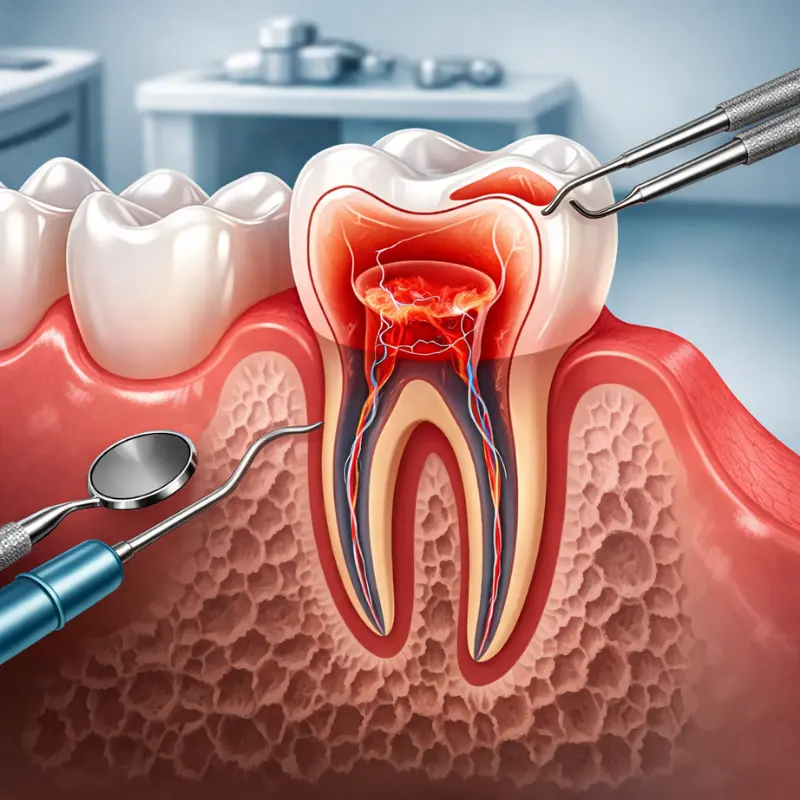
When Is a Root Canal Truly Necessary?
A root canal is recommended when the pulp inside the tooth becomes infected or severely inflamed. This commonly happens due to:
Deep untreated cavities
Cracked or fractured teeth
Repeated dental procedures on the same tooth
Trauma or injury
Severe decay reaching the nerve
The purpose of a root canal is not to remove the tooth. It is to save it.
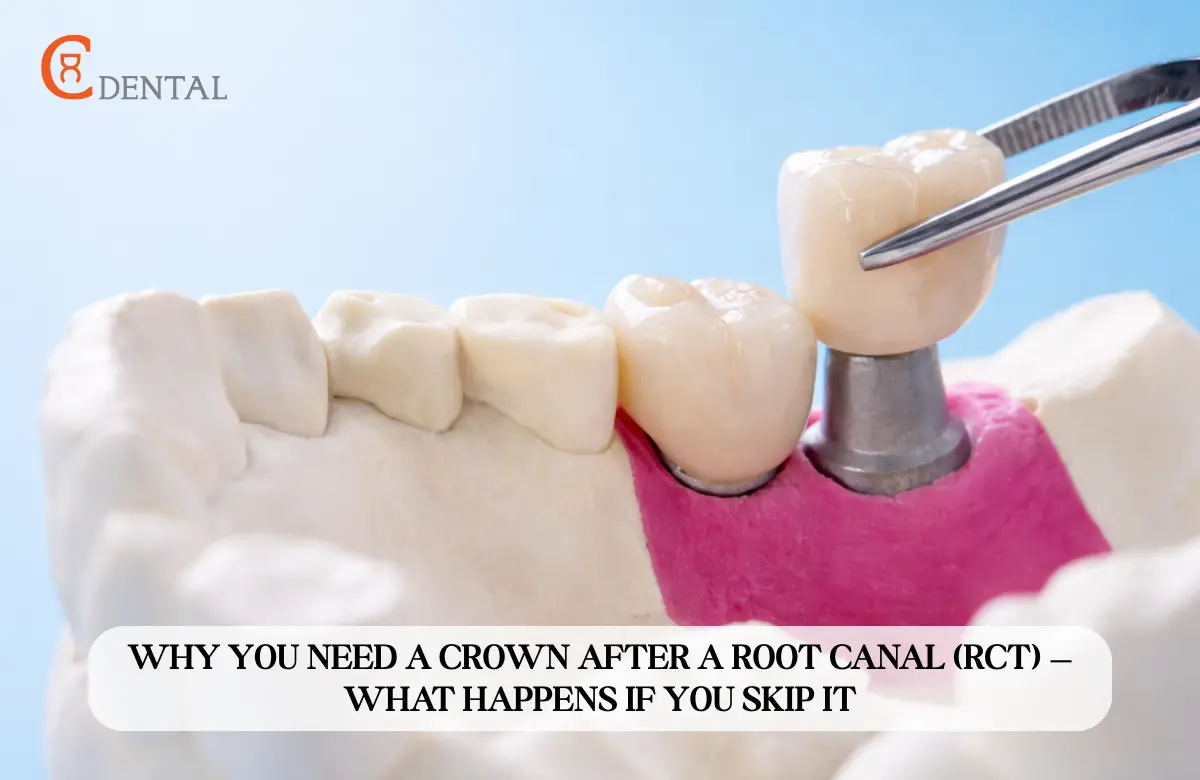
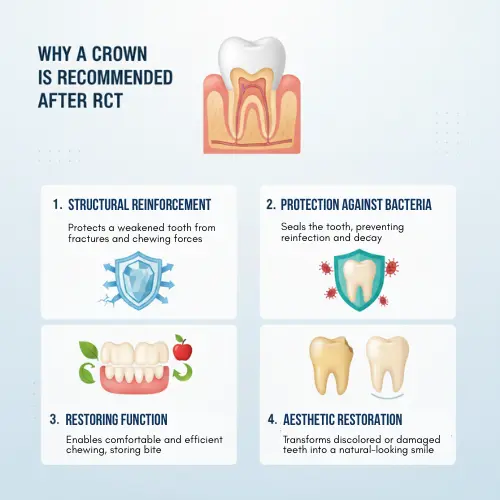
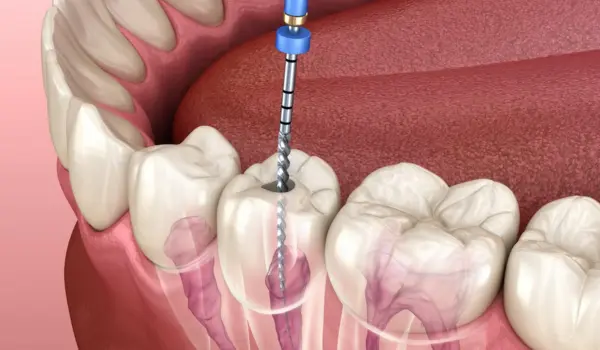
During the procedure, the infected tissue is carefully removed. The canal is cleaned, disinfected, and sealed. In most cases, a crown is placed afterward to restore strength and function.
Saving your natural tooth helps maintain proper chewing, prevents the shifting of nearby teeth, and protects long-term oral health.
What Happens If You Delay Root Canal Treatment?
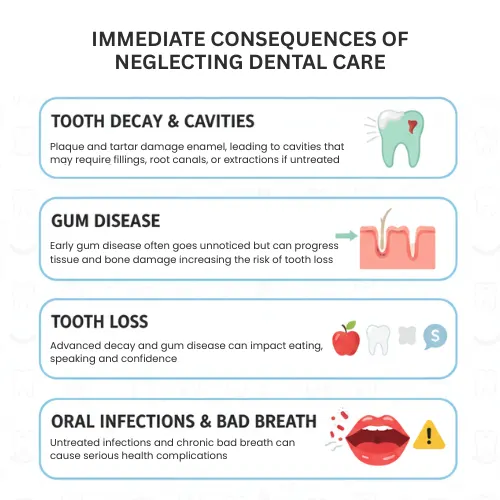
Delaying treatment is one of the most common reasons minor dental infections turn into major problems.
An untreated tooth infection can:
- Spread to the surrounding bone
- Cause an abscess
- Lead to facial swelling
- Create severe pain
- Result in tooth loss
- Require more complex and expensive treatment later
In rare but serious cases, untreated dental infections can affect overall health.
Choosing early root canal treatment in Sharjah is often simpler, less painful, and more affordable than waiting until the condition worsens.
Is Root Canal Treatment Painful?
This is the most common fear.
Modern dentistry has completely changed the root canal experience. With effective local anesthesia and advanced equipment, most patients report that the procedure feels similar to getting a filling.
In fact, the pain many people associate with root canals usually comes from the infection itself, not the treatment. Once the infected tissue is removed, the pain is relieved.
At C Dental Clinics in Sharjah, we focus on gentle techniques, accurate diagnosis, and patient comfort. Our goal is not only to treat the tooth but also to ensure you feel calm and reassured throughout your visit.
Are There Alternatives to a Root Canal?
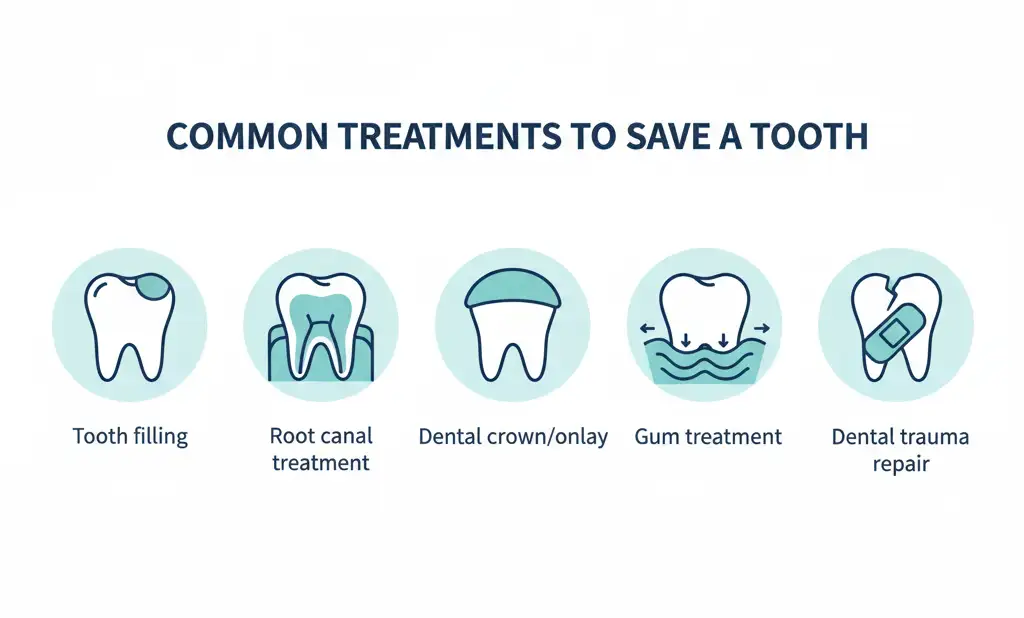
If the infection is caught very early and the pulp is still healthy, a filling or crown may be enough.
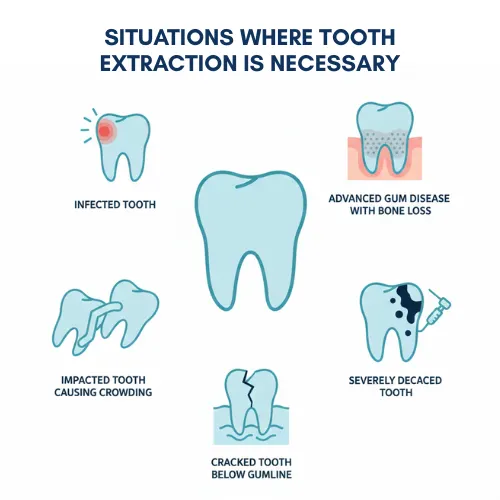
However, once the nerve becomes infected, the realistic options are:
Root canal treatment to save the tooth
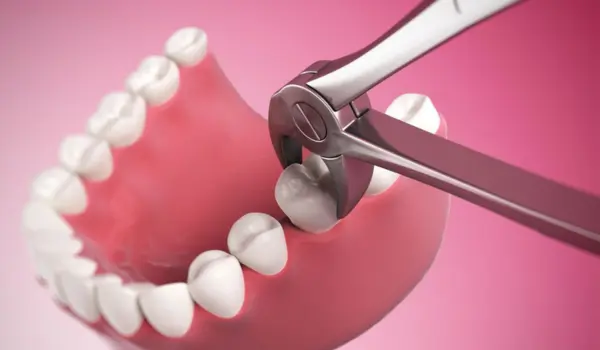
Extraction of the tooth
While removing the tooth eliminates the infection, it creates a gap that usually requires replacement with an implant or bridge. These treatments are more complex and may cost more in the long term.
Preserving your natural tooth with a root canal is often the healthiest and most conservative solution.
How Much Does Root Canal Treatment Cost in Sharjah?
The cost depends on the complexity of the case and which tooth is affected. Molars are typically more complex than front teeth due to multiple canals.
At C Dental Clinics, we provide a full examination and a clear treatment plan before starting. Transparency is important. Our team ensures you understand your options, timeline, and costs before proceeding.
Early treatment usually costs less than managing advanced complications.
Root Canal Treatment at C Dental Clinics in Sharjah
At C Dental Clinics, every root canal procedure begins with a detailed consultation and digital imaging. Accurate diagnosis ensures that treatment is only recommended when truly necessary.
Our experienced dental team uses modern techniques designed to:
- Remove infection effectively
- Preserve natural tooth structure
- Minimize discomfort
- Restore long-term function
We believe in conservative dentistry and patient education. If a root canal is not needed, we will tell you. If it is necessary, we will guide you through every step with clarity and care.
When Should You See a Dentist Immediately?
Do not wait if you experience:
- Severe tooth pain lasting more than two days
- Swelling in your gums or face
- Difficulty chewing
- Persistent sensitivity
- Signs of pus or abscess
A simple dental examination and X-ray can quickly determine whether root canal treatment in Sharjah is required or if a less invasive solution is possible.
Frequently Asked Questions
A: No. Once the infection reaches the inner nerve of the tooth, it cannot heal on its own. The pain may temporarily reduce, but the infection can continue spreading beneath the surface.
A: Pain that is constant, worsening, or keeps returning is a warning sign. Lingering sensitivity, swelling, pain while chewing, or a pimple on the gums usually indicate infection and should be checked by a dentist.
A: If the nerve is infected, the realistic options are a root canal to save the tooth or extraction. A root canal is usually preferred because it preserves your natural tooth and oral function.
A: With modern anesthesia and techniques, most patients feel little to no pain during the procedure. In fact, the treatment relieves the pain caused by the infection.
A: Delaying treatment can allow the infection to spread, leading to abscesses, bone damage, severe pain, or eventual tooth loss. Early treatment is safer and more predictable.
The Right Step at the Right Time
Tooth infections rarely heal on their own once the inner nerve is involved. Waiting may provide temporary relief, but it does not solve the underlying problem.
The earlier the infection is treated, the easier and more predictable the outcome. Saving your natural tooth protects your smile, your comfort, and your long term oral health.
If you are unsure whether you need a root canal, schedule a consultation at C Dental Clinics in Sharjah. A clear diagnosis can give you peace of mind and prevent small issues from becoming serious complications.
Your comfort, health, and confidence are always our priority.
👉 Book your appointment today with C Dental Clinics and take the first step toward a healthier smile!
References
- When Is a Root Canal Necessary? Signs You Shouldn’t Ignore– Sumit Dental Clinic
- Can a Tooth That Needs a Root Canal Heal Itself?– Midtown Endodontist
- Can Tooth Root Problems Heal by Themselves?– Empire Dental Care.
- Do You Really Need a Root Canal? 10 Warning Signs– Teeth Care Dental Clinic
Please subscribe to our social channels for updates related to dental care and oral health.
Instagram: cdental2025
Facebook: CDental
YouTube: C-Dental Clinic