Periodontics
Periodontics
Periodontics is the dental specialty focusing exclusively in the inflammatory disease that destroys the gums and other supporting structures around the teeth. A periodontist is a dentist who specializes in the prevention, diagnosis, and treatment of periodontal, or disease, and in the placement of dental implants. Periodontists receive extensive training in these areas, including three additional years of education beyond dental school. As specialists in periodontal disease, they are experts in the latest techniques for diagnosing and treating periodontal disease. They are also trained in cosmetic periodontal procedures.
Periodontal structures include:
- The gingiva or gums
- The alveolar or jaw bone
- The cementum which connects the tooth to the jaw bone by anchoring it to the periodontal ligament
- The periodontal ligament which holds the tooth in place in the jaw bone

Cosmetic dentistry usually follows along the lines of symmetry and harmony. Certainly brightening teeth is something most people desire, removing stains (coffee, cigarettes). Everyone would like to be proud of their smile and show it off, but most do not because of gaps in their teeth, yellow teeth, uneven gums, missing teeth, etc. Cosmetic dentistry could be used to fix these issues.
Most cosmetic procedures are elective rather than essential although some cases of treatment provide restorative benefits. Insurance will usually pay for procedures that are medically necessary. Elective cases are usually not reimbursable. The most common procedures used in cosmetic dentistry are fairly simple. However, certain procedures require more complex and specialized care.
0+
Patients
0+
Years Experience
0%
Satisfaction
0+
Successful Root Canal Treatment
Gingivitis and periodontitis
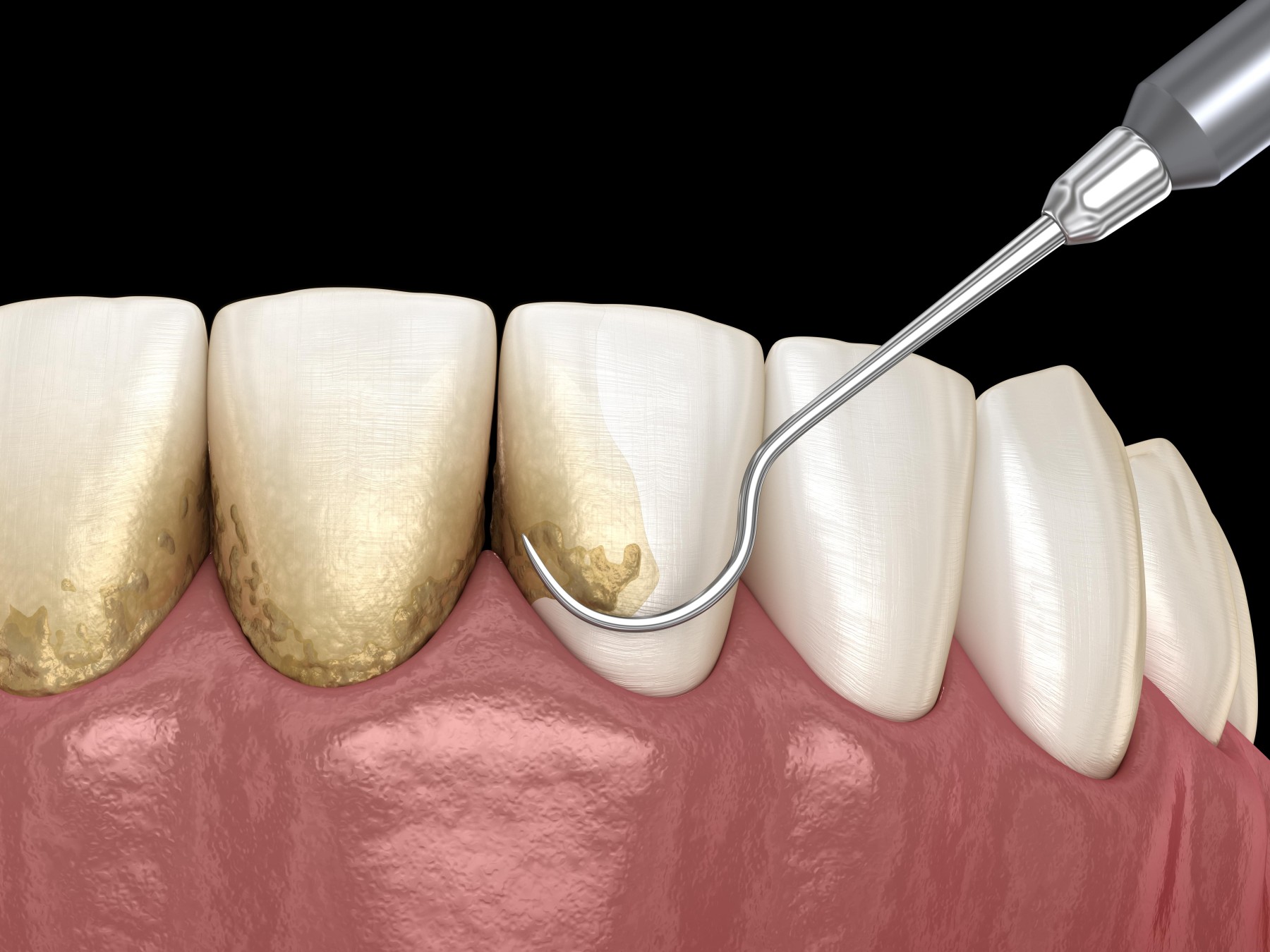
Gingivitis is the inflammation and infection of the gums. Periodontitis is a more severe form of infection that involves not only the gums but the periodontal structures around the base of the teeth. In severe cases, periodontitis may lead to severe toothache and even loss of the tooth.
What are the symptoms of gum disease?
Gum disease is an ongoing infection in the gums, which can lead to bone and tooth loss. It can sometimes be silent, meaning there are no symptoms present. Some common signs of gum disease include:
- Pain or sores in the mouth
- Bleeding while brushing or flossing
- Swollen, red, or tender gums
- Loose or separating teeth
- Gum recession
- Bad breath
- Bite changes
Your Questions Answered: Conservative & Endodontics
What is periodontics?
Periodontics is a dental specialty focused on the health of the gums and the supporting structures of the teeth. Periodontists diagnose, prevent, and treat periodontal diseases, such as gingivitis and periodontitis, and are also experts in placing dental implants. At C Dental, Sharjah, our specialists combine advanced techniques with personalized care to maintain healthy gums and support overall oral health.
Why is gum health important?
Healthy gums are essential for strong teeth and overall oral function. Gum disease can lead to tooth loss, bone damage, and other complications if left untreated. Maintaining gum health not only supports oral hygiene but also enhances the appearance of your smile, ensuring teeth are properly anchored and your mouth stays healthy over time.
What are the symptoms of gum disease?
- Pain or sores in the mouth
- Bleeding while brushing or flossing
- Swollen, red, or tender gums
- Loose or separating teeth
- Gum recession
- Persistent bad breath
- Changes in bite or alignment
If you notice any of these symptoms, early intervention can prevent further damage.
How is gum disease treated?
Treatment depends on the severity of the condition. Mild gingivitis may only require professional cleaning, improved oral hygiene, and routine check-ups. Advanced periodontitis can involve deep cleaning, scaling and root planing, gum surgery, or regenerative procedures. At C Dental, Sharjah, our periodontists create tailored treatment plans to restore gum health and preserve teeth.
How can I prevent gum disease?
Preventing gum disease involves consistent oral hygiene and regular dental visits. Brushing twice daily, flossing, using an antiseptic mouthwash, and visiting your dentist for oral prophylaxis and routine check-ups can keep gums healthy. At C Dental, we also educate patients on lifestyle habits, nutrition, and techniques to maintain long-term periodontal health.
Related Services