Tag: C-dental sharjah

  • Tooth Pain That Comes and Goes: When Should You Visit a Dentist in Sharjah?

    Tooth Pain That Comes and Goes: When Should You Visit a Dentist in Sharjah?

    Understanding Intermittent Tooth Pain: Early Care Matters

    Tooth pain that comes and goes is often easy to overlook. Many people assume that if the discomfort isn’t constant, it isn’t serious. However, intermittent tooth pain can be an early sign of an underlying dental issue, such as tooth decay, gum inflammation, or a developing infection.

    At C Dental in Sharjah, we frequently see patients who delayed treatment because the pain seemed minor at first. Addressing these early warning signs can prevent more complex procedures, like root canals or crowns, and help maintain long-term oral health.

    Our experienced team takes a thorough, patient-centered approach. We carefully examine your teeth and gums, take X-rays if necessary, and identify the root cause of the discomfort. From preventive care to tailored treatments, we focus on protecting your smile and preserving your natural teeth.

    Even occasional or mild pain is worth checking. Early intervention allows us to provide effective solutions, minimize discomfort, and reduce the risk of future complications. At C Dental, your dental health is our priority, and we are committed to providing safe, professional, and compassionate care in every visit.

    Why Does Tooth Pain Come and Go?

    Why Does Tooth Pain Come and Go?

    Pain that is not constant usually has specific triggers. It may appear while eating, drinking, or chewing, and then fade away. Some of the most common causes include:

    Tooth Sensitivity

    When enamel wears down or gums recede, the inner layer of the tooth becomes exposed. This can cause short bursts of pain when consuming hot, cold, sweet, or acidic foods.

    Early Tooth Decay

    In the early stages, cavities may not cause continuous pain. Instead, discomfort may occur only when food particles reach the affected area.

    Cracked or Damaged Teeth

    Small cracks or worn fillings may cause pain only when pressure is applied, such as while chewing. Once the pressure is gone, the pain subsides.

    Gum Problems

    Inflamed or receding gums can expose sensitive areas of the tooth, leading to occasional discomfort that comes and goes.

    Teeth Grinding or Jaw Stress

    Grinding or clenching, often during sleep, can strain teeth and cause intermittent pain without obvious signs of damage.

    Common Triggers to Watch For

    If your tooth pain appears occasionally, notice what brings it on. Common triggers include:

    • Hot or cold foods and beverages
    • Sweet or acidic items
    • Chewing on one side of the mouth
    • Sudden temperature changes
    • Stress-related jaw clenching

    These patterns are valuable clues for your dentist during diagnosis.

    Is Intermittent Tooth Pain Serious?

    Yes, it can be. Pain that comes and goes does not mean the problem has resolved. In many cases, the nerve has not yet been fully affected, which is why the pain feels temporary. Without treatment, the condition may progress and result in infection, severe pain, or the need for more extensive procedures.

    You should consult a dentist in Sharjah if:

    • The pain is recurring or increasing in frequency
    • Discomfort occurs when chewing or biting
    • You notice swelling, bleeding gums, or a bad taste
    • Sensitivity lingers after hot or cold exposure

    Early treatment is always simpler, faster, and more cost-effective.

    Expert Dental Care in Sharjah: Early Attention Matters

    If you’re experiencing recurring tooth pain, visiting a dentist in Sharjah can help identify the problem before it becomes serious. During your visit, a dentist will:

    • Examine your teeth and gums carefully to check for any signs of decay or infection.
    • Use X-rays when needed to detect hidden issues that aren’t visible to the eye.
    • Find the root cause of your discomfort to tailor the right treatment.
    • Recommend gentle, effective care like fillings, crowns, gum treatments, or protective night guards.

    Addressing dental issues early can often prevent more invasive treatments, such as root canals, and help preserve your natural teeth.
    Why Does Tooth Pain Come and Go?

    What You Can Do Until Your Appointment?

    While waiting to see your dentist, you can reduce discomfort by:

    • Avoiding extreme temperatures in food and drinks
    • Maintaining gentle brushing and flossing
    • Rinsing with warm salt water
    • Avoiding chewing on the affected side

    These steps provide temporary relief but do not replace professional care.

    Frequently Asked Questions

    Q: Is tooth pain that comes and goes normal?

    A: Occasional tooth pain is common, but pain that repeatedly comes and goes is not normal. It often indicates an underlying issue such as tooth sensitivity, early decay, gum problems, or a cracked tooth. A dentist in Sharjah can identify the cause before it worsens.

    Q: Can intermittent tooth pain go away on its own?

    A: In some cases, the pain may temporarily stop, but the underlying problem usually remains. Without proper treatment, the issue can progress and lead to infection or constant pain over time.

    Q: How long should I wait before seeing a dentist in Sharjah?

    A: If tooth pain returns more than once, lasts longer each time, or becomes more intense, you should see a dentist as soon as possible. Early treatment is simpler and helps prevent more serious dental procedures.

    Q: Can stress cause tooth pain that comes and goes?

    A: Yes. Stress can lead to teeth grinding or jaw clenching, especially during sleep. This can strain teeth and cause intermittent pain. A dentist may recommend a night guard to protect your teeth.

    Q: Does tooth pain always mean I need a root canal?

    A: No. Intermittent tooth pain often means the problem is still in an early stage. Many cases can be treated with fillings, gum care, or minor procedures if addressed early by a dentist in Sharjah.

    Q: Should I take painkillers for intermittent tooth pain?

    A: Painkillers can provide temporary relief, but do not treat the cause. Relying on medication may delay proper diagnosis and allow the problem to worsen. A professional dental evaluation is always recommended.

    Q: Can gum problems cause tooth pain that comes and goes?

    A: Yes. Gum inflammation or recession can expose sensitive parts of the tooth, leading to occasional discomfort. Treating gum issues early can prevent further sensitivity and damage.

    Final Thoughts

    Tooth pain that comes and goes is often your body’s early warning system, letting you know that something beneath the surface needs attention. While the discomfort may seem minor or manageable at first, ignoring it can allow small dental issues to develop into painful and costly problems.

    If you are experiencing recurring tooth pain, scheduling a timely check-up with a trusted dentist in Sharjah can make a significant difference. Early diagnosis not only helps relieve discomfort but also prevents complications that may require more complex treatment later.
    👉 Book a dental consultation today and take the first step toward protecting your oral health, restoring comfort, and enjoying long-term peace of mind.

    Call to Action Button of C Dental Clinic

    References

    1. Throbbing Tooth Pain That Comes and Goes — Get a Full Help Guide – My Local Dentists Northmead
    2. Toothache That Comes and Goes — What Does It Mean?– Downtown Dental
    3. Tooth Pain That Comes and Goes: Should You Be Concerned? -NY Implant Dentistry
    4. Tooth Pain That Comes and Goes: Should You Worry?– Clover Smile Studio
  • Do I Really Need a Root Canal or Can It Heal on Its Own?

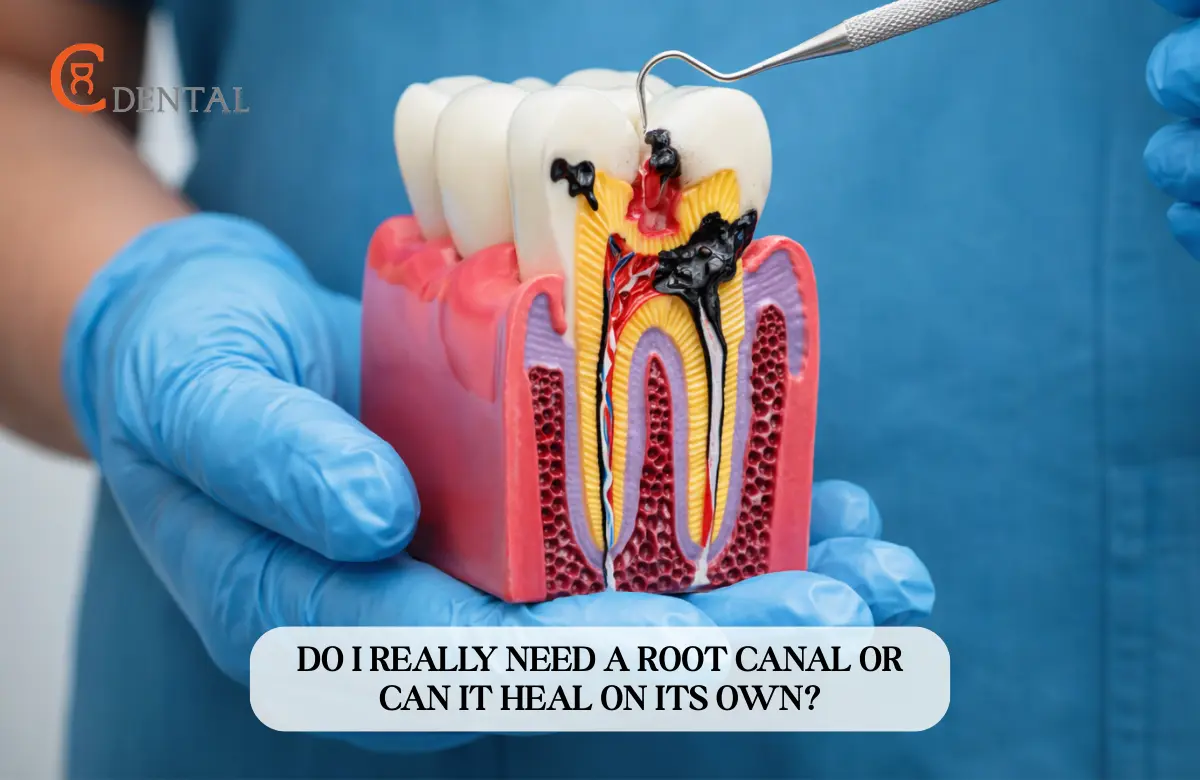
    Do I Really Need a Root Canal or Can It Heal on Its Own?

    Tooth pain has a way of making us hopeful. We tell ourselves it might settle down tomorrow. Maybe it is just sensitivity. Maybe it will pass. But when the pain keeps coming back or starts getting worse, that small hope turns into worry.

    Many patients in Sharjah delay treatment because they are afraid of needing a root canal. The word itself sounds intimidating. But understanding what is really happening inside your tooth can help you make the right decision at the right time.

    If you are wondering whether a tooth infection can heal naturally or whether you truly need root canal treatment in Sharjah, this guide will give you clear and honest answers.

    Can a Tooth Infection Heal on Its Own?

    In very early stages of tooth decay, when only the outer enamel is affected, the damage can sometimes be stopped. Good oral hygiene, fluoride treatments, and early fillings may prevent further progression.

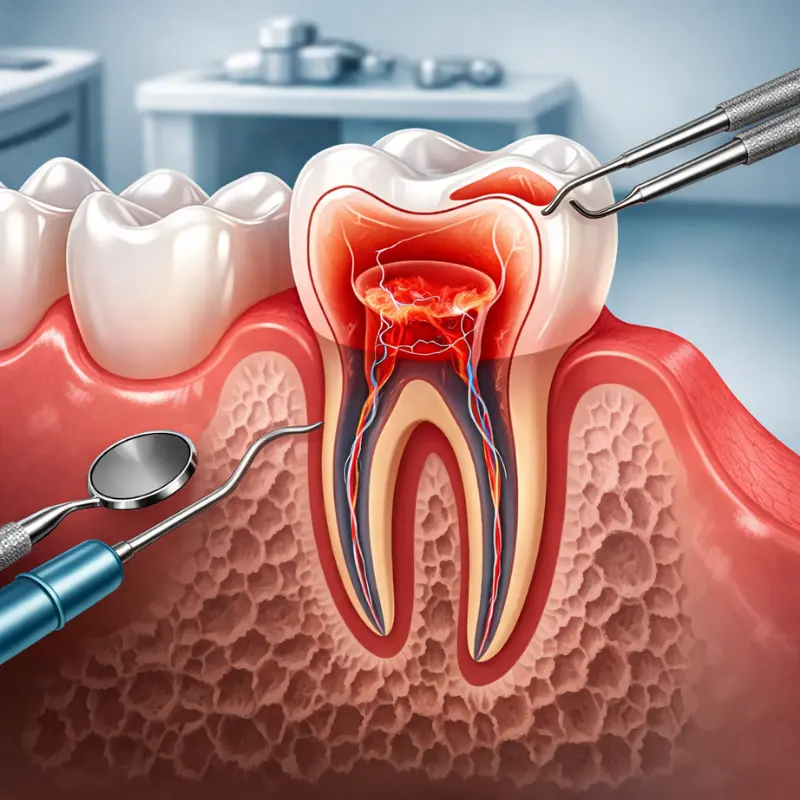
    However, once bacteria reach the inner pulp of the tooth, healing on its own is no longer possible. The pulp contains nerves and blood vessels. When it becomes infected, the body cannot repair it because the blood supply inside the infected space becomes compromised.

    According to the American Association of Endodontists, infected dental pulp requires professional treatment. It does not reverse naturally.

    Sometimes the pain may temporarily reduce. This can happen if the nerve inside the tooth dies. But this does not mean the infection is gone. In fact, it may continue spreading silently to the surrounding bone.

    At this stage, root canal treatment becomes necessary to remove infection and save the natural tooth.

    Signs You May Need a Root Canal

    Signs You May Need a Root Canal

    Many patients wonder how to tell whether their tooth pain is temporary or something more serious. While only a dentist can confirm the diagnosis through a clinical examination and an X-ray, certain warning signs strongly indicate that the inner pulp or nerve of the tooth may be infected.

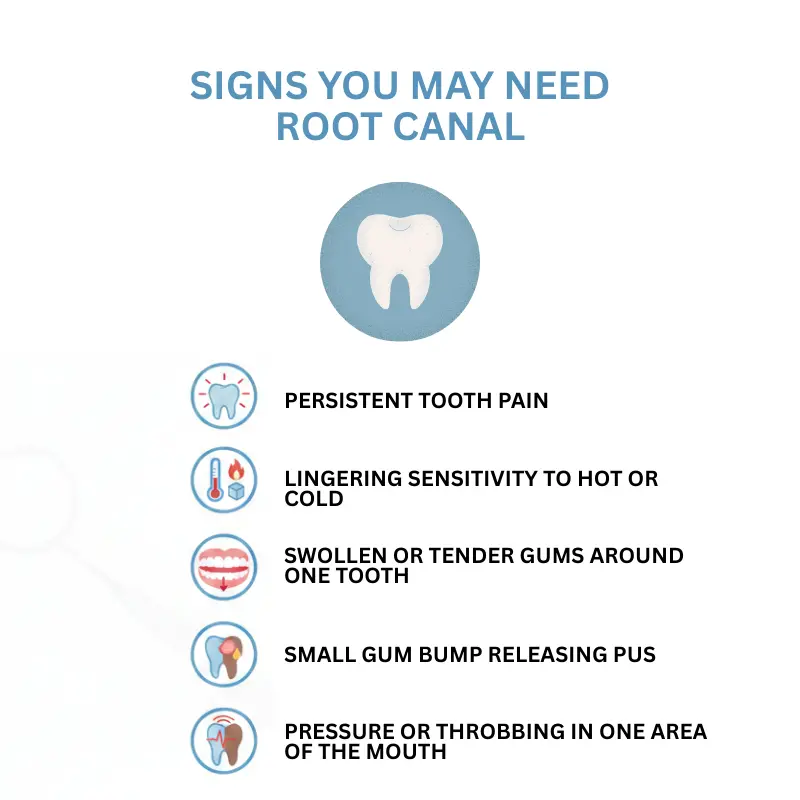
    If you experience any of the following symptoms, it may be time to seek professional evaluation:

    • Persistent tooth pain that does not improve or keeps returning
    • Sensitivity to heat or cold that lingers even after the source is removed
    • Pain while chewing or when applying pressure to the tooth
    • Swollen, inflamed, or tender gums around a specific tooth
    • A small bump on the gum that may release pus
    •  Darkening or discoloration of the affected tooth
    • A feeling of pressure or throbbing in one area of the mouth
    When Is a Root Canal Truly Necessary?

    When Is a Root Canal Truly Necessary?

    A root canal is recommended when the pulp inside the tooth becomes infected or severely inflamed. This commonly happens due to:

    Deep untreated cavities
    Cracked or fractured teeth
    Repeated dental procedures on the same tooth
    Trauma or injury
    Severe decay reaching the nerve

    The purpose of a root canal is not to remove the tooth. It is to save it.

    During the procedure, the infected tissue is carefully removed. The canal is cleaned, disinfected, and sealed. In most cases, a crown is placed afterward to restore strength and function.

    Saving your natural tooth helps maintain proper chewing, prevents the shifting of nearby teeth, and protects long-term oral health.

    What Happens If You Delay Root Canal Treatment?

    Delaying treatment is one of the most common reasons minor dental infections turn into major problems.

    An untreated tooth infection can:

    • Spread to the surrounding bone
    • Cause an abscess
    • Lead to facial swelling
    • Create severe pain
    • Result in tooth loss
    • Require more complex and expensive treatment later

    In rare but serious cases, untreated dental infections can affect overall health.

    Choosing early root canal treatment in Sharjah is often simpler, less painful, and more affordable than waiting until the condition worsens.

    Is Root Canal Treatment Painful?

    This is the most common fear.

    Modern dentistry has completely changed the root canal experience. With effective local anesthesia and advanced equipment, most patients report that the procedure feels similar to getting a filling.

    In fact, the pain many people associate with root canals usually comes from the infection itself, not the treatment. Once the infected tissue is removed, the pain is relieved.

    At C Dental Clinics in Sharjah, we focus on gentle techniques, accurate diagnosis, and patient comfort. Our goal is not only to treat the tooth but also to ensure you feel calm and reassured throughout your visit.

    Are There Alternatives to a Root Canal?

    If the infection is caught very early and the pulp is still healthy, a filling or crown may be enough.

    However, once the nerve becomes infected, the realistic options are:

    Root canal treatment to save the tooth
    Extraction of the tooth

    While removing the tooth eliminates the infection, it creates a gap that usually requires replacement with an implant or bridge. These treatments are more complex and may cost more in the long term.

    Preserving your natural tooth with a root canal is often the healthiest and most conservative solution.

    How Much Does Root Canal Treatment Cost in Sharjah?

    The cost depends on the complexity of the case and which tooth is affected. Molars are typically more complex than front teeth due to multiple canals.

    At C Dental Clinics, we provide a full examination and a clear treatment plan before starting. Transparency is important. Our team ensures you understand your options, timeline, and costs before proceeding.

    Early treatment usually costs less than managing advanced complications.

    Root Canal Treatment at C Dental Clinics in Sharjah

    At C Dental Clinics, every root canal procedure begins with a detailed consultation and digital imaging. Accurate diagnosis ensures that treatment is only recommended when truly necessary.

    Our experienced dental team uses modern techniques designed to:

    • Remove infection effectively
    • Preserve natural tooth structure
    • Minimize discomfort
    • Restore long-term function

    We believe in conservative dentistry and patient education. If a root canal is not needed, we will tell you. If it is necessary, we will guide you through every step with clarity and care.

    When Should You See a Dentist Immediately?

    Do not wait if you experience:

    1. Severe tooth pain lasting more than two days
    2. Swelling in your gums or face
    3. Difficulty chewing
    4. Persistent sensitivity
    5. Signs of pus or abscess

    A simple dental examination and X-ray can quickly determine whether root canal treatment in Sharjah is required or if a less invasive solution is possible.

    Frequently Asked Questions

    Q: Can a tooth infection go away without treatment?

    A: No. Once the infection reaches the inner nerve of the tooth, it cannot heal on its own. The pain may temporarily reduce, but the infection can continue spreading beneath the surface.

    Q: How can I tell if my tooth pain is serious?

    A: Pain that is constant, worsening, or keeps returning is a warning sign. Lingering sensitivity, swelling, pain while chewing, or a pimple on the gums usually indicate infection and should be checked by a dentist.

    Q: Is a root canal the only option for an infected tooth?

    A: If the nerve is infected, the realistic options are a root canal to save the tooth or extraction. A root canal is usually preferred because it preserves your natural tooth and oral function.

    Q: Is root canal treatment painful?

    A: With modern anesthesia and techniques, most patients feel little to no pain during the procedure. In fact, the treatment relieves the pain caused by the infection.

    Q: What happens if I delay root canal treatment?

    A: Delaying treatment can allow the infection to spread, leading to abscesses, bone damage, severe pain, or eventual tooth loss. Early treatment is safer and more predictable.

    The Right Step at the Right Time

    Tooth infections rarely heal on their own once the inner nerve is involved. Waiting may provide temporary relief, but it does not solve the underlying problem.

    The earlier the infection is treated, the easier and more predictable the outcome. Saving your natural tooth protects your smile, your comfort, and your long term oral health.

    If you are unsure whether you need a root canal, schedule a consultation at C Dental Clinics in Sharjah. A clear diagnosis can give you peace of mind and prevent small issues from becoming serious complications.

    Your comfort, health, and confidence are always our priority.

    👉 Book your appointment today with C Dental Clinics and take the first step toward a healthier smile!

    References

    1. When Is a Root Canal Necessary? Signs You Shouldn’t IgnoreSumit Dental Clinic
    2. Can a Tooth That Needs a Root Canal Heal Itself?– Midtown Endodontist
    3. Can Tooth Root Problems Heal by Themselves?– Empire Dental Care.
    4. Do You Really Need a Root Canal? 10 Warning Signs– Teeth Care Dental Clinic

    Please subscribe to our social channels for updates related to dental care and oral health.

    Instagram:  cdental2025
    Facebook:  CDental 
    YouTube: C-Dental Clinic

  • Wisdom Teeth Removal: Symptoms, Costs, and When to See a Dentist

    Wisdom Teeth Removal: Symptoms, Costs, and When to See a Dentist

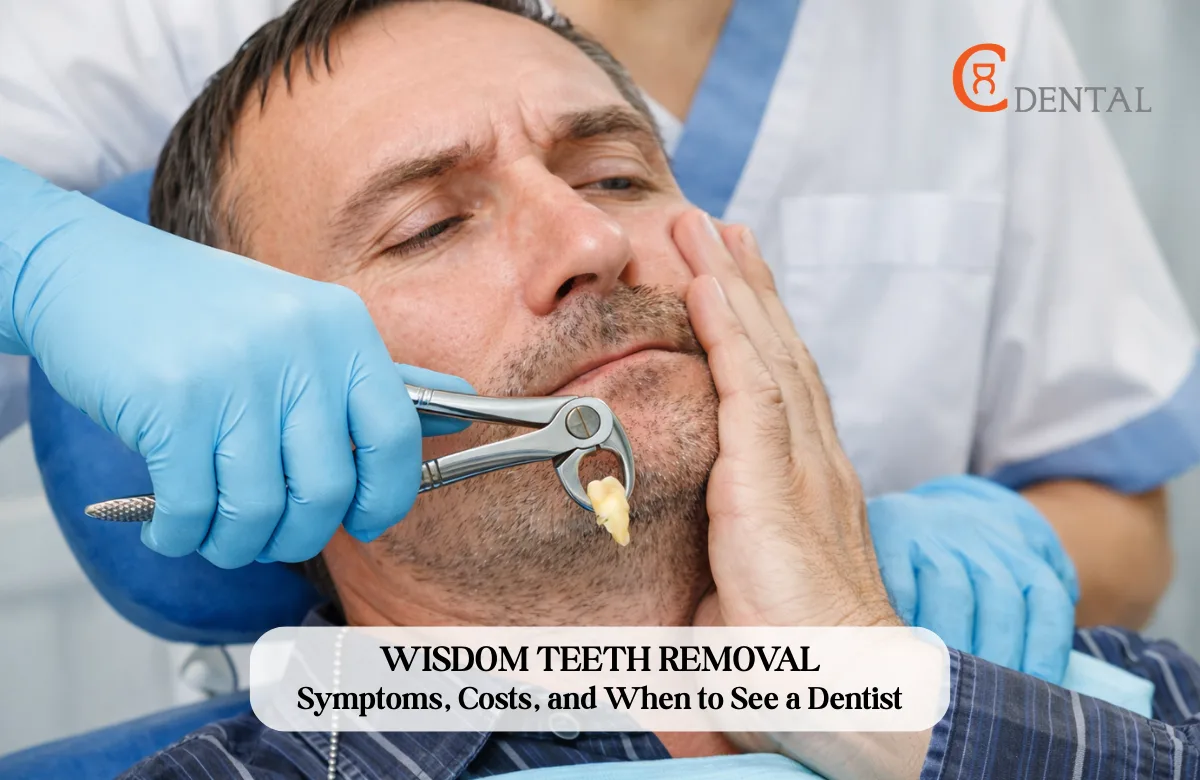
    Wisdom teeth are the last set of molars that usually erupt between the ages of 17 and 25. While some people experience no issues, many patients in Sharjah struggle with pain, swelling, or infection due to impacted wisdom teeth. At C Dental Clinic, we frequently treat patients dealing with discomfort caused by partially erupted or misaligned third molars. Understanding the warning signs and treatment options can help you act early and prevent serious complications.

    What Are Wisdom Teeth?

    Wisdom teeth are the third molars located at the back of your mouth. Because modern jaws are often smaller, there may not be enough space for these teeth to erupt properly. When they don’t emerge fully or grow at an angle, they become impacted, leading to pain and infection.

    Common Symptoms of Problematic Wisdom Teeth

    Common Symptoms of Problematic Wisdom Teeth

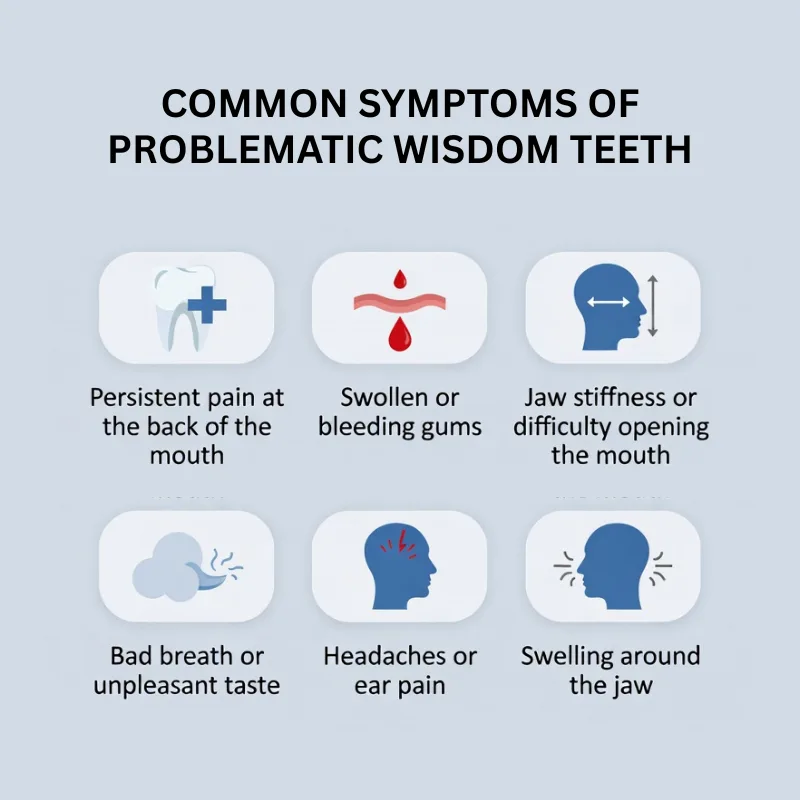
    Many patients ignore early symptoms, thinking the pain will go away on its own. However, untreated wisdom tooth issues can worsen quickly.

    Look out for:

    • Persistent pain in the back of the mouth
    • Swollen or bleeding gums
    • Jaw stiffness or difficulty opening your mouth
    • Bad breath or unpleasant taste
    • Headaches or ear pain
    • Swelling around the jaw

    If you experience any of these symptoms, a dental evaluation is recommended immediately.

    Why Wisdom Teeth Often Need Removal?

    Not all wisdom teeth require extraction. However, removal is commonly advised when:

    1. They are impacted – trapped under the gum or bone.
    2. They grow sideways – pushing against nearby teeth.
    3. They cause infection, leading to gum inflammation (pericoronitis).
    4. They increase the risk of cavities – hard-to-clean areas trap food and bacteria.
    5. They cause crowding – affecting orthodontic results.

    Early removal is often easier and involves quicker recovery compared to waiting until complications develop.

    Types of Wisdom Tooth Impaction

    Dentists classify impacted wisdom teeth into different types:

    • Mesial impaction – tilted toward the front of the mouth (most common)
    • Distal impaction – tilted toward the back
    • Vertical impaction – straight but stuck under the gum
    • Horizontal impaction – lying completely sideways

    The treatment plan depends on the position and depth of the tooth.

    How is Wisdom Tooth Removal Done?

    The procedure varies depending on whether the tooth is fully erupted or impacted.

    Simple Extraction
    If the tooth has fully erupted, it can be removed with standard extraction techniques under local anesthesia.

    Surgical Extraction
    For impacted teeth, a small incision is made in the gum. Sometimes the tooth is divided into smaller sections for easier removal. The area is then cleaned and stitched if needed.

    The procedure is typically quick, and most patients return home the same day.

    Is Wisdom Tooth Removal Painful?

    Modern dental techniques make the procedure comfortable. Local anesthesia numbs the area completely. For anxious patients, sedation options may also be available.

    Post-procedure discomfort is normal but manageable with prescribed medication. Swelling usually peaks within 48 hours and gradually reduces.

    Recovery Timeline After Extraction

    Here’s what most patients can expect:

    • Day 1–2: Mild swelling and discomfort
    • Day 3–4: Swelling begins to reduce
    • 1 Week: Stitches removed (if non-dissolvable)
    • 2 Weeks: Gums mostly healed

    Following aftercare instructions—such as avoiding straws, smoking, and hard foods—helps prevent dry socket, a painful complication.

    Cost of Wisdom Teeth Removal in Sharjah

    The cost depends on several factors:

    • Complexity of impaction
    • Number of teeth removed
    • Need for surgical extraction
    • Type of anesthesia used

    Simple extractions cost less than surgical procedures. A proper dental consultation with X-rays is required for an accurate estimate.

    When Should You See a Dentist?

    When Should You See a Dentist?

    You should schedule an appointment if:

    • Pain lasts more than 2–3 days
    • Swelling spreads to the face or neck
    • You develop a fever
    • You notice pus or severe bad breath
    • You feel pressure affecting nearby teeth

    Delaying treatment can lead to serious infections or damage to adjacent teeth.

    When Is Wisdom Tooth Removal Necessary?

    Wisdom tooth removal becomes necessary when the tooth is causing pain, infection, or has a high risk of future complications. One of the most common reasons is impaction, where the tooth does not have enough space to erupt properly and becomes trapped under the gum or bone. Impacted wisdom teeth can press against nearby molars, leading to pain, swelling, jaw stiffness, and even damage to surrounding teeth.

    Removal is also recommended if there are repeated gum infections (pericoronitis), cyst formation around the tooth, tooth decay that cannot be properly cleaned, or bone loss affecting adjacent teeth. In some cases, even if there are no current symptoms, dentists may advise preventive removal when X-rays show that the wisdom tooth is likely to cause problems in the future. Early removal is generally simpler, involves faster healing, and reduces the risk of complex surgical procedures later on.

    Frequently Asked Questions

    Q: How long does wisdom tooth removal take?

    A: A simple wisdom tooth extraction usually takes 20 to 30 minutes. Surgical removal of an impacted wisdom tooth may take 30 to 60 minutes, depending on the tooth’s position and complexity. Most patients return home the same day.

    Q: What is the recovery time after wisdom tooth removal?

    A: Initial healing typically takes about 7 to 10 days. Swelling and discomfort are most noticeable during the first 2 to 3 days and gradually improve. Complete bone healing may take several weeks.

    Q: Is it safe to delay wisdom tooth removal?

    A: Delaying removal can increase the risk of infection, cyst formation, damage to nearby teeth, and more complicated surgery later. If your dentist recommends extraction due to impaction or recurring infection, timely treatment is usually advised.

    Q: What should I avoid after wisdom tooth extraction?

    A: After the procedure, avoid smoking, using straws, spitting forcefully, and eating hard or crunchy foods for several days. Following proper aftercare instructions reduces the risk of dry socket and promotes faster healing.

    Final Thoughts

    Wisdom teeth problems are common but manageable with timely care. Ignoring symptoms can lead to infection, severe pain, and costly treatments later. If you are experiencing discomfort or want to assess your wisdom teeth, scheduling a consultation can provide clarity and peace of mind.

    Early diagnosis, proper imaging, and expert care ensure a smooth and safe removal process with minimal complications.

    👉 Book a consultation today to have your wisdom teeth evaluated and receive clear guidance on the next steps for safe and effective treatment.

    Call to Action Button of C Dental Clinic

    References

    1. Wisdom tooth removal– Mayo Clinic
    2. Removal of Impacted Wisdom Teeth– British Association of Oral and Maxillofacial Surgeons
    3. Wisdom teeth: Learn More – Should you have your wisdom teeth removed? National Library of Medicine
    4. Removal of Wisdom Teeth (Third Molars) – BAOS

    Please subscribe to our social channels for updates related to dental care and oral health.

    Instagram:  cdental2025
    Facebook:  CDental 
    YouTube: C-Dental Clinic

  • The Real Price of Ignoring Dental Care: Protect Your Smile, Health, and Finances

    The Real Price of Ignoring Dental Care: Protect Your Smile, Health, and Finances

    Most people think dental care is only about keeping teeth white or freshening breath. The truth is, it goes far deeper. Poor oral health affects your overall well-being, your confidence, your finances, and can even influence other areas of your health. Neglecting regular care leads to problems that grow silently, often becoming painful, costly, and stressful over time. Understanding the full impact of dental neglect is the first step toward prevention.

    This article explores why people often delay dental care, the consequences of neglect, the financial and emotional tolls, and practical strategies to protect your teeth and health.

    Why People Delay Dental Care?

    Even when people know the importance of brushing twice daily and visiting the dentist, many still put off care. There are several reasons for this. Busy lives make it easy to skip appointments or reduce oral hygiene to a minimal routine. Anxiety or fear of discomfort from past dental visits keeps many away. Some believe brushing alone is sufficient and underestimate the need for professional checkups. Others avoid the dentist to save money, not realizing that postponing care often leads to higher costs later.

    Understanding these behaviors is important because small issues that are ignored can escalate into serious oral health problems that affect more than just your teeth.

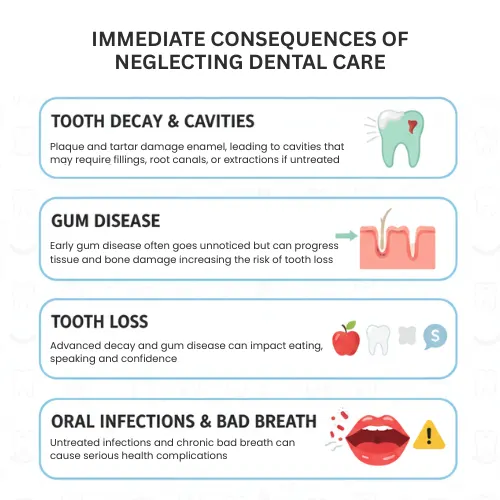
    Immediate Consequences of  Neglect

    Immediate Consequences of Neglect

    Poor dental care does not just result in cavities. Neglect sets off a chain of issues that become more difficult to manage over time.

    Tooth Decay and Cavities

    Without proper cleaning and checkups, plaque and tartar build up, causing enamel erosion and cavities. Untreated cavities deepen and can eventually require fillings, root canals, or extractions.

    Gum Disease

    Gingivitis, the first stage of gum disease, often develops silently. If left untreated, it can progress to periodontitis, which damages the tissues and bone supporting your teeth. Advanced gum disease may result in tooth loss.

    Tooth Loss

    As decay and gum disease worsen, tooth loss becomes a real risk. Missing teeth affect how you eat, speak, and interact with others, impacting your quality of life.

    Oral Infections and Bad Breath

    Chronic bad breath can be socially and emotionally burdensome. Untreated infections can lead to more serious health concerns and may require antibiotics or even surgery.

    The Ripple Effect on Overall Health

    Oral health does not exist in isolation. Neglecting it can affect the entire body. Chronic gum inflammation has been linked to heart problems and stroke. Poor oral hygiene complicates blood sugar management for diabetics and increases the risk of respiratory infections when bacteria are inhaled into the lungs. Recent studies even suggest links between gum disease and cognitive decline. Maintaining good oral health is not just about teeth; it is essential for overall well-being.

    The Financial Toll

    Dental neglect can become expensive. Preventive care, such as regular cleanings and exams, is relatively affordable and can catch problems early. In contrast, untreated issues may require fillings, root canals, crowns, or even extractions and implants, all of which are costly.

    Beyond treatment costs, dental emergencies can result in missed work and lost productivity, increasing the financial impact. Investing in preventive care saves money in the long run and protects your health and confidence.

    Emotional and Social Costs

    Dental problems extend beyond physical and financial consequences. Tooth decay, discoloration, and missing teeth can affect self-esteem and confidence, making social interactions stressful. In professional settings, dental appearance can influence perceptions, while ongoing pain and discomfort contribute to psychological stress. Good oral care helps maintain both physical health and emotional well-being.

    How to Protect Your Smile with Dental Care

    How to Protect Your Smile?

    The good news is that most of these costs are preventable. Simple daily habits combined with professional care make a significant difference.

    • Brush twice daily using proper technique to remove plaque effectively.
    • Floss daily to clean areas your toothbrush cannot reach.
    • Limit sugary foods and beverages that fuel tooth decay.
    • Drink plenty of water and consider using a dentist-approved mouthwash.
    • Schedule regular dental checkups at least every six months for early detection and treatment.
    • Adopt healthy lifestyle habits, including balanced nutrition and avoiding tobacco.

    By integrating these habits into daily routines, you can reduce both the physical and financial consequences of poor oral health.

    Frequently Asked Questions About Dental Care

    Q: How often should I visit the dentist?

    A: Most dental professionals recommend visiting the dentist every six months for routine checkups and cleanings. Regular visits help catch problems early, prevent serious issues, and maintain overall oral health.

    Q: Can brushing and flossing alone prevent dental problems?

    A: While proper brushing and flossing are essential, they cannot replace professional care. Regular dental checkups help detect hidden issues like cavities, gum disease, or infections before they become serious.

    Q: What are the signs that I’m neglecting my dental health?

    A: Common signs include persistent bad breath, bleeding gums, tooth sensitivity, pain,  discoloration, or loose teeth. Ignoring these signs can lead to more serious health and financial consequences.

    Q: How does poor oral health affect overall health?

    A: Neglected oral health can contribute to heart disease, stroke, diabetes complications, respiratory infections, and even cognitive decline. The mouth is connected to the rest of the body, so maintaining oral hygiene supports overall well-being.

    Q: Is preventive dental care expensive?

    A: Preventive care,e like regular cleanings, exams, and minor treatments, is relatively affordable. It is much cheaper and less stressful than treating advanced problems like root canals, crowns, implants, or emergency procedures. Investing in prevention saves money, time, and discomfort in the long run.

    Conclusion

    Neglecting your teeth is not a minor issue. The consequences extend through your body, your finances, and your well-being. Early care, consistent daily habits, and regular dental visits are not optional; they are vital investments in your long-term health.

    Taking action today is the best way to avoid pain, costly treatments, and emotional stress tomorrow. Protect your smile, safeguard your health, and maintain your confidence with simple, consistent oral care.

    👉 Book your dental checkup today and take the first step toward a healthier smile and a worry-free future

    Call to Action Button of C Dental Clinic

    References

    1. The Costs of Dental Neglect: Uncovering the Consequences of Skipping Check-ups – Makowski Dental
    2. How Dental Problems Become Expensive If Ignored – NABA Dental
    3. The Many Costs of Poor Oral Health University of Illinois Chicago
    4. REASONS WHY PEOPLE IGNORE DENTAL HEALTH– Zoma Dental
    5. The High Cost of Neglect: Why Preventive Dental Care is Essential for Businesses -Dentists on Demand

    Please subscribe to our social channels for updates related to dental care and oral health.

    Instagram:  cdental2025
    Facebook:  CDental 
    YouTube: C-Dental Clinic

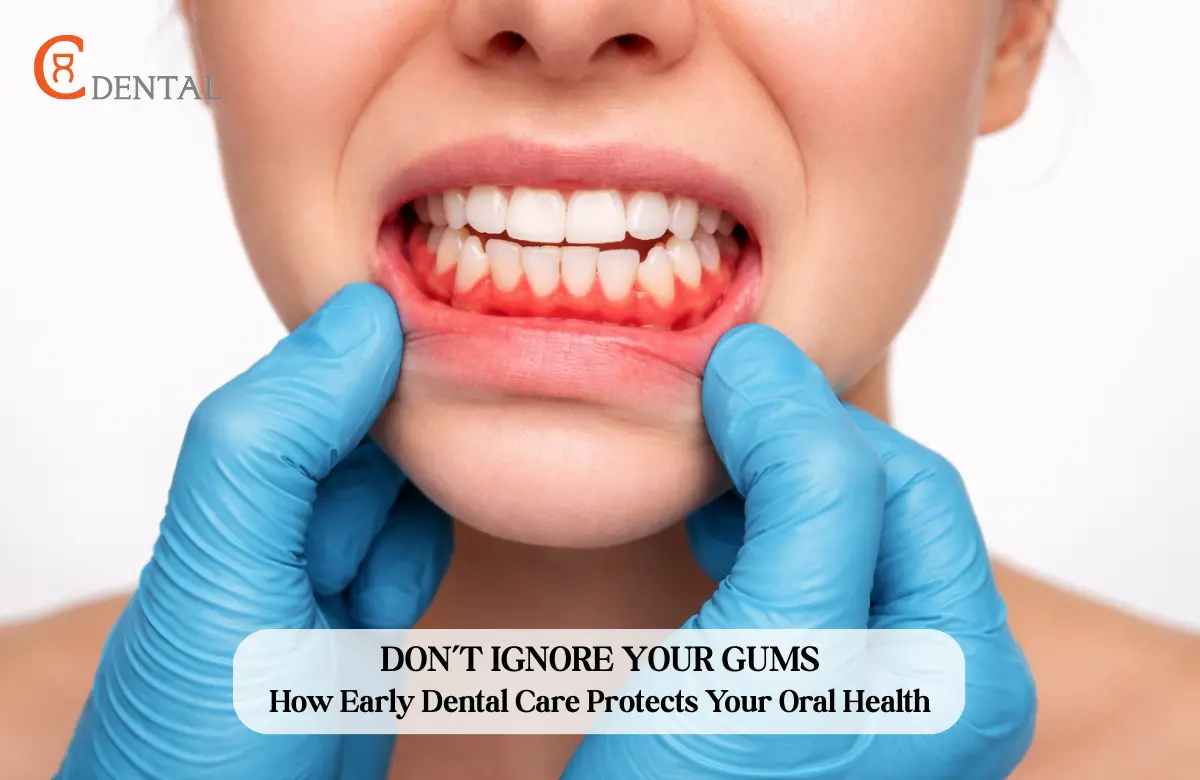
  • Don’t Ignore Your Gums: How Early Dental Care Protects Your Oral Health

    Don’t Ignore Your Gums: How Early Dental Care Protects Your Oral Health

    Gum disease is more common than many realize and is often misunderstood. The tricky part? It can start quietly, without pain, so many people delay treatment until it’s too late. Left untreated, it can slowly damage your gums, jawbone, and even your teeth.

    In this article, we’ll explain what happens if gum disease is left untreated, the difference between gingivitis and periodontitis, and advanced treatment options available in Sharjah to protect your smile and overall health.

    What Is Gum Disease?

    Gum disease, or periodontal disease, is an infection that affects the gums and the structures supporting your teeth. It begins when a sticky layer of bacteria called plaque builds up along the gumline.

    If plaque isn’t removed, it hardens into tartar, which irritates the gums and allows infection to spread below the surface. Over time, this can affect the jawbone and the teeth themselves.

    Why Gum Disease Often Goes Unnoticed

    Many people ignore gum problems because:

    • Early stages are usually painless
    • Bleeding gums are considered “normal.”
    • Symptoms develop slowly
    • Visible damage appears late

    By the time loose teeth, persistent bad breath, or discomfort appear, significant and sometimes irreversible damage has already occurred.

    Gingivitis vs. Periodontitis: Understanding the Difference

    Not all gum disease is the same. Understanding the difference can help you take action early.

    What Is Gingivitis?

    What Is Gingivitis?

    Gingivitis is the earliest stage of gum disease. It affects only the gums, without any bone involvement.

    Common signs:

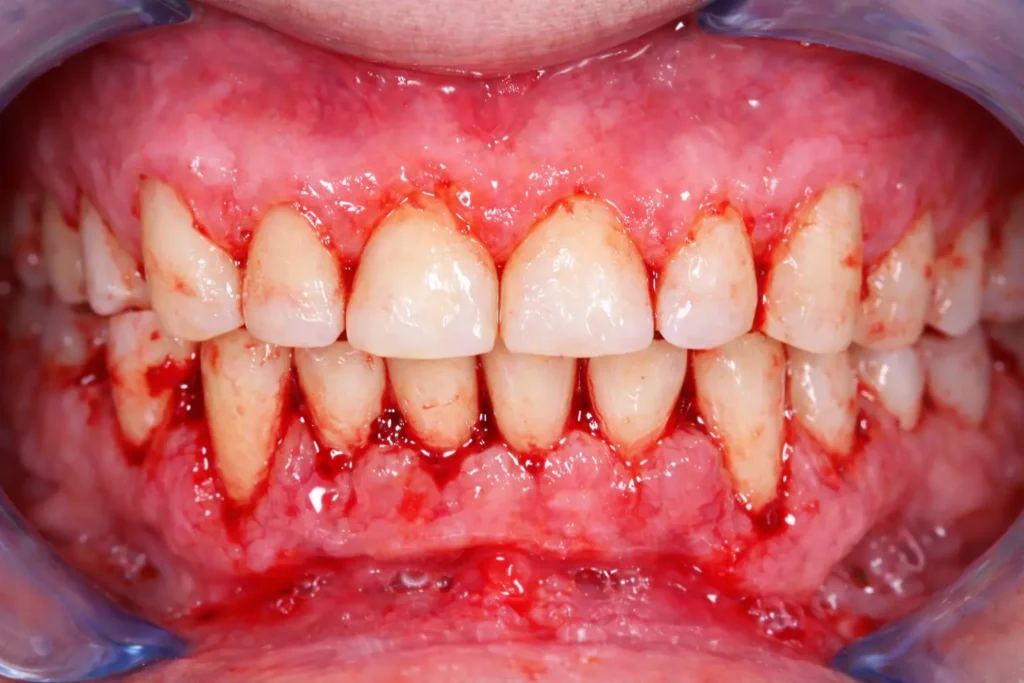
    • Red, swollen gums
    • Bleeding when brushing or flossing
    • Mild tenderness

    At this stage, gingivitis is fully reversible with proper cleaning and oral hygiene.

    What Is Periodontitis?

    Periodontitis develops when gingivitis is left untreated. The infection spreads deeper, affecting gums, connective tissue, and jawbone.

    Signs of periodontitis include:

    • Deep gum pockets
    • Gum recession
    • Loose or shifting teeth
    • Chronic inflammation

     Unlike gingivitis, periodontitis is irreversible, but it can be controlled with professional care.

    FeatureGingivitisPeriodontitis
    Gum inflammationYesYes
    Bleeding gumsCommonCommon
    Bone lossNoYes
    Periodontal pocketsNoYes
    Tooth mobilityNoYes
    ReversibleYesNo
    Tooth loss riskLowHigh

    How Gum Disease Progresses

    Stage 1: Gingivitis (Early Inflammation)

    • Swollen, bleeding gums
    • No bone damage
    • Fully reversible

    Stage 2: Infection Spreads

    Gums start to detach from teeth, forming periodontal pockets. Bacteria multiply rapidly below the gumline, causing more damage.

    Stage 3: Bone and Tissue Loss

    Jawbone begins to deteriorate, exposing tooth roots. Teeth become sensitive, and gum recession becomes noticeable.

    Stage 4: Loose Teeth & Bite Changes

    Teeth may feel unstable, chewing may become difficult, and your bite may shift.

    Stage 5: Tooth Loss & Chronic Infection

    At this stage, teeth may fall out or require extraction. Gum abscesses may form, and extensive dental rehabilitation might be needed.

    Health Risks Beyond the Mouth

    Gum disease isn’t just a dental issue—it can affect your whole body. Bacteria and inflammation from infected gums can enter the bloodstream and contribute to:

    • Heart disease & stroke: Inflammation may promote arterial plaque
    • Diabetes complications: Periodontitis makes blood sugar harder to control
    • Respiratory infections: Bacteria may reach the lungs
    • Pregnancy complications: Linked to preterm birth and low birth weight

    Taking care of your gums is an investment in your overall health.

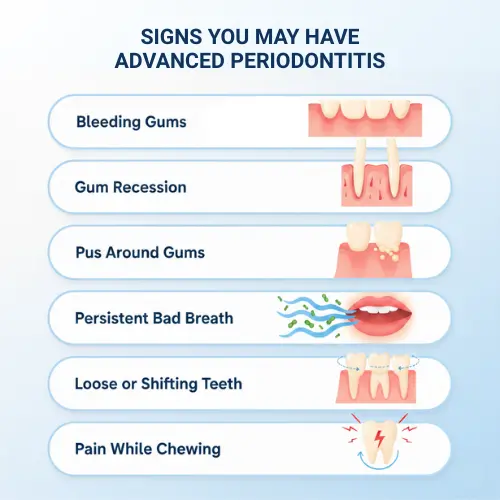
    Signs You May Have Advanced Periodontitis

    Signs You May Have Advanced Periodontitis

    If you notice:

    • Frequent bleeding gums
    • Teeth looking longer due to gum recession
    • Pus around the gumline
    • Persistent bad breath
    • Loose or shifting teeth
    • Pain while chewing

    …it’s time to see a specialist. Early intervention is crucial.

    How Dentists Diagnose Gum Disease

    A thorough evaluation usually includes:

    • Periodontal probing to measure gum pockets
    • Digital X-rays to assess bone loss
    • Checking for gum recession and tooth mobility
    • Reviewing your medical history for risk factors

    Advanced Periodontitis Treatments in Sharjah

    Sharjah offers modern periodontal care with advanced technology and expert specialists.

    Non-Surgical Treatments

    • Scaling & Root Planing: Deep cleaning below the gumline to remove plaque and tartar
    • Antibiotic Therapy: Local or oral antibiotics reduce infection

    Surgical Treatments

    • Flap Surgery: Opens deep pockets for cleaning and reduces infection
    • Bone Grafting: Restores lost jawbone and stabilizes teeth
    • Guided Tissue Regeneration: Encourages regrowth of bone and gum tissue
    • Gum Grafting: Covers exposed roots, reduces sensitivity, and improves appearance
    • Laser Gum Treatment: Precise, minimally invasive, and faster healing

     Sharjah clinics provide personalized care using modern tools to ensure safe, effective outcomes.

    Preventing Gum Disease From Returning

    • Brush twice daily
    • Floss or use interdental cleaners daily
    • Attend regular periodontal checkups
    • Avoid smoking
    • Manage health conditions like diabetes

    Frequently Asked Questions (FAQs)

    Q: Can gum disease go away on its own?

    A: No. Gum disease does not heal on its own. Mild gum disease (gingivitis) can be reversed with professional cleaning and good daily oral care. More advanced gum disease (periodontitis) cannot be reversed, but it can be managed and kept from getting worse.

    Q: Will gum disease treatment hurt?

    A: Most treatments are comfortable and manageable. Dentists use local anesthesia to reduce discomfort, and many patients feel only mild soreness afterward. Modern options, including laser treatments, also help make recovery quicker and easier.

    Q: How do I know if my gum problem is serious?

    A: Bleeding gums, bad breath, or mild swelling may seem minor, but they can be early warning signs. If you notice loose teeth, gum recession, pus, or pain while chewing

    Q: Can treating gum disease really save my teeth?

    A: Yes. Early and proper treatment can slow or stop further damage and help preserve your natural teeth for many years.

    Final Thoughts

    Gum disease doesn’t cause damage overnight—but once it advances, the effects can be permanent. The good news is that with early diagnosis and advanced gum treatments available in Sharjah, you can stop progression, protect your natural teeth, and safeguard your overall health. Healthy gums are the foundation of a strong, confident smile—and ignoring them is a risk you don’t need to take.

    👉 Book your gum health consultation today and take control of your oral health before the damage becomes irreversible.

    Call to Action Button of C Dental Clinic

    References

    1. What is Gingivitis & How is It Treated?– Monterey Peninsula Dental Group
    2. Gum health: Causes and mechanisms– Haleon Health Partner
    3. About Periodontal (Gum) Disease– Centers for Disease Control and Prevention
    4. Advanced Gum Disease: Treatment Options in SharjahArticle Ted
    5. Periodontal diseases, cardiovascular diseases, diabetes, and respiratory diseasesNational Library of Medicine

    Please subscribe to our social channels for updates related to dental care and oral health.

    Instagram:  cdental2025
    Facebook:  CDental 
    YouTube: C-Dental Clinic

  • Root Canal vs. Extraction: What Is the Difference & Which Is Better for Your Teeth?

    Root Canal vs. Extraction: What Is the Difference & Which Is Better for Your Teeth?

    Tooth pain can be alarming, especially when it becomes persistent or severe. In many cases, this pain is a sign of infection deep within the tooth. When patients visit the dentist with such symptoms, they are often presented with two treatment options: a root canal or tooth extraction. Understandably, this leads to confusion and anxiety about which option is better.

    At C Dental Clinic Sharjah, one of the most common questions we hear is whether a root canal or extraction is the right choice for an infected tooth. While both treatments aim to eliminate infection and relieve pain, they differ significantly in how they affect your oral health in the long term. Understanding the difference between root canal vs extraction can help you make a confident, informed decision.

    In this guide, we’ll explain how each procedure works, their benefits, recovery expectations, and why dentists usually prefer saving the natural tooth whenever possible.

    What Is a Root Canal Treatment?

    What Is a Root Canal Treatment?

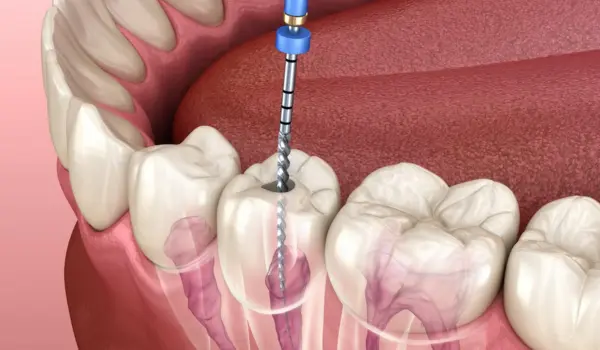
    A root canal treatment is a procedure designed to save a tooth that has been damaged by decay or infection. Inside every tooth is a soft tissue called the pulp, which contains nerves and blood vessels. When bacteria reach this pulp—often due to deep cavities, cracks, or trauma—it can cause severe pain and infection.

    Root canal treatment removes the infected pulp, cleans and disinfects the inner canals of the tooth, and seals it to prevent further infection. The tooth is then restored, usually with a dental crown, so it can function normally again.

    When Do You Need a Root Canal?

    You may need a root canal if you experience:

    • Persistent or throbbing tooth pain
    • Sensitivity to hot or cold that lingers
    • Swelling or tenderness around the gums
    • Pain while chewing or biting
    • Darkening or discoloration of the tooth

    Ignoring these symptoms can allow the infection to spread, potentially leading to tooth loss or more serious complications.

    What Happens During a Root Canal Procedure?

    Modern root canal treatment is safe, precise, and far more comfortable than its reputation suggests. At C Dental Clinic Sharjah, advanced techniques ensure a pain-free experience.

    The procedure typically includes:

    1. A detailed examination and X-ray to assess the infection
    2. Local anesthesia to numb the area completely
    3. Removal of infected pulp from the tooth
    4. Thorough cleaning and disinfection of the canals
    5. Filling the canals with a biocompatible material (gutta-percha)
    6. Placement of a dental crown to restore strength and appearance

    The goal is simple: eliminate infection while saving your natural tooth.

    Benefits of Root Canal Treatment

    Root canal treatment is often the preferred option because it offers several long-term advantages:

    • Preserves your natural tooth structure
    • Prevents jawbone loss associated with missing teeth
    • Maintains proper chewing function and bite alignment
    • Eliminates the need for immediate tooth replacement
    • Cost-effective compared to extraction followed by implants or bridges

    By saving the tooth, root canal treatment helps maintain both oral health and facial structure.

    What Is Tooth Extraction?

    What Is Tooth Extraction?

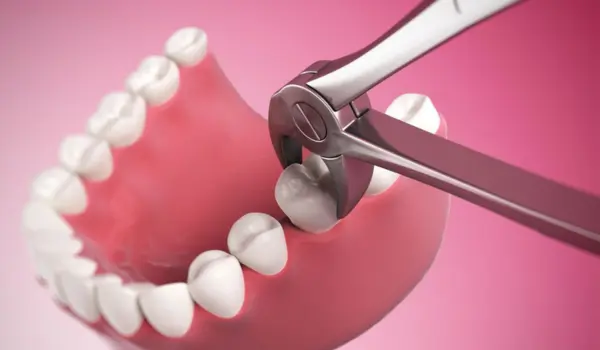
    Tooth extraction involves the complete removal of a tooth from its socket in the jawbone. This procedure is typically recommended when a tooth is too damaged to be restored or when keeping it poses a risk to surrounding teeth and tissues.

    While extraction effectively removes infection, it also leaves a gap that may require replacement to prevent shifting of teeth and bone loss.

    When Is Tooth Extraction Necessary?

    Extraction may be recommended in cases such as:

    • Severe tooth fractures below the gum line
    • Extensive decay that cannot be repaired
    • Advanced gum disease affecting bone support
    • Impacted or overcrowded teeth
    • Certain orthodontic treatment requirements

    What Happens During a Tooth Extraction?

    A tooth extraction procedure usually includes:

    • Local anesthesia to numb the area
    • Loosening of the tooth from the surrounding tissues
    • Removal of the tooth
    • Cleaning of the socket
    • Sutures if necessary
    • Post-extraction care instructions

    In some cases, a bone graft may be advised to preserve the jawbone for future tooth replacement options like dental implants or bridges.

    Benefits of Tooth Extraction

    Although considered a last resort, tooth extraction does have specific benefits:

    • Immediate removal of infection
    • Quick relief from severe pain
    • Necessary for teeth that cannot be saved
    • Helps prepare the mouth for orthodontic correction

    Root Canal vs Extraction – Side-by-Side Comparison

    FactorRoot CanalExtraction
    Tooth preservationYesNo
    Pain levelMinimalModerate
    Jawbone lossPreventedPossible
    Recovery timeFasterLonger
    Long-term costLowerHigher
    AestheticsNatural toothRequires replacement

    This comparison clearly shows why dentists often recommend a root canal whenever feasible.

    Which Is Better – Root Canal or Extraction?

    From a dental perspective, saving the natural tooth is almost always the better option. Extraction is typically reserved for cases where the tooth is beyond repair.

    The decision between root canal or tooth extraction depends on:

    • The amount of healthy tooth structure remaining
    • Severity of the infection
    • Bone support around the tooth

    Dentists at C Dental Clinic Sharjah take a conservative, patient-focused approach—carefully evaluating each case before recommending the most appropriate treatment. The goal is never to remove a tooth unnecessarily.

    Why Dentists Prefer Root Canal Over Extraction

    Dentists prefer root canal treatment because it:

    • Preserves jawbone density
    • Maintains bite stability and alignment
    • Prevents neighboring teeth from shifting
    • Supports facial structure and aesthetics
    • Avoids the need for implants or dentures

    By keeping your natural tooth, you protect your overall oral health for years to come.

    Frequently Asked Questions

    Q: Is a root canal permanent?

    A: Yes. With proper care and a dental crown, a root canal-treated tooth can last a lifetime.

    Q: Is root canal treatment painful?

    A: No. Modern techniques and anesthesia make it a comfortable, pain-free procedure.

    Q: Can a badly decayed tooth still be saved?

    A: In many cases, yes. Early treatment increases the chance of saving the tooth.

    Q: How long does recovery take?

    A: Most patients return to normal activities within a day after a root canal. Extraction recovery may take longer.

    Q: What happens if I delay treatment?

    A: Delaying treatment can allow infection to spread, leading to abscesses, bone loss, and the need for extraction.

    Conclusion: Root Canal vs Extraction — Making the Right Choice

    When comparing root canal vs extraction, the key difference lies in preservation. A root canal treats infection while saving your natural tooth, whereas extraction removes the tooth entirely and often requires replacement later. For most patients, root canal treatment is the healthier, more cost-effective long-term solution.

    If you’re experiencing tooth pain or infection and aren’t sure which treatment is right for you, consult the experienced dental team at C Dental Clinic Sharjah. With accurate diagnosis, advanced technology, and a patient-first approach, you’ll receive a personalised treatment plan focused on preserving your smile and oral health.

    👉Book your consultation at C Dental Clinic Sharjah today and protect your natural smile.

    Call to Action Button of C Dental Clinic

    References

    1. Root Canal vs. Tooth Extraction: Which Is Better? – New Haven Dental Group 
    2. Root Canal vs. Extraction: What Is The Difference– Manipal Hospitals
    3. Tooth Extraction vs. Root Canal: Which Option is Better?Clove Dental
    4. Root Canal vs. Extraction: Which Is Best for You?All Smile Dental
    5. Why Is Root Canal Treatment Preferable To Tooth Extraction?Shri Rama Krishna Hospital

    Please subscribe to our social channels for updates related to dental care and oral health.

    Instagram:  cdental2025
    Facebook:  CDental 
    YouTube: C-Dental Clinic

  • Daily Habits That Help Prevent Cavities (Dentist-Approved Guide)

    Daily Habits That Help Prevent Cavities (Dentist-Approved Guide)

    Cavities don’t appear overnight. They develop quietly, often without pain, until the damage becomes serious. The good news? Simple daily choices can make a big difference. Understanding how to prevent cavities naturally starts with knowing which habits protect your teeth—and which ones slowly weaken them.

    Most people assume brushing alone is enough, but cavity prevention goes far beyond that. From how often you snack to how you brush, small mistakes can undo your oral care routine. At C Dental Clinic, we see many patients who could have avoided treatment with a few preventive changes made early on.

    This guide breaks down dentist-approved habits that support strong teeth, explains common mistakes, and shows you how to prevent cavities naturally with consistency rather than complexity.

    Why Cavities Develop in the First Place

    Cavities form when bacteria in dental plaque feed on sugars and starches left on your teeth. These bacteria produce acid that attacks tooth enamel. Over time, repeated acid attacks weaken enamel, leading to decay.

    Several factors increase cavity risk:

    • Frequent sugar exposure
    • Poor oral hygiene routine
    • Reduced saliva production
    • Weak enamel or lack of fluoride

    Understanding this process is essential if you want to prevent cavities naturally and protect your teeth long-term.

    Daily Habits That Help Prevent Cavities (Dentist-Approved Guide)

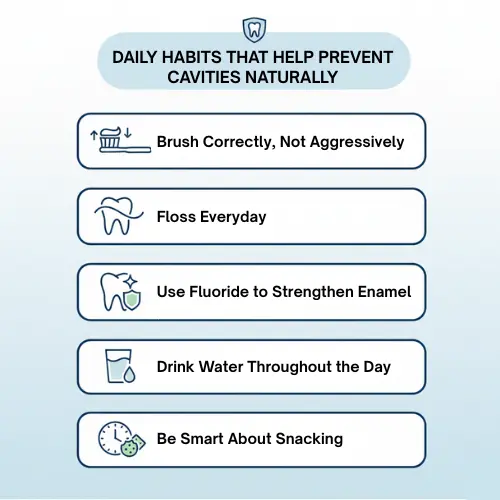
    Daily Habits That Help Prevent Cavities Naturally

    Developing the right habits is the most effective way to stop decay before it starts. Below are proven strategies dentists recommend.

    Brush Correctly, Not Aggressively

    Brushing twice daily removes plaque, but technique matters. Use gentle circular motions and spend at least two minutes brushing all tooth surfaces. Brushing too hard can damage enamel and gums, increasing sensitivity instead of helping you prevent cavities naturally.

    Floss Every Day (Yes, Every Day)

    Flossing removes plaque between teeth—areas your toothbrush can’t reach. This step is crucial for tooth decay prevention, as cavities often begin in these hidden spaces.

    Use Fluoride to Strengthen Enamel

    Fluoride supports enamel remineralization, making teeth more resistant to acid attacks. A fluoride toothpaste is a key part of any oral hygiene routine designed to prevent cavities naturally.

    Drink Water Throughout the Day

    Water washes away food particles, supports saliva production, and helps neutralize acids. Staying hydrated is one of the easiest cavity prevention tips most people overlook.

    Be Smart About Snacking

    It’s not just sugar—it’s frequency. Constant snacking keeps your teeth under acid attack. Limiting snacks and rinsing with water afterward supports healthy teeth habits and helps prevent cavities naturally.

    Common Daily Habits That Increase Cavity Risk

    Even people who brush regularly can develop cavities due to small daily mistakes.

    • Skipping nighttime brushing
    • Frequent sugary or starchy snacks
    • Brushing too hard or too quickly
    • Ignoring flossing
    • Using toothpaste without fluoride

    These habits encourage dental plaque buildup and weaken enamel protection. Correcting them early is essential to prevent cavities naturally and avoid future dental treatments.

    What Dentists Recommend for Long-Term Cavity Prevention

    Dentists focus on prevention before treatment. Professional guidance, combined with home care, offers the strongest defense against cavities.

    At C Dental Clinic Sharjah, dentists emphasize:

    • Consistent brushing and flossing
    • Fluoride use based on individual risk
    • Monitoring early enamel changes
    • Personalized oral care advice

    This approach helps patients prevent cavities naturally while maintaining gum health and strong enamel over time.

    When to See a Dentist Before a Cavity Gets Worse

    Cavities often begin without pain. Early signs may include:

    • Sensitivity to sweets or cold
    • White or dark spots on teeth
    • Mild discomfort while chewing

    Visiting the C Dental Clinic in Sharjah at the first sign allows dentists to stop decay before it progresses. Early care reduces the need for fillings and supports long-term oral health.

    Frequently Ask Quesitons

    Q: How often should I brush and floss to prevent cavities naturally?

    A: To prevent cavities effectively, brush twice a day using gentle circular motions for at least two minutes and floss once daily. Brushing too hard or skipping flossing can leave plaque in hidden areas, increasing your risk of decay. Consistency is key to protecting your teeth long-term.

    Q: Does using fluoride really help prevent cavities?

    A: Yes! Fluoride strengthens tooth enamel, making it more resistant to acid attacks from plaque bacteria. Using a fluoride toothpaste as part of your daily routine is one of the most effective ways to prevent cavities naturally and maintain strong teeth.

    Q: Are sugary snacks the main cause of cavities?

    A: Frequent sugar intake increases cavity risk, but it’s not just sugar—constant snacking and starchy foods keep teeth under acid attack. Limiting snacks, drinking water after eating, and maintaining good oral hygiene can significantly reduce your risk.

    Q: When should I visit a dentist for early signs of cavities?

    A: Visit a dentist as soon as you notice early signs like sensitivity to sweets or cold, white or dark spots, or mild discomfort while chewing. Early detection at clinics can prevent decay from worsening and reduce the need for fillings, keeping your smile healthy long-term.

    Final Thoughts: Prevention Is Always Easier Than Treatment

    Cavities are largely preventable when daily habits are consistent and informed. By improving your brushing technique, flossing daily, managing sugar intake, and using fluoride correctly, you can prevent cavities naturally without complicated routines.

    Regular dental guidance also plays a key role. Clinics like C Dental Clinic focus on early detection and patient education, helping individuals maintain strong, healthy teeth for life.

    Small changes, practiced daily, are often all it takes to prevent cavities naturally and protect your smile long-term.

    👉 Take charge of your oral health today — schedule a check-up with C Dental Clinic and give your smile the care it deserves!

    CTA for C- Dental

    References

    1. 5 Amazingly Simple Things You Can Do to Prevent Cavities – University of Illinois Chicago
    2. Simple Daily Habits to Prevent Cavities – World of Dentistry
    3. 7 Tips for How to Prevent Cavities and Tooth Decay – Listerine
    4. How to prevent cavities with simple oral hygiene habits? – Sabka Dentist

    Please subscribe to our social channels for updates related to dental care and oral health.

    Instagram:  cdental2025
    Facebook:  CDental 
    YouTube: C-Dental Clinic

  • Tooth Pain but No Cavity? What It Means and How the Best Dental Clinic in Sharjah Can Help

    Tooth Pain but No Cavity? What It Means and How the Best Dental Clinic in Sharjah Can Help

    You’ve felt it before. A sudden, sharp jolt when biting down on one side. A lingering tooth pain after drinking a cold drink. Sometimes it disappears, only to return unpredictably. You look in the mirror. No dark spots, no holes, and no visible cavities. And yet, the discomfort is real.

    For many people in Sharjah, tooth pain without visible decay is confusing—and worrying. It’s easy to assume that if there is no cavity, nothing is wrong. But dental pain is rarely that simple. Ignoring it can turn what begins as a minor irritation into a serious issue affecting your teeth, gums, or even your jaw.

    This guide will explain why your teeth may hurt even without cavities, how dentists diagnose hidden problems, what treatments are available, and why you should consider booking an appointment with C Dental, best dental clinic in Sharjah, which can make all the difference.

    How Common Is Tooth Pain Without a Cavity in the UAE?

    How Common Is Tooth Pain Without a Cavity in the UAE?

    Have you ever sipped an ice-cold drink or bitten into something crunchy, only to feel a sudden sharp jolt in a tooth that looks perfectly healthy? You’re not alone. Many adults in the UAE experience this type of unexplained tooth pain, and it often causes confusion and unnecessary worry.

    Tooth pain without cavities isn’t rare—it’s a common phenomenon that can indicate sensitivity, nerve irritation, microcracks, or gum issues. Understanding how widespread it is helps you recognize when to seek professional care at the, such as C Dental Clinic,  Sharjah.

    Key Facts & Statistics:

    • Global prevalence: About 24% of adults worldwide report experiencing tooth pain even when no cavities are present. (PubMed)
    • UAE prevalence: In a 2015 study of adult dental patients in the UAE, 27% reported dentin hypersensitivity or pain without decay. (PMC)
    • Arab populations: Research from Saudi Arabia, Oman, and nearby regions indicates that around 1 in 3 adults report symptoms consistent with non-cavity tooth pain. (PMC)

    Common Non-Cavity Causes Reflected in These Studies:

    • Nerve irritation or heightened tooth sensitivity
    • Gum recession exposing dentin
    • Microcracks in enamel caused by stress, grinding, or hard foods
    • Referred pain from the sinuses or jaw muscles

    Nearly 1 in 4 adults in the UAE experiences unexplained tooth pain at some point, yet many don’t realize it can indicate underlying issues. Recognizing these early signs is critical because untreated sensitivity, cracks, or gum issues may escalate into more serious problems.

    Understanding Sensitive Teeth and Enamel Wear 

    Ever take a sip of ice-cold water or bite into a crunchy snack and feel a sudden jolt in a tooth that looks perfectly healthy? That’s dentin hypersensitivity—one of the most common hidden causes of tooth pain.

    Quick Facts:

    • 12–33% of adults worldwide experience sensitive teeth. (PubMed)
    • In dental clinics, rates can reach 60% or more. (PMC)

    What’s happening: When enamel wears down or gums recede, the dentin layer is Signs you may have sensitive teeth:

    • Sharp pain from hot, cold, or sweet foods
    • Tingling when chewing
    • Discomfort near the gumline

    Why it matters: Even minor sensitivity can lead to cracks, infections, or gum disease if untreated. Early evaluation at the best dental clinic in Sharjah, like C Dental, can prevent bigger problems and protect your smile.

    The Invisible Causes Behind Tooth Pain

    The Invisible Causes Behind Tooth Pain

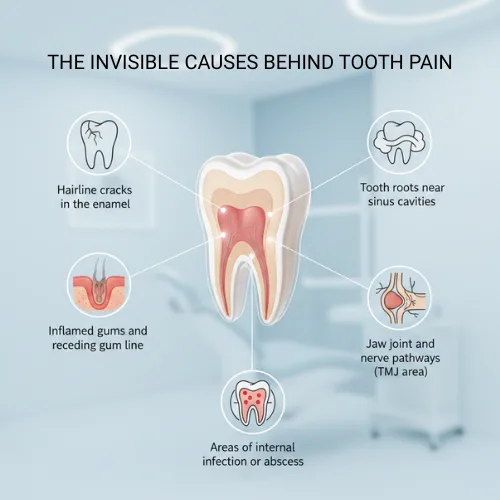
    Pain is your body’s way of signaling that something needs attention. In the mouth, that signal can come from many sources besides decay. Teeth are complex structures, and pain can arise from tiny cracks, nerve sensitivity, gum issues, or even nearby sinuses.

    Hairline Fractures: The Hidden Culprit

    Sometimes, a tooth has a small crack too fine to see on X-rays. These hairline fractures can cause sharp pain when chewing or biting down. You might notice discomfort that comes and goes or only when releasing a bite. Over time, untreated cracks can worsen, leading to infection or the need for more invasive procedures.

    Gum Disease: Pain Beyond the Tooth

    Gum health is closely tied to tooth sensation. Early gum disease, or gingivitis, can inflame the tissues around your teeth, causing dull aches and sensitivity. If it progresses to periodontitis, the gums may recede, exposing sensitive roots, creating more pain, and increasing the risk of tooth mobility.

    Symptoms to watch for include redness, swelling, bleeding, or persistent bad breath. Many patients in Sharjah only realize they have gum disease when pain becomes noticeable, which is why early diagnosis at a trusted dental clinic is crucial.

    Teeth Grinding: Hidden Strain

    Stress, late nights, and busy lifestyles—common factors for professionals and families in Sharjah—can lead to bruxism, or unconscious teeth grinding. Over time, this wears down enamel, causes microfractures, and strains the jaw, resulting in generalized tooth pain, jaw soreness, headaches, and increased sensitivity.

    A dentist can evaluate whether night guards or preventive interventions are needed to protect your teeth and restore comfort.

    Sinus Infections: When Tooth Pain Isn’t Dental

    Upper back teeth are located close to sinus cavities. Sinus infections can mimic dental pain, especially in the molars. The discomfort often worsens when bending forward and may be accompanied by nasal congestion, pressure around the cheeks, or a mild headache. Recognizing sinus-related toothache prevents unnecessary dental treatment and directs patients to the right care.

    Receding Gums and Tooth Sensitivity

    Gum recession exposes dentin, the sensitive layer of the tooth. This can make eating hot, cold, or sugary foods painful. Brushing aggressively or skipping regular check-ups may worsen sensitivity. Preventive care, including desensitizing toothpaste and regular professional cleaning, helps manage discomfort while addressing underlying gum health issues.

    Nerve and TMJ-Related Pain

    Sometimes the pain isn’t from the tooth itself but from nerves or jaw joint issues. Temporomandibular joint (TMJ) disorders can cause tooth-like pain, headaches, earaches, or jaw clicking. Dentists evaluate jaw function and muscle tension to distinguish between dental pain and TMJ problems, ensuring that treatment targets the correct source.

    Dental Abscesses and Infections

    Even without visible cavities, infections can develop in the pulp or surrounding tissues. Warning signs include persistent throbbing pain, swelling of the gums or face, pus, and sometimes fever. Dental abscesses require immediate attention. Early intervention can prevent serious complications, including tooth loss and systemic infection.

    How Dentists Diagnose Tooth Pain When Teeth Look Healthy

    At the best dental clinic in Sharjah, diagnosis goes far beyond a visual exam. Experienced dentists consider patterns of pain, triggers, and patient history. Diagnostic tools may include:

    • Digital X-rays to detect subtle fractures, infections, or bone changes
    • Bite tests to identify cracks or uneven pressure
    • Cold and percussion tests to assess nerve sensitivity
    • Gum pocket measurements for early periodontal disease
    • TMJ evaluation for jaw-related pain

    By combining expertise with advanced technology, clinics like C Dental can pinpoint the exact cause of discomfort, avoiding unnecessary procedures and preserving natural teeth whenever possible.

    Why Early Intervention Matters

    Many people ignore intermittent tooth pain, assuming it is minor or temporary. This is one of the most common mistakes. Untreated hairline fractures may deepen, infections can spread, and gum disease may worsen. Delays often lead to more invasive treatments such as root canals, surgical intervention, or extractions, increasing both cost and recovery time.

    Recognizing pain early and consulting the right dental professional can save your natural teeth and prevent complications.

     Lifestyle Factors That Can Worsen Tooth Pain

    Several aspects of daily life in Sharjah can contribute to hidden dental issues:

    • Air-conditioned environments dry out the mouth and can exacerbate sensitivity
    • Dietary habits like frequent tea, coffee, and acidic foods
    • Stress and long work hours, leading to bruxism
    • Delayed check-ups due to busy schedules

    By addressing these factors and visiting the right clinic, residents can prevent small problems from escalating.

    Treatment Options When There’s No Cavity

    Depending on the underlying cause, treatment may include:

    • Dental bonding or crowns for cracks
    • Deep cleaning and periodontal therapy for gum disease
    • Night guards to prevent damage from grinding
    • Root canal therapy for infections
    • Sinus infection treatment if the pain is referred
    • Fluoride or desensitizing treatments for sensitivity

    Each treatment is tailored to the patient’s specific needs, ensuring long-term relief and tooth preservation.

    Preventing Tooth Pain Before It Starts

    Prevention is always better than cure. Strategies include:

    • Avoiding chewing hard foods or objects like ice, pens, or hard sweets
    • Wearing a night guard if you grind your teeth at night
    • Using a mouthguard during contact sports
    • Maintaining excellent oral hygiene
    • Attending regular dental check-ups

    Preventive care reduces the risk of fractures, sensitivity, and gum disease—common causes of tooth pain without cavities.

    When to See the Cdental, the Best Dental Clinic in Sharjah

    Consult a dentist immediately if you experience:

    • Persistent, worsening pain
    • Swelling of the face, gums, or jaw
    • Fever or signs of infection
    • Pain that interferes with eating or sleeping

    Visiting the best dental clinic in Sharjah, like C Dental, ensures a thorough assessment, precise diagnosis, and effective treatment, protecting both your teeth and overall health.

    Frequently Asked Questions

    Q: Can a hairline fracture heal on its own?

    A: No. Teeth cannot repair themselves like bones. Professional intervention is required to prevent worsening damage.

    Q: Can stress cause tooth pain without a cavity?

    A: Yes. Bruxism caused by stress can lead to tooth sensitivity, microfractures, and jaw discomfort.

    Q: How do I know if my pain is serious?

    A: Severe, persistent, or swelling-associated pain requires urgent attention. Early diagnosis prevents complications.

    Q: Should I see a dentist if the pain comes and goes?

    A: Yes. Intermittent pain may indicate developing issues such as cracks or early gum disease. Early evaluation is crucial.

    Final Thoughts

    Tooth pain without a cavity is a common but often overlooked issue. It signals that something may be happening beneath the surface—whether it’s a hairline fracture, gum inflammation, grinding, sinus pressure, or nerve involvement.

    Ignoring this pain can lead to more serious problems. Early evaluation, accurate diagnosis, and appropriate treatment under an expert dental care, such as C Dental, can save your teeth, reduce discomfort, and prevent long-term complications.

    👉 Don’t wait until minor pain becomes a major problem. Book your consultation at C Dental today and protect your smile!

    Call to Action for C Dental

    Reference

    1. Why does my tooth hurt if I don’t have a cavity?– Smiles 4 Grant Park
    2. If you have a toothache, it’s not really a cavity.- Sabka Dentist
    3. Tooth Pain but No Cavity? Common Causes Explained– Dr Tatum Smiles
    4. Tooth Pain But No Cavity? Here’s What Could Be Going On KAA Dentals

    Please subscribe to our social channels for updates related to dental care and oral health.

    Instagram:  cdental2025
    Facebook:  CDental 
    YouTube: C-Dental Clinic

  • Cosmetic Dentistry for Misaligned Teeth Without Braces | C‑Dental Clinic, Sharjah

    Cosmetic Dentistry for Misaligned Teeth Without Braces | C‑Dental Clinic, Sharjah

    Can You Improve Misaligned Teeth Without Braces?

    Many adults and teens today want a straighter smile, but are hesitant about traditional braces — visible metal wires, dietary restrictions, and long treatment times can be deterrents. Fortunately, modern dental care offers effective alternatives that can improve the cosmetic appearance of slightly misaligned teeth without traditional metal braces. At C‑Dental Clinic in Al Nahda, Sharjah, we offer a range of cosmetic dentistry solutions designed to enhance the look of your smile while addressing mild to moderate misalignment issues — all delivered safely by experienced dental professionals.

    Important: These approaches improve appearance and alignment in selected cases. For severe functional misalignment or bite problems, traditional orthodontics may still be recommended.

    What Misaligned Teeth Really Mean

    Misaligned teeth — sometimes called malocclusion — occur when teeth are crooked, crowded, spaced, or rotated. They can affect appearance, chewing, and hygiene. Common types include:

    • Crowding: Teeth overlap due to lack of space
    • Spacing: Gaps between teeth
    • Rotation: Teeth turned slightly from their normal position
    • Minor bite irregularities: Mild overbite or underbite

    When misalignment is mild or primarily affects how a smile looks, cosmetic dentistry may be a valid option. If it affects chewing, jaw function, or speech, orthodontic evaluation (including braces or aligners) is often needed.

    Why People Prefer Non‑Brace Options

    Adults increasingly choose alternatives to traditional braces for reasons such as:

    • Discretion: Less visible or invisible options
    • Comfort: No metal wires or brackets irritating soft tissues
    • Lifestyle: Easier oral hygiene and flexibility
    • Speed: Cosmetic enhancements can produce visible improvements quickly
    • Confidence: A positive smile boost without wearing braces publicly

    Modern approaches, including clear aligners and cosmetic restorations, allow patients to achieve attractive results while maintaining comfort and aesthetic discretion. Cosmetic Dentistry Options for Misaligned Teeth

    These cosmetic solutions can improve how your teeth look and, in some cases, gradually enhance alignment — but each approach differs in purpose, outcomes, and suitability.

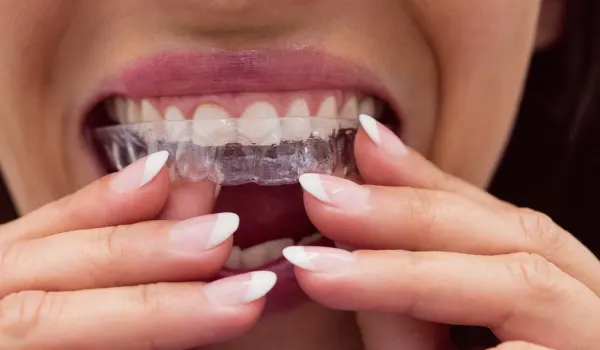
    Clear aligners used in cosmetic dentistry to gently correct misaligned teeth without braces

    1. Clear Aligners: Controlled Tooth Movement Without Brackets

    Clear aligners — such as Invisalign and other transparent systems — are among the most effective non‑brace options for actually moving teeth. Unlike veneers, they use gentle, continuous pressure to reposition teeth in mild to moderate cases.

    How They Work:

    • A series of custom trays are worn most of the day
    • Each tray makes small adjustments to tooth position
    • They are removable for eating and hygiene

    Benefits:

    • Nearly invisible
    • Comfortable with fewer irritations
    • Effective for mild to moderate alignment and crowding

    Limitations:

    • Require consistent daily wear to be effective
    • Not suitable for severe bite correction
    • Results vary with discipline and case complexity

    Clear aligners represent a true orthodontic movement strategy — they don’t just alter appearance; they reposition teeth gradually. 

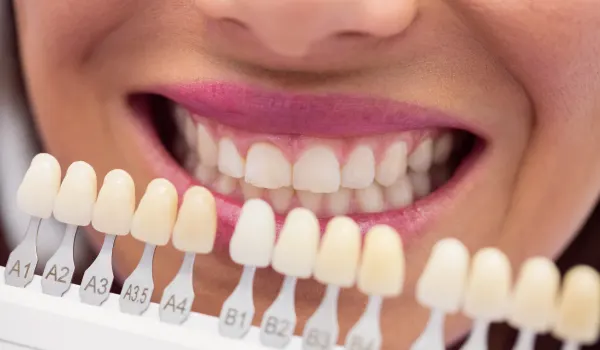
    Porcelain veneers providing instant cosmetic alignment for a straighter, brighter smile

    2. Porcelain Veneers: Instant Cosmetic Alignment

    Porcelain veneers are thin, custom‑made shells bonded to the front surfaces of teeth. They do not move teeth, but they can dramatically improve the visual alignment and symmetry of a smile.

    Best For:

    • Slight crookedness
    • Minor gaps
    • Uneven or worn teeth
    • Color and shape improvement

    Advantages:

    • Immediate visual transformation
    • Customizable shape, color, and size
    • Durable and stain‑resistant

    Considerations:

    • Veneers do not correct tooth position or bite
    • Enamel preparation may be necessary, making this a semi‑permanent procedure
    • Suitable for cosmetic goals rather than functional alignment

    Veneers are ideal when aesthetics are the primary concern and misalignment is mild. 

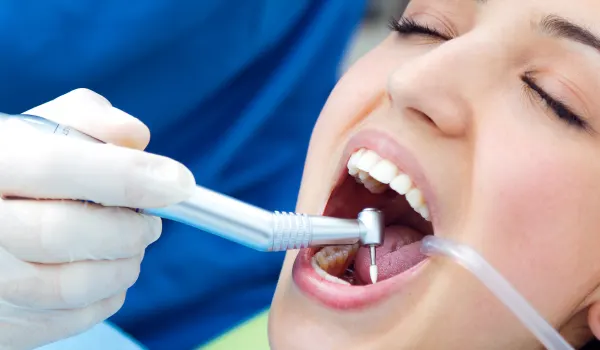
    Dental bonding and contouring for quick cosmetic fixes to improve the shape and appearance of teeth

    3. Dental Bonding & Contouring: Quick Cosmetic Fixes

    For minor irregularities, dental bonding and contouring can improve the look of misaligned teeth without braces. 

    Bonding:

    • Tooth‑colored resin is sculpted and hardened on the tooth surface
    • Useful for closing small gaps and shaping edges

    Contouring (Enamel Shaping):

    • Small adjustments to tooth shape
    • Improves symmetry and visual alignment

    Best For:

    • Slight spacing or tiny imperfections
    • Patients wanting a fast, cost‑effective cosmetic touch‑up

    Limitations:

    • Does not move teeth
    • Less durable than veneers
    • Best for minor cosmetic concerns

    How to Choose the Right Approach

    Choosing the best option depends on your goals, dental health, and type of misalignment:

    • Appearance‑focused: Veneers or bonding improve looks quickly
    • Functional alignment: Clear aligners
    • Budget and time: Bonding or contouring may be more economical and faster

    Dentists can assess your smile and suggest the most appropriate plan based on oral health and your goals.

    What to Expect: Timeline & Results

    TreatmentTypical TimelineOutcome
    Clear AlignersSeveral months up to a yearGradual alignment
    VeneersA few visits over weeksImmediate cosmetic improvement
    Bonding/ContouringSingle visitQuick enhancement

    Results vary by individual and the severity of misalignment. Consultation and thorough examination ensure accurate expectations.

    Risks & Limitations You Should Know

    • Veneers are semi‑permanent and irreversible if the enamel needs removal.
    • Bonding may wear or stain over time.
    • Clear aligners require discipline for wear and care.
    • Cosmetic options don’t correct severe bite issues or functional alignment in most cases.

    Cost Considerations

    Treatment costs depend on complexity, materials, and the number of teeth treated. Typical ranges:

    • Clear aligners: Varies widely by plan and case
    • Porcelain veneers: Cost per tooth
    • Bonding/contouring: Generally more affordable

    A personalized consultation provides accurate estimates.

    Frequently Asked Questions

    Q: Can misaligned teeth be corrected without braces?

    A: Yes, using clear aligners can shift teeth in mild to moderate cases; veneers and bonding improve appearance. 

    Q: Are veneers a solution for crooked teeth?

    A: Veneers provide cosmetic alignment but do not physically move teeth. 

    Q: Do clear aligners hurt?

    A: Mild pressure or discomfort is common, but most find them more comfortable than traditional braces.

    Q: Are cosmetic corrections permanent?

    A: Veneers and bonding have longevity but may need replacement over time; aligner results can be maintained with retainers.

    Why Choose C‑Dental Clinic

    At C‑Dental Clinic, we combine decades of experience, personalized care, and the latest cosmetic dentistry technology to help you achieve your best smile. Our team assesses your needs meticulously, recommending the safest and most effective solution — whether that’s clear aligner therapy, veneers, or cosmetic bonding.

    With a strong record of patient satisfaction and an expert team, you’re in trusted hands for your dental transformation. If you are exploring ways to improve your smile without traditional braces, schedule a consultation at C‑Dental Clinic, Sharjah. Our experts will evaluate your alignment and suggest a customized treatment plan grounded in science and dental best practices.

    References

    1. The main options to straighten teeth: clear aligners like Invisalign vs braces and more– Gromeus
    2. Can Cosmetic Dentistry Help with Tooth Alignment Without Braces? – Bright Bitehub
    3. How to Straighten Teeth Without Braces– Dr. John Schmid, DDS
    4. What are Veneers and How Should You Care for Them?– Colgate
    5. Clear Aligners– American Association of Orthodontists
    6. How to Fix Teeth Without Braces: Complete Guide to Modern Alternatives– Snö Clinics

    Please subscribe to our social channels for updates related to dental care and oral health.

    Instagram:  cdental2025
    Facebook:  CDental 
    YouTube: C-Dental Clinic 

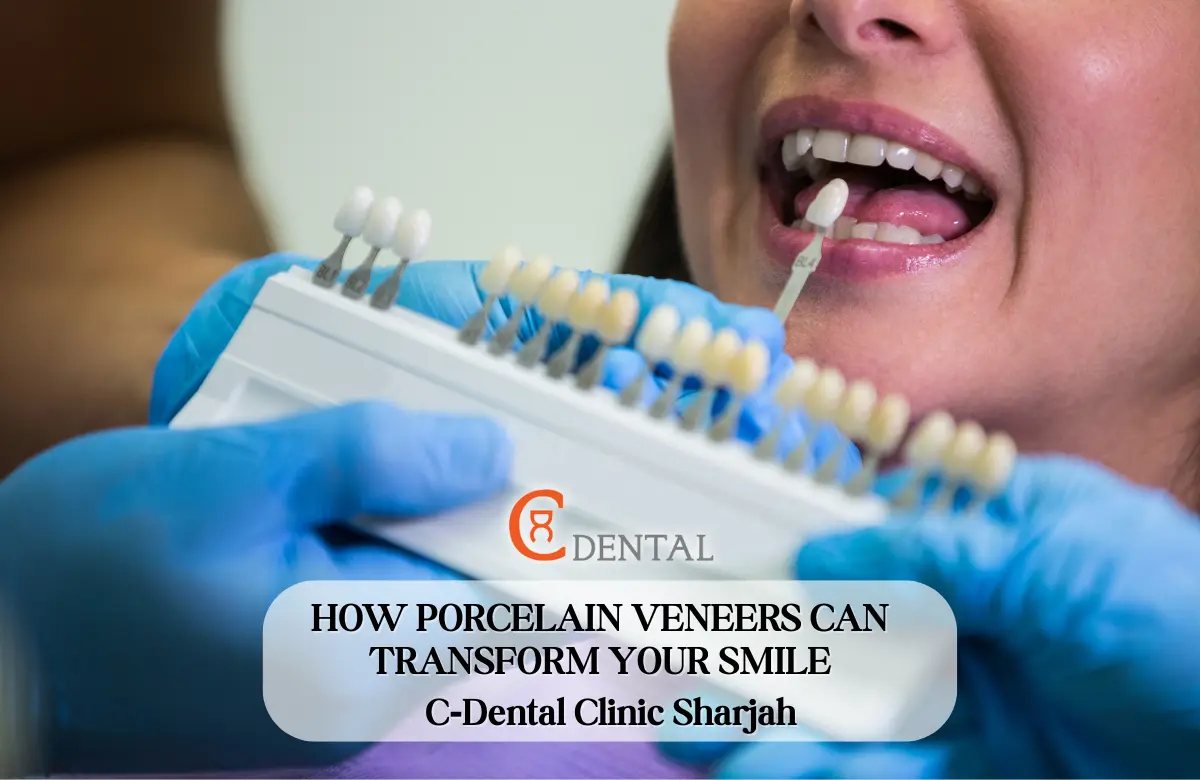
  • How Porcelain Veneers Can Transform Your Smile | C‑Dental Clinic Sharjah

    How Porcelain Veneers Can Transform Your Smile | C‑Dental Clinic Sharjah

    Introduction: Why Your Smile Matters

    Ever notice how some smiles instantly light up a room while others seem to shrink under self-consciousness? If chipped, stained, or misaligned teeth. At C‑Dental Clinic, one of the best dental clinics in Sharjah, can help. In just a few visits, you could enjoy a smile that looks completely natural, reflecting the real you.

    Your smile is more than just a facial expression—it’s a window into your confidence, personality, and overall well-being. A bright, balanced smile can quietly boost how you feel, influence first impressions, and make everyday interactions smoother, whether at work or in social settings.

    Why People Feel Self-Conscious About Their Smile

    • Discoloration or staining from coffee, tea, tobacco, or certain foods
    • Chips, cracks, or worn teeth due to accidents, grinding, or aging
    • Gaps or minor misalignments that affect smile symmetry

    At C‑Dental Clinic, we help patients achieve a natural, radiant, and confident smile using custom-made porcelain veneers, one of the most advanced and popular cosmetic dental solutions available today.

    What You’ll Learn in This Guide

    In this blog, we’ll cover:

    • What porcelain veneers are and how they work
    • The step-by-step veneer procedure
    • Cost, benefits, risks, and aftercare
    • Comparisons with other cosmetic dentistry options
    • Lifestyle tips for long-lasting results
    • Patient testimonials and real-world examples

    By the end, you’ll understand why porcelain veneers are a top choice for anyone seeking a lasting smile transformation.

    Close-up of teeth with porcelain veneers for a natural, bright, confident smile

    What Are Porcelain Veneers?

    Porcelain veneers are ultra-thin, custom-made shells that are bonded to the front surfaces of teeth to improve their appearance, shape, and color. Unlike dental crowns, which cover the entire tooth, veneers require minimal enamel removal, making them a less invasive cosmetic solution.

    Why porcelain?

    • Durable: With proper care, veneers can last 10–15 years or more
    • Natural look: Porcelain reflects light like real tooth enamel, making veneers virtually indistinguishable from natural teeth
    • Stain-resistant: Unlike natural teeth, porcelain resists stains from coffee, tea, red wine, and smoking
    • Custom-fit: Each veneer is tailored for a perfect alignment with your teeth and smile

    Common uses:

    • Correcting discoloration or staining that teeth whitening cannot fully fix
    • Closing small gaps between teeth
    • Repairing chipped, worn, or cracked teeth
    • Enhancing symmetry for an aesthetically balanced smile

    How Porcelain Veneers Transform Your Smile

    Porcelain veneers can dramatically improve the appearance of your smile with long-lasting results. Here’s how they make a difference:

    1. Look Natural

    The porcelain material mimics the color, translucency, and texture of natural teeth, so veneers blend seamlessly with your smile. Patients often report that their veneers look so natural that even close friends can’t tell the difference.

    2. Resistant to Stains

    Porcelain veneers are highly resistant to stains, which means your smile can stay bright and white for years. This is ideal for coffee or tea lovers, wine drinkers, and those seeking a low-maintenance solution for maintaining a dazzling smile.

    3. Custom Fit for Your Smile

    Every veneer is custom-designed to match your teeth, facial structure, and smile symmetry. Your dentist considers:

    • Tooth shape and size
    • Bite alignment
    • Overall facial features

    This ensures your new smile looks harmonious and naturally beautiful.

    4. Boosts Confidence

    A beautiful smile can significantly improve self-esteem, social interactions, and professional presence. Many patients feel more confident smiling freely, attending events, or taking professional photos after getting veneers.

    5. Quick Transformation

    Unlike orthodontic treatments, which can take months or years, veneers provide instant improvement in 2–3 visits. You can walk out with a transformed smile in a fraction of the time.

    6. Long-Lasting Results

    With proper care, porcelain veneers can last 10–15 years or longer, making them a worthwhile investment in your smile and confidence.

    Natural-looking porcelain veneers enhancing smile aesthetics"

    Step-by-Step Veneer Procedure at C‑Dental Clinic

    Understanding the procedure can reduce anxiety and help you prepare for treatment. Here’s what you can expect:

    1: Consultation & Smile Assessment

    • Comprehensive dental examination
    • Discussion of your goals and expectations
    • Shade selection and treatment planning
    • Digital smile simulation to preview your final look

    2: Preparing Your Teeth

    • A small layer of enamel is gently removed to ensure a proper fit
    • Local anesthesia ensures comfort
    • Careful preparation is essential for long-term durability and perfect aesthetics

    3: Impressions & Lab Work

    • Precise dental impressions are sent to a lab
    • Skilled technicians create custom veneers tailored for your teeth in color, shape, and size

    4: Temporary Veneers (if needed)

    • Temporary veneers may be applied to protect teeth and give a preview of the final results

    5: Placement of Permanent Veneers

    • Permanent veneers are bonded and adjusted for bite, comfort, and aesthetics
    • Your dentist ensures your smile is perfectly aligned and symmetrical

    Timeline: Most patients complete the procedure in 2–3 visits over 1–2 weeks.

    Porcelain Veneers vs Other Cosmetic Options

    FeaturePorcelain VeneersComposite VeneersTeeth Whitening / Bonding
    Lifespan10–15 years5–7 yearsShort-term
    Best ForStains, chips, gaps, minor misalignmentsMinor imperfectionsMinor discoloration or small chips
    ProsNatural look, stain-resistant, durable, boosts confidenceLess enamel removal, lower costQuick, minimally invasive
    ConsHigher cost, enamel removal requiredMore prone to stains, shorter lifespanCannot fix gaps or misalignment

    Cost of Porcelain Veneers in Sharjah

    The cost of veneers depends on:

    • Number of teeth treated
    • Type of porcelain used and lab work
    • Dentist’s expertise and clinic facilities

    While more expensive than composite veneers or whitening, porcelain veneers offer long-lasting results, natural aesthetics, and confidence.

    Tip: At C‑Dental Clinic, we provide transparent pricing and flexible payment plans to help patients achieve their dream smile.

    Benefits of Porcelain Veneers

    1. Dramatic Smile Improvement – Corrects discoloration, chips, gaps, and uneven teeth
    2. Stain Resistance – Keeps teeth bright for years
    3. Durable & Long-Lasting – 10–15 years with proper care
    4. Boost in Confidence – Enhances personal and professional presence
    5. Minimal Tooth Alteration – Preserves natural enamel
    6. Quick Transformation – Full smile makeover in weeks
    7. Custom-Fit – Tailored to each patient’s teeth and facial structure

    Risks and Limitations

    • Permanent enamel removal is required
    • Mild sensitivity may occur temporarily
    • Higher cost than composite or whitening treatments

    Note: C‑Dental Clinic ensures patients are fully informed and comfortable throughout the treatment process.

    Caring for Your Veneers

    Proper care ensures your veneers remain strong and beautiful:

    • Brush twice daily with a soft-bristle toothbrush
    • Floss daily to protect gums and teeth
    • Avoid biting hard objects like ice, pens, or fingernails
    • Limit excessive consumption of dark foods or drinks
    • Regular dental check-ups

    Lifestyle & Longevity Tips

    • Use non-abrasive toothpaste to avoid micro-scratches
    • Wear a night guard if you grind your teeth
    • Maintain routine dental hygiene for a long-lasting smile
    • Pair veneers with whitening or orthodontics for optimal aesthetic outcomes

    Patient Testimonials

    “I had done my tooth removal and veneers at Cdental clinic. Dr Binshidha had done a wonderful job. Well, neat atmosphere, Dr and staff very friendly. You can go for your veeners, they are doing a wonderful job. Thank you, Cdental team” – Naseef Nechi

    “Very good clinic and friendly doctor. I got ceramic veneers done, and I’m happy with the results.”- Sanaz Zarefar

    “I had discoloration and small gaps. Veneers completely changed my smile, and now I feel so confident at work and social events.”Fatima, Sharjah

    Cosmetic Dentistry Insights

    Porcelain veneers can be combined with:

    • Orthodontics to correct larger alignment issues
    • Teeth whitening for uniform brightness
    • Gum contouring or bonding for perfect symmetry

    Why it matters: A well-designed smile impacts psychology, social perception, and self-esteem, making veneers not just cosmetic, but transformational.

    Frequently Asked Questions (FAQ)

    Q: How long do veneers last?

    A: Typically 10–15 years with proper care.

    Q: Are porcelain veneers worth the cost?

    A: Yes, they provide a long-term solution for cosmetic enhancement and confidence.

    Q: Will veneers stain my teeth?

    A: Porcelain is stain-resistant, but avoid excessive dark foods and drinks.

    Q: Can veneers fix gaps or chips?

    A: Yes, ideal for minor gaps, chips, or worn teeth.

    Q: Are veneers reversible?

    A: No, enamel removal is permanent.

    Q: Do veneers need special care products?

    A: No, standard brushing and flossing are sufficient.

    Q: How do I know if I’m a candidate?

    A: Your dentist evaluates enamel, bite, and oral health for suitability.

    Why Choose C‑Dental Clinic in Sharjah

    • Experienced Dentists: Skilled in modern cosmetic dentistry
    • Customized Smile Design: Tailored to your teeth and facial features
    • Patient-Focused Care: Comfort and goals guide every step
    • Advanced Technology: Ensures precision, aesthetics, and durability

    Whether correcting minor imperfections or achieving a full smile makeover, our team delivers natural, long-lasting results.

    Conclusion: Take the First Step to Your Dream Smile

    A smile can change the way the world sees you—and the way you see yourself. At C‑Dental Clinic, porcelain veneers give you a natural, confident, and lasting smile. They cover chips, stains, gaps, and uneven teeth so your smile looks balanced and bright—without looking fake.

    Feeling good about your teeth isn’t just about looks. A beautiful smile boosts confidence, makes everyday conversations easier, and even helps in work and social settings. With porcelain veneers, you can smile freely, laugh without hesitation, and enjoy how your teeth look in photos.

    Ready to see the difference for yourself? Book a consultation today and experience how porcelain veneers can transform your smile—and your confidence. Because at C‑Dental, we don’t just create teeth—we create smiles people remember.

    References

    1. Enhance Your Smile with Dental Veneers– Family Dental Clinic
    2. The Truth of Porcelain Veneers Pros and Cons–  Glen Burnie Dental Group
    3. What to Know Before You Get Dental Veneers– Healthline
    4. Dental Veneers– WebMD
    5. Veneers– Cleveland Clinic

    Please subscribe to our social channels for updates related to dental care and oral health.

    Instagram:  cdental2025
    Facebook:  CDental 
    YouTube: C-Dental Clinic