Author: achal

  • Root Canal vs. Extraction: What Is the Difference & Which Is Better for Your Teeth?

    Root Canal vs. Extraction: What Is the Difference & Which Is Better for Your Teeth?

    Tooth pain can be alarming, especially when it becomes persistent or severe. In many cases, this pain is a sign of infection deep within the tooth. When patients visit the dentist with such symptoms, they are often presented with two treatment options: a root canal or tooth extraction. Understandably, this leads to confusion and anxiety about which option is better.

    At C Dental Clinic Sharjah, one of the most common questions we hear is whether a root canal or extraction is the right choice for an infected tooth. While both treatments aim to eliminate infection and relieve pain, they differ significantly in how they affect your oral health in the long term. Understanding the difference between root canal vs extraction can help you make a confident, informed decision.

    In this guide, we’ll explain how each procedure works, their benefits, recovery expectations, and why dentists usually prefer saving the natural tooth whenever possible.

    What Is a Root Canal Treatment?

    What Is a Root Canal Treatment?

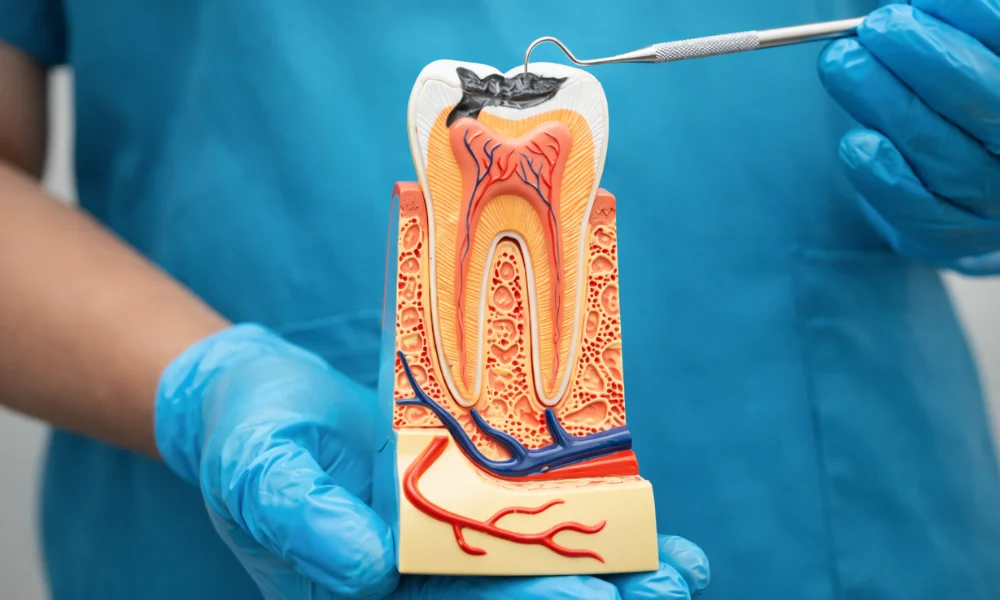
    A root canal treatment is a procedure designed to save a tooth that has been damaged by decay or infection. Inside every tooth is a soft tissue called the pulp, which contains nerves and blood vessels. When bacteria reach this pulp—often due to deep cavities, cracks, or trauma—it can cause severe pain and infection.

    Root canal treatment removes the infected pulp, cleans and disinfects the inner canals of the tooth, and seals it to prevent further infection. The tooth is then restored, usually with a dental crown, so it can function normally again.

    When Do You Need a Root Canal?

    You may need a root canal if you experience:

    • Persistent or throbbing tooth pain
    • Sensitivity to hot or cold that lingers
    • Swelling or tenderness around the gums
    • Pain while chewing or biting
    • Darkening or discoloration of the tooth

    Ignoring these symptoms can allow the infection to spread, potentially leading to tooth loss or more serious complications.

    What Happens During a Root Canal Procedure?

    Modern root canal treatment is safe, precise, and far more comfortable than its reputation suggests. At C Dental Clinic Sharjah, advanced techniques ensure a pain-free experience.

    The procedure typically includes:

    1. A detailed examination and X-ray to assess the infection
    2. Local anesthesia to numb the area completely
    3. Removal of infected pulp from the tooth
    4. Thorough cleaning and disinfection of the canals
    5. Filling the canals with a biocompatible material (gutta-percha)
    6. Placement of a dental crown to restore strength and appearance

    The goal is simple: eliminate infection while saving your natural tooth.

    Benefits of Root Canal Treatment

    Root canal treatment is often the preferred option because it offers several long-term advantages:

    • Preserves your natural tooth structure
    • Prevents jawbone loss associated with missing teeth
    • Maintains proper chewing function and bite alignment
    • Eliminates the need for immediate tooth replacement
    • Cost-effective compared to extraction followed by implants or bridges

    By saving the tooth, root canal treatment helps maintain both oral health and facial structure.

    What Is Tooth Extraction?

    What Is Tooth Extraction?

    Tooth extraction involves the complete removal of a tooth from its socket in the jawbone. This procedure is typically recommended when a tooth is too damaged to be restored or when keeping it poses a risk to surrounding teeth and tissues.

    While extraction effectively removes infection, it also leaves a gap that may require replacement to prevent shifting of teeth and bone loss.

    When Is Tooth Extraction Necessary?

    Extraction may be recommended in cases such as:

    • Severe tooth fractures below the gum line
    • Extensive decay that cannot be repaired
    • Advanced gum disease affecting bone support
    • Impacted or overcrowded teeth
    • Certain orthodontic treatment requirements

    What Happens During a Tooth Extraction?

    A tooth extraction procedure usually includes:

    • Local anesthesia to numb the area
    • Loosening of the tooth from the surrounding tissues
    • Removal of the tooth
    • Cleaning of the socket
    • Sutures if necessary
    • Post-extraction care instructions

    In some cases, a bone graft may be advised to preserve the jawbone for future tooth replacement options like dental implants or bridges.

    Benefits of Tooth Extraction

    Although considered a last resort, tooth extraction does have specific benefits:

    • Immediate removal of infection
    • Quick relief from severe pain
    • Necessary for teeth that cannot be saved
    • Helps prepare the mouth for orthodontic correction

    Root Canal vs Extraction – Side-by-Side Comparison

    FactorRoot CanalExtraction
    Tooth preservationYesNo
    Pain levelMinimalModerate
    Jawbone lossPreventedPossible
    Recovery timeFasterLonger
    Long-term costLowerHigher
    AestheticsNatural toothRequires replacement

    This comparison clearly shows why dentists often recommend a root canal whenever feasible.

    Which Is Better – Root Canal or Extraction?

    From a dental perspective, saving the natural tooth is almost always the better option. Extraction is typically reserved for cases where the tooth is beyond repair.

    The decision between root canal or tooth extraction depends on:

    • The amount of healthy tooth structure remaining
    • Severity of the infection
    • Bone support around the tooth

    Dentists at C Dental Clinic Sharjah take a conservative, patient-focused approach—carefully evaluating each case before recommending the most appropriate treatment. The goal is never to remove a tooth unnecessarily.

    Why Dentists Prefer Root Canal Over Extraction

    Dentists prefer root canal treatment because it:

    • Preserves jawbone density
    • Maintains bite stability and alignment
    • Prevents neighboring teeth from shifting
    • Supports facial structure and aesthetics
    • Avoids the need for implants or dentures

    By keeping your natural tooth, you protect your overall oral health for years to come.

    Frequently Asked Questions

    Q: Is a root canal permanent?

    A: Yes. With proper care and a dental crown, a root canal-treated tooth can last a lifetime.

    Q: Is root canal treatment painful?

    A: No. Modern techniques and anesthesia make it a comfortable, pain-free procedure.

    Q: Can a badly decayed tooth still be saved?

    A: In many cases, yes. Early treatment increases the chance of saving the tooth.

    Q: How long does recovery take?

    A: Most patients return to normal activities within a day after a root canal. Extraction recovery may take longer.

    Q: What happens if I delay treatment?

    A: Delaying treatment can allow infection to spread, leading to abscesses, bone loss, and the need for extraction.

    Conclusion: Root Canal vs Extraction — Making the Right Choice

    When comparing root canal vs extraction, the key difference lies in preservation. A root canal treats infection while saving your natural tooth, whereas extraction removes the tooth entirely and often requires replacement later. For most patients, root canal treatment is the healthier, more cost-effective long-term solution.

    If you’re experiencing tooth pain or infection and aren’t sure which treatment is right for you, consult the experienced dental team at C Dental Clinic Sharjah. With accurate diagnosis, advanced technology, and a patient-first approach, you’ll receive a personalised treatment plan focused on preserving your smile and oral health.

    👉Book your consultation at C Dental Clinic Sharjah today and protect your natural smile.

    Call to Action Button of C Dental Clinic

    References

    1. Root Canal vs. Tooth Extraction: Which Is Better? – New Haven Dental Group 
    2. Root Canal vs. Extraction: What Is The Difference– Manipal Hospitals
    3. Tooth Extraction vs. Root Canal: Which Option is Better?Clove Dental
    4. Root Canal vs. Extraction: Which Is Best for You?All Smile Dental
    5. Why Is Root Canal Treatment Preferable To Tooth Extraction?Shri Rama Krishna Hospital

    Please subscribe to our social channels for updates related to dental care and oral health.

    Instagram:  cdental2025
    Facebook:  CDental 
    YouTube: C-Dental Clinic
  • Daily Habits That Help Prevent Cavities (Dentist-Approved Guide)

    Daily Habits That Help Prevent Cavities (Dentist-Approved Guide)

    Cavities don’t appear overnight. They develop quietly, often without pain, until the damage becomes serious. The good news? Simple daily choices can make a big difference. Understanding how to prevent cavities naturally starts with knowing which habits protect your teeth—and which ones slowly weaken them.

    Most people assume brushing alone is enough, but cavity prevention goes far beyond that. From how often you snack to how you brush, small mistakes can undo your oral care routine. At C Dental Clinic, we see many patients who could have avoided treatment with a few preventive changes made early on.

    This guide breaks down dentist-approved habits that support strong teeth, explains common mistakes, and shows you how to prevent cavities naturally with consistency rather than complexity.

    Why Cavities Develop in the First Place

    Cavities form when bacteria in dental plaque feed on sugars and starches left on your teeth. These bacteria produce acid that attacks tooth enamel. Over time, repeated acid attacks weaken enamel, leading to decay.

    Several factors increase cavity risk:

    • Frequent sugar exposure
    • Poor oral hygiene routine
    • Reduced saliva production
    • Weak enamel or lack of fluoride

    Understanding this process is essential if you want to prevent cavities naturally and protect your teeth long-term.

    Daily Habits That Help Prevent Cavities (Dentist-Approved Guide)

    Daily Habits That Help Prevent Cavities Naturally

    Developing the right habits is the most effective way to stop decay before it starts. Below are proven strategies dentists recommend.

    Brush Correctly, Not Aggressively

    Brushing twice daily removes plaque, but technique matters. Use gentle circular motions and spend at least two minutes brushing all tooth surfaces. Brushing too hard can damage enamel and gums, increasing sensitivity instead of helping you prevent cavities naturally.

    Floss Every Day (Yes, Every Day)

    Flossing removes plaque between teeth—areas your toothbrush can’t reach. This step is crucial for tooth decay prevention, as cavities often begin in these hidden spaces.

    Use Fluoride to Strengthen Enamel

    Fluoride supports enamel remineralization, making teeth more resistant to acid attacks. A fluoride toothpaste is a key part of any oral hygiene routine designed to prevent cavities naturally.

    Drink Water Throughout the Day

    Water washes away food particles, supports saliva production, and helps neutralize acids. Staying hydrated is one of the easiest cavity prevention tips most people overlook.

    Be Smart About Snacking

    It’s not just sugar—it’s frequency. Constant snacking keeps your teeth under acid attack. Limiting snacks and rinsing with water afterward supports healthy teeth habits and helps prevent cavities naturally.

    Common Daily Habits That Increase Cavity Risk

    Even people who brush regularly can develop cavities due to small daily mistakes.

    • Skipping nighttime brushing
    • Frequent sugary or starchy snacks
    • Brushing too hard or too quickly
    • Ignoring flossing
    • Using toothpaste without fluoride

    These habits encourage dental plaque buildup and weaken enamel protection. Correcting them early is essential to prevent cavities naturally and avoid future dental treatments.

    What Dentists Recommend for Long-Term Cavity Prevention

    Dentists focus on prevention before treatment. Professional guidance, combined with home care, offers the strongest defense against cavities.

    At C Dental Clinic Sharjah, dentists emphasize:

    • Consistent brushing and flossing
    • Fluoride use based on individual risk
    • Monitoring early enamel changes
    • Personalized oral care advice

    This approach helps patients prevent cavities naturally while maintaining gum health and strong enamel over time.

    When to See a Dentist Before a Cavity Gets Worse

    Cavities often begin without pain. Early signs may include:

    • Sensitivity to sweets or cold
    • White or dark spots on teeth
    • Mild discomfort while chewing

    Visiting the C Dental Clinic in Sharjah at the first sign allows dentists to stop decay before it progresses. Early care reduces the need for fillings and supports long-term oral health.

    Frequently Ask Quesitons

    Q: How often should I brush and floss to prevent cavities naturally?

    A: To prevent cavities effectively, brush twice a day using gentle circular motions for at least two minutes and floss once daily. Brushing too hard or skipping flossing can leave plaque in hidden areas, increasing your risk of decay. Consistency is key to protecting your teeth long-term.

    Q: Does using fluoride really help prevent cavities?

    A: Yes! Fluoride strengthens tooth enamel, making it more resistant to acid attacks from plaque bacteria. Using a fluoride toothpaste as part of your daily routine is one of the most effective ways to prevent cavities naturally and maintain strong teeth.

    Q: Are sugary snacks the main cause of cavities?

    A: Frequent sugar intake increases cavity risk, but it’s not just sugar—constant snacking and starchy foods keep teeth under acid attack. Limiting snacks, drinking water after eating, and maintaining good oral hygiene can significantly reduce your risk.

    Q: When should I visit a dentist for early signs of cavities?

    A: Visit a dentist as soon as you notice early signs like sensitivity to sweets or cold, white or dark spots, or mild discomfort while chewing. Early detection at clinics can prevent decay from worsening and reduce the need for fillings, keeping your smile healthy long-term.

    Final Thoughts: Prevention Is Always Easier Than Treatment

    Cavities are largely preventable when daily habits are consistent and informed. By improving your brushing technique, flossing daily, managing sugar intake, and using fluoride correctly, you can prevent cavities naturally without complicated routines.

    Regular dental guidance also plays a key role. Clinics like C Dental Clinic focus on early detection and patient education, helping individuals maintain strong, healthy teeth for life.

    Small changes, practiced daily, are often all it takes to prevent cavities naturally and protect your smile long-term.

    👉 Take charge of your oral health today — schedule a check-up with C Dental Clinic and give your smile the care it deserves!

    CTA for C- Dental

    References

    1. 5 Amazingly Simple Things You Can Do to Prevent Cavities – University of Illinois Chicago
    2. Simple Daily Habits to Prevent Cavities – World of Dentistry
    3. 7 Tips for How to Prevent Cavities and Tooth Decay – Listerine
    4. How to prevent cavities with simple oral hygiene habits? – Sabka Dentist

    Please subscribe to our social channels for updates related to dental care and oral health.

    Instagram:  cdental2025
    Facebook:  CDental 
    YouTube: C-Dental Clinic
  • Tooth Pain but No Cavity? What It Means and How the Best Dental Clinic in Sharjah Can Help

    Tooth Pain but No Cavity? What It Means and How the Best Dental Clinic in Sharjah Can Help

    You’ve felt it before. A sudden, sharp jolt when biting down on one side. A lingering tooth pain after drinking a cold drink. Sometimes it disappears, only to return unpredictably. You look in the mirror. No dark spots, no holes, and no visible cavities. And yet, the discomfort is real.

    For many people in Sharjah, tooth pain without visible decay is confusing—and worrying. It’s easy to assume that if there is no cavity, nothing is wrong. But dental pain is rarely that simple. Ignoring it can turn what begins as a minor irritation into a serious issue affecting your teeth, gums, or even your jaw.

    This guide will explain why your teeth may hurt even without cavities, how dentists diagnose hidden problems, what treatments are available, and why you should consider booking an appointment with C Dental, best dental clinic in Sharjah, which can make all the difference.

    How Common Is Tooth Pain Without a Cavity in the UAE?

    How Common Is Tooth Pain Without a Cavity in the UAE?

    Have you ever sipped an ice-cold drink or bitten into something crunchy, only to feel a sudden sharp jolt in a tooth that looks perfectly healthy? You’re not alone. Many adults in the UAE experience this type of unexplained tooth pain, and it often causes confusion and unnecessary worry.

    Tooth pain without cavities isn’t rare—it’s a common phenomenon that can indicate sensitivity, nerve irritation, microcracks, or gum issues. Understanding how widespread it is helps you recognize when to seek professional care at the, such as C Dental Clinic,  Sharjah.

    Key Facts & Statistics:

    • Global prevalence: About 24% of adults worldwide report experiencing tooth pain even when no cavities are present. (PubMed)
    • UAE prevalence: In a 2015 study of adult dental patients in the UAE, 27% reported dentin hypersensitivity or pain without decay. (PMC)
    • Arab populations: Research from Saudi Arabia, Oman, and nearby regions indicates that around 1 in 3 adults report symptoms consistent with non-cavity tooth pain. (PMC)

    Common Non-Cavity Causes Reflected in These Studies:

    • Nerve irritation or heightened tooth sensitivity
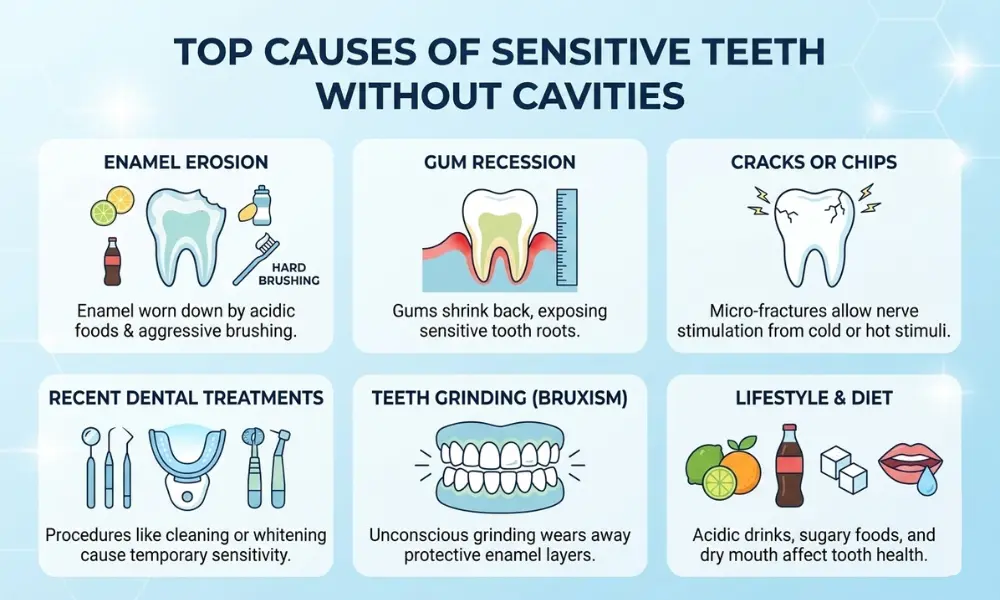
    • Gum recession exposing dentin
    • Microcracks in enamel caused by stress, grinding, or hard foods
    • Referred pain from the sinuses or jaw muscles

    Nearly 1 in 4 adults in the UAE experiences unexplained tooth pain at some point, yet many don’t realize it can indicate underlying issues. Recognizing these early signs is critical because untreated sensitivity, cracks, or gum issues may escalate into more serious problems.

    Understanding Sensitive Teeth and Enamel Wear 

    Ever take a sip of ice-cold water or bite into a crunchy snack and feel a sudden jolt in a tooth that looks perfectly healthy? That’s dentin hypersensitivity—one of the most common hidden causes of tooth pain.

    Quick Facts:

    • 12–33% of adults worldwide experience sensitive teeth. (PubMed)
    • In dental clinics, rates can reach 60% or more. (PMC)

    What’s happening: When enamel wears down or gums recede, the dentin layer is Signs you may have sensitive teeth:

    • Sharp pain from hot, cold, or sweet foods
    • Tingling when chewing
    • Discomfort near the gumline

    Why it matters: Even minor sensitivity can lead to cracks, infections, or gum disease if untreated. Early evaluation at the best dental clinic in Sharjah, like C Dental, can prevent bigger problems and protect your smile.

    The Invisible Causes Behind Tooth Pain

    The Invisible Causes Behind Tooth Pain

    Pain is your body’s way of signaling that something needs attention. In the mouth, that signal can come from many sources besides decay. Teeth are complex structures, and pain can arise from tiny cracks, nerve sensitivity, gum issues, or even nearby sinuses.

    Hairline Fractures: The Hidden Culprit

    Sometimes, a tooth has a small crack too fine to see on X-rays. These hairline fractures can cause sharp pain when chewing or biting down. You might notice discomfort that comes and goes or only when releasing a bite. Over time, untreated cracks can worsen, leading to infection or the need for more invasive procedures.

    Gum Disease: Pain Beyond the Tooth

    Gum health is closely tied to tooth sensation. Early gum disease, or gingivitis, can inflame the tissues around your teeth, causing dull aches and sensitivity. If it progresses to periodontitis, the gums may recede, exposing sensitive roots, creating more pain, and increasing the risk of tooth mobility.

    Symptoms to watch for include redness, swelling, bleeding, or persistent bad breath. Many patients in Sharjah only realize they have gum disease when pain becomes noticeable, which is why early diagnosis at a trusted dental clinic is crucial.

    Teeth Grinding: Hidden Strain

    Stress, late nights, and busy lifestyles—common factors for professionals and families in Sharjah—can lead to bruxism, or unconscious teeth grinding. Over time, this wears down enamel, causes microfractures, and strains the jaw, resulting in generalized tooth pain, jaw soreness, headaches, and increased sensitivity.

    A dentist can evaluate whether night guards or preventive interventions are needed to protect your teeth and restore comfort.

    Sinus Infections: When Tooth Pain Isn’t Dental

    Upper back teeth are located close to sinus cavities. Sinus infections can mimic dental pain, especially in the molars. The discomfort often worsens when bending forward and may be accompanied by nasal congestion, pressure around the cheeks, or a mild headache. Recognizing sinus-related toothache prevents unnecessary dental treatment and directs patients to the right care.

    Receding Gums and Tooth Sensitivity

    Gum recession exposes dentin, the sensitive layer of the tooth. This can make eating hot, cold, or sugary foods painful. Brushing aggressively or skipping regular check-ups may worsen sensitivity. Preventive care, including desensitizing toothpaste and regular professional cleaning, helps manage discomfort while addressing underlying gum health issues.

    Nerve and TMJ-Related Pain

    Sometimes the pain isn’t from the tooth itself but from nerves or jaw joint issues. Temporomandibular joint (TMJ) disorders can cause tooth-like pain, headaches, earaches, or jaw clicking. Dentists evaluate jaw function and muscle tension to distinguish between dental pain and TMJ problems, ensuring that treatment targets the correct source.

    Dental Abscesses and Infections

    Even without visible cavities, infections can develop in the pulp or surrounding tissues. Warning signs include persistent throbbing pain, swelling of the gums or face, pus, and sometimes fever. Dental abscesses require immediate attention. Early intervention can prevent serious complications, including tooth loss and systemic infection.

    How Dentists Diagnose Tooth Pain When Teeth Look Healthy

    At the best dental clinic in Sharjah, diagnosis goes far beyond a visual exam. Experienced dentists consider patterns of pain, triggers, and patient history. Diagnostic tools may include:

    • Digital X-rays to detect subtle fractures, infections, or bone changes
    • Bite tests to identify cracks or uneven pressure
    • Cold and percussion tests to assess nerve sensitivity
    • Gum pocket measurements for early periodontal disease
    • TMJ evaluation for jaw-related pain

    By combining expertise with advanced technology, clinics like C Dental can pinpoint the exact cause of discomfort, avoiding unnecessary procedures and preserving natural teeth whenever possible.

    Why Early Intervention Matters

    Many people ignore intermittent tooth pain, assuming it is minor or temporary. This is one of the most common mistakes. Untreated hairline fractures may deepen, infections can spread, and gum disease may worsen. Delays often lead to more invasive treatments such as root canals, surgical intervention, or extractions, increasing both cost and recovery time.

    Recognizing pain early and consulting the right dental professional can save your natural teeth and prevent complications.

     Lifestyle Factors That Can Worsen Tooth Pain

    Several aspects of daily life in Sharjah can contribute to hidden dental issues:

    • Air-conditioned environments dry out the mouth and can exacerbate sensitivity
    • Dietary habits like frequent tea, coffee, and acidic foods
    • Stress and long work hours, leading to bruxism
    • Delayed check-ups due to busy schedules

    By addressing these factors and visiting the right clinic, residents can prevent small problems from escalating.

    Treatment Options When There’s No Cavity

    Depending on the underlying cause, treatment may include:

    • Dental bonding or crowns for cracks
    • Deep cleaning and periodontal therapy for gum disease
    • Night guards to prevent damage from grinding
    • Root canal therapy for infections
    • Sinus infection treatment if the pain is referred
    • Fluoride or desensitizing treatments for sensitivity

    Each treatment is tailored to the patient’s specific needs, ensuring long-term relief and tooth preservation.

    Preventing Tooth Pain Before It Starts

    Prevention is always better than cure. Strategies include:

    • Avoiding chewing hard foods or objects like ice, pens, or hard sweets
    • Wearing a night guard if you grind your teeth at night
    • Using a mouthguard during contact sports
    • Maintaining excellent oral hygiene
    • Attending regular dental check-ups

    Preventive care reduces the risk of fractures, sensitivity, and gum disease—common causes of tooth pain without cavities.

    When to See the Cdental, the Best Dental Clinic in Sharjah

    Consult a dentist immediately if you experience:

    • Persistent, worsening pain
    • Swelling of the face, gums, or jaw
    • Fever or signs of infection
    • Pain that interferes with eating or sleeping

    Visiting the best dental clinic in Sharjah, like C Dental, ensures a thorough assessment, precise diagnosis, and effective treatment, protecting both your teeth and overall health.

    Frequently Asked Questions

    Q: Can a hairline fracture heal on its own?

    A: No. Teeth cannot repair themselves like bones. Professional intervention is required to prevent worsening damage.

    Q: Can stress cause tooth pain without a cavity?

    A: Yes. Bruxism caused by stress can lead to tooth sensitivity, microfractures, and jaw discomfort.

    Q: How do I know if my pain is serious?

    A: Severe, persistent, or swelling-associated pain requires urgent attention. Early diagnosis prevents complications.

    Q: Should I see a dentist if the pain comes and goes?

    A: Yes. Intermittent pain may indicate developing issues such as cracks or early gum disease. Early evaluation is crucial.

    Final Thoughts

    Tooth pain without a cavity is a common but often overlooked issue. It signals that something may be happening beneath the surface—whether it’s a hairline fracture, gum inflammation, grinding, sinus pressure, or nerve involvement.

    Ignoring this pain can lead to more serious problems. Early evaluation, accurate diagnosis, and appropriate treatment under an expert dental care, such as C Dental, can save your teeth, reduce discomfort, and prevent long-term complications.

    👉 Don’t wait until minor pain becomes a major problem. Book your consultation at C Dental today and protect your smile!

    Call to Action for C Dental

    Reference

    1. Why does my tooth hurt if I don’t have a cavity?– Smiles 4 Grant Park
    2. If you have a toothache, it’s not really a cavity.- Sabka Dentist
    3. Tooth Pain but No Cavity? Common Causes Explained– Dr Tatum Smiles
    4. Tooth Pain But No Cavity? Here’s What Could Be Going On KAA Dentals

    Please subscribe to our social channels for updates related to dental care and oral health.

    Instagram:  cdental2025
    Facebook:  CDental 
    YouTube: C-Dental Clinic
  • Silent Signs You May Need a Root Canal (Even Without Pain)

    Silent Signs You May Need a Root Canal (Even Without Pain)

    Most people believe a root canal is only needed when there is unbearable tooth pain. In reality, many serious tooth infections develop quietly—without obvious discomfort—until the damage becomes severe. At a trusted dental clinic in Al Nahda, Sharjah, dentists frequently see patients who delay treatment simply because “it didn’t hurt.”

    Understanding these silent warning signs can help you protect your natural tooth and avoid complex dental problems. If you’re unsure whether a symptom is serious, consulting an experienced dentist in Sharjah early can make all the difference. At C Dental Clinic Sharjah, early diagnosis is a key focus of preventive and restorative care.

    Expert Root Canal Care at C Dental Clinic Sharjah

    Why a Tooth May Need a Root Canal Without Pain

    A tooth can become infected even when pain is minimal or completely absent. This often happens when the nerve tissue (pulp) inside the tooth is slowly damaged. As the nerve weakens, pain signals may reduce—giving a false sense of security.

    Common causes include:

    • Deep tooth decay
    • Cracks or fractures in the tooth
    • Previous dental work that has failed
    • Long-standing bacterial infection

    Without timely root canal treatment, the infection can spread to surrounding bone and gums, leading to dental abscesses or tooth loss.

    Silent Warning Signs You Shouldn’t Ignore

    Silent Warning Signs You Shouldn’t Ignore

    1. Tooth Discoloration

    If one tooth appears darker, greyish, or dull compared to others, it may indicate dying pulp tissue. This internal damage often requires a root canal procedure, even if there’s no pain.

    2. Prolonged Sensitivity to Hot or Cold

    Lingering sensitivity—especially after the hot or cold source is removed—is a classic sign of nerve involvement. A dentist in Sharjah can determine whether this is enamel wear or deeper pulp infection.

    3. Swelling or Tenderness in the Gums

    Localized gum swelling, redness, or tenderness near a tooth may signal a hidden infection. Sometimes a small pimple-like bump (dental abscess) appears and drains pus, causing a bad taste.

    4. Persistent Bad Taste or Bad Breath

    An ongoing unpleasant taste or chronic bad breath that doesn’t improve with brushing may be caused by infection inside the tooth.

    5. Discomfort When Chewing or Applying Pressure

    Mild pain or pressure sensitivity while chewing can be an early indicator of inflammation around the tooth root—even without a constant toothache.

    6. A Tooth That Feels Loose

    Infection can weaken the bone supporting the tooth. If a tooth feels loose without trauma, prompt evaluation at a dental clinic in Al Nahda Sharjah is essential.

    7. Cracked or Chipped Tooth

    Even small cracks allow bacteria to enter the pulp. A cracked tooth may remain painless for months while infection develops silently.

    8. Previous Dental Work That Feels “Off”

    Old fillings or crowns that suddenly feel uncomfortable may indicate decay beneath them. In some cases, endodontic care is needed to save the tooth.

    When Should You See a Dentist?

    You should consult a dentist if:

    • Sensitivity lasts more than a few days
    • Gum swelling appears near a tooth
    • A tooth changes color
    • You feel pressure pain while chewing

    Early diagnosis through dental X-rays and pulp testing helps prevent infection from spreading and reduces treatment complexity.

    How Root Canal Diagnosis Works

    At C Dental Clinic Sharjah, diagnosing the need for a root canal involves:

    • Detailed clinical examination
    • Digital dental X-ray diagnosis
    • Hot/cold sensitivity testing
    • Gentle pressure tests

    These steps help determine whether the pulp is inflamed, infected, or already damaged beyond repair.

    Why Early Root Canal Treatment Matters

    Delaying treatment can lead to:

    • Spread of infection to jawbone
    • Formation of dental abscesses
    • Increased risk of tooth extraction
    • Longer recovery time

    Early root canal treatment removes infection, relieves inflammation, and preserves your natural tooth—often with faster healing and better long-term outcomes.

    Expert Root Canal Care at C Dental Clinic, Sharjah

    As a patient-focused dental clinic in Al Nahd,a Sharjah, C Dental Clinic Sharjah offers modern, painless root canal solutions using advanced techniques and technology. Our experienced team prioritizes comfort, precision, and long-term oral health.

    Whether you’re dealing with tooth sensitivity, gum swelling, or unexplained dental changes, our goal is to help you make informed decisions with confidence.

    Frequently Asked Questions

    Q: Can a tooth die without pain?

    A: Yes. A tooth can lose nerve vitality without causing pain, especially in slow-developing infections.

    Q: Is root canal treatment painful today?

    A: Modern anesthesia and techniques make root canals comparable to routine fillings.

    Q: How urgent is a painless tooth infection?

    A: Very. Silent infections can spread quickly once symptoms worsen.

    Conclusion: Don’t Wait for Pain to Act

    Pain is not the only indicator of serious dental problems. Silent signs like discoloration, sensitivity, or gum swelling may be your body’s early warning system. Visiting a trusted dentist in Sharjah at the right time can save your tooth and prevent complications.

    If you notice any of these symptoms, schedule a consultation at C Dental Clinic Sharjah, a leading dental clinic in Al Nahda Sharjah, and take a proactive step toward lasting oral health

    Call to Action for C Dental

    Reference

    1. 10 Signs You Need a Root Canal: Don’t Ignore These Symptoms– Teeth Care Multispeciality Dental Clinic
    2. How To Know If You Need A Root Canal – 5 Important Signs The Braces Point Dental Clinic
    3. Root Canal  Cleveland Clinic
    4. Signs You May Need a Root Canal– Smile Delhi Dental Clinic
    5. Importance of a Root Canal– Hiranandani Hospital

    Please subscribe to our social channels for updates related to dental care and oral health.

    Instagram:  cdental2025
    Facebook:  CDental 
    YouTube: C-Dental Clinic
  • Why Preventive Dental Care Is Crucial: UAE Insights & How Sharjah Residents Can Benefit

    Why Preventive Dental Care Is Crucial: UAE Insights & How Sharjah Residents Can Benefit

    When was the last time you visited a dentist purely to prevent problems rather than treat them? Or your child? If it’s been more than six months, you’re not alone. Many residents in Sharjah—and across the UAE—only consider dental visits when discomfort strikes.

    But what if most dental problems could have been avoided?

    Preventive dental care isn’t just about keeping your teeth clean. It’s about safeguarding your health, saving money, and avoiding unnecessary pain. It’s about giving your family—the children, the teens, and even you—the confidence of a healthy smile every day.

    Introduction – Preventive Dental Care and UAE Insights

    Sharjah residents face unique oral health challenges. Our diets often include sugar-rich snacks—from dates to sodas and sweetened coffee. Busy schedules, long school or university hours, and a fast-paced lifestyle sometimes make brushing and flossing a lower priority.

    Oral diseases are among the most common chronic health problems worldwide. According to WHO and CDC guidelines, preventive care is essential to reduce the risk of cavities, gum disease, and systemic health complications.

    Recent studies in the UAE highlight the urgency:

    • 54–65% of adolescents experience tooth decay.
    • Preschool children in some regions show decay rates as high as 82–94%.
    • Nearly 40% of total dental expenditures in Abu Dhabi go to preventable conditions like cavities and gum disease.

    These stats make it clear: preventive dental care isn’t optional—it’s essential.

    Preventive Dental Care

    What is Preventive Dental Care?

    Preventive dental care is the practice of protecting teeth and gums before problems occur.

    It includes:

    • Routine dental checkups
    • Professional teeth cleaning
    • Fluoride treatments and dental sealants
    • Daily home oral hygiene

    Early detection saves money and prevents pain. It ensures your teeth stay healthy and strong, and your gums remain resilient.

    Think about it—would you rather pay for a small cleaning or a root canal? Prevention always wins.

    Why Sharjah Residents Should Prioritize Preventive Care

    Sharjah’s lifestyle and diet make preventive care particularly important. Sugar-rich foods, caffeinated drinks, and late-night snacking increase the risk of cavities. Busy parents and students often overlook daily brushing and flossing.

    Awareness gaps also exist. Many adults and teens understand general oral hygiene but are unaware of how oral health affects overall well-being, including diabetes, heart health, and digestion.

    Benefits of prioritizing preventive Dental care in Sharjah:

    Benefits of prioritizing preventive care in Sharjah:

    • Avoid painful dental emergencies
    • Save money on costly treatments
    • Maintain long-term oral and overall health
    • Build confidence with a healthy smile

    Prevention is not just smart—it’s essential for families, students, and adults alike.

    Daily Dental Care Tips for Families in Sharjah

    Good habits at home complement professional care. Here’s how:

    • Brush twice daily using fluoride toothpaste
    • Floss once daily to remove plaque in hard-to-reach areas
    • Limit sugary snacks and drinks to reduce decay risk
    • Rinse after meals if brushing isn’t possible
    • Drink plenty of water to flush bacteria

    Children: make brushing fun and consistent.
    Teens: emphasize that oral health impacts confidence, social life, and academics.
    Adults: set an example; children learn from what they see.

    Even small, consistent actions can prevent cavities, gum disease, and future orthodontic problems.

    How Daily Habits and UAE Diet Affect Dental Health

    Oral health in Sharjah and across the UAE is shaped by everyday routines, cultural foods, and lifestyle patterns. Research shows that dental caries (tooth decay) is highly prevalent, with over half of school-age residents affected, and some studies report up to 85% of younger children showing signs of decay. Common lifestyle and dietary patterns contributing to dental problems include:

    • Frequent sugary foods and drinks – sweetened coffee, tea, juices, sodas, and desserts provide fuel for cavity-causing bacteria.
    • Regular snacking throughout the day – more frequent sugar exposure increases acid attacks on teeth.
    • Irregular brushing and flossing habits – even if brushing is done sometimes, gaps allow plaque and tartar to build up.
    • Infrequent dental checkups – many residents only visit a dentist when pain or visible issues appear.
    • Cultural treats and social habits – dates, sweets during gatherings, and sugar-laden beverages are common in daily life and celebrations.

    Key takeaway: Even if you brush daily, sugar frequency, inconsistent hygiene, and missed preventive checkups significantly increase dental risk. Adopting practical habits — reducing sugary snacks, brushing and flossing consistently, rinsing after acidic foods, and scheduling biannual dental visits — can help Sharjah residents protect teeth, gums, and overall oral health effectively.

    Regular Dental Checkups in Sharjah

    Many patients ask, “What happens during a preventive checkup?”

    Here’s what to expect:

    • Full dental exam: teeth, gums, bite, and oral tissues
    • Cleaning: removal of plaque and tartar
    • Fluoride application or sealants for children
    • Personalized guidance for age-specific care

    Checkups are recommended every six months, but your dentist may suggest a different frequency based on your oral health.

    Professional visits complement home care, helping detect issues early and maintain healthy teeth and gums.

    Debunking Common Myths About Preventive Dentistry

    Let’s address some misconceptions:

    • “No pain, no problem.” False. Gum disease and cavities can be silent for months.
    • “Only kids need checkups.” Incorrect. Adults benefit just as much.
    • “Fluoride is unsafe.” Safe when used correctly; strengthens enamel.
    • “Brushing alone is enough.” False. Flossing, cleaning, and checkups complete preventive care.

    Believing myths can cost you time, money, and your oral health. Prevention is smarter than treatment—always.

    Preventive Dental Care in the UAE: Key Data, Stats, and Insights for Healthy Teeth

    Data underscores the need for preventive care in the UAE:

    • High decay rates: 54–65% of adolescents, up to 94% in preschool children.
    • Financial impact: 40% of dental spending goes toward preventable conditions.
    • Awareness gaps: Adults often don’t understand systemic risks related to oral health.
    • Growing demand: Preventive dentistry is a key driver of the UAE dental market, with clinics increasingly offering tailored services.

    These insights show why residents, families, and students in Sharjah should adopt preventive dental routines.

    FAQs About Preventive Dental Care in Sharjah

    Q: How often should I visit a dentist in Sharjah?

    A: Every six months, or as recommended by your dentist.

    Q: Are preventive checkups really necessary for teens?

    A: Yes. Early habits prevent cavities, gum disease, and orthodontic issues.

    Q: Can preventive dental care save money?

    A: Absolutely. Avoid costly treatments like fillings, root canals, or crowns.

    Q: Is fluoride safe for children in Sharjah?

    A: Yes. Properly used, fluoride strengthens teeth and prevents decay.

    Q: What’s the best routine for daily dental care?

    A: Brush twice, floss once, limit sugar, rinse after meals, and schedule regular checkups.

    Conclusion: Protecting Smiles in Sharjah

    Preventive dental care is essential, not optional. It protects your family’s health, prevents pain, and ensures smiles stay healthy for life.

    In Sharjah, expert dental clinics provide guidance and professional services to make preventive care simple, accessible, and effective.

    Now is the time to act. Book your preventive dental checkup today and give your family the gift of healthy, confident smiles. Regular care today prevents discomfort tomorrow. Your teeth—and your family—deserve it.

    Book a Consultation

    References

    1. National survey of the oral health of 12- and 15-year-old schoolchildren in the United Arab Emirates– The World Health Organization (WHO)
    2. A systematic review and meta-analysis of primary teeth caries studies in the Gulf – National Library of Medicine
    3. Sugars and dental caries– The World Health Organization (WHO) 
    4. Oral health– The World Health Organization (WHO)
    5. Oral Health Country Profile– CDN.Who

    Please subscribe to our social channels for updates related to dental care and oral health.

    Instagram:  cdental2025
    Facebook:  CDental 
    YouTube: C-Dental Clinic
  • Why Gum Health Matters Before Dental Implants — And How Periodontal Therapy Helps

    Why Gum Health Matters Before Dental Implants — And How Periodontal Therapy Helps

    When most people think of dental implants, the focus tends to be on the implant post or the crown that replaces a missing tooth. But there’s something even more important than those components: your gum health. Healthy gums are the foundation upon which the success of dental implants rests. Without strong, disease‑free gum tissue, even the best implant can fail — and no one wants that after investing time, money, and hope into a new smile.

    In this article, we’ll explain why gum health matters, how it affects implant success, and what periodontal therapy (gum treatment) does to prepare your mouth for a lifetime of confident chewing and smiling.

    Dental Implants — More Than Just a Replacement Tooth

    Dental Implants — More Than Just a Replacement Tooth

    Dental implants are titanium posts that act like artificial tooth roots, anchoring a crown, bridge, or denture in place. They fuse with your jawbone in a process called osseointegration, forming a secure, long‑lasting foundation for artificial teeth.

    However, implants rely on more than just bone — they also rely on healthy gum tissue. The gums serve as a protective seal around the implant. If this seal is weak or infected, bacteria can enter, inflammation can occur, and the entire implant can be compromised. This means that gum health before dental implants isn’t optional — it’s essential to long‑term success.

    What Are Gum Problems — And Why They Matter

    When your gums are unhealthy, it’s usually because of gum disease — a progressive infection caused by plaque and bacteria. Gum disease begins as gingivitis (inflamed, tender gums) and can progress to periodontitis, where the infection spreads deeper, damaging the tissues and bone that support teeth (and future implants).

    Here’s what can happen if gum disease isn’t addressed before implant placement:

    • Impaired Osseointegration

    Inflamed gums interfere with your body’s ability to heal and integrate the implant into the bone. Successful osseointegration is key to implant stability.

    • Higher Infection Risk

    Periodontal bacteria don’t disappear when teeth are missing — they can invade the tissues around implants, causing peri‑implantitis, a destructive inflammation of the gums and bone.

    • Bone Loss Around Implants

    If gum disease progresses, it accelerates bone loss. Bone supports the implant, so losing bone weakens the entire structure.

    • Poor Aesthetics

    Gum recession can expose implant components or make the gumline look uneven, jeopardizing the natural look of your smile.

     Peri‑Implantitis — The “Gum Disease” of Implants

    Even after an implant is successfully placed, unhealthy gum tissue can cause serious problems. The bacterial infection that affects implants is called peri‑implantitis. It starts with inflammation of the gums around the implant (similar to gingivitis) and, if left untreated, destroys bone and soft tissue around the implant.

    Signs of peri‑implantitis include:

    • Red, swollen gums around the implant
    • Bleeding while brushing or flossing
    • Pus formation
    • Loosening of the implant

    Because implants don’t have periodontal ligaments like natural teeth, the implants are more susceptible to bacterial invasion when gum health is compromised.

    Periodontal Therapy — Preparing Your Gums for Implants

    Treating gum disease before implant placement is not just beneficial — it’s a standard of care recommended by dental professionals. The goal of periodontal therapy is to eliminate infection, restore healthy gum tissue, and create a stable environment where implants can thrive.

    Here’s how periodontal therapy prepares your mouth:

    • Comprehensive Gum Assessment

    Your dentist or periodontist measures gum pockets, checks for bleeding, and assesses bone levels. This creates a roadmap for treatment and ensures your gums are truly ready. Professional tools like periodontal charting help with accurate diagnosis.

    • Scaling and Root Planing (Deep Cleaning)

    This non‑surgical treatment removes plaque and tartar from below the gum line, helping reduce inflammation and allowing the gums to reattach to the tooth or implant site.

    • Periodontal Surgery or Pocket Reduction

    If deep periodontal pockets persist, surgery may be needed to clean infected areas thoroughly and reduce pocket depth.

    • Gum Grafting

    When gum tissue is thin or receded, grafting can strengthen the gum around a future implant site, reducing the risk of recession later. This creates a healthier, more protective gum contour around the implant.

    • Bone Grafting (when needed)

    If bone loss has occurred due to gum disease, bone grafting rebuilds support for the implant, creating a stronger foundation.

    • Healing and Re‑Evaluation

    Only once gum inflammation is controlled and tissue is stable does the implant surgery proceed — a staged approach proven to improve outcomes.

    The Benefits of Treating Gum Disease Before Implants

    The Benefits of Treating Gum Disease Before Implants

    Addressing gum health before implant surgery offers a range of benefits that go beyond just implant stability:

    • Stronger Implant Integration

    Healthy gums help your body focus on fusing the implant with bone, rather than fighting infection.

    • Reduced Risk of Peri‑Implantitis

    By eliminating gum inflammation first, you lower the chance that infection will affect your new implant.

    • Better Appearance and Gum Contours

    Well‑managed gums provide a natural frame around your implant, enhancing aesthetics.

    • Easier Long‑Term Maintenance

    Healthy gums are easier to clean and care for, reducing long‑term risk of biological complications.

    • Higher Overall Success Rates

    Data from multiple dental sources show that patients with healthy gums have significantly higher implant success and longevity compared to those with untreated periodontal issues.

    What You Can Do to Improve Gum Health

    Improving gum health doesn’t stop at the dentist’s office — it must continue at home:

    Daily Hygiene Habits

    • Brush twice daily with a soft toothbrush
    • Use interdental brushes or floss to clean between teeth and around implant sites (interdental cleaning helps prevent gum disease)

    Lifestyle Adjustments

    • Quit smoking (smoking slows healing and increases the risk of infection)
    • Manage conditions like diabetes that can compromise healing

    Regular Professional Care

    • Dental cleanings every 3–6 months
    • Periodontal maintenance checks

    These habits help create and maintain the gum health needed for implants to last for decades.

    Signs You Should See Your Dentist Before Implant Surgery

    Not all gum disease is obvious. Seeing a dental professional early helps catch problems before they escalate. Schedule an evaluation if you notice:

    • Bleeding while brushing or flossing
    • Red, swollen or tender gums
    • Gums pulling away from teeth
    • Bad breath that won’t go away
    • Pain or discomfort around teeth or gums

    Early treatment not only preserves gum health, but also ensures a smoother, safer implant journey.

    Life After Implants — More Gum Care

    Even after your dental implants are placed, gum health remains vital. Implants can develop peri‑implantitis — an inflammation similar to gum disease — if plaque and bacteria accumulate around the base.

    To protect your investment:

    • Maintain excellent oral hygiene every day
    • Keep regular dental appointments
    • Watch for any signs of inflammation around implants
    • Report any changes (bleeding, sensitivity, swelling) to your dentist promptly

    Ongoing care ensures your implants stay healthy and functioning for many years.

    Frequently Asked Questions About Gum Health & Dental Implants

    Q: Can I get dental implants if I currently have gum disease?

    A: Gum disease must usually be treated before placing dental implants. Active infection can interfere with healing and increase the risk of implant failure. Periodontal therapy helps create a healthy, stable foundation for successful implant placement.

    Q: Why does gum health matter so much before dental implant surgery?

    A: Healthy gums form a protective seal around the implant, reducing bacterial entry and inflammation. Strong, disease-free gums support healing and significantly improve long-term implant success.

    Q: What is periodontal therapy and how does it help before implants?

    A: Periodontal therapy treats gum infection and inflammation through deep cleaning, gum treatment, or surgical care if needed. It prepares the gums and supporting bone to safely support dental implants.

    Q: What are the risks of ignoring gum disease before getting dental implants?

    A: Untreated gum disease can lead to implant infection, bone loss, peri-implantitis, and even implant failure. Treating gum disease first greatly reduces these risks.

    Q: How can I keep my gums healthy after getting dental implants?

    A: Daily brushing and flossing, regular dental visits, professional cleanings, and avoiding smoking are essential. Ongoing gum care helps protect implants and ensures long-term success.

    Conclusion — Healthy Gums Build Strong Smiles

    Strong, disease‑free gums are the unsung heroes of dental implant success. Before any implant surgery, your gums must be evaluated, treated, and stabilized through periodontal therapy so that your body can support the new implant and protect it against bacterial invasion.

    Healthy gums don’t just help implants fuse properly — they protect your investment, preserve bone, enhance aesthetics, and improve long‑term outcomes. By working with skilled dental professionals and committing to excellent oral care, you give your implants the greatest chance of lasting a lifetime.

    Ready for dental implants? Start with your gum health — it’s the foundation of your smile.

    Call to Action

    References

    1. Dental Implant Procedures– American Academy of Periodontology  
    2. Dental Implant SurgeryMayo Clinic  
    3. Periodontal (Gum) Disease National Institute of Dental and Craniofacial Research 
    4. Guideline on treatment of peri-implant diseasesEuropean Federation of Periodontology
    5. The Importance of Gum Health in Dental Implant Success-Spring Hill Specialist Dental Centre

    Please subscribe to our social channels for updates related to dental care and oral health.

    Instagram:  cdental2025
    Facebook:  CDental 
    YouTube: C-Dental Clinic 
  • Cosmetic Dentistry for Misaligned Teeth Without Braces | C‑Dental Clinic, Sharjah

    Cosmetic Dentistry for Misaligned Teeth Without Braces | C‑Dental Clinic, Sharjah

    Can You Improve Misaligned Teeth Without Braces?

    Many adults and teens today want a straighter smile, but are hesitant about traditional braces — visible metal wires, dietary restrictions, and long treatment times can be deterrents. Fortunately, modern dental care offers effective alternatives that can improve the cosmetic appearance of slightly misaligned teeth without traditional metal braces. At C‑Dental Clinic in Al Nahda, Sharjah, we offer a range of cosmetic dentistry solutions designed to enhance the look of your smile while addressing mild to moderate misalignment issues — all delivered safely by experienced dental professionals.

    Important: These approaches improve appearance and alignment in selected cases. For severe functional misalignment or bite problems, traditional orthodontics may still be recommended.

    What Misaligned Teeth Really Mean

    Misaligned teeth — sometimes called malocclusion — occur when teeth are crooked, crowded, spaced, or rotated. They can affect appearance, chewing, and hygiene. Common types include:

    • Crowding: Teeth overlap due to lack of space
    • Spacing: Gaps between teeth
    • Rotation: Teeth turned slightly from their normal position
    • Minor bite irregularities: Mild overbite or underbite

    When misalignment is mild or primarily affects how a smile looks, cosmetic dentistry may be a valid option. If it affects chewing, jaw function, or speech, orthodontic evaluation (including braces or aligners) is often needed.

    Why People Prefer Non‑Brace Options

    Adults increasingly choose alternatives to traditional braces for reasons such as:

    • Discretion: Less visible or invisible options
    • Comfort: No metal wires or brackets irritating soft tissues
    • Lifestyle: Easier oral hygiene and flexibility
    • Speed: Cosmetic enhancements can produce visible improvements quickly
    • Confidence: A positive smile boost without wearing braces publicly

    Modern approaches, including clear aligners and cosmetic restorations, allow patients to achieve attractive results while maintaining comfort and aesthetic discretion. Cosmetic Dentistry Options for Misaligned Teeth

    These cosmetic solutions can improve how your teeth look and, in some cases, gradually enhance alignment — but each approach differs in purpose, outcomes, and suitability.

    Clear aligners used in cosmetic dentistry to gently correct misaligned teeth without braces

    1. Clear Aligners: Controlled Tooth Movement Without Brackets

    Clear aligners — such as Invisalign and other transparent systems — are among the most effective non‑brace options for actually moving teeth. Unlike veneers, they use gentle, continuous pressure to reposition teeth in mild to moderate cases.

    How They Work:

    • A series of custom trays are worn most of the day
    • Each tray makes small adjustments to tooth position
    • They are removable for eating and hygiene

    Benefits:

    • Nearly invisible
    • Comfortable with fewer irritations
    • Effective for mild to moderate alignment and crowding

    Limitations:

    • Require consistent daily wear to be effective
    • Not suitable for severe bite correction
    • Results vary with discipline and case complexity

    Clear aligners represent a true orthodontic movement strategy — they don’t just alter appearance; they reposition teeth gradually. 

    Porcelain veneers providing instant cosmetic alignment for a straighter, brighter smile

    2. Porcelain Veneers: Instant Cosmetic Alignment

    Porcelain veneers are thin, custom‑made shells bonded to the front surfaces of teeth. They do not move teeth, but they can dramatically improve the visual alignment and symmetry of a smile.

    Best For:

    • Slight crookedness
    • Minor gaps
    • Uneven or worn teeth
    • Color and shape improvement

    Advantages:

    • Immediate visual transformation
    • Customizable shape, color, and size
    • Durable and stain‑resistant

    Considerations:

    • Veneers do not correct tooth position or bite
    • Enamel preparation may be necessary, making this a semi‑permanent procedure
    • Suitable for cosmetic goals rather than functional alignment

    Veneers are ideal when aesthetics are the primary concern and misalignment is mild. 

    Dental bonding and contouring for quick cosmetic fixes to improve the shape and appearance of teeth

    3. Dental Bonding & Contouring: Quick Cosmetic Fixes

    For minor irregularities, dental bonding and contouring can improve the look of misaligned teeth without braces. 

    Bonding:

    • Tooth‑colored resin is sculpted and hardened on the tooth surface
    • Useful for closing small gaps and shaping edges

    Contouring (Enamel Shaping):

    • Small adjustments to tooth shape
    • Improves symmetry and visual alignment

    Best For:

    • Slight spacing or tiny imperfections
    • Patients wanting a fast, cost‑effective cosmetic touch‑up

    Limitations:

    • Does not move teeth
    • Less durable than veneers
    • Best for minor cosmetic concerns

    How to Choose the Right Approach

    Choosing the best option depends on your goals, dental health, and type of misalignment:

    • Appearance‑focused: Veneers or bonding improve looks quickly
    • Functional alignment: Clear aligners
    • Budget and time: Bonding or contouring may be more economical and faster

    Dentists can assess your smile and suggest the most appropriate plan based on oral health and your goals.

    What to Expect: Timeline & Results

    TreatmentTypical TimelineOutcome
    Clear AlignersSeveral months up to a yearGradual alignment
    VeneersA few visits over weeksImmediate cosmetic improvement
    Bonding/ContouringSingle visitQuick enhancement

    Results vary by individual and the severity of misalignment. Consultation and thorough examination ensure accurate expectations.

    Risks & Limitations You Should Know

    • Veneers are semi‑permanent and irreversible if the enamel needs removal.
    • Bonding may wear or stain over time.
    • Clear aligners require discipline for wear and care.
    • Cosmetic options don’t correct severe bite issues or functional alignment in most cases.

    Cost Considerations

    Treatment costs depend on complexity, materials, and the number of teeth treated. Typical ranges:

    • Clear aligners: Varies widely by plan and case
    • Porcelain veneers: Cost per tooth
    • Bonding/contouring: Generally more affordable

    A personalized consultation provides accurate estimates.

    Frequently Asked Questions

    Q: Can misaligned teeth be corrected without braces?

    A: Yes, using clear aligners can shift teeth in mild to moderate cases; veneers and bonding improve appearance. 

    Q: Are veneers a solution for crooked teeth?

    A: Veneers provide cosmetic alignment but do not physically move teeth. 

    Q: Do clear aligners hurt?

    A: Mild pressure or discomfort is common, but most find them more comfortable than traditional braces.

    Q: Are cosmetic corrections permanent?

    A: Veneers and bonding have longevity but may need replacement over time; aligner results can be maintained with retainers.

    Why Choose C‑Dental Clinic

    At C‑Dental Clinic, we combine decades of experience, personalized care, and the latest cosmetic dentistry technology to help you achieve your best smile. Our team assesses your needs meticulously, recommending the safest and most effective solution — whether that’s clear aligner therapy, veneers, or cosmetic bonding.

    With a strong record of patient satisfaction and an expert team, you’re in trusted hands for your dental transformation. If you are exploring ways to improve your smile without traditional braces, schedule a consultation at C‑Dental Clinic, Sharjah. Our experts will evaluate your alignment and suggest a customized treatment plan grounded in science and dental best practices.

    References

    1. The main options to straighten teeth: clear aligners like Invisalign vs braces and more– Gromeus
    2. Can Cosmetic Dentistry Help with Tooth Alignment Without Braces? – Bright Bitehub
    3. How to Straighten Teeth Without Braces– Dr. John Schmid, DDS
    4. What are Veneers and How Should You Care for Them?– Colgate
    5. Clear Aligners– American Association of Orthodontists
    6. How to Fix Teeth Without Braces: Complete Guide to Modern Alternatives– Snö Clinics

    Please subscribe to our social channels for updates related to dental care and oral health.

    Instagram:  cdental2025
    Facebook:  CDental 
    YouTube: C-Dental Clinic 
  • How Porcelain Veneers Can Transform Your Smile | C‑Dental Clinic Sharjah

    How Porcelain Veneers Can Transform Your Smile | C‑Dental Clinic Sharjah

    Introduction: Why Your Smile Matters

    Ever notice how some smiles instantly light up a room while others seem to shrink under self-consciousness? If chipped, stained, or misaligned teeth. At C‑Dental Clinic, one of the best dental clinics in Sharjah, can help. In just a few visits, you could enjoy a smile that looks completely natural, reflecting the real you.

    Your smile is more than just a facial expression—it’s a window into your confidence, personality, and overall well-being. A bright, balanced smile can quietly boost how you feel, influence first impressions, and make everyday interactions smoother, whether at work or in social settings.

    Why People Feel Self-Conscious About Their Smile

    • Discoloration or staining from coffee, tea, tobacco, or certain foods
    • Chips, cracks, or worn teeth due to accidents, grinding, or aging
    • Gaps or minor misalignments that affect smile symmetry

    At C‑Dental Clinic, we help patients achieve a natural, radiant, and confident smile using custom-made porcelain veneers, one of the most advanced and popular cosmetic dental solutions available today.

    What You’ll Learn in This Guide

    In this blog, we’ll cover:

    • What porcelain veneers are and how they work
    • The step-by-step veneer procedure
    • Cost, benefits, risks, and aftercare
    • Comparisons with other cosmetic dentistry options
    • Lifestyle tips for long-lasting results
    • Patient testimonials and real-world examples

    By the end, you’ll understand why porcelain veneers are a top choice for anyone seeking a lasting smile transformation.

    Close-up of teeth with porcelain veneers for a natural, bright, confident smile

    What Are Porcelain Veneers?

    Porcelain veneers are ultra-thin, custom-made shells that are bonded to the front surfaces of teeth to improve their appearance, shape, and color. Unlike dental crowns, which cover the entire tooth, veneers require minimal enamel removal, making them a less invasive cosmetic solution.

    Why porcelain?

    • Durable: With proper care, veneers can last 10–15 years or more
    • Natural look: Porcelain reflects light like real tooth enamel, making veneers virtually indistinguishable from natural teeth
    • Stain-resistant: Unlike natural teeth, porcelain resists stains from coffee, tea, red wine, and smoking
    • Custom-fit: Each veneer is tailored for a perfect alignment with your teeth and smile

    Common uses:

    • Correcting discoloration or staining that teeth whitening cannot fully fix
    • Closing small gaps between teeth
    • Repairing chipped, worn, or cracked teeth
    • Enhancing symmetry for an aesthetically balanced smile

    How Porcelain Veneers Transform Your Smile

    Porcelain veneers can dramatically improve the appearance of your smile with long-lasting results. Here’s how they make a difference:

    1. Look Natural

    The porcelain material mimics the color, translucency, and texture of natural teeth, so veneers blend seamlessly with your smile. Patients often report that their veneers look so natural that even close friends can’t tell the difference.

    2. Resistant to Stains

    Porcelain veneers are highly resistant to stains, which means your smile can stay bright and white for years. This is ideal for coffee or tea lovers, wine drinkers, and those seeking a low-maintenance solution for maintaining a dazzling smile.

    3. Custom Fit for Your Smile

    Every veneer is custom-designed to match your teeth, facial structure, and smile symmetry. Your dentist considers:

    • Tooth shape and size
    • Bite alignment
    • Overall facial features

    This ensures your new smile looks harmonious and naturally beautiful.

    4. Boosts Confidence

    A beautiful smile can significantly improve self-esteem, social interactions, and professional presence. Many patients feel more confident smiling freely, attending events, or taking professional photos after getting veneers.

    5. Quick Transformation

    Unlike orthodontic treatments, which can take months or years, veneers provide instant improvement in 2–3 visits. You can walk out with a transformed smile in a fraction of the time.

    6. Long-Lasting Results

    With proper care, porcelain veneers can last 10–15 years or longer, making them a worthwhile investment in your smile and confidence.

    Natural-looking porcelain veneers enhancing smile aesthetics"

    Step-by-Step Veneer Procedure at C‑Dental Clinic

    Understanding the procedure can reduce anxiety and help you prepare for treatment. Here’s what you can expect:

    1: Consultation & Smile Assessment

    • Comprehensive dental examination
    • Discussion of your goals and expectations
    • Shade selection and treatment planning
    • Digital smile simulation to preview your final look

    2: Preparing Your Teeth

    • A small layer of enamel is gently removed to ensure a proper fit
    • Local anesthesia ensures comfort
    • Careful preparation is essential for long-term durability and perfect aesthetics

    3: Impressions & Lab Work

    • Precise dental impressions are sent to a lab
    • Skilled technicians create custom veneers tailored for your teeth in color, shape, and size

    4: Temporary Veneers (if needed)

    • Temporary veneers may be applied to protect teeth and give a preview of the final results

    5: Placement of Permanent Veneers

    • Permanent veneers are bonded and adjusted for bite, comfort, and aesthetics
    • Your dentist ensures your smile is perfectly aligned and symmetrical

    Timeline: Most patients complete the procedure in 2–3 visits over 1–2 weeks.

    Porcelain Veneers vs Other Cosmetic Options

    FeaturePorcelain VeneersComposite VeneersTeeth Whitening / Bonding
    Lifespan10–15 years5–7 yearsShort-term
    Best ForStains, chips, gaps, minor misalignmentsMinor imperfectionsMinor discoloration or small chips
    ProsNatural look, stain-resistant, durable, boosts confidenceLess enamel removal, lower costQuick, minimally invasive
    ConsHigher cost, enamel removal requiredMore prone to stains, shorter lifespanCannot fix gaps or misalignment

    Cost of Porcelain Veneers in Sharjah

    The cost of veneers depends on:

    • Number of teeth treated
    • Type of porcelain used and lab work
    • Dentist’s expertise and clinic facilities

    While more expensive than composite veneers or whitening, porcelain veneers offer long-lasting results, natural aesthetics, and confidence.

    Tip: At C‑Dental Clinic, we provide transparent pricing and flexible payment plans to help patients achieve their dream smile.

    Benefits of Porcelain Veneers

    1. Dramatic Smile Improvement – Corrects discoloration, chips, gaps, and uneven teeth
    2. Stain Resistance – Keeps teeth bright for years
    3. Durable & Long-Lasting – 10–15 years with proper care
    4. Boost in Confidence – Enhances personal and professional presence
    5. Minimal Tooth Alteration – Preserves natural enamel
    6. Quick Transformation – Full smile makeover in weeks
    7. Custom-Fit – Tailored to each patient’s teeth and facial structure

    Risks and Limitations

    • Permanent enamel removal is required
    • Mild sensitivity may occur temporarily
    • Higher cost than composite or whitening treatments

    Note: C‑Dental Clinic ensures patients are fully informed and comfortable throughout the treatment process.

    Caring for Your Veneers

    Proper care ensures your veneers remain strong and beautiful:

    • Brush twice daily with a soft-bristle toothbrush
    • Floss daily to protect gums and teeth
    • Avoid biting hard objects like ice, pens, or fingernails
    • Limit excessive consumption of dark foods or drinks
    • Regular dental check-ups

    Lifestyle & Longevity Tips

    • Use non-abrasive toothpaste to avoid micro-scratches
    • Wear a night guard if you grind your teeth
    • Maintain routine dental hygiene for a long-lasting smile
    • Pair veneers with whitening or orthodontics for optimal aesthetic outcomes

    Patient Testimonials

    “I had done my tooth removal and veneers at Cdental clinic. Dr Binshidha had done a wonderful job. Well, neat atmosphere, Dr and staff very friendly. You can go for your veeners, they are doing a wonderful job. Thank you, Cdental team” – Naseef Nechi

    “Very good clinic and friendly doctor. I got ceramic veneers done, and I’m happy with the results.”- Sanaz Zarefar

    “I had discoloration and small gaps. Veneers completely changed my smile, and now I feel so confident at work and social events.”Fatima, Sharjah

    Cosmetic Dentistry Insights

    Porcelain veneers can be combined with:

    • Orthodontics to correct larger alignment issues
    • Teeth whitening for uniform brightness
    • Gum contouring or bonding for perfect symmetry

    Why it matters: A well-designed smile impacts psychology, social perception, and self-esteem, making veneers not just cosmetic, but transformational.

    Frequently Asked Questions (FAQ)

    Q: How long do veneers last?

    A: Typically 10–15 years with proper care.

    Q: Are porcelain veneers worth the cost?

    A: Yes, they provide a long-term solution for cosmetic enhancement and confidence.

    Q: Will veneers stain my teeth?

    A: Porcelain is stain-resistant, but avoid excessive dark foods and drinks.

    Q: Can veneers fix gaps or chips?

    A: Yes, ideal for minor gaps, chips, or worn teeth.

    Q: Are veneers reversible?

    A: No, enamel removal is permanent.

    Q: Do veneers need special care products?

    A: No, standard brushing and flossing are sufficient.

    Q: How do I know if I’m a candidate?

    A: Your dentist evaluates enamel, bite, and oral health for suitability.

    Why Choose C‑Dental Clinic in Sharjah

    • Experienced Dentists: Skilled in modern cosmetic dentistry
    • Customized Smile Design: Tailored to your teeth and facial features
    • Patient-Focused Care: Comfort and goals guide every step
    • Advanced Technology: Ensures precision, aesthetics, and durability

    Whether correcting minor imperfections or achieving a full smile makeover, our team delivers natural, long-lasting results.

    Conclusion: Take the First Step to Your Dream Smile

    A smile can change the way the world sees you—and the way you see yourself. At C‑Dental Clinic, porcelain veneers give you a natural, confident, and lasting smile. They cover chips, stains, gaps, and uneven teeth so your smile looks balanced and bright—without looking fake.

    Feeling good about your teeth isn’t just about looks. A beautiful smile boosts confidence, makes everyday conversations easier, and even helps in work and social settings. With porcelain veneers, you can smile freely, laugh without hesitation, and enjoy how your teeth look in photos.

    Ready to see the difference for yourself? Book a consultation today and experience how porcelain veneers can transform your smile—and your confidence. Because at C‑Dental, we don’t just create teeth—we create smiles people remember.

    References

    1. Enhance Your Smile with Dental Veneers– Family Dental Clinic
    2. The Truth of Porcelain Veneers Pros and Cons–  Glen Burnie Dental Group
    3. What to Know Before You Get Dental Veneers– Healthline
    4. Dental Veneers– WebMD
    5. Veneers– Cleveland Clinic

    Please subscribe to our social channels for updates related to dental care and oral health.

    Instagram:  cdental2025
    Facebook:  CDental 
    YouTube: C-Dental Clinic 
  • Laser Dental Treatment: A Pain-Free Approach to Modern Dentistry

    Laser Dental Treatment: A Pain-Free Approach to Modern Dentistry

    Do you postpone dental visits because you fear pain, injections, or long recovery times?
    Dental treatment no longer has to be uncomfortable or stressful. Advances in technology have transformed how dental procedures are performed, and laser dental treatment is one of the most significant developments in modern dentistry.

    At C-Dental Clinic in Sharjah, our expert dentists use advanced laser technology to perform precise, gentle procedures that minimize pain, bleeding, and the need for anesthesia. Laser dentistry promotes faster healing and delivers excellent results, making it ideal for gum treatments, cavity care, cosmetic procedures, and patients with dental anxiety. This quiet, stress-free approach helps patients achieve healthier, pain-free smiles with confidence.

    What Is Laser Dental Treatment?

    Laser dental treatment uses advanced, focused light energy to perform a wide range of dental procedures with high precision. Unlike traditional drills or surgical blades, laser dentistry allows dentists to treat teeth and gums accurately while preserving healthy tissue, resulting in a more comfortable dental experience.

    Laser dentistry is effective for both hard tissue procedures (teeth) and soft tissue procedures (gums), making it a versatile solution in modern dentistry. Because the treatment is minimally invasive, patients experience:

    • Less pain and discomfort
    • Reduced bleeding and swelling
    • Minimal need for anesthesia
    • Faster healing and recovery
    • Lower risk of infection

    For patients seeking pain-free dental treatment or struggling with dental anxiety, laser dentistry offers a calmer, quieter, and more controlled approach. At C-Dental Clinic, our dentists perform gum treatments, cavity care, cosmetic procedures, and periodontal therapies using advanced laser technology, giving patients a comfortable, modern dental experience they can rely on.”

    How Laser Dentistry Works

    The term LASER stands for Light Amplification by Stimulated Emission of Radiation. In dentistry, dentists focus this light into a very precise beam, allowing them to perform fine, targeted work.

    Dental lasers are broadly classified into:

    • Hard tissue lasers (YAG lasers) – used for tooth-related procedures
    • Soft tissue lasers (Diode lasers) – used for gum treatments

    The effectiveness of laser dentistry depends on the dentist’s ability to control:

    • Power output
    • Duration of exposure
    • Targeted treatment area

    This level of control allows treatment of specific tissues without damaging surrounding areas, which improves safety and healing.

    Why Laser Dental Treatment Is Considered Pain-Free

    One of the most common questions patients ask is: “Is laser dental treatment painful?” The reassuring answer is that, in most cases, laser dentistry causes far less discomfort than traditional dental methods.

    Why laser dental treatment is gentler:

    • No vibration or drilling noise – reduces stress and anxiety
    • Seals blood vessels as it works – minimizes bleeding
    • Often eliminates the need for sutures – simpler and cleaner healing
    • May reduce or remove the need for anesthesia – fewer injections and more comfort

    This makes laser dentistry an excellent option for patients seeking safe, gentle, and pain-free dental care.

    This makes laser dentistry an excellent option for anxious dental patients seeking safe and gentle treatment. Many patients at C-Dental Clinic choose laser procedures for this reason, reinforcing its reputation as a best dental clinic in Sharjah for pain-free dental care.

    Benefits of Laser Dental Treatment

    Benefits of Laser Dentistry

    Many patients feel anxious about dental visits because of pain, bleeding, or long recovery times. Laser dentistry changes all of that by making treatments gentler, faster, and more comfortable.

    Why patients love laser dental treatment:

    • Less pain and discomfort – no harsh drills or cutting, making visits much easier
    • Faster healing – you can get back to work, school, or daily life sooner
    • Protects healthy gums and teeth – treatment targets only the problem area
    • Lower risk of infection – the laser sterilizes as it works
    • Minimal bleeding – no messy procedures or long recovery
    • Fewer injections and stitches – less stress and a more comfortable experience

    For anyone who’s ever avoided the dentist out of fear, laser dentistry offers a gentle, safe, and modern solution. It’s designed to make dental care as comfortable and worry-free as possible, so you can focus on keeping your smile healthy.

    Common Procedures Using Laser Dental Treatment

    Dentists use laser dentistry to perform a wide range of dental treatments, including:

    Treating Tooth Hypersensitivity

    Laser energy seals exposed dentinal tubules, helping reduce sensitivity.

    Treating Tooth Decay

    Lasers can remove decayed areas while preserving healthy tooth structure.

    Treating Gum Disease

    Infected gum tissue is removed precisely, promoting faster healing.

    Teeth Whitening

    Lasers act as a heat source that enhances the effect of tooth-bleaching agents.

    At C-Dental Clinic in Sharjah, our dentists use advanced laser technology to deliver precise, comfortable treatments, making us a trusted choice for patients seeking modern, pain-free dental care.

    Is Laser Dental Treatment Safe?

    Laser dentistry is considered safe and effective when performed by trained dental professionals using appropriate equipment.

    Lasers allow dentists to work with:

    • High precision
    • Controlled energy delivery
    • Minimal tissue trauma

    At C-Dental Clinic, laser treatments follow strict clinical protocols to ensure patient safety and predictable outcomes.

    Healing and Recovery After Laser Dental Treatment

    Healing after laser dental treatment is usually faster compared to traditional methods. Patients often experience:

    • Less swelling
    • Minimal post-treatment discomfort
    • Quicker return to daily activities

    This shorter recovery time makes laser dentistry ideal for patients with busy schedules or heightened sensitivity.

    Why Laser Dentistry Represents Modern Dental Care

    Modern dentistry focuses on more than just treatment results. It prioritizes:

    • Patient comfort
    • Precision-based care
    • Minimally invasive techniques
    • Faster recovery

    Laser dental treatment reflects this shift toward advanced, patient-friendly dentistry. Clinics that adopt these technologies, such as C-Dental Clinic, naturally earn recognition as the best dental clinic in Sharjah for modern dental solutions.

    Related Laser Dental Services

    At C-Dental Clinic, we use laser dentistry to perform several specialized treatments, including:

    Each procedure is planned carefully to ensure comfort, safety, and long-term oral health.

    Why Patients Trust C-Dental Clinic

    • 5,000+ patients treated
    • 10+ years of clinical experience
    • 99% patient satisfaction
    • 1,500+ successful root canal treatments

    This combination of experience, technology, and patient-first care has made C-Dental Clinic a trusted choice and one of the best dental clinic in Sharjah for advanced dental treatments.

    Frequently Asked Questions About Laser Dental Treatment

    Q: What Is Laser Dental Treatment?

    A: Laser dental treatment is an advanced dental procedure that uses focused light energy to treat teeth and gums with high precision. It is commonly used for both soft-tissue and hard-tissue dental procedures, offering a more comfortable alternative to traditional drills and surgical tools.

    Q: Is Laser Dental Treatment Pain-Free?

    A: We use laser dentistry to treat a wide range of dental concerns, including gum disease, tooth sensitivity, cavities, gum reshaping, smile correction, teeth whitening, and procedures like frenectomy and gingivectomy. Advanced laser technology allows us to target problem areas precisely while protecting healthy tissue, ensuring minimal discomfort, less bleeding, and faster healing compared to traditional methods.

    Q: Is Laser Dentistry Safe for Dental Procedures?

    A: Yes, laser dentistry is safe and FDA-approved when performed by trained dental professionals. At C-Dental Clinic, one of the best dental clinics in Sharjah, laser treatments are carried out using controlled energy levels to ensure precision, safety, and effective results.

    Q: What Are the Benefits of Laser Dentistry Compared to Traditional Methods?

    A: Laser dentistry minimizes pain and discomfort, reduces bleeding and swelling, speeds up healing, and lowers the risk of infection by sterilizing the treated area. It often eliminates the need for sutures and anesthesia, creating a more comfortable experience. These benefits make C-Dental Clinic a trusted choice and one of the best dental clinics in Sharjah for advanced, patient-focused care.

    Q: Why Choose C-Dental Clinic for Laser Dental Treatment in Sharjah?

    A: C-Dental Clinic combines advanced laser technology with experienced dental specialists and patient-focused care. With a strong commitment to safety, precision, and comfort, C-Dental Clinic is widely recognized as one of the best dental clinics in Sharjah for modern laser dental treatments.

    Conclusion

    Laser dental treatment has revolutionized the way dental care is delivered. It provides a precise, effective, and virtually pain-free solution, making modern dentistry more comfortable and accessible than ever. For patients who value safety, minimal discomfort, and faster recovery, laser dentistry offers a truly stress-free alternative to traditional procedures.

    At C-Dental Clinic, we combine state-of-the-art laser technology with the expertise of experienced dental professionals to ensure every procedure is accurate, gentle, and tailored to each patient’s needs. From routine cavity treatment to advanced gum therapy and cosmetic procedures, laser dentistry allows us to treat patients with care, precision, and confidence.

    If you’ve been avoiding dental visits due to fear or discomfort, now is the perfect time to experience the difference. Book your consultation at C-Dental Clinic today and discover how laser dentistry can help you achieve a healthier, brighter smile—comfortably, safely, and confidently.

    References

    1. Laser technology in dentistry: Advancements, applications, and future trends– Dental Journal
    2. Pros and Cons of Laser DentistryLaser Dentistry
    3. 10 Advantages of Laser Dentistry Over Traditional Methods– American Family Dentistry
    4. The Use of Lasers in Dental Materials: A Review– MDPI
    5. Laser as an innovative tool, its implications and advances in dentistry– Science Direct

    Please subscribe to our social channels for updates related to dental care and oral health.

    Instagram:  cdental2025
    Facebook:  CDental 
    YouTube: C-Dental Clinic 
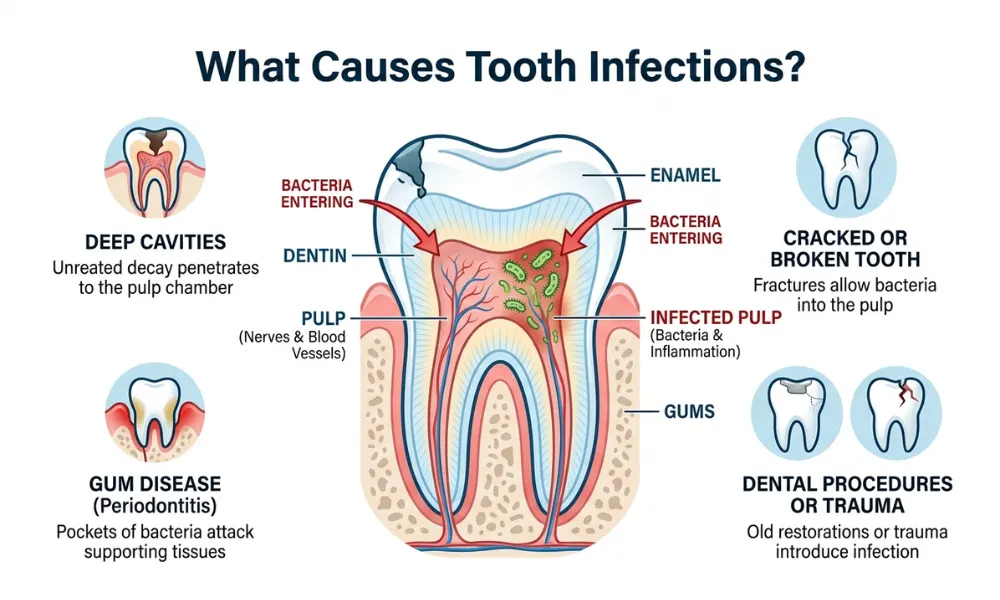
  • Cosmetic Dentistry in Sharjah | Smile Makeover & Teeth Whitening at C-Dental Clinic
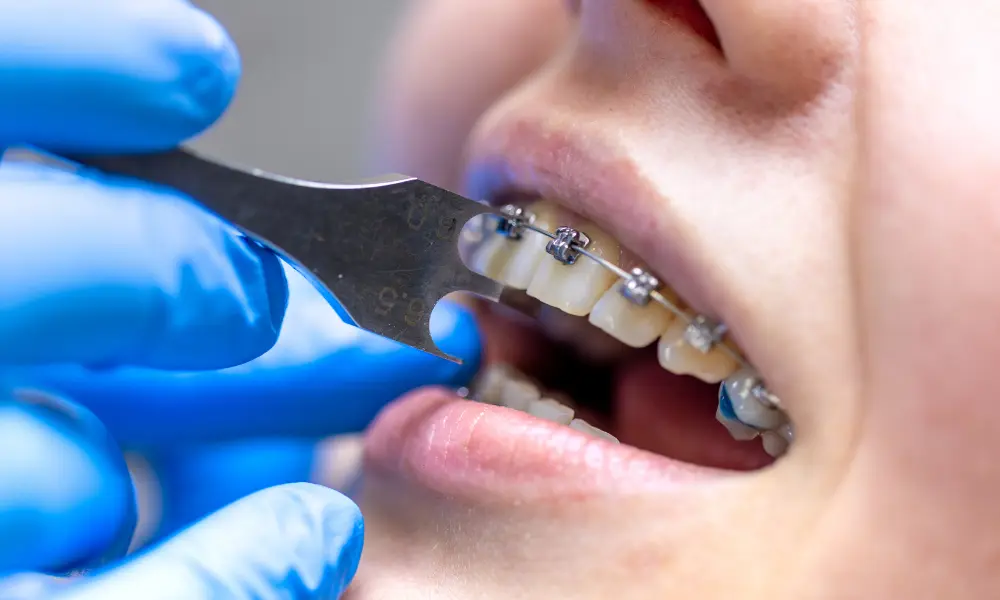
    Cosmetic Dentistry in Sharjah | Smile Makeover & Teeth Whitening at C-Dental Clinic
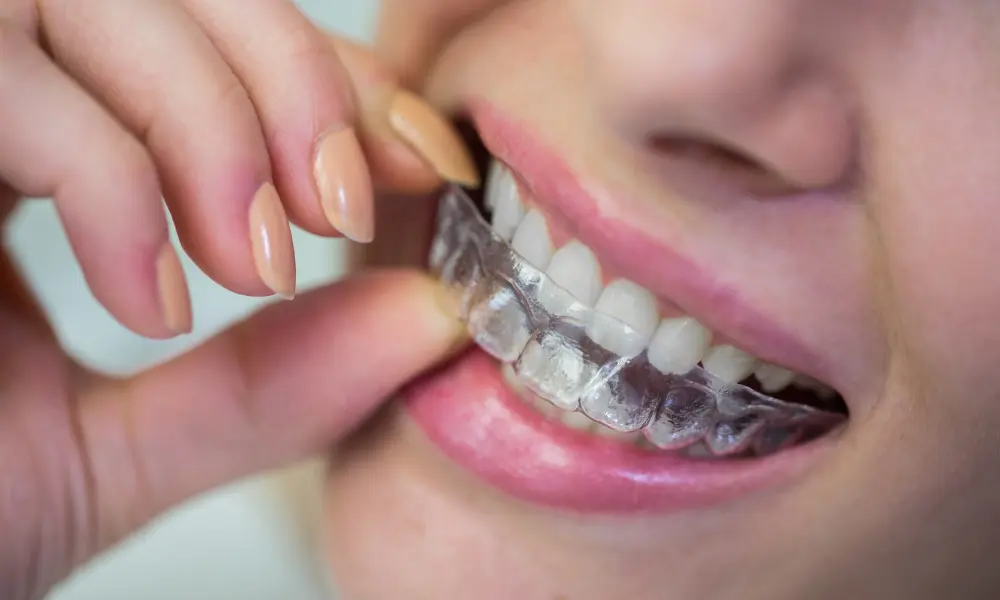
    Have you ever wished your smile could reflect your true confidence? Cosmetic dentistry at C-Dental Clinic in Sharjah transforms that wish into reality. We don’t just fix teeth—we enhance the harmony between your teeth, gums, and facial features. How? By combining clinical expertise, precise dental techniques, and artistic planning, we create results that look completely natural while protecting your long-term oral health.
    Every smile is unique. That’s why our modern cosmetic treatments follow proven principles of proportion, symmetry, and facial analysis. We design personalized treatment plans that consider your dental condition, facial structure, age, and lifestyle. Do you want a subtle enhancement or a full smile transformation? Whatever your goal, we ensure it fits you perfectly, giving you a smile that feels effortless and truly yours.

    Professional cosmetic dentistry in Sharjah showing a girl’s smile makeover and teeth whitening at C-Dental Clinic

    A Modern, Evidence-Based Approach to Cosmetic Dentistry

    Contemporary cosmetic dentistry has evolved significantly over the past decade. Today, leading dental clinics worldwide follow a minimally invasive philosophy, prioritizing preservation of natural tooth structure while achieving aesthetic excellence.

    At C-Dental Clinic, cosmetic dentistry is planned using:

    • Digital smile analysis
    • Clinical photography
    • Bite and occlusion evaluation
    • Periodontal health assessment
    • Facial and lip dynamics during speech and smiling

    This comprehensive approach ensures that cosmetic improvements are functional, stable, and biologically sound.

    The Science Behind an Attractive Smile

    An aesthetically pleasing smile is not defined by tooth whiteness alone. Dental literature and clinical guidelines identify several key elements that influence smile attractiveness:

    Tooth Proportion and Shape

    Ideal tooth proportions follow natural ratios that create visual balance. Teeth that are too short, too wide, or irregular can disrupt smile harmony.

    Tooth Color and Translucency

    Healthy teeth display natural translucency and depth, not an artificial white appearance. Cosmetic dentistry aims for natural brightness, not over-whitening.

    Alignment and Spacing

    Even minor misalignments or spacing can affect how a smile is perceived. Cosmetic alignment solutions are tailored based on bite and jaw position.

    Gum Architecture

    Healthy gums frame the teeth. Uneven gum lines, excessive gum display, or pigmentation can significantly affect aesthetics.

    Cosmetic dentistry addresses all these factors together—not in isolation.

    Comprehensive Cosmetic Dentistry Services at C-Dental Clinic, Sharjah

    Smile Makeover Dentistry

    A smile makeover is a customized, multi-procedure cosmetic treatment plan designed to address several aesthetic concerns simultaneously. Unlike single cosmetic procedures, a smile makeover considers the entire smile and facial structure.

    Smile makeover planning includes:

    • Smile line and lip position analysis
    • Tooth length and width correction
    • Gum symmetry enhancement
    • Shade selection customized to skin tone

    Treatments commonly included:

    • Porcelain veneers or Lumineers
    • Teeth whitening
    • Cosmetic bonding
    • Gum contouring
    • Aesthetic crowns

    The result is a balanced, natural-looking smile that complements facial expressions.

    Cosmetic teeth whitening treatment in Sharjah

    Professional Teeth Whitening in Sharjah

    Teeth discoloration can be caused by:

    • Dietary habits (coffee, tea, spices)
    • Tobacco use
    • Natural aging
    • Certain medications

    Professional whitening at C-Dental Clinic uses clinically approved whitening systems designed to:
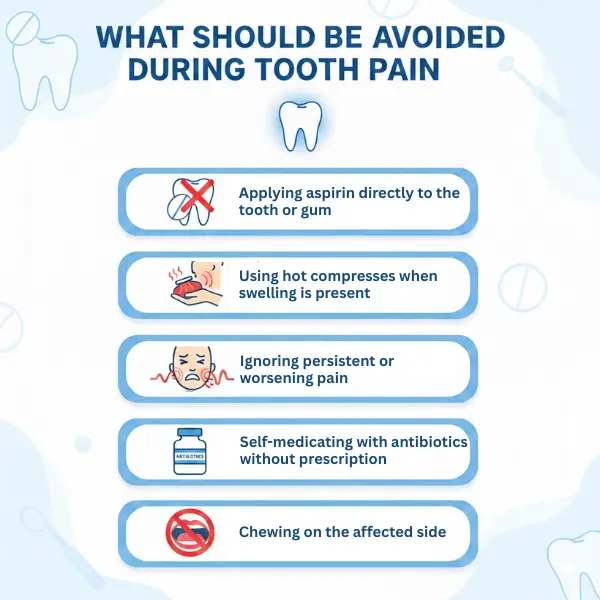
    • Penetrate deep stains
    • Maintain Strong Tooth Enamel
    • Minimize sensitivity
    • Deliver predictable shade improvement

    Unlike over-the-counter products, professional whitening is carefully controlled to ensure safety and consistency.

    Close-up of teeth showing porcelain veneers and Lumineers for smile enhancement and cosmetic dentistry

    Porcelain Veneers and Lumineers

    Porcelain veneers are among the most advanced cosmetic dentistry solutions available today. These ultra-thin restorations are custom-crafted to match natural teeth in color, translucency, and texture.

    Veneers are commonly used to correct:

    • Severe discoloration
    • Chipped or worn teeth
    • Gaps between teeth
    • Uneven or asymmetrical shapes

    At C-Dental Clinic, veneer preparation follows a conservative protocol, preserving as much natural enamel as possible.

    Aesthetic Gum Treatments and Gum Contouring

    Gum aesthetics play a crucial role in smile appearance. Modern cosmetic periodontics focuses on reshaping gum tissue to enhance tooth proportions and symmetry.

    Laser-assisted gum contouring offers:

    • Precise tissue reshaping
    • Reduced bleeding
    • Faster healing
    • Improved comfort

    This treatment is especially effective for patients with a “gummy smile” or uneven gum margins.

    Cosmetic Bonding and Tooth-Colored Restorations

    Cosmetic dentistry actively enhances your smile using minimally invasive techniques, such as tooth-colored composite bonding, to correct minor imperfections. It effectively treats:

    • Small chips or cracks
    • Minor gaps
    • Irregular tooth edges
    • Replacement of metal fillings

    Additionally, bonding immediately improves aesthetics, giving patients a natural-looking smile without extensive dental procedures.

    Integration of Cosmetic and Restorative Dentistry

    High-quality cosmetic dentistry always respects functional dentistry principles. Bite alignment, jaw position, and chewing forces must be considered before aesthetic changes are made.

    At C-Dental Clinic, cosmetic treatments are integrated with:

    • Occlusal analysis
    • Restorative planning
    • Periodontal health evaluation

    This ensures that cosmetic results are comfortable, stable, and long-lasting.

    Who Benefits Most from Cosmetic Dentistry?

    Cosmetic dentistry is suitable for individuals who:

    • Are dissatisfied with the appearance of their smile appearance
    • Have healthy teeth and gums or are willing to treat underlying issues
    • Seek long-term aesthetic improvement
    • Value natural-looking results

    A comprehensive consultation allows the dentist to evaluate suitability and recommend the safest options.

    Safety, Standards, and Clinical Protocols

    Cosmetic dentistry at C-Dental Clinic adheres to:

    • International infection control standards
    • Evidence-based treatment guidelines
    • High-quality dental materials
    • Digital diagnostics and imaging

    Every procedure is planned with patient safety, comfort, and long-term outcomes in mind.

    Longevity and Maintenance of Cosmetic Dental Treatments

    The lifespan of cosmetic dental treatments depends on:

    • Type of procedure
    • Oral hygiene habits
    • Diet and lifestyle
    • Regular dental check-ups

    With proper care, many cosmetic treatments can last 10–15 years or longer.

    Maintenance includes:

    • Professional cleanings
    • Night guards (if recommended)
    • Avoiding excessive force on teeth
    • Periodic evaluations

    Cost Considerations for Cosmetic Dentistry in Sharjah

    Cosmetic dentistry costs vary depending on:

    • Treatment complexity
    • Dental products
    • Number of teeth involved
    • Clinical time required

    At C-Dental Clinic, consultations focus on education and transparency, ensuring patients understand all available options before proceeding.

    Why Choose C-Dental Clinic for Cosmetic Dentistry in Sharjah?

    • Experienced cosmetic dental professionals
    • Patient-centered treatment planning
    • Advanced diagnostic and treatment technology
    • Strong emphasis on natural aesthetics
    • Proven clinical experience and patient trust

    Our philosophy is to enhance smiles without over-treatment, respecting both beauty and biology.

    Frequently Asked Questions (FAQs)

    Q: How long do cosmetic dental treatments last?

    A: Longevity varies by procedure, but many cosmetic treatments provide long-term results when properly maintained.

    Q: Will cosmetic dentistry affect my bite?

    A: All cosmetic treatments are planned with bite stability in mind to ensure comfort and function.

    Q: Is cosmetic dentistry suitable for older adults

    A: Yes. Cosmetic dentistry is suitable for adults of all ages, provided oral health is stable.

    Q: Can cosmetic dentistry improve gum appearance?

    A: Yes. Gum contouring and aesthetic periodontal treatments can significantly enhance smile balance

    Q: Are cosmetic treatments reversible?

    A: Some treatments are reversible, while others are long-term. This is discussed in detail during consultation.

    Conclusion: Trusted Cosmetic Dentistry in Sharjah at C-Dental Clinic

    Cosmetic dentistry is more than enhancing the appearance of teeth—it is about creating a smile that reflects confidence, balance, and long-term oral health. With advancements in modern dental technology and aesthetic techniques, cosmetic dental treatments today are safer, more precise, and more natural-looking than ever before

    If you are considering cosmetic dentistry in Sharjah, a professional consultation is the first step toward a confident and healthy smile. A well-designed smile not only improves appearance—it enhances self-confidence, comfort, and quality of life.

    👉 Book your consultation at C-Dental Clinic today and take the first step toward your ideal smile.

    References

    1. Cosmetic Dentistry: Transforming Your Smile with Modern Techniques– Rufe Snow Dental Group
    2. Top Cosmetic Dentistry Trends in 2025- Woodbridge Smile Centre
    3. Evaluation of Smile Aesthetics in Dental Students: Perceptions of Tooth– MDP
    4. 8 Ways to Improve Your Smile Makeover–  Svetlana Dental and Esthetic Center
    5. Smile Makeover Trends in 2025: What’s Hot in Cosmetic Dentistry?– Opusdental Specialities.

    Please subscribe to our social channels for updates related to dental care and oral health.

    Instagram:  cdental2025
    Facebook:  CDental 
    YouTube: C-Dental Clinic