
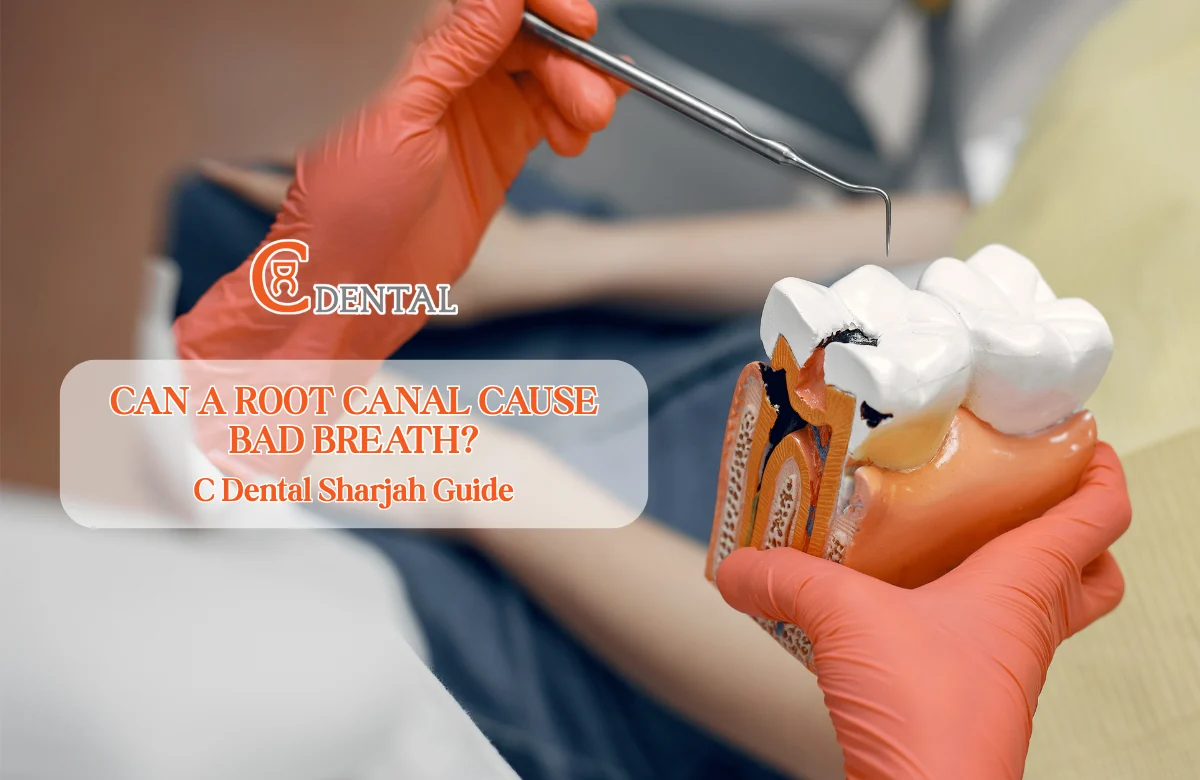
You’ve probably heard that a root canal treatment can be a lifesaver for a tooth that’s badly decayed or infected. But many patients still ask an important and valid question: Can a root canal cause bad breath?
Bad breath—clinically known as halitosis—can be uncomfortable, embarrassing, and frustrating, especially when it appears after a dental procedure meant to improve oral health. While halitosis is often linked to poor oral hygiene, food habits, or gum disease, it can sometimes occur after dental treatments such as root canal therapy.
With thousands of root canal procedures performed every day across the UAE, understanding what’s normal, what’s temporary, and when to seek help is essential. This comprehensive guide from C Dental Sharjah explains the real connection between root canal treatments and bad breath, backed by dental science and practical aftercare advice.
Key Takeaways
- A root canal is designed to eliminate infection and improve oral health, not cause long-term bad breath.
- Temporary bad breath after a root canal can occur due to healing-related factors.
- Persistent halitosis may indicate incomplete treatment or post-procedure infection.
- Proper post-root canal care dramatically reduces breath issues.
- Expert treatment and follow-up care at C Dental Sharjah help prevent complications.
Understanding the Connection Between Root Canals and Bad Breath
To understand why bad breath may occur after a root canal, it’s important to first understand what the procedure involves and how oral bacteria behave during healing.
What Happens During a Root Canal Procedure
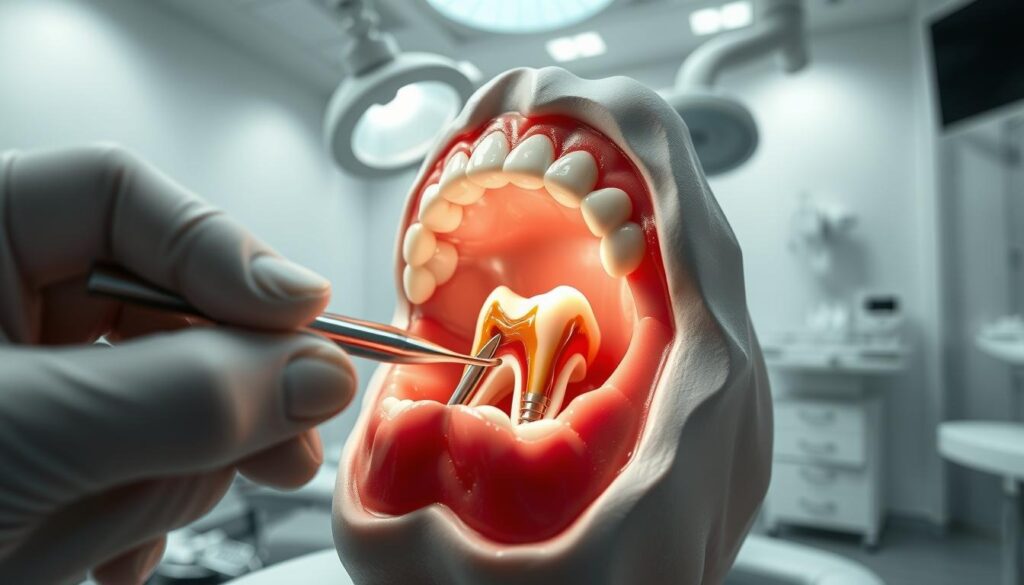
A root canal treatment removes infected or inflamed pulp tissue from inside the tooth while preserving the natural tooth structure. The procedure typically includes:
- Administering local anesthesia to numb the area
- Creating a small opening to access the pulp chamber
- Removing infected or damaged pulp tissue
- Cleaning, disinfecting, and shaping the root canals
- Sealing the canals with gutta-percha to prevent reinfection
- Restoring the tooth with a filling or crown
When performed thoroughly and under proper sterilization, a root canal eliminates infection, which is one of the main causes of chronic bad breath.
How Dental Procedures Can Affect Your Breath
Dental procedures can temporarily alter your oral environment. After a root canal, you may experience:
- Temporary dryness due to anesthesia or medications
- Minor inflammation during healing
- Short-term changes in oral bacteria balance
Saliva plays a crucial role in controlling odor-causing bacteria. Any reduction in saliva flow—known as xerostomia—can allow bacteria to multiply and release odor-causing compounds.
5 Ways a Root Canal Can Cause Bad Breath (Temporarily)
While root canal treatment itself does not cause chronic halitosis, several short-term factors may contribute to bad breath after a root canal.
1. Bacterial Growth During Recovery
After treatment, the surrounding tissues need time to heal. During this period:
- Bacteria may temporarily increase
- Volatile sulfur compounds (VSCs) may form
- Inadequate cleaning can worsen odor
Maintaining strict oral hygiene is essential during recovery.
2. Temporary Dry Mouth After Treatment
Dry mouth is a common short-term side effect caused by:
- Local anesthesia
- Pain medications
- Reduced fluid intake
Saliva naturally neutralizes bacteria, so reduced saliva can contribute to root canal halitosis.
3. Medication Side Effects
Post-treatment medications such as:
- Antibiotics
- Pain relievers
may alter your oral microbiome or reduce saliva flow, indirectly contributing to bad breath.
4. Incomplete Root Canal Treatment
If microscopic bacteria remain due to:
- Missed canals
- Complex root anatomy
- Inadequate sealing
Infection may persist and cause long-term bad breath after a root canal.
5. Post-Procedure Infections
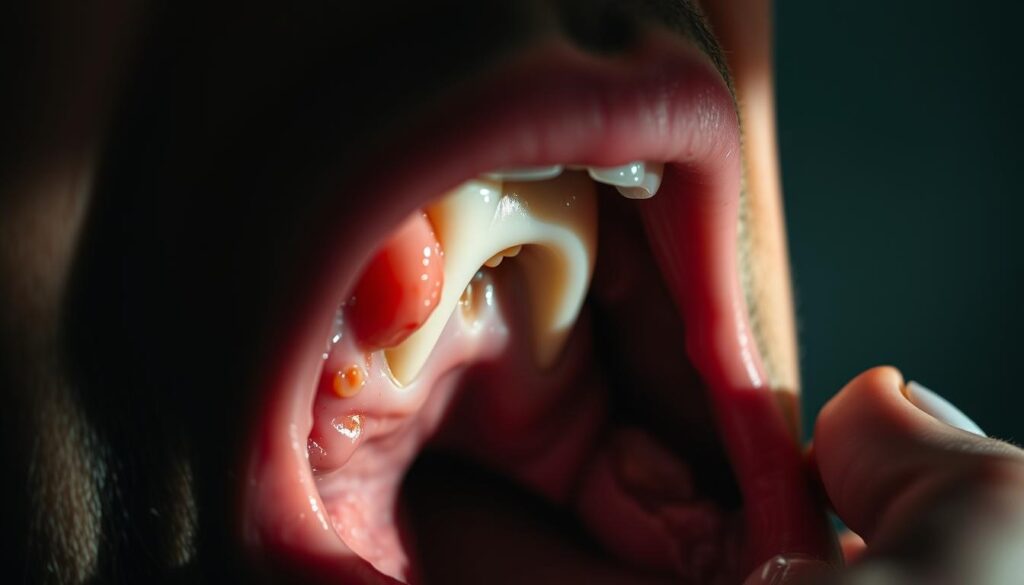
Although uncommon, reinfection can occur if bacteria re-enter the tooth or surrounding tissues, leading to:
- Persistent foul taste
- Swelling or discomfort
- Ongoing halitosis
Normal vs. Abnormal Bad Breath After a Root Canal
Normal Healing Timeline
- First 24–48 hours: Mild odor or metallic taste may occur
- 3–5 days: Breath should steadily improve
- 7–10 days: Breath returns to normal for most patients
Warning Signs That Require Immediate Attention
Seek dental care if you experience:
- Bad breath lasting longer than 7–10 days
- Increasing pain or swelling
- Fever or malaise
- Persistent foul taste or discharge
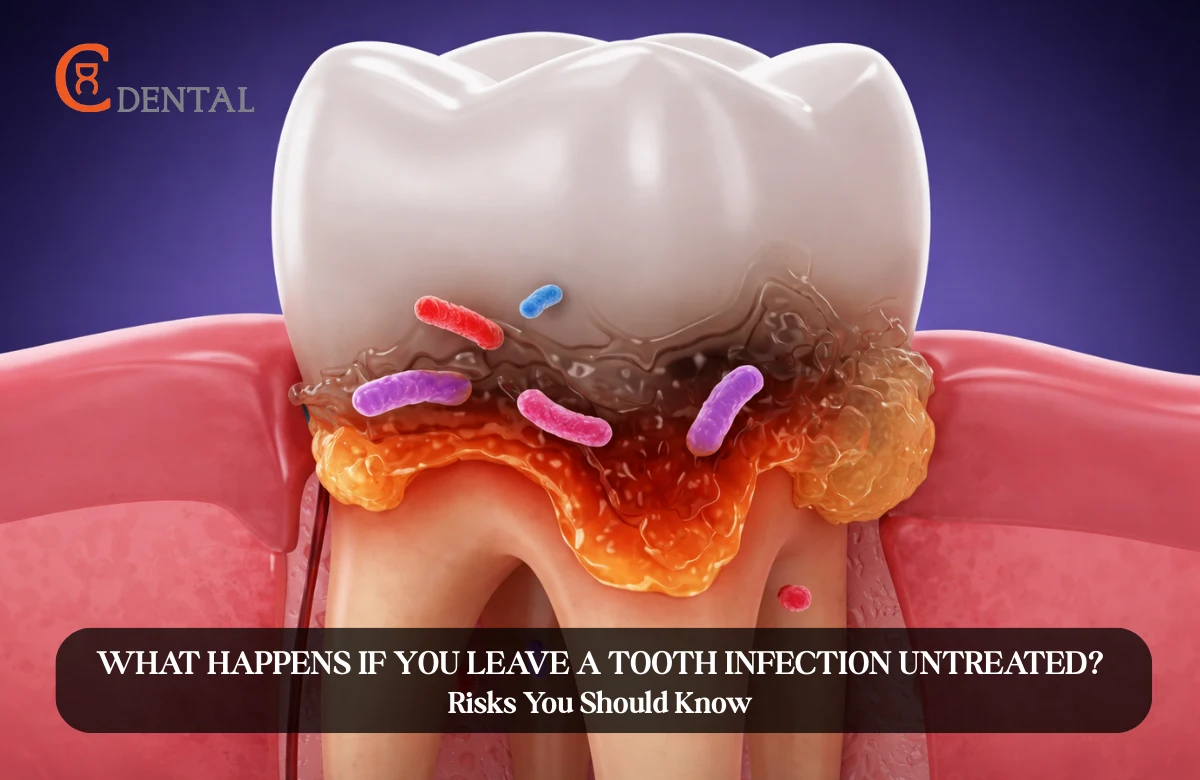
The Science Behind Oral Bacteria and Root Canal Infections
Dental infections often involve complex bacterial communities.
Common Bacteria Found in Infected Root Canals
| Bacteria | Characteristics | Clinical Impact |
| Enterococcus faecalis | Highly resistant | Persistent reinfection |
| Streptococcus species | Common oral bacteria | Inflammation and odor |
| Peptostreptococcus | Anaerobic | Produces sulfur compounds |
How Bacteria Cause Bad Breath
These bacteria break down proteins and release volatile sulfur compounds (VSCs), responsible for the unpleasant odor associated with halitosis.
7 Effective Solutions for Bad Breath After a Root Canal
1. Maintain Excellent Oral Hygiene
- Brush twice daily with fluoride toothpaste
- Floss carefully around the treated tooth
2. Use Dentist-Recommended Mouthwashes
Antibacterial rinses help control bacterial growth during healing.
3. Adjust Your Diet
Avoid strong-smelling foods and choose crunchy fruits and vegetables to stimulate saliva.
4. Stay Well Hydrated
Adequate hydration supports saliva production and natural cleansing.
5. Use Sugar-Free Gum or Lozenges
Helps stimulate saliva without feeding bacteria.
6. Attend Follow-Up Appointments
Your dentist can ensure the root canal has healed properly.
7. Address Underlying Gum Issues
Periodontal health plays a major role in breath freshness.
Can a Root Canal Cause Bad Breath That Lasts for Months?
Persistent halitosis after root canal treatment is not normal and usually indicates an unresolved issue.
Common Long-Term Causes
- Incomplete root canal treatment
- Undiagnosed gum disease
- Chronic dry mouth
- Post-treatment reinfection
When to Seek Follow-Up Care
If bad breath persists beyond a few weeks, a professional evaluation is essential to prevent further complications.
Prevention Tips: Reducing Bad Breath Risk Before Your Root Canal
- Brush and floss thoroughly before treatment
- Use antibacterial mouthwash
- Avoid smoking and alcohol
- Discuss medical history with your dentist
C Dental Sharjah’s Approach to Preventing Post-Root Canal Halitosis
Advanced Sterilization Protocols
C Dental Sharjah follows international sterilization standards to eliminate bacterial contamination.
Personalized Aftercare Instructions
Each patient receives tailored guidance for recovery, hygiene, and diet.
Ongoing Monitoring and Follow-Up
Regular check-ups ensure early detection of any post-treatment issues.
Common Myths About Root Canals and Bad Breath
Myth: Root canals cause chronic bad breath
Fact: Properly performed root canals eliminate infection—the real cause of halitosis.
Myth: Bad breath after treatment is permanent
Fact: It is usually temporary and preventable.
Frequently Asked Questions (FAQ)
Q: Can a root canal cause bad breath?
A: Yes, but usually temporarily. Proper aftercare minimizes the risk.
Q: How long does bad breath last after a root canal?
A: Typically a few days to one week.
Q: Is persistent bad breath a sign of infection?
A: It can be and should be evaluated by a dentist.
Q: Can breath fresheners solve the problem?
A: They mask odor but do not treat the underlying cause.
Conclusion
A root canal treatment is a safe, effective way to eliminate dental infection and preserve your natural tooth. While bad breath after a root canal can occur temporarily, it is usually linked to healing-related factors and resolves with proper care.
Persistent halitosis is not normal and should always be evaluated by a dental professional. With advanced techniques, strict sterilization, and personalized aftercare, C Dental Sharjah ensures your treatment leads to lasting oral health—and a confident, fresh smile.
References
- American Dental Association (ADA) – Clinical explanations on root canal therapy, causes of halitosis, and post-procedure care.
- Science Direct –Association of Odor from Infected Root Canal Analyzed by an Electronic Nose with Isolated Bacteria.
- Implant Center of Miami – Can a root canal cause bad breath? Discover the link between root canals and halitosis.
- Mayo Clinic – Medical overviews on halitosis, dry mouth (xerostomia), and medication-related oral side effects.
- Hockey Smiles Dental –Does a Root Canal Cause Bad Breath?
Please subscribe to our social channels for updates related to dental care and oral health.
Instagram: cdental2025
Facebook: CDental
YouTube: C-Dental Clinic


Leave a Reply