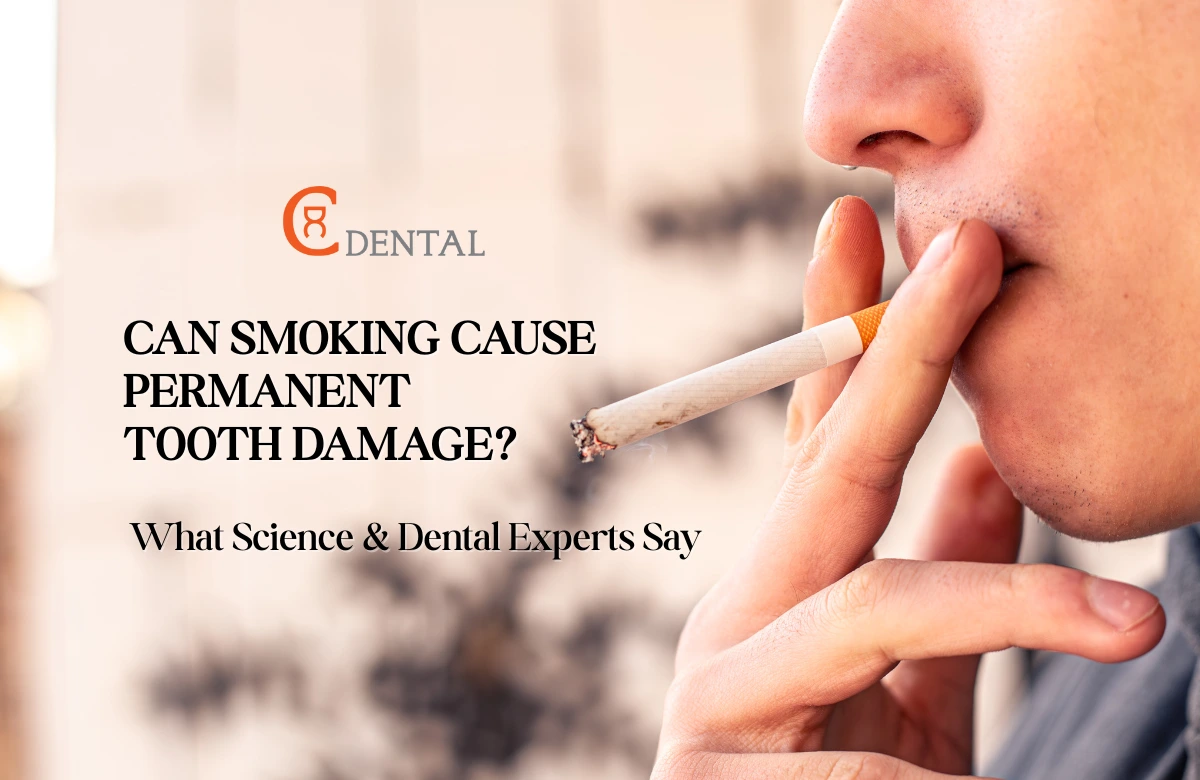
Smoking doesn’t just stain your teeth — have you ever wondered what it does beneath the surface? Beyond yellowing enamel, it attacks your gums, weakens the jawbone, and silently erodes oral health over time. Can your smile truly recover once these changes set in? Dental research shows that many effects are permanent, making prevention and early action absolutely critical. At C Dental Clinic, the best dentist in Sharjah often emphasizes that early diagnosis and professional care are critical to limiting the permanent oral damage caused by smoking.
Understanding the Deep Impact of Tobacco on Oral Health
Smoking is one of the most common habits worldwide — but its effects go far beyond smelly breath and yellow teeth. Smoking and tobacco use can cause irreversible damage to your teeth, gums, jawbone, and even your risk of oral cancer. Many people focus only on cosmetic issues, but science shows that tobacco affects nearly every aspect of oral health and often leads to long‑term, lasting consequences.
In this in‑depth article, we explain how smoking impacts oral tissues, why the damage can be permanent, and what dental experts and research say about protecting your smile.
1. How Tobacco Harms Your Mouth: An Overview
Tobacco products — including cigarettes, cigars, hookah, and smokeless tobacco — contain thousands of toxic chemicals. These substances affect oral tissues at multiple levels:
- They reduce saliva flow, increasing decay risk.
- They weaken the immune response, making infections worse.
- They disrupt blood flow to the gums, slowing healing.
- They promote harmful bacteria, fueling gum disease.
- They drive cancer‑causing changes in oral cells.
This multi‑layered assault means that smoking doesn’t just stain teeth — it alters the biology of your mouth in ways that can become permanent or very difficult to reverse.
2. Tooth Decay and Saliva: Why Smoking Increases Cavities
Saliva is your mouth’s first line of defense against tooth decay. It washes away food particles, buffers acids, and delivers minerals that help repair enamel. Smoking and tobacco use reduce saliva production, leading to dry mouth — a major factor in tooth decay. HeadStart.gov
A dry mouth means:
- More bacteria: Without saliva, plaque and harmful bacteria grow faster.
- Greater acidity: Acidic conditions break down enamel.
- Poor early repair: Small enamel damage doesn’t get repaired as effectively.
Over time, these changes lead to deeper, progressive cavities that require fillings, crowns, or even extractions. Once enamel is lost and cavities progress into dentin and pulp, thus regular care at C Dental, a trusted dental clinic in Sharjah, helps protect your smile and prevent long-term damage.
3. Gum Disease: The Gateway to Tooth Loss
One of the most significant and long‑lasting effects of smoking is on the gums — the tissues that hold your teeth in place. Smoking increases the risk and severity of periodontal (gum) disease — a chronic infection that destroys both gum tissue and the underlying bone that supports teeth. PubMed+1
How Smoking Affects Gum Health
- Reduced blood flow: Nicotine constricts blood vessels, lowering oxygen and nutrient delivery to gum tissues.
- Weakened immune defense: Smoking impairs the gums’ ability to fight bacteria.
- Delayed healing: Smokers’ gum tissues heal more slowly after injury or dental work.
- More aggressive bacterial invasion: Pathogenic bacteria thrive in the altered oral environment. PubMed
Why This Leads to Permanent Problems
As gum disease progresses, the gums recede and periodontal pockets deepen. Over time, the bone that anchors your teeth — the alveolar bone — erodes. Once lost, this bone does not regenerate naturally, even if gum inflammation improves. Severe bone loss ultimately causes teeth to loosen and fall out. Gum recession and bone destruction are among the forms of permanent oral damage from smoking.
4. Tooth Discoloration: More Than Cosmetic
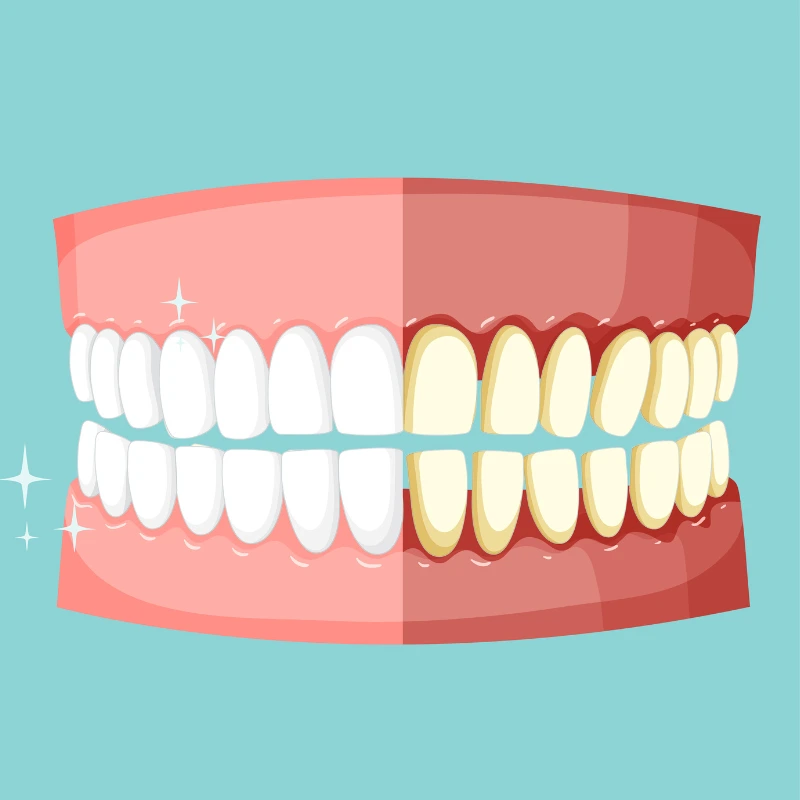
Many people first notice the effects of smoking via tooth staining. Nicotine and tar adhere to enamel and dentin, causing yellow or brown discoloration. While professional cleaning can help, these stains often penetrate enamel over time and require cosmetic procedures (bleaching or veneers) to fully correct. Dental Health
Think of staining not just as a cosmetic problem, but as an early signal of chemical deposition and surface damage from tobacco, roadmapping years of exposure.
5. Tobacco Products and Physical Tooth Wear
Smokeless tobacco (chewing tobacco, snuff, gutka) has its own set of risks. Users often place tobacco in specific areas of the mouth, which leads to:
- Constant abrasion: Coarse particles can wear down enamel.
- Sugar exposure: Flavored additives promote decay.
- Localized recession: Gum tissue wears away, exposing roots.
- High tooth loss: Epidemiological evidence shows tobacco chewers have significantly more tooth loss than non‑users.
This physical wear and exposure of sensitive root surfaces often results in permanent sensitivity, increased decay, and even structural damage.
6. Dental Implants & Healing: Smoking Reduces Success
Whether replacing a missing tooth with an implant or needing surgery after decay, smoking compromises oral healing. Smoking impairs blood circulation and immune function, which means:
- Implant integration into the jawbone is less successful.
- Post‑operative healing is slower and less predictable.
- The risk of complications such as dry socket after extraction increases. WebMD
In some cases, smokers may face failed implants or need additional corrective surgeries, meaning the damage extends beyond natural teeth.
7. Oral Cancer: One of the Most Serious Permanent Consequences
Smoking is one of the leading risk factors for oral cancer, affecting the lips, tongue, cheeks, gums, and throat. Long‑term tobacco exposure leads to DNA damage and cell mutations in oral epithelial tissues.
According to clinical research, smokers have significantly higher rates of oral and oropharyngeal cancers compared to non‑smokers. It’s not just cigarettes — cigars, hookah, and smokeless tobacco also contribute to risk.
Oral cancers often require extensive surgery, radiation, or chemotherapy. These treatments may involve removing tissue, part of the jawbone, or entire tooth structures, resulting in permanent changes in oral anatomy and function.
8. Dry Mouth, Bad Breath & Sensory Changes
Smoking also affects oral function in ways many people overlook:
- Dry mouth (xerostomia): Smoking reduces saliva that protects teeth and gums.
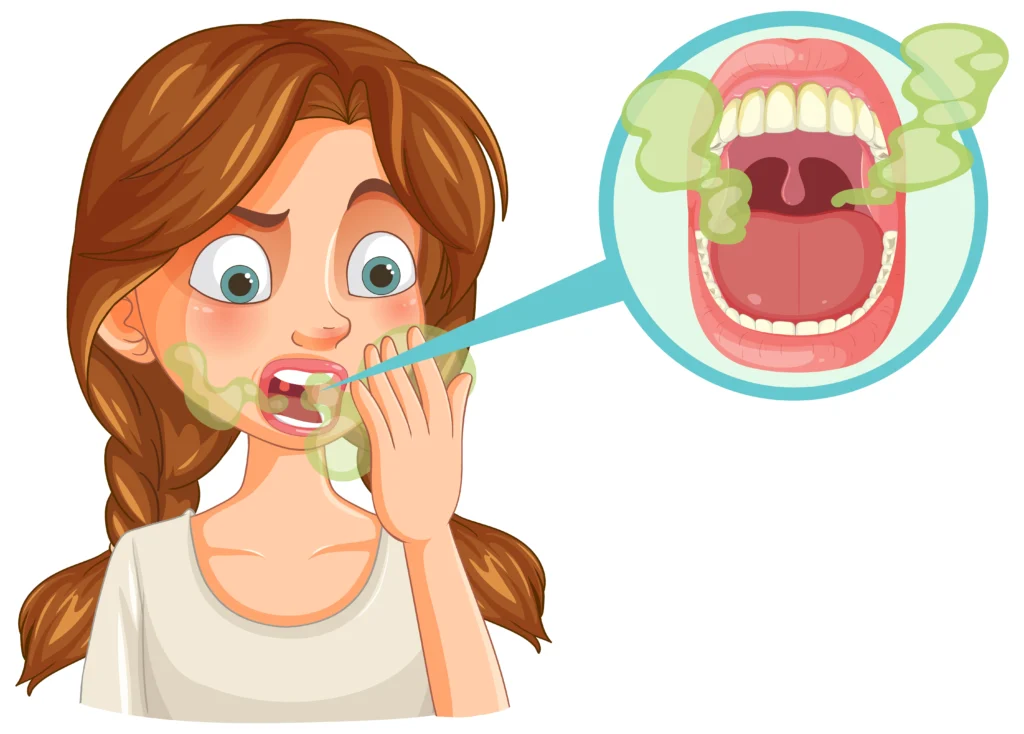
- Bad breath (halitosis): Residual smoke compounds and bacterial overgrowth cause persistent odor.
- Taste and smell reduction: Smokers often report diminished taste enjoyment. HeadStart.gov
While not all of these are “permanent,” they often persist for years and significantly impact daily life and quality of eating and communication.
9. Passive Smoking: It’s Not Just Active Smokers at Risk
Even if you don’t smoke, exposure to secondhand smoke can quietly affect your oral health. Research shows that non-smokers in tobacco environments face higher risks of gum disease, cavities, and oral cancer than those not exposed. At C Dental, a leading dental clinic in Sharjah, we encourage patients to stay vigilant with regular check-ups, helping to detect early signs of damage and maintain a healthy smile — even for those who don’t smoke.. Evidence shows passive smokers have elevated oral health risk levels, reinforcing that tobacco exposure itself — even without smoking — harms oral tissues. PubMed
10. Quitting Smoking: What Improves and What Doesn’t
The good news is that quitting smoking reduces ongoing risk of many of these conditions:
- Gum disease progression can slow.
- Oral cancer risk decreases over time.
- Healing improves post‑dental treatment.
- Bad breath and discoloration may lessen. U.S. Food and Drug Administration
However, some damage is permanent:
- Bone loss from periodontal disease
- Deep enamel erosion
- Long‑standing gum recession
- Structural changes in the jaw and teeth
- Oral cancer surgeries
These often require professional treatment such as bone grafting, periodontal surgery, restoration, or prosthetics.
FAQs: Common Questions About Smoking & Tooth Damage
A: Yes. Smoking increases the risk of gum disease and bone loss, which are leading causes of tooth loosening and loss.
A: Vaping may still harm oral tissues and disrupt the oral microbiome, increasing susceptibility to infections and gum problems, though research is still evolving.
A: Tobacco staining often requires professional dental cleaning or cosmetic treatment to fully remove; brushing alone usually isn’t enough
A: Yes. Tobacco use greatly increases the risk of oral cancers in the lips, tongue, and mouth. Quitting reduces risk over time, but past damage may persist.
A: Quitting protects against further progression, but lost gum and bone tissue do not regenerate without dental intervention.
Conclusion: The Deep Reality of Smoking and Oral Health
Smoking and tobacco use are more than bad habits — they are a major dental health risk with consequences that are often long‑lasting or permanent. From increased cavities, gum disease, and bone loss to cosmetic staining and oral cancer, the evidence is clear: tobacco significantly damages the oral ecosystem.
The first step toward protecting your smile is awareness. Regular dental care, reducing tobacco use, and quitting smoking can prevent ongoing harm and allow many aspects of oral health to improve. If significant damage has already occurred, dental professionals can help with targeted treatments to restore function and aesthetics.
Don’t wait until damage becomes permanent — 👉 book your appointment at C Dental, a trusted dental clinic in Sharjah, today and get expert care to restore, protect, and maintain a healthy, confident smile.
References
- How Tobacco Use Affects Oral Health– U.S. Food and Drug Administration
- Effects of tobacco product use on oral health and the role of oral healthcare providers in cessation– National Library of Medicine
- Influence of Smoking on Periodontal and Implant Therapy– MDPI
- Cigarette smoking and periodontal diseases: etiology and management of disease– National Library of Medicine
- Effect of tobacco on periodontal disease and oral cancer– National Library of Medicine
Please subscribe to our social channels for updates related to dental care and oral health.
Instagram: cdental2025
Facebook: CDental
YouTube: C-Dental Clinic

Leave a Reply