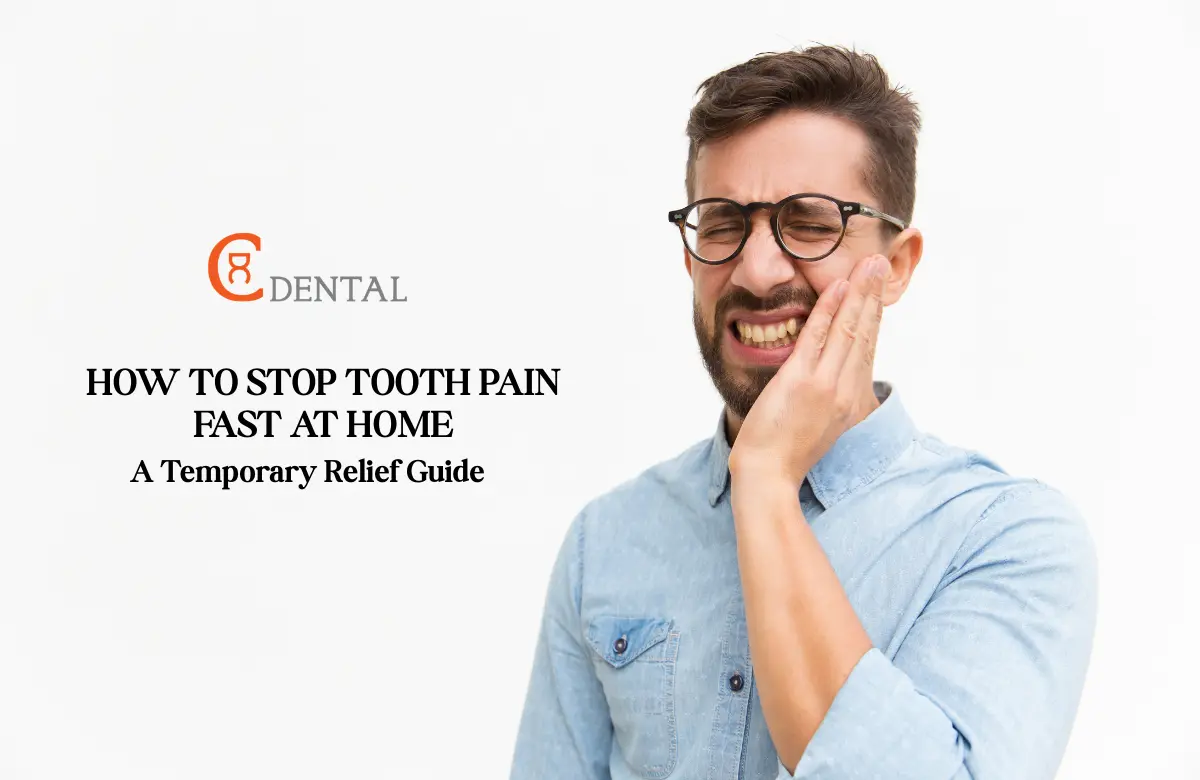
Tooth pain can range from mild discomfort to severe, throbbing pain that interferes with sleep, eating, and daily activities. While home remedies may offer short-term relief, they do not treat the underlying cause. If you are experiencing persistent or severe discomfort, it is important to understand both what you can do immediately and when to seek professional dental care.
This guide provides medically sound, temporary solutions for tooth pain relief at home, along with guidance on when to consult a qualified dentist in Sharjah for definitive treatment.

Why Tooth Pain Occurs and Why It Should Not Be Ignored?
Tooth pain is typically a symptom of an underlying dental condition. Common causes include dental decay, infection, gum inflammation, cracked teeth, and impacted wisdom teeth. When bacteria penetrate the enamel and reach the inner pulp of the tooth, inflammation develops around the nerve, leading to pain.
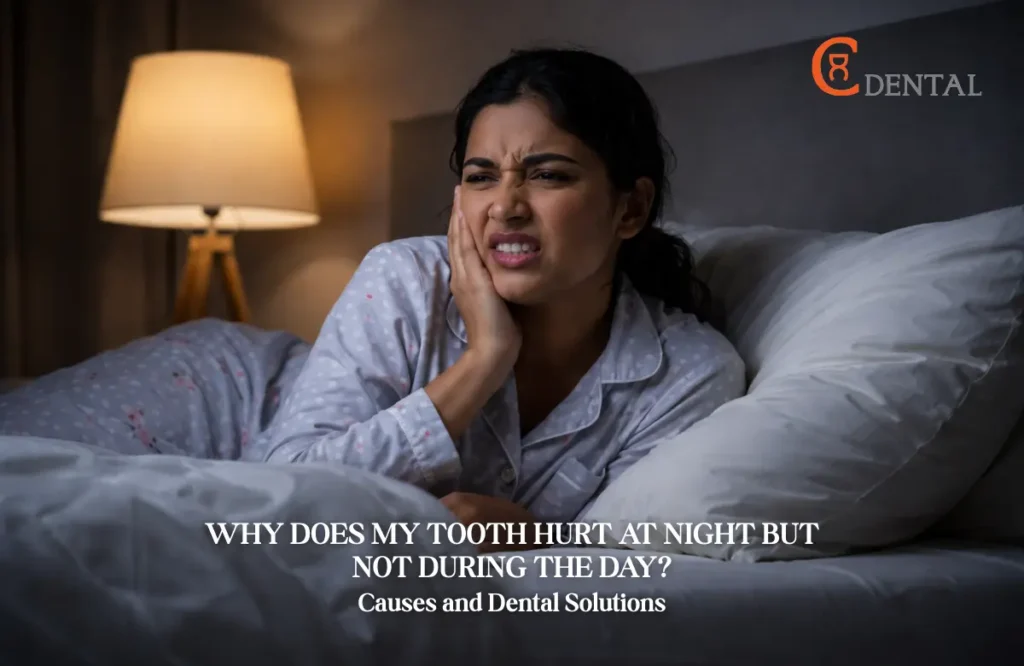
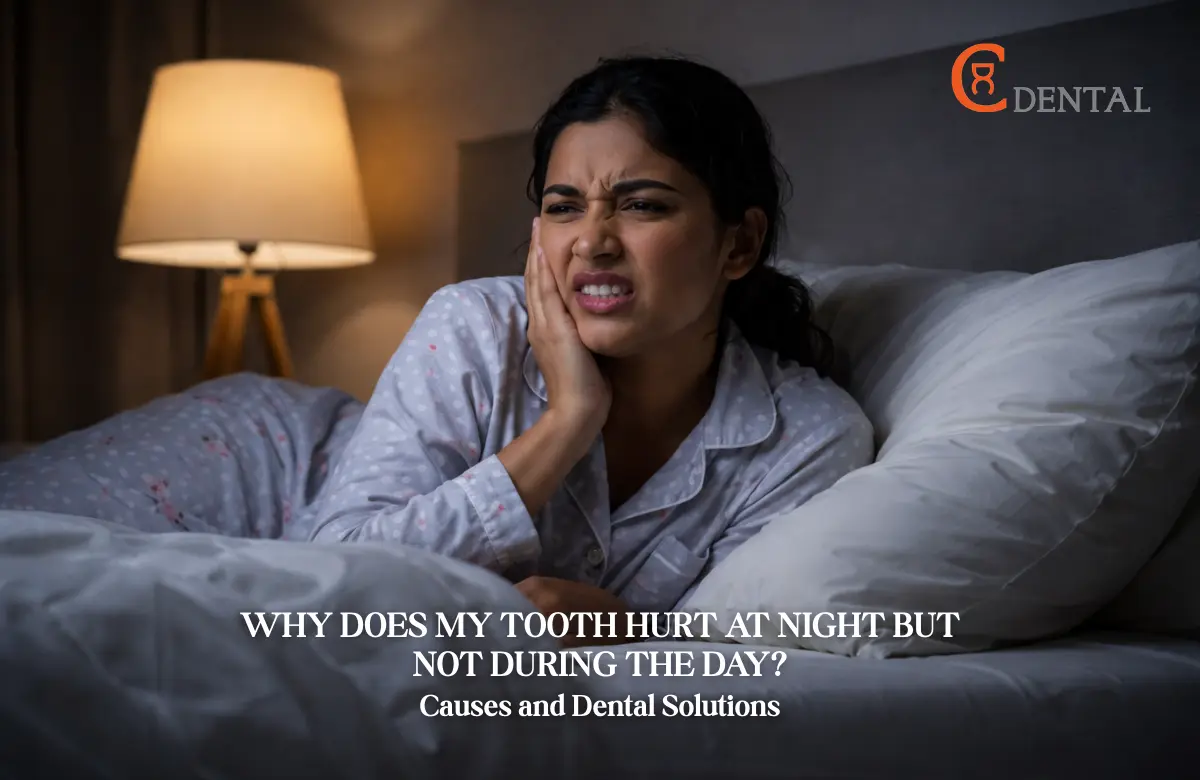
Pain that worsens at night is common due to increased blood flow to the head when lying down, which intensifies pressure within the tooth. While symptoms may temporarily subside, untreated dental issues tend to progress. Early diagnosis significantly increases the likelihood of preserving the natural tooth and avoiding complex procedures.
How to Stop Tooth Pain Quickly at Home?(Temporary Measures)
Tooth pain can be uncomfortable, but several home remedies can provide short-term relief. These methods reduce inflammation and discomfort but do not treat underlying infections or structural damage.
Salt Water Rinse
Rinse your mouth with warm salt water (½ teaspoon salt in a glass of water) for 30 seconds. It helps reduce bacteria and soothes irritated gums.
Cold Compress
Apply a cold compress to the cheek for 15 minutes at a time to reduce swelling and numb pain. Avoid heat if swelling is present.
Clove Oil
Apply a small amount of clove oil with a cotton swab directly on the tooth. Eugenol in clove oil acts as a natural anesthetic and antiseptic.
Hydrogen Peroxide Rinse
Mix equal parts 3% hydrogen peroxide and water. Swish in your mouth for 30–60 seconds, then spit out. This kills bacteria, reduces plaque, and helps with gum inflammation.
Garlic
Crush a garlic clove into a paste and apply it to the affected tooth. Allicin in garlic has antimicrobial properties that can slow bacterial activity.
Peppermint Tea
Cool a brewed cup of peppermint tea and swish it around the mouth. Peppermint has natural numbing properties that help relieve pain.
Onions
Place a small piece of raw onion on the affected area. Its antimicrobial and antiseptic properties can fight infection and soothe pain.
Honey and Cinnamon
Mix five teaspoons of honey with one teaspoon of cinnamon into a paste and apply it to the tooth several times daily. Both ingredients have antimicrobial and anti-inflammatory effects.
Note: These remedies offer temporary relief. Persistent or severe tooth pain requires professional evaluation.
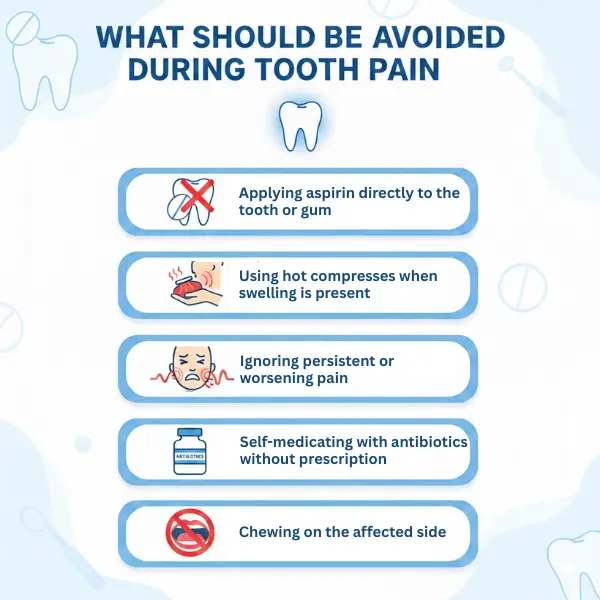
What Should Be Avoided During Tooth Pain?
Certain actions may aggravate the condition:
- Applying aspirin directly to the tooth or gum
- Using hot compresses when swelling is present
- Ignoring persistent or worsening pain
- Self-medicating with antibiotics without a prescription
- Chewing on the affected side
Persistent symptoms often indicate deeper structural or infectious involvement.
When Home Remedies Are Not Sufficient
Home remedies are designed to provide temporary relief from discomfort. They do not address:
- Advanced tooth decay
- Dental abscess
- Nerve infection
- Deep gum disease
If pain persists beyond 24–48 hours, intensifies, or returns after temporary relief, professional evaluation is necessary. Delaying treatment can result in more extensive infection and may reduce the likelihood of saving the tooth.
Signs You Require an Emergency Dentist in Sharjah
Immediate dental attention is advised if you experience:
- Facial or jaw swelling
- Fever accompanying tooth pain
- Pus or discharge near the tooth
- Severe, constant throbbing pain
- Difficulty opening the mouth or swallowing
These symptoms may indicate infection spreading beyond the tooth. In such cases, consulting an emergency dentist in Sharjah without delay is critical to prevent complications.
Professional Treatment Options for Tooth Pain
A comprehensive clinical evaluation will determine the most appropriate course of treatment. At C Dental Clinics, treatment recommendations are based on accurate diagnosis supported by digital imaging and clinical assessment.
Common treatments include:
Dental Filling: For early-stage cavities where decay has not reached the pulp.
Root Canal Treatment: When infection affects the nerve tissue. A root canal in Sharjah removes infected pulp, disinfects the canal, and preserves the natural tooth structure.
Extraction: In cases where the tooth cannot be restored.
Periodontal Therapy: For gum-related causes of pain and inflammation.
Early intervention often allows for more conservative treatment and better long-term outcomes.
Emergency Tooth Pain Care at C Dental Clinics
Dental pain requires a timely and precise diagnosis. At C Dental Clinics, patients experiencing acute discomfort receive:
- Prompt evaluation
- Digital X-ray diagnostics
- Immediate pain management
- Clear explanation of findings and treatment options
Our clinical approach prioritizes patient comfort, safety, and preservation of natural teeth whenever possible.
If you are searching for tooth pain treatment Sharjah or require an urgent consultation with a dentist in Sharjah, professional assessment remains the most reliable path to lasting relief.
Preventing Future Tooth Pain
Preventive care is essential in reducing the risk of dental emergencies. We recommend:
- Brushing twice daily with fluoride toothpaste
- Daily flossing
- Limiting sugary foods and beverages
- Routine dental examinations every six months
Regular checkups allow early detection of decay or gum disease before pain develops.
Frequently Asked Questions (FAQs)
A: Tooth pain may temporarily subside, especially after using home remedies, but it rarely resolves permanently without professional care. Most tooth pain is caused by decay, infection, or gum disease, which tend to worsen over time if left untreated.
A: For short-term relief, rinsing with warm salt water, applying a cold compress to the cheek, using clove oil sparingly, and taking over-the-counter anti-inflammatory medication can help reduce pain and inflammation. These methods are temporary and do not treat the underlying cause.
A: Home remedies should only be used for temporary relief, typically no longer than 24–48 hours. If pain persists, worsens, or returns after relief, a dental evaluation is necessary to prevent complications.
A: Tooth pain requires emergency dental care if it is accompanied by facial swelling, fever, pus or discharge, severe, constant throbbing, or difficulty swallowing or opening the mouth. These signs may indicate a spreading infection that requires immediate treatment.
A: Permanent relief depends on the diagnosis. Common treatments include dental fillings for cavities, root canal treatment for nerve infections, periodontal therapy for gum disease, or tooth extraction when restoration is not possible. Early treatment often allows more conservative options and better outcomes.
Conclusion
Tooth pain is a clinical symptom that should not be overlooked. While temporary home measures may ease discomfort, they do not resolve underlying infection or structural damage.
If pain persists, worsens, or is accompanied by swelling or fever, seeking prompt professional care is essential. Early treatment not only relieves discomfort but also increases the likelihood of saving the affected tooth.
👉Book your appointment with C Dental Clinic today, before symptoms worsen.

References
- Toothache Home Remedies– Colgate
- Home Remedies for Temporary Tooth Pain Relief– Healthline
- Home Remedies for Toothache: Quick Relief from Tooth Pain Naturally– Metropolis
- Toothache Relief and Home Remedies-WebMD
Please subscribe to our social channels for updates related to dental care and oral health.
Instagram: cdental2025
Facebook: CDental
YouTube: C-Dental Clinic


Leave a Reply