Tag: C-Dental

  • Why Saving Your Natural Tooth Is Always Better: When Can a Tooth Be Saved Instead of Removed?

    Why Saving Your Natural Tooth Is Always Better: When Can a Tooth Be Saved Instead of Removed?

    Your natural teeth are priceless. They allow you to chew efficiently, speak clearly, and maintain the shape of your face. Unfortunately, dental problems like decay, fractures, or infection can put your teeth at risk. Modern dentistry emphasizes saving your natural tooth first, focusing on treatments that preserve and protect them rather than removing them.

    At C Dental Sharjah, we prioritize treatments that protect your natural teeth, maintaining your oral health, function, and aesthetics for life. In this article, we explore why saving your natural tooth is always better, when teeth can be preserved instead of removed, and the treatments available to restore and protect your smile.

    Why Saving Your Natural Tooth Is Important?

    Preserving your natural teeth is more than just keeping a beautiful smile. Natural teeth provide unique benefits that artificial replacements cannot fully replicate:

    1. Preserve Chewing Function and Bite

    Natural teeth are perfectly designed for chewing. Losing even a single tooth can affect bite patterns and place extra stress on neighboring teeth. Maintaining your teeth ensures proper function and prevents misalignment.

    2. Maintain Jawbone and Facial Structure

    Tooth roots stimulate the jawbone. When teeth are lost, bone resorption occurs, which can lead to a sunken facial appearance. Saving your teeth helps maintain facial structure and prevents bone loss.

    3. Prevent Teeth from Shifting

    Gaps from missing teeth cause neighboring teeth to drift, leading to bite problems, increased wear, and possible jaw pain. Preserving your teeth keeps your smile aligned and functional.

    4. Support Aesthetics and Confidence

    Natural teeth look and feel better than any artificial replacement. Keeping your teeth intact helps maintain your smile, appearance, and confidence.

    5. Cost-Effectiveness

    Treatments to save teeth, like root canals or crowns, may seem costly upfront, but they often prevent the need for implants, bridges, or dentures, saving money in the long run.

    6. Preserve Speech and Comfort

    Natural teeth help with proper speech articulation and oral comfort. Losing teeth can subtly affect pronunciation and tongue movement.
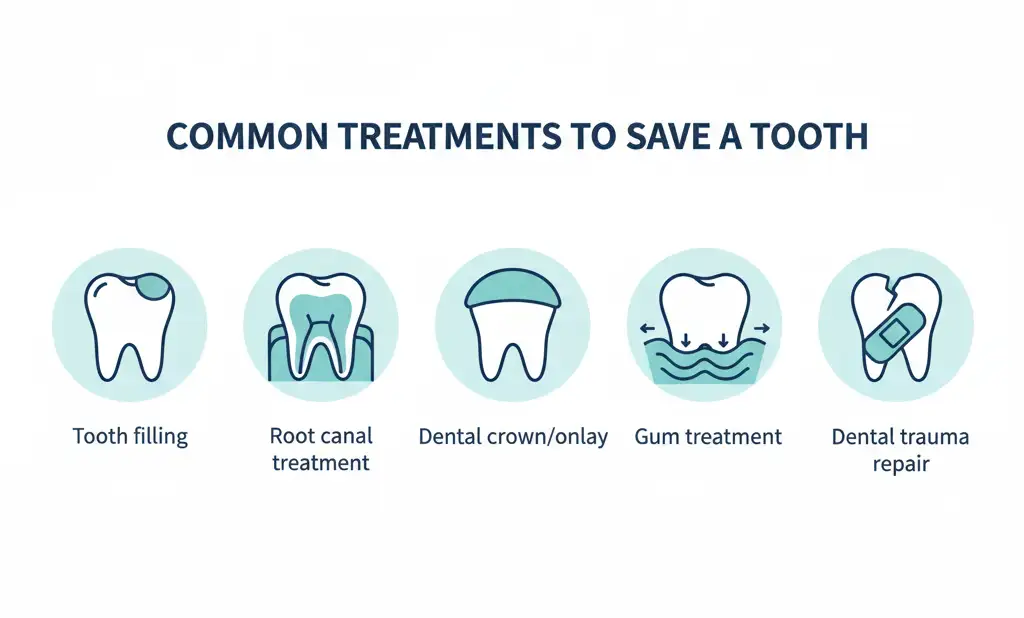
    Common Treatments to Save a Tooth

    Common Treatments to Save a Tooth

    Modern dentistry provides multiple treatments that help dentists save natural teeth, even when damage or infection is present. At C Dental Sharjah, we provide personalized treatment plans based on the condition of your teeth.

    1. Restorative Fillings

    If decay is limited to a portion of the tooth, a filling can restore structure and function.

    2. Root Canal Therapy

    When the inner pulp of a tooth becomes infected, root canal therapy removes the infection and preserves the natural tooth. With proper restoration, these teeth can last a lifetime.

    3. Crowns and Onlays

    Cracked or weakened teeth can be reinforced using crowns or onlays, protecting the remaining structure while restoring function.

    4. Periodontal Therapy

    For teeth affected by early gum disease, scaling, root planing, and other periodontal treatments can stabilize the tooth and prevent extraction.

    5. Dental Trauma Repair

    Teeth damaged by accidents or trauma can often be saved using splints, bonding, or restorative procedures if treated promptly.

    When Can a Tooth Be Saved Instead of Removed?

    Deciding whether a tooth can be preserved depends on several factors:

    • Limited decay or structural damage
    • Infections treatable with root canal therapy
    • Minor cracks or fractures
    • Early-stage gum disease
    • Prompt treatment after trauma

    At C Dental Sharjah, our experts assess each tooth using digital X-rays and advanced diagnostics to determine the best approach.
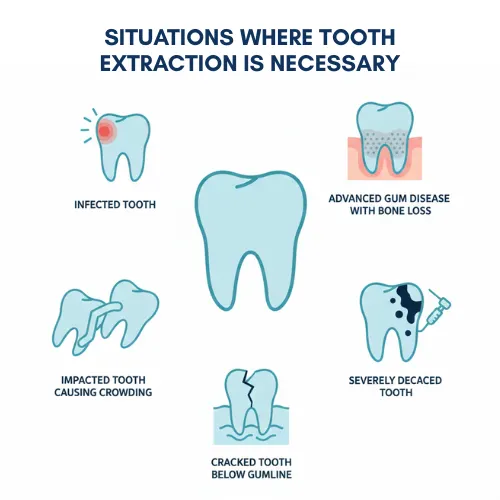
    Situations Where Extraction Is Necessary

    Situations Where Extraction Is Necessary

    While preserving your natural teeth is ideal, sometimes removal is unavoidable. Common indications for extraction include:

    • Severe fracture below the gumline
    • Extensive decay is destroying most of the tooth
    • Advanced gum disease with significant bone loss
    • Persistent infection resistant to treatment
    • Impacted teeth causing crowding

    Dentists perform extractions carefully to protect surrounding teeth and maintain jaw health.

    Long-Term Benefits of Preserving Natural Teeth

    Saving your teeth has multiple long-term advantages:

    • Maintains chewing efficiency and proper bite
    • Prevents jawbone resorption
    • Reduces the need for implants, bridges, or dentures
    • Maintains facial aesthetics and smile
    • Minimizes future dental complications

    Frequently Asked Questions (FAQ)

    Q: Is a root canal better than an extraction?

    A: Yes. Root canal therapy allows you to keep your natural tooth, maintaining function, aesthetics, and jawbone integrity.

    Q: How long can a treated tooth last?

    A: With proper care and restoration, teeth treated with root canal therapy or other preservation techniques can last a lifetime.

    Q: Can dentists save a cracked tooth?

    A: Dentists repair minor cracks with bonding or crowns. Cracks that extend below the gumline require tooth extraction.

    Q: Why choose C Dental Sharjah for tooth-saving treatments?

    A: At C Dental Sharjah, we combine advanced diagnostics, personalized treatment, and expert care to maximize tooth preservation and long-term oral health.

    Conclusion 

    Saving your natural teeth should always be the first choice. With today’s advanced dental care, most damaged or decayed teeth can be repaired, strengthened, and preserved through modern restorative treatments. Tooth extraction is considered only when every other option has been carefully explored.

    If you’re experiencing tooth pain, decay, or damage, don’t wait until the problem worsens. The experts at C Dental Sharjah are here to help. Our experienced team will thoroughly evaluate your condition and create a personalized tooth-preservation plan designed to protect your natural smile for years to come.
    👉Book your consultation with C Dental Sharjah today and take the first step toward saving your natural teeth.

    Call to Action Button of C Dental Clinic

    References 

    1. Why Saving Your Natural Tooth Matters: Benefits of Root Canal Treatment– Adelaide Dental
    2. Root Canals vs. Extractions: Why Saving Your Tooth Is Best– ALERIS SALEM DENTAL CENTER
    3. Root Canal vs. Extraction: How to Choose– Palmetto Dental Arts
    4. Root Canal vs Extraction: Which Treatment is Right for You? Townsville Dental Clinic
    5. Saving Natural Teeth vs Extraction– Robert Scott Nance

    Please subscribe to our social channels for updates related to dental care and oral health.

    Instagram:  cdental2025
    Facebook:  CDental 
    YouTube: C-Dental Clinic
  • How Often Should You Visit a Dentist in Sharjah? Your Complete Check-Up Schedule Explained

    How Often Should You Visit a Dentist in Sharjah? Your Complete Check-Up Schedule Explained

    When was the last time you walked into a dental clinic in Sharjah without rushing, without fear, and without waiting for pain to force your hand? Many people only seek dental care when discomfort becomes unavoidable. Yet the truth is simple: prevention is far more effective than treatment. Regular check-ups not only help maintain your smile but can also prevent minor issues from becoming major dental problems. Understanding how often you should see a dentist depends on your age, oral health condition, lifestyle, and specific risk factors. At C-Dental Clinics Sharjah, we combine science, clinical experience, and patient-focused preventive care to guide you toward healthier teeth and gums.

    Why Regular Dental Visits Are Essential

    Brushing and flossing are fundamental, but they are not enough to maintain optimal oral health. Even with the most meticulous home care, plaque can harden into tartar, cavities can form invisibly, and gum disease can progress silently. Most dental problems start subtly:

    • Small cavities that are not yet painful
    • Early gum pockets are forming below the gumline
    • Plaque transforming into hardened tartar
    • Infections developing without visible signs

    Many patients at C-Dental Clinics have shared their experiences: “I didn’t feel anything until the dentist showed me what was happening inside.” Pain is often the last symptom, not the first. Regular dental visits allow early detection of issues, minimize the need for costly procedures, and preserve long-term oral health.

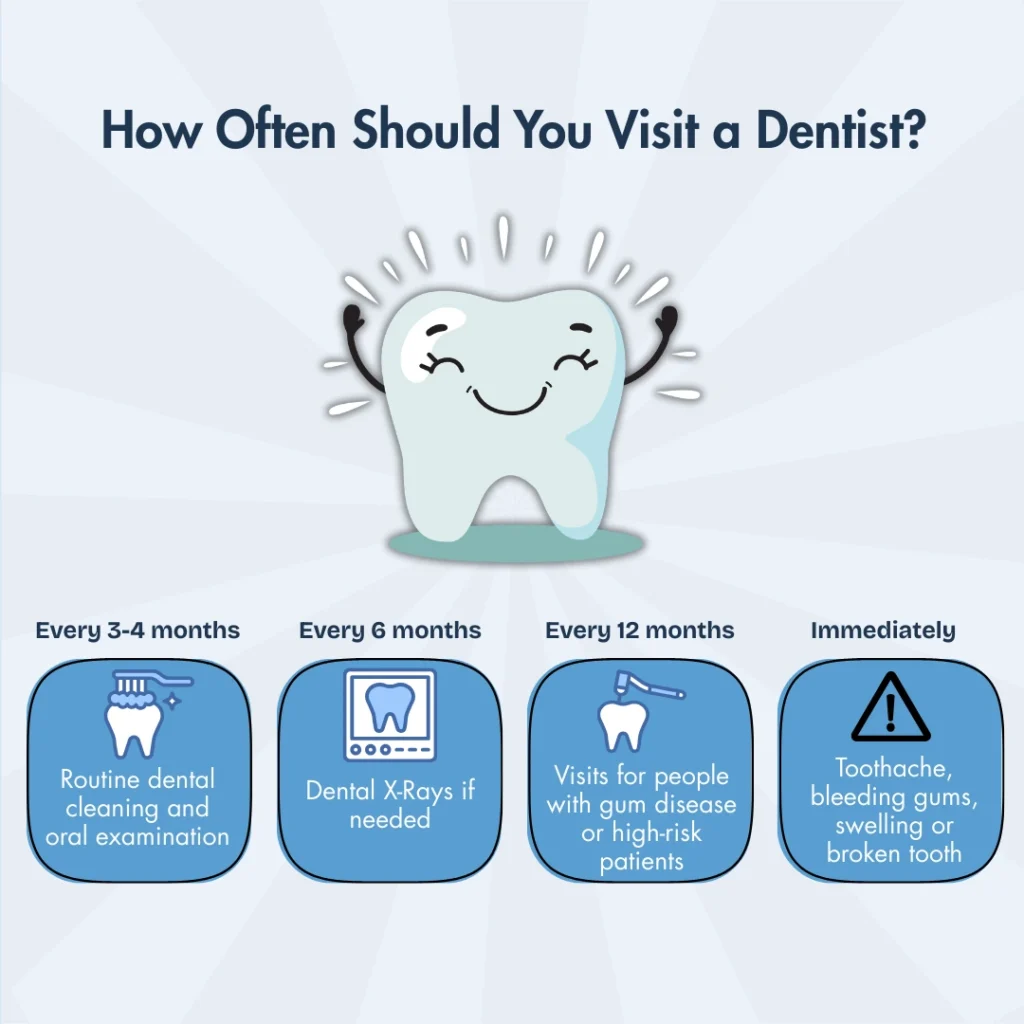
    Infographic showing how often to visit a dentist in Sharjah

    The General Rule: Twice a Year for Most Adults

    For the majority of adults with healthy oral habits, a routine dental check-up every six months is ideal. This schedule is recommended for individuals who:

    • Brush and floss consistently
    • Have no active gum disease
    • Do not have extensive restorations like multiple crowns or implants
    • Are non-smokers
    • Rarely experience excessive plaque buildup

    Following a six-month schedule helps maintain healthy gums, prevents tartar accumulation, and catches early changes before they escalate into more serious problems.

    Who Needs Dental Visits Every 3–4 Months?

    Certain individuals require more frequent monitoring to protect their oral health. If you fall into any of these categories, visiting your dentist every 3–4 months is advised:

    • Gum Disease Patients (Gingivitis or Periodontitis): Gum pockets can accumulate bacteria rapidly, requiring closer observation.
    • Diabetic Patients: Higher risk of infections and delayed healing necessitates frequent monitoring.
    • Braces or Invisalign Wearers: Plaque tends to build up around wires and attachments.
    • Smokers: Increased risk of gum recession, bone loss, and oral infections.
    • Patients with Multiple Restorations: Crowns, implants, and bridges require regular professional maintenance.
    • Those with Rapid Plaque or Tartar Formation: Shorter intervals prevent deep infections and protect dental work.

    Regular visits in these cases are preventive, not reactive, significantly reducing long-term dental complications.

    Who Can Visit a Dentist Once a Year?

    Annual dental check-ups are suitable only for patients with exceptional oral health, including:

    • Strong saliva flow (low cavity risk)
    • Consistent, effective brushing and flossing
    • No gum bleeding or sensitivity
    • Well-aligned teeth and bite

    However, very few patients meet all these criteria. Think of your teeth like a high-performance vehicle: you wouldn’t drive a car for a year without servicing it. Your oral health deserves more care than that.

    Dental Check-Up Frequency by Age Group

    Adults (18–55 years): Every 6 months is recommended, though those who smoke, consume frequent tea or coffee, or grind their teeth may need additional check-ups.

    Children and Teenagers:

    • First dental visit by age 1
    • Routine check-ups every 6 months
    • Cavity-prone children may require visits every 3–4 months
      C-Dental provides a child-friendly environment that encourages trust and comfort from an early age.

    Senior Citizens (55+ years): Every 3–4 months due to:

    • Gum recession
    • Bone loss
    • Dry mouth
    • Reduced healing capacity
    • Increased sensitivity

    Regular, age-specific visits help maintain oral health and prevent accelerated deterioration in seniors.

    What Happens During a Routine Dental Check-Up at C-Dental Clinics

    A professional dental check-up is typically gentle, comprehensive, and completed in 15–20 minutes. At C-Dental, your visit includes:

    1. Professional Teeth Cleaning: Removal of soft plaque and hardened tartar using advanced ultrasonic tools.
    2. Gum Health Evaluation: Measuring pocket depth and checking for inflammation.
    3. Cavity Screening: Detecting early decay before it causes pain or structural damage.
    4. Digital X-Rays (if needed): To examine areas invisible during a regular exam.
    5. Personalized Oral Hygiene Plan: Tailored guidance based on your brushing habits, diet, dental history, and risk factors.

    All procedures are explained clearly before treatment. Our approach prioritizes comfort, education, and long-term preventive care.

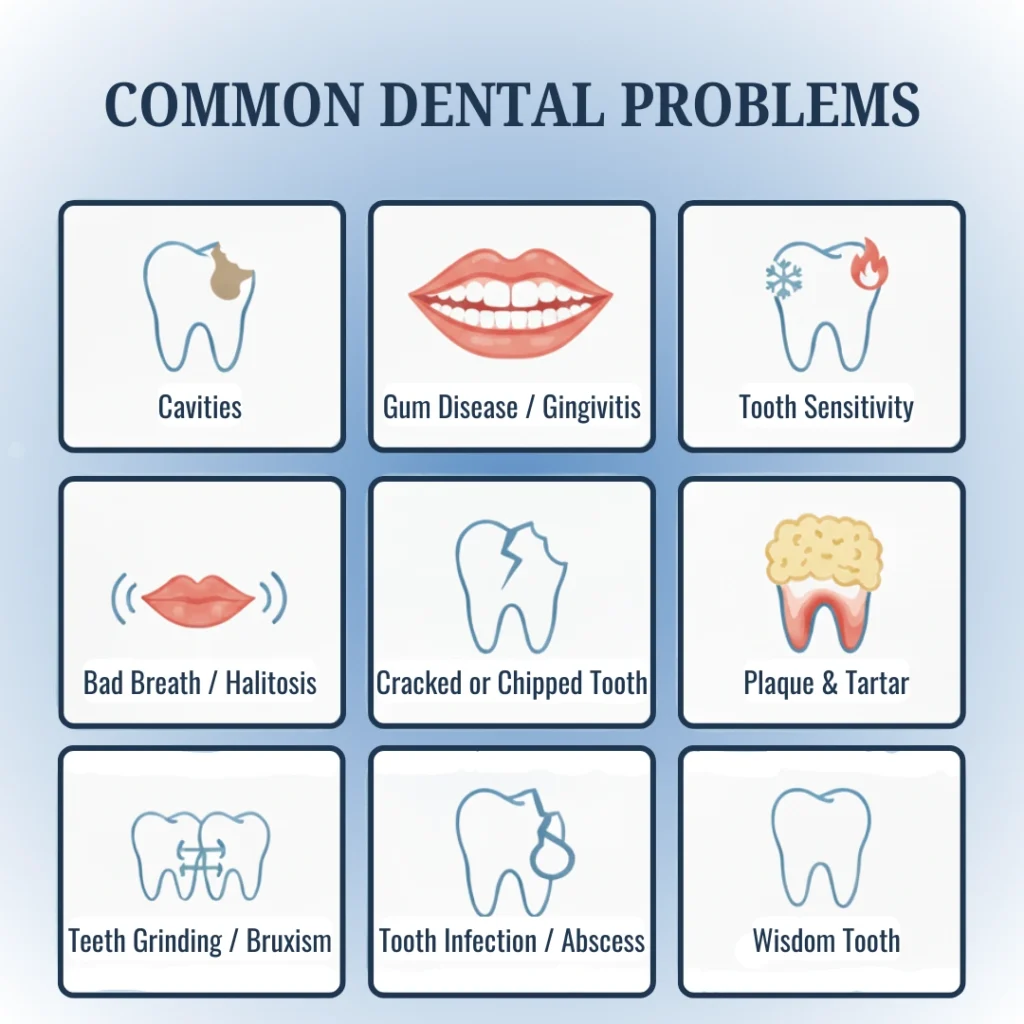
    Common dental problems such as cavities, gum disease, tooth sensitivity, bad breath, plaque buildup, and tooth infection

    Signs You Should See a Dentist Sooner Than Scheduled

    Even if your next routine check-up is months away, don’t wait if you notice warning signs. Early intervention prevents minor issues from becoming major problems. Common signs include:

    • Bleeding gums
    • Sensitivity to hot or cold
    • Persistent bad breath
    • Tooth pain or pressure
    • Food frequently gets stuck
    • Dry mouth
    • Non-healing sores
    • Cracked or chipped teeth
    • Discomfort with braces or aligners

    Your mouth constantly sends signals. Listening and responding early is key to maintaining a healthy smile.

    Consequences of Skipping Regular Dental Visits

    Avoiding check-ups can lead to:

    • Gum disease progression
    • Deep cavities requiring complex treatments
    • Increased need for root canals
    • Tooth loss
    • Tartar buildup below the gumline
    • Higher treatment costs in the future
    • Chronic bad breath

    Preventive care saves time, money, and discomfort, while safeguarding overall health.

    Why Patients Choose C-Dental Clinics Sharjah

    C-Dental Clinics is built on a philosophy of comfort, transparency, and advanced preventive dentistry. Patients choose us for:

    1. Preventive Dentistry Led by Experienced Clinicians: Early detection and gentle interventions.
    2. Modern Technology: Advanced tools for faster, precise, and comfortable care.
    3. Patient-Focused Cleaning Practices: Ideal for sensitive teeth, gum issues, and anxious patients.
    4. Clear Explanations & Honest Recommendations: No unnecessary treatments or confusion.
    5. Family-Friendly Environment: Care for children and adults in a welcoming setting.
    6. Transparent Pricing: No hidden costs; full clarity upfront.
    7. Comprehensive Dental Services: General dentists and specialists under one roof for seamless care.

    Personalized Dental Check-Up Frequency Table

    Patient GroupRecommended Visit Frequency
    Healthy AdultsEvery 6 months
    ChildrenEvery 6 months
    Cavity-Prone ChildrenEvery 3–4 months
    SeniorsEvery 3–4 months
    Braces / Invisalign PatientsEvery 4–6 weeks
    Gum Disease PatientsEvery 3 months

    Frequently Asked Questions About Dental Check-Ups

    Q: How long does a routine dental check-up take?

    A: Typically 15–20 minutes, depending on plaque buildup and individual risk factors

    Q: Are dental cleanings painful?

    A:  Most patients experience only mild pressure; cleanings are generally comfortable

    Q: Can I skip dental visits if I have no pain?

    A: No. Pain is usually a late symptom; preventive care avoids complications

    Q: How much does a dental check-up cost in Sharjah?

    A:  Pricing varies; contact C-Dental Clinics for accurate details

    Q: How often should children visit a dentist?

    A: Every 6 months; cavity-prone children may need visits every 3–4 months.

    Final Thoughts

    Your mouth is the gateway to your overall health. Small, regular investments in dental care—just a few minutes every few months—can protect your smile for decades. Don’t wait for pain to dictate your visits. By working with C-Dental Clinics Sharjah, you can create a personalized preventive plan tailored to your age, lifestyle, and oral health status.

    Book your preventive dental check-up at C-Dental Clinics, Sharjah, today and take control of your oral health before problems arise.

  • Apicectomy in Sharjah: Expert Root-End Surgery at C Dental for Strong, Healthy Smiles

    Apicectomy in Sharjah: Expert Root-End Surgery at C Dental for Strong, Healthy Smiles

    Persistent tooth pain, even after a root canal, can feel frustrating and worrying. When discomfort continues, the issue often lies deep at the root tip—an area a regular root canal may not fully reach. This is where apicectomy (root-end surgery) becomes your best solution.

    At C Dental Sharjah, our endodontic specialists perform apicectomy with advanced technology and precision, helping you save your natural tooth and avoid extraction. This guide explains the procedure, symptoms, benefits, and why C Dental is Sharjah’s trusted choice for root-end surgery.

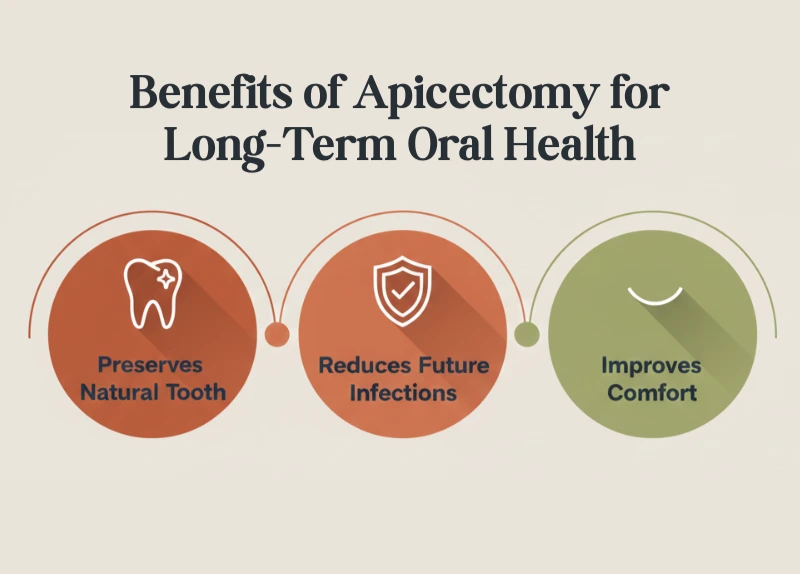
    Benefits of Apicectomy for long-term oral health

    What Is Apicectomy? Understanding Root-End Surgery

    An apicectomy is a minor surgical procedure that removes infection at the tip of a tooth’s root. After removing the infected tissue, the dentist seals the root to prevent future bacterial entry.

    It is commonly recommended when a root canal has not fully resolved the infection.

    Why Apicectomy Is Needed

    You may need apicectomy if:

    • Pain continues after root canal treatment
    • There is swelling or tenderness around a specific tooth
    • Infection persists at the root tip
    • A cyst or abscess forms
    • The tooth has complex root anatomy
    • Bone loss occurs around the root area

    This procedure allows you to keep your natural tooth instead of opting for extraction or implants.

    Signs You May Need Apicectomy in Sharjah

    Watch for these symptoms:

    • Persistent tooth pain
    • Gum swelling or facial swelling
    • Pus discharge or a bad taste in the mouth
    • Sinus pressure from upper molar infections
    • Recurrent infections months after root canal

    If you notice any of these issues, visit C Dental Sharjah for a quick diagnostic exam and X-ray.

    Why Choose Apicectomy Instead of Tooth Extraction?

    Preserving your natural tooth has long-term advantages:

    • Maintains jawbone structure
    • Prevents shifting of nearby teeth
    • Protects your bite alignment
    • Avoids costlier treatments such as implants or bridges

    Apicectomy success rates reach 85–95%, making it a highly reliable tooth-saving option.

    Step-by-Step: How Apicectomy Is Performed at C Dental Sharjah

    Pre-Procedure Consultation

    At C Dental, your dentist will:

    • Conduct a detailed exam
    • Take X-rays or 3D scans
    • Review medical history
    • Provide a customized treatment plan

    Avoid blood thinners if advised and ask any questions during your consultation.

    During the Procedure

    The surgery typically takes 30–60 minutes:

    1. Local anesthesia is applied
    2. A small gum incision exposes the root
    3. The infected root tip is removed
    4. The area is cleaned and disinfected
    5. A biocompatible filling seals the root end
    6. The gums are sutured

    C Dental uses modern tools for precision and faster healing.

    Post-Procedure Recovery

    • Use ice packs to reduce swelling
    • Eat soft foods for 2–3 days
    • Avoid chewing on the treated side
    • Mild discomfort is normal and manageable
    • Healing completes within 1–2 weeks

    Follow-up visits ensure healthy recovery.

    Long-Term Benefits of Apicectomy

    Preserves Your Natural Tooth

    Keeping your real tooth:

    • Maintains your smile
    • Supports natural chewing function
    • Prevents bone loss
    • Enhances facial symmetry

    Prevents Future Infections

    The sealed root tip blocks bacteria, reducing the risk of:

    • Abscesses
    • Cysts
    • Recurrent root infections

    Boosts Comfort and Confidence

    With pain gone, eating, speaking, and daily life feel easier.

    Why C Dental Sharjah Is a Leading Choice for Apicectomy

    Advanced Technology

    C Dental uses:

    • 3D CBCT imaging
    • Biocompatible root fillings
    • Laser-assisted procedures

    These tools improve precision and healing speed.

    Experienced Endodontic Specialists

    Our board-certified dentists handle even complex cases with care and expertise.

    Patient Testimonials

    Many patients report:

    • Fast recovery
    • Immediate pain relief
    • Friendly and supportive staff

    Preparing for Apicectomy: Practical Tips

    • Arrange transportation after the procedure
    • Follow pre-surgery instructions from your dentist
    • Stock up on soft foods
    • Avoid smoking and alcohol before surgery
    • Rest well the day before

    Long-Term Care After Root-End Surgery

    • Brush gently with a soft-bristle toothbrush
    • Floss daily
    • Avoid biting hard foods
    • Visit C Dental every six months for checkups

    Frequently Asked Questions About Apicectomy in Sharj

    Q.) How long does recovery take?

    A.) 1–2 weeks for full healing.

    Q.) Is the procedure painful?

    A.) No — local anesthesia keeps you comfortable.

    Q.) What is the success rate?

    A.) Approximately 85–95%.

    Q.) How much does it cost?

    A.) Prices vary based on complexity. C Dental provides upfront quotes.

    Conclusion

    Apicectomy is a safe, effective way to eliminate deep-rooted infection and preserve your natural tooth. With expert dentists, advanced technology, and patient-focused care, C Dental Sharjah stands out as a trusted clinic for root-end surgery in the UAE.

    References

    1.) Clinical Overview of Apicectomy Surgery:
    Apicoectomy: Procedure, Purpose & Recovery Insights Healthline

    2.) Scientific Research on Apical Surgery Outcomes:
    Microsurgical Endodontics & Root-End Surgery Success Rates PubMed Central (PMC)

    3.) Patient Guide to Root-End Surgery:
    Apicoectomy (Root-End Surgery) – What to ExpectColgate

    4.) Professional Endodontic Surgical Guidelines:
    Endodontic Surgery & Root-End Treatment OptionsAmerican Association of Endodontists (AA

  • Best Diet for Teeth: What to Eat & Avoid

    Best Diet for Teeth: What to Eat & Avoid

    Have you ever wondered why you suffer from cavities while your best friend’s smile is healthy and white by nature? It’s not just about brushing—your diet for teeth plays a major role. Your beautiful smile starts with the food you eat, according to C Dental, the best dental office in Sharjah that serves at Dubai. Let’s examine which foods promote a bright, healthy smile and which ones you should stay away from.

    Why a Healthy Diet for Teeth Is So Important

    Think of your mouth as a garden. Good things to eat produce healthy plants, and good food produces healthy gums and teeth. Bad food will kill your “garden,” and good food will have it blooming.

    • Food as Fuel: Every bite takes a toll on your teeth. Acid and sweet foods provide disgusting germs with food, leading to decay and gum disease, while nutrient foods make enamel and gums strong.
    • Saliva Production: Saliva-producing foods dislodge food particles and flush acids out.
    • Mineral Replenishment: Your teeth need minerals like phosphorus and calcium to heal and harden. A healthy diet replenishes them daily as well.

    The Best Diet for Teeth to Keep Your Smile Bright

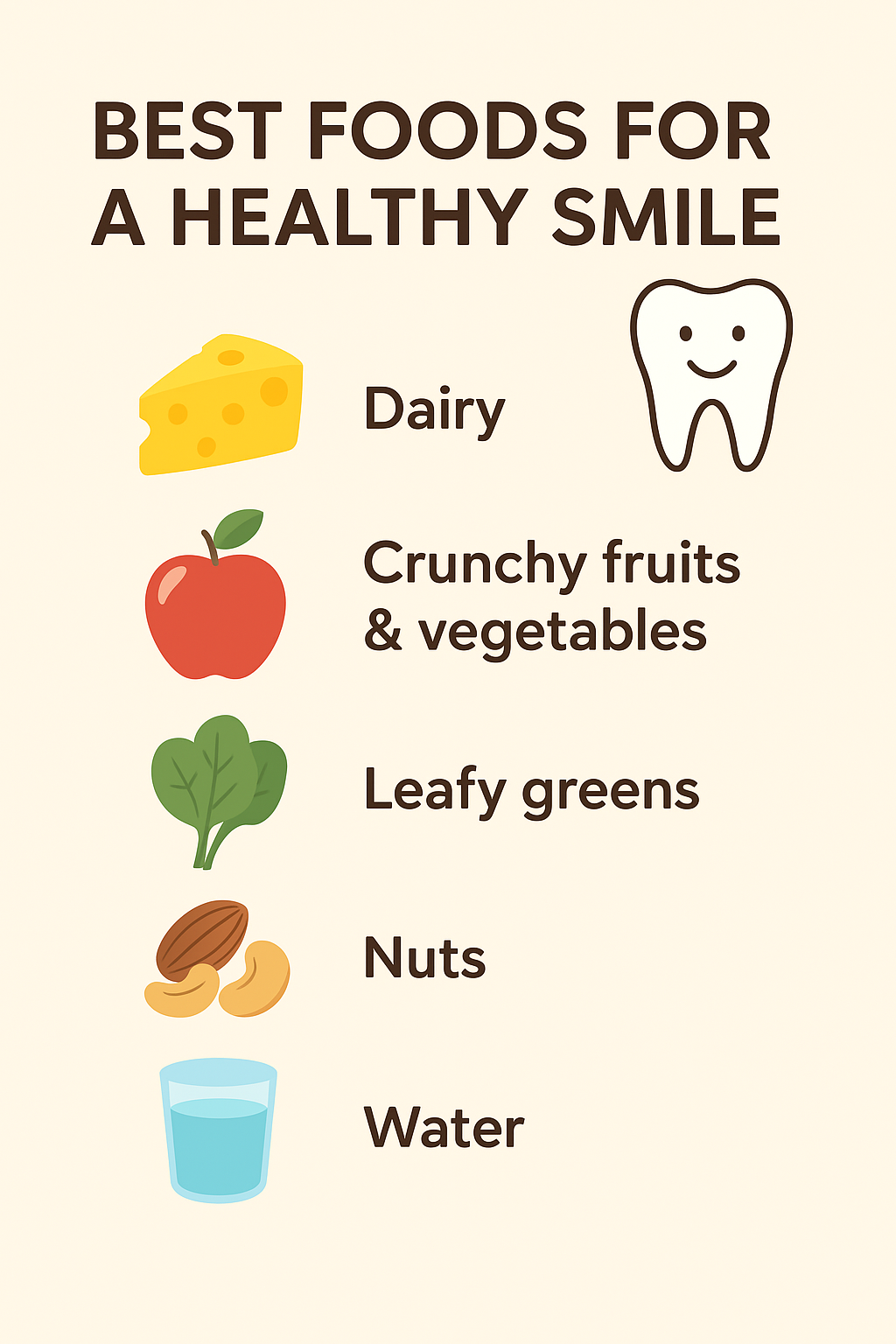
    DIET FOR TEETH
    • Dairy Delights
      • Cheese, milk, and yogurt have calcium and casein that harden enamel and strengthen your teeth.
      • Calcium Power: Calcium may actually repair and protect enamel and make teeth cavity-proof.
      • Casein Benefits: Casein milk protein may actually remineralize enamel and reduce acid erosion.
      • Probiotic Benefits: Yogurt probiotics may actually stabilize oral bacteria and provide healthy gums.
    • Crunchy Fruits & Vegetables
      • Apples, celery, and carrots are Nature’s toothbrushes, brushing away food particles and activating saliva
      • Natural Cleansers: Their fibrous nature actually breaks up food particles and plaque mechanically.
      • Vitamin Boost: Raw fruits and vegetables are rich in vitamins A and C, which healthy gums and fast healing of minor cuts require.
      • Hydration: Crunchy veggies are full of water, so they keep your mouth moist and clean
    • Leafy Greens
      • Spinach, kale, and Swiss chard are packed with calcium, folic acid, and vitamin K—all your gums and teeth need to stay healthy.
      • Phosphorus and calcium in the greens harden your enamel on your teeth.
      • Folic acid stops gums from bleeding and inflammation.
      • Low Sugar: Leafy greens are tooth-friendly due to less sugar and acids.
    • Nuts & Seeds
      • Walnuts, cashews, and almonds have phosphorus and calcium in them, which make your teeth strong from the inside.
      • Mineral-Rich: They give teeth minerals to remineralize them.
      • Healthy Fats: They have healthy fats that lessen gum inflammation.
      • Chewing Benefits: Mastication triggers the release of saliva that naturally cleans your mouth.
    • Lean Proteins & Fatty Fish
      • Phosphorus-rich foods such as salmon, sardines, and lean meat shield your enamel.
      • Protein Power: Protein is tissue builder, much like gum.
      • Omega-3s: Omega-3 fatty acids in fatty fish lower gum inflammation and heal quicker.
      • Iron Content: Lean meat has iron, which stimulates good gum flow.
    • Water
      • Water is the best friend for your mouth. Water rinses food particles away and moisturizes your mouth.
      • Natural Cleanser: Spitting out a meal using water is an effective method to spit out sugars and acids.
      • Fluoride Benefit: Tap water will generally be fluoridated, which hardens the enamel and resists cavities.
      • Hydration: A wet mouth keeps gums and breath healthy.

    Foods and Habits to Avoid in a Diet for Teeth

    Sugary Snacks & Drinks

    • Sweets, sodas, and yogurts with added sugars create a food supply for bacteria, which feed on it, break it down, and create acid and weaken your enamel.
      • Risk of Cavity: Sugar is the energy source bacteria like best to form cavities.
      • Acid Attack: Soft drinks and jam and fruit juices have an acidic nature that can damage the enamel in no time.
      • Hidden Sugars: Be aware of added sugar in pre-prepared food, sauces, and even bread.

    Sticky or Starchy Foods

    Bread, chips, and dry fruits stick to teeth and give more time to bacteria to act upon them.

    • Long-Lasting Sugars: Sticky foods get retained on teeth for very long time, and so there is greater chance of cavities
      • Starch Breakdown: Mouth starches are broken down to sugars, which are utilized to provide food to bacteria.
      • Dried Fruit Danger: Even natural sugars of fruit in dried fruit are dangerous if they are pushed against teeth.

    Routine Snacking

    Your teeth are put under acid attack for longer with snacking.

    • Acidic Environment: With each snack, acid is being created that demineralizes the enamel.
    • Less Saliva: You don’t produce as much saliva when you’re not eating, and so your teeth aren’t as protected if you snack all the time.
    • Better Habits: Do your best to avoid snacking and use tooth-friendly food when you do snack.

    Acidic Foods & Drinks

    Sports drinks, citrus foods, and foods with vinegar will wear away enamel if you eat them too frequently.

    • Wearing Down of Enamel: Acid foods soften enamel so cavities are more probable.
    • Timing Is Everything: Swallow acid foods by spitting out the water after swallowing them and wait before brushing to avoid weakening damage to take hold on the enamel.
    • Better Options: Eat acid foods with meals to lessen their impact.
    • Interactive: Test Your Tooth-Friendly Food IQ

    Fun Facts: What’s Good in a Diet for Teeth?

    • A handful of almonds or a handful of candies?
    • Glass of fizz or glass of water?
    • Sticky sweets or crunchy carrot?
    • You picked almonds, water, and carrots—good job, you’re already a wise eater for your smile!
    • Bonus Challenge: Take a look at the labels when you’re shopping next time—can you spot the sneaky sugars?

    C Dental’s Smart Eating Tips

    • Eat a Balanced Meal: Indulge in some mix of fruits, vegetables, whole food, protein, and dairy. This provides your teeth with all the nutrients they require to remain in top condition
    • Time Your Treats: Consume sweets with meals, not between meals, so your mouth will have extra saliva to battle acids.
    • Rinse and Hydrate: Rinse with water after eating snacks and meals to eliminate sugars and acids.
    • Snack Smart: Have tooth-friendly snacks such as raw vegetables, cheese, or nuts available.
    • Chew Sugar-Free Gum: This may stimulate saliva production and rinse your mouth during meals.
    • Minimize Night Eating: Saliva production is less at night, so do not eat or drink (with the exception of water) in the evening

    How the Right Diet for Teeth Protects Your Gums

    Healthy gums equate to healthy teeth. Orange and strawberries, both extremely rich in vitamin C, are wonderful to have for healthy gums and in gums that are illness-free healthy.Vitamin C: For the creation of healthy and firm gums via the production of collagen.

    • Antioxidants: Vegetables and fruits contain antioxidants which repair and fight bacteria in gums.
    • Be Careful of Irritants: Acid or spicy food irritates gum-sensitive gums; you need to be careful of this if you are gum-sensitive.
    • Drink and Keep Your Body Hydrated: Dry mouth creates gum problems; drink water at a given time interval of the day.

    C Dental’s Promise: Supporting Your Diet for Teeth

    We’re not only a dental clinic in C Dental. We’re your friends for oral care throughout your life. Our experts in Dubai and Sharjah apply the finest equipment and soft hands to make you feel your best. We’re here to provide you with help from daily oral care to food-friendly smile.

    • Personalized Advice: We help you choose the ideal food for your individual needs.
    • Preventive Strategy: Prevention is what we do, so you can stay one step ahead of trouble before it starts.
    • Total Care: From cleanings to complex treatment, we’re with you through every stage of your smile.

    Diet is an Effective Tool

    Your diet is an excellent means of maintaining healthy gums and teeth. Eat what you require and not what you don’t, and you’ll enjoy a stunning smile for years to come. Are you prepared to learn again how to take care of your teeth? Visit C Dental in Sharjah and experience the difference that practical training and customized attention can make. Your smile’s best friend begins here—today.

    Book your appointment today at C Dental and discover the secret to a brighter, healthier smile

    Also Read: C Dental: How Sugar Affects Your Teeth

    FAQ’s

    1. What is the best diet for teeth health?
      • A balanced diet with calcium-rich dairy, crunchy vegetables, nuts, and lean proteins helps strengthen enamel and protect your gums.
    2. Which foods should I avoid for healthy teeth?
      • Limit sugary snacks, sodas, sticky foods, and acidic drinks as they weaken enamel and increase cavity risk.
    3. How does diet affect gum health?
      • Nutrient-rich foods with vitamin C and antioxidants support gum healing, while spicy or acidic foods can irritate sensitive gums.
    4. Can drinking water improve my oral health?
      • Yes. Water rinses away food particles, reduces acids, hydrates your mouth, and supports stronger enamel, especially if fluoridated.
    5. Why is diet more important than brushing alone for healthy teeth?
      • Brushing helps, but diet directly impacts enamel strength, saliva flow, and bacteria levels—making food choices key for a healthy smile.

    How did you like our blog? Do share your thoughts in the comments.

    Join our Facebook community for the latest updates and tips