Tag: C-dental sharjah

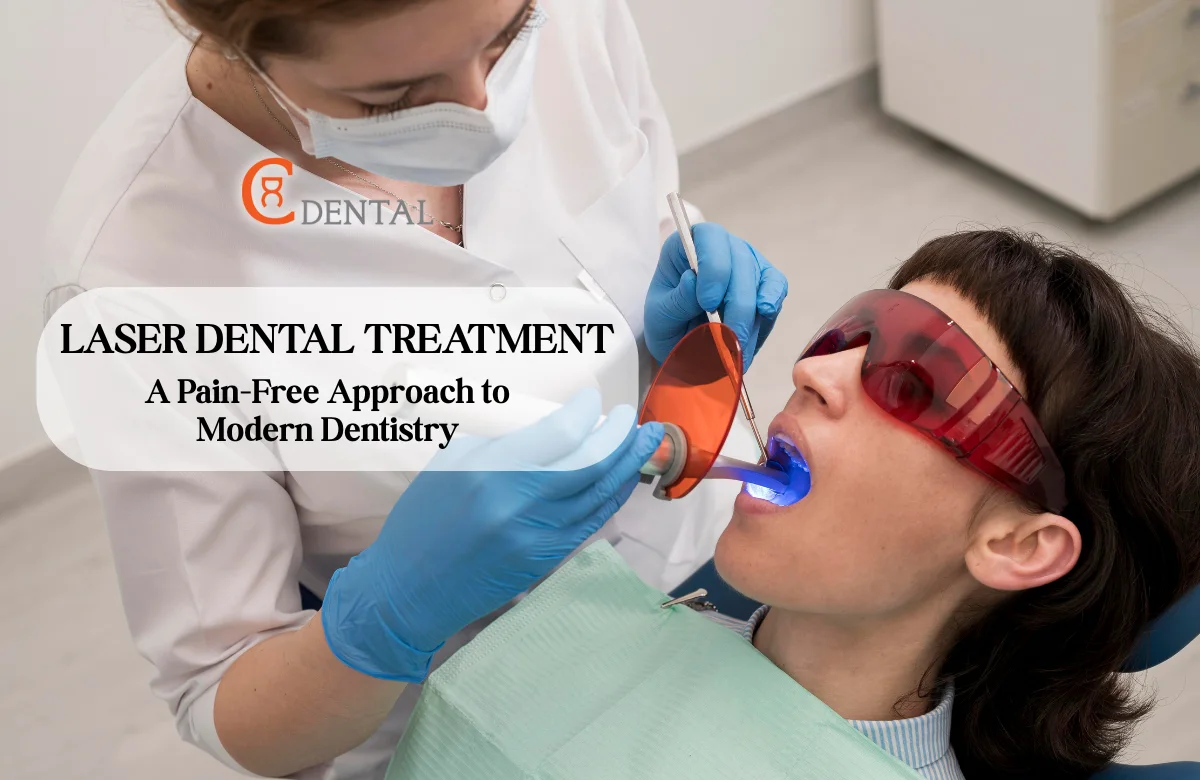
  • Laser Dental Treatment: A Pain-Free Approach to Modern Dentistry

    Laser Dental Treatment: A Pain-Free Approach to Modern Dentistry

    Do you postpone dental visits because you fear pain, injections, or long recovery times?
    Dental treatment no longer has to be uncomfortable or stressful. Advances in technology have transformed how dental procedures are performed, and laser dental treatment is one of the most significant developments in modern dentistry.

    At C-Dental Clinic in Sharjah, our expert dentists use advanced laser technology to perform precise, gentle procedures that minimize pain, bleeding, and the need for anesthesia. Laser dentistry promotes faster healing and delivers excellent results, making it ideal for gum treatments, cavity care, cosmetic procedures, and patients with dental anxiety. This quiet, stress-free approach helps patients achieve healthier, pain-free smiles with confidence.

    What Is Laser Dental Treatment?

    Laser dental treatment uses advanced, focused light energy to perform a wide range of dental procedures with high precision. Unlike traditional drills or surgical blades, laser dentistry allows dentists to treat teeth and gums accurately while preserving healthy tissue, resulting in a more comfortable dental experience.

    Laser dentistry is effective for both hard tissue procedures (teeth) and soft tissue procedures (gums), making it a versatile solution in modern dentistry. Because the treatment is minimally invasive, patients experience:

    • Less pain and discomfort
    • Reduced bleeding and swelling
    • Minimal need for anesthesia
    • Faster healing and recovery
    • Lower risk of infection

    For patients seeking pain-free dental treatment or struggling with dental anxiety, laser dentistry offers a calmer, quieter, and more controlled approach. At C-Dental Clinic, our dentists perform gum treatments, cavity care, cosmetic procedures, and periodontal therapies using advanced laser technology, giving patients a comfortable, modern dental experience they can rely on.”

    How Laser Dentistry Works

    The term LASER stands for Light Amplification by Stimulated Emission of Radiation. In dentistry, dentists focus this light into a very precise beam, allowing them to perform fine, targeted work.

    Dental lasers are broadly classified into:

    • Hard tissue lasers (YAG lasers) – used for tooth-related procedures
    • Soft tissue lasers (Diode lasers) – used for gum treatments

    The effectiveness of laser dentistry depends on the dentist’s ability to control:

    • Power output
    • Duration of exposure
    • Targeted treatment area

    This level of control allows treatment of specific tissues without damaging surrounding areas, which improves safety and healing.

    Why Laser Dental Treatment Is Considered Pain-Free

    One of the most common questions patients ask is: “Is laser dental treatment painful?” The reassuring answer is that, in most cases, laser dentistry causes far less discomfort than traditional dental methods.

    Why laser dental treatment is gentler:

    • No vibration or drilling noise – reduces stress and anxiety
    • Seals blood vessels as it works – minimizes bleeding
    • Often eliminates the need for sutures – simpler and cleaner healing
    • May reduce or remove the need for anesthesia – fewer injections and more comfort

    This makes laser dentistry an excellent option for patients seeking safe, gentle, and pain-free dental care.

    This makes laser dentistry an excellent option for anxious dental patients seeking safe and gentle treatment. Many patients at C-Dental Clinic choose laser procedures for this reason, reinforcing its reputation as a best dental clinic in Sharjah for pain-free dental care.
    Benefits of Laser Dental Treatment

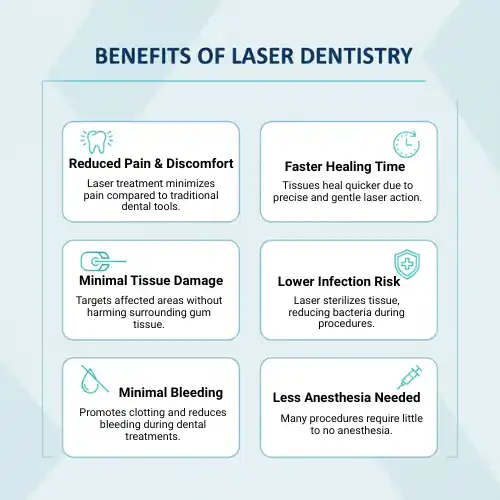
    Benefits of Laser Dentistry

    Many patients feel anxious about dental visits because of pain, bleeding, or long recovery times. Laser dentistry changes all of that by making treatments gentler, faster, and more comfortable.

    Why patients love laser dental treatment:

    • Less pain and discomfort – no harsh drills or cutting, making visits much easier
    • Faster healing – you can get back to work, school, or daily life sooner
    • Protects healthy gums and teeth – treatment targets only the problem area
    • Lower risk of infection – the laser sterilizes as it works
    • Minimal bleeding – no messy procedures or long recovery
    • Fewer injections and stitches – less stress and a more comfortable experience

    For anyone who’s ever avoided the dentist out of fear, laser dentistry offers a gentle, safe, and modern solution. It’s designed to make dental care as comfortable and worry-free as possible, so you can focus on keeping your smile healthy.

    Common Procedures Using Laser Dental Treatment

    Dentists use laser dentistry to perform a wide range of dental treatments, including:

    Treating Tooth Hypersensitivity

    Laser energy seals exposed dentinal tubules, helping reduce sensitivity.

    Treating Tooth Decay

    Lasers can remove decayed areas while preserving healthy tooth structure.

    Treating Gum Disease

    Infected gum tissue is removed precisely, promoting faster healing.

    Teeth Whitening

    Lasers act as a heat source that enhances the effect of tooth-bleaching agents.

    At C-Dental Clinic in Sharjah, our dentists use advanced laser technology to deliver precise, comfortable treatments, making us a trusted choice for patients seeking modern, pain-free dental care.

    Is Laser Dental Treatment Safe?

    Laser dentistry is considered safe and effective when performed by trained dental professionals using appropriate equipment.

    Lasers allow dentists to work with:

    • High precision
    • Controlled energy delivery
    • Minimal tissue trauma

    At C-Dental Clinic, laser treatments follow strict clinical protocols to ensure patient safety and predictable outcomes.

    Healing and Recovery After Laser Dental Treatment

    Healing after laser dental treatment is usually faster compared to traditional methods. Patients often experience:

    • Less swelling
    • Minimal post-treatment discomfort
    • Quicker return to daily activities

    This shorter recovery time makes laser dentistry ideal for patients with busy schedules or heightened sensitivity.

    Why Laser Dentistry Represents Modern Dental Care

    Modern dentistry focuses on more than just treatment results. It prioritizes:

    • Patient comfort
    • Precision-based care
    • Minimally invasive techniques
    • Faster recovery

    Laser dental treatment reflects this shift toward advanced, patient-friendly dentistry. Clinics that adopt these technologies, such as C-Dental Clinic, naturally earn recognition as the best dental clinic in Sharjah for modern dental solutions.

    Related Laser Dental Services

    At C-Dental Clinic, we use laser dentistry to perform several specialized treatments, including:

    Each procedure is planned carefully to ensure comfort, safety, and long-term oral health.

    Why Patients Trust C-Dental Clinic

    • 5,000+ patients treated
    • 10+ years of clinical experience
    • 99% patient satisfaction
    • 1,500+ successful root canal treatments

    This combination of experience, technology, and patient-first care has made C-Dental Clinic a trusted choice and one of the best dental clinic in Sharjah for advanced dental treatments.

    Frequently Asked Questions About Laser Dental Treatment

    Q: What Is Laser Dental Treatment?

    A: Laser dental treatment is an advanced dental procedure that uses focused light energy to treat teeth and gums with high precision. It is commonly used for both soft-tissue and hard-tissue dental procedures, offering a more comfortable alternative to traditional drills and surgical tools.

    Q: Is Laser Dental Treatment Pain-Free?

    A: We use laser dentistry to treat a wide range of dental concerns, including gum disease, tooth sensitivity, cavities, gum reshaping, smile correction, teeth whitening, and procedures like frenectomy and gingivectomy. Advanced laser technology allows us to target problem areas precisely while protecting healthy tissue, ensuring minimal discomfort, less bleeding, and faster healing compared to traditional methods.

    Q: Is Laser Dentistry Safe for Dental Procedures?

    A: Yes, laser dentistry is safe and FDA-approved when performed by trained dental professionals. At C-Dental Clinic, one of the best dental clinics in Sharjah, laser treatments are carried out using controlled energy levels to ensure precision, safety, and effective results.

    Q: What Are the Benefits of Laser Dentistry Compared to Traditional Methods?

    A: Laser dentistry minimizes pain and discomfort, reduces bleeding and swelling, speeds up healing, and lowers the risk of infection by sterilizing the treated area. It often eliminates the need for sutures and anesthesia, creating a more comfortable experience. These benefits make C-Dental Clinic a trusted choice and one of the best dental clinics in Sharjah for advanced, patient-focused care.

    Q: Why Choose C-Dental Clinic for Laser Dental Treatment in Sharjah?

    A: C-Dental Clinic combines advanced laser technology with experienced dental specialists and patient-focused care. With a strong commitment to safety, precision, and comfort, C-Dental Clinic is widely recognized as one of the best dental clinics in Sharjah for modern laser dental treatments.

    Conclusion

    Laser dental treatment has revolutionized the way dental care is delivered. It provides a precise, effective, and virtually pain-free solution, making modern dentistry more comfortable and accessible than ever. For patients who value safety, minimal discomfort, and faster recovery, laser dentistry offers a truly stress-free alternative to traditional procedures.

    At C-Dental Clinic, we combine state-of-the-art laser technology with the expertise of experienced dental professionals to ensure every procedure is accurate, gentle, and tailored to each patient’s needs. From routine cavity treatment to advanced gum therapy and cosmetic procedures, laser dentistry allows us to treat patients with care, precision, and confidence.

    If you’ve been avoiding dental visits due to fear or discomfort, now is the perfect time to experience the difference. Book your consultation at C-Dental Clinic today and discover how laser dentistry can help you achieve a healthier, brighter smile—comfortably, safely, and confidently.

    References

    1. Laser technology in dentistry: Advancements, applications, and future trends– Dental Journal
    2. Pros and Cons of Laser DentistryLaser Dentistry
    3. 10 Advantages of Laser Dentistry Over Traditional Methods– American Family Dentistry
    4. The Use of Lasers in Dental Materials: A Review– MDPI
    5. Laser as an innovative tool, its implications and advances in dentistry– Science Direct

    Please subscribe to our social channels for updates related to dental care and oral health.

    Instagram:  cdental2025
    Facebook:  CDental 
    YouTube: C-Dental Clinic 
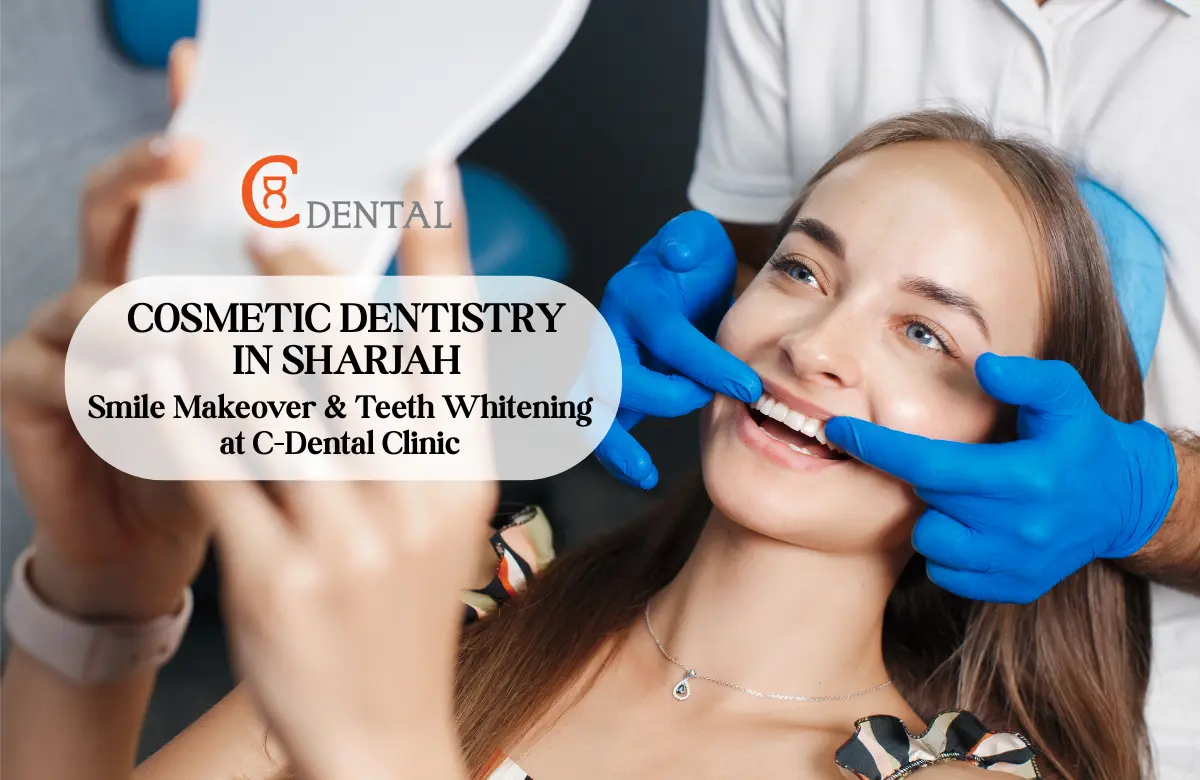
  • Cosmetic Dentistry in Sharjah | Smile Makeover & Teeth Whitening at C-Dental Clinic

    Cosmetic Dentistry in Sharjah | Smile Makeover & Teeth Whitening at C-Dental Clinic

    Have you ever wished your smile could reflect your true confidence? Cosmetic dentistry at C-Dental Clinic in Sharjah transforms that wish into reality. We don’t just fix teeth—we enhance the harmony between your teeth, gums, and facial features. How? By combining clinical expertise, precise dental techniques, and artistic planning, we create results that look completely natural while protecting your long-term oral health.

    Every smile is unique. That’s why our modern cosmetic treatments follow proven principles of proportion, symmetry, and facial analysis. We design personalized treatment plans that consider your dental condition, facial structure, age, and lifestyle. Do you want a subtle enhancement or a full smile transformation? Whatever your goal, we ensure it fits you perfectly, giving you a smile that feels effortless and truly yours.

    Professional cosmetic dentistry in Sharjah showing a girl’s smile makeover and teeth whitening at C-Dental Clinic

    A Modern, Evidence-Based Approach to Cosmetic Dentistry

    Contemporary cosmetic dentistry has evolved significantly over the past decade. Today, leading dental clinics worldwide follow a minimally invasive philosophy, prioritizing preservation of natural tooth structure while achieving aesthetic excellence.

    At C-Dental Clinic, cosmetic dentistry is planned using:

    • Digital smile analysis
    • Clinical photography
    • Bite and occlusion evaluation
    • Periodontal health assessment
    • Facial and lip dynamics during speech and smiling

    This comprehensive approach ensures that cosmetic improvements are functional, stable, and biologically sound.

    The Science Behind an Attractive Smile

    An aesthetically pleasing smile is not defined by tooth whiteness alone. Dental literature and clinical guidelines identify several key elements that influence smile attractiveness:

    Tooth Proportion and Shape

    Ideal tooth proportions follow natural ratios that create visual balance. Teeth that are too short, too wide, or irregular can disrupt smile harmony.

    Tooth Color and Translucency

    Healthy teeth display natural translucency and depth, not an artificial white appearance. Cosmetic dentistry aims for natural brightness, not over-whitening.

    Alignment and Spacing

    Even minor misalignments or spacing can affect how a smile is perceived. Cosmetic alignment solutions are tailored based on bite and jaw position.

    Gum Architecture

    Healthy gums frame the teeth. Uneven gum lines, excessive gum display, or pigmentation can significantly affect aesthetics.

    Cosmetic dentistry addresses all these factors together—not in isolation.

    Comprehensive Cosmetic Dentistry Services at C-Dental Clinic, Sharjah

    Smile Makeover Dentistry

    A smile makeover is a customized, multi-procedure cosmetic treatment plan designed to address several aesthetic concerns simultaneously. Unlike single cosmetic procedures, a smile makeover considers the entire smile and facial structure.

    Smile makeover planning includes:

    • Smile line and lip position analysis
    • Tooth length and width correction
    • Gum symmetry enhancement
    • Shade selection customized to skin tone

    Treatments commonly included:

    • Porcelain veneers or Lumineers
    • Teeth whitening
    • Cosmetic bonding
    • Gum contouring
    • Aesthetic crowns

    The result is a balanced, natural-looking smile that complements facial expressions.

    Cosmetic teeth whitening treatment in Sharjah

    Professional Teeth Whitening in Sharjah

    Teeth discoloration can be caused by:

    • Dietary habits (coffee, tea, spices)
    • Tobacco use
    • Natural aging
    • Certain medications

    Professional whitening at C-Dental Clinic uses clinically approved whitening systems designed to:

    • Penetrate deep stains
    • Maintain Strong Tooth Enamel
    • Minimize sensitivity
    • Deliver predictable shade improvement

    Unlike over-the-counter products, professional whitening is carefully controlled to ensure safety and consistency.

    Close-up of teeth showing porcelain veneers and Lumineers for smile enhancement and cosmetic dentistry

    Porcelain Veneers and Lumineers

    Porcelain veneers are among the most advanced cosmetic dentistry solutions available today. These ultra-thin restorations are custom-crafted to match natural teeth in color, translucency, and texture.

    Veneers are commonly used to correct:

    • Severe discoloration
    • Chipped or worn teeth
    • Gaps between teeth
    • Uneven or asymmetrical shapes

    At C-Dental Clinic, veneer preparation follows a conservative protocol, preserving as much natural enamel as possible.

    Aesthetic Gum Treatments and Gum Contouring

    Gum aesthetics play a crucial role in smile appearance. Modern cosmetic periodontics focuses on reshaping gum tissue to enhance tooth proportions and symmetry.

    Laser-assisted gum contouring offers:

    • Precise tissue reshaping
    • Reduced bleeding
    • Faster healing
    • Improved comfort

    This treatment is especially effective for patients with a “gummy smile” or uneven gum margins.

    Cosmetic Bonding and Tooth-Colored Restorations

    Cosmetic dentistry actively enhances your smile using minimally invasive techniques, such as tooth-colored composite bonding, to correct minor imperfections. It effectively treats:

    • Small chips or cracks
    • Minor gaps
    • Irregular tooth edges
    • Replacement of metal fillings

    Additionally, bonding immediately improves aesthetics, giving patients a natural-looking smile without extensive dental procedures.

    Integration of Cosmetic and Restorative Dentistry

    High-quality cosmetic dentistry always respects functional dentistry principles. Bite alignment, jaw position, and chewing forces must be considered before aesthetic changes are made.

    At C-Dental Clinic, cosmetic treatments are integrated with:

    • Occlusal analysis
    • Restorative planning
    • Periodontal health evaluation

    This ensures that cosmetic results are comfortable, stable, and long-lasting.

    Who Benefits Most from Cosmetic Dentistry?

    Cosmetic dentistry is suitable for individuals who:

    • Are dissatisfied with the appearance of their smile appearance
    • Have healthy teeth and gums or are willing to treat underlying issues
    • Seek long-term aesthetic improvement
    • Value natural-looking results

    A comprehensive consultation allows the dentist to evaluate suitability and recommend the safest options.

    Safety, Standards, and Clinical Protocols

    Cosmetic dentistry at C-Dental Clinic adheres to:

    • International infection control standards
    • Evidence-based treatment guidelines
    • High-quality dental materials
    • Digital diagnostics and imaging

    Every procedure is planned with patient safety, comfort, and long-term outcomes in mind.

    Longevity and Maintenance of Cosmetic Dental Treatments

    The lifespan of cosmetic dental treatments depends on:

    • Type of procedure
    • Oral hygiene habits
    • Diet and lifestyle
    • Regular dental check-ups

    With proper care, many cosmetic treatments can last 10–15 years or longer.

    Maintenance includes:

    • Professional cleanings
    • Night guards (if recommended)
    • Avoiding excessive force on teeth
    • Periodic evaluations

    Cost Considerations for Cosmetic Dentistry in Sharjah

    Cosmetic dentistry costs vary depending on:

    • Treatment complexity
    • Dental products
    • Number of teeth involved
    • Clinical time required

    At C-Dental Clinic, consultations focus on education and transparency, ensuring patients understand all available options before proceeding.

    Why Choose C-Dental Clinic for Cosmetic Dentistry in Sharjah?

    • Experienced cosmetic dental professionals
    • Patient-centered treatment planning
    • Advanced diagnostic and treatment technology
    • Strong emphasis on natural aesthetics
    • Proven clinical experience and patient trust

    Our philosophy is to enhance smiles without over-treatment, respecting both beauty and biology.

    Frequently Asked Questions (FAQs)

    Q: How long do cosmetic dental treatments last?

    A: Longevity varies by procedure, but many cosmetic treatments provide long-term results when properly maintained.

    Q: Will cosmetic dentistry affect my bite?

    A: All cosmetic treatments are planned with bite stability in mind to ensure comfort and function.

    Q: Is cosmetic dentistry suitable for older adults

    A: Yes. Cosmetic dentistry is suitable for adults of all ages, provided oral health is stable.

    Q: Can cosmetic dentistry improve gum appearance?

    A: Yes. Gum contouring and aesthetic periodontal treatments can significantly enhance smile balance

    Q: Are cosmetic treatments reversible?

    A: Some treatments are reversible, while others are long-term. This is discussed in detail during consultation.

    Conclusion: Trusted Cosmetic Dentistry in Sharjah at C-Dental Clinic

    Cosmetic dentistry is more than enhancing the appearance of teeth—it is about creating a smile that reflects confidence, balance, and long-term oral health. With advancements in modern dental technology and aesthetic techniques, cosmetic dental treatments today are safer, more precise, and more natural-looking than ever before

    If you are considering cosmetic dentistry in Sharjah, a professional consultation is the first step toward a confident and healthy smile. A well-designed smile not only improves appearance—it enhances self-confidence, comfort, and quality of life.

    👉 Book your consultation at C-Dental Clinic today and take the first step toward your ideal smile.

    References

    1. Cosmetic Dentistry: Transforming Your Smile with Modern Techniques– Rufe Snow Dental Group
    2. Top Cosmetic Dentistry Trends in 2025- Woodbridge Smile Centre
    3. Evaluation of Smile Aesthetics in Dental Students: Perceptions of Tooth– MDP
    4. 8 Ways to Improve Your Smile Makeover–  Svetlana Dental and Esthetic Center
    5. Smile Makeover Trends in 2025: What’s Hot in Cosmetic Dentistry?– Opusdental Specialities.

    Please subscribe to our social channels for updates related to dental care and oral health.

    Instagram:  cdental2025
    Facebook:  CDental 
    YouTube: C-Dental Clinic 
  • Can Smoking Cause Permanent Tooth Damage? — What Science & Dental Experts Say

    Can Smoking Cause Permanent Tooth Damage? — What Science & Dental Experts Say

    Smoking doesn’t just stain your teeth — have you ever wondered what it does beneath the surface? Beyond yellowing enamel, it attacks your gums, weakens the jawbone, and silently erodes oral health over time. Can your smile truly recover once these changes set in? Dental research shows that many effects are permanent, making prevention and early action absolutely critical. At C Dental Clinic, the best dentist in Sharjah often emphasizes that early diagnosis and professional care are critical to limiting the permanent oral damage caused by smoking.

    Understanding the Deep Impact of Tobacco on Oral Health

    Smoking is one of the most common habits worldwide — but its effects go far beyond smelly breath and yellow teeth. Smoking and tobacco use can cause irreversible damage to your teeth, gums, jawbone, and even your risk of oral cancer. Many people focus only on cosmetic issues, but science shows that tobacco affects nearly every aspect of oral health and often leads to long‑term, lasting consequences.

    In this in‑depth article, we explain how smoking impacts oral tissues, why the damage can be permanent, and what dental experts and research say about protecting your smile.

    1. How Tobacco Harms Your Mouth: An Overview

    Tobacco products — including cigarettes, cigars, hookah, and smokeless tobacco — contain thousands of toxic chemicals. These substances affect oral tissues at multiple levels:

    • They reduce saliva flow, increasing decay risk.
    • They weaken the immune response, making infections worse.
    • They disrupt blood flow to the gums, slowing healing.
    • They promote harmful bacteria, fueling gum disease.
    • They drive cancer‑causing changes in oral cells.

    This multi‑layered assault means that smoking doesn’t just stain teeth — it alters the biology of your mouth in ways that can become permanent or very difficult to reverse.

    2. Tooth Decay and Saliva: Why Smoking Increases Cavities

    Saliva is your mouth’s first line of defense against tooth decay. It washes away food particles, buffers acids, and delivers minerals that help repair enamel. Smoking and tobacco use reduce saliva production, leading to dry mouth — a major factor in tooth decay. HeadStart.gov

    A dry mouth means:

    • More bacteria: Without saliva, plaque and harmful bacteria grow faster.
    • Greater acidity: Acidic conditions break down enamel.
    • Poor early repair: Small enamel damage doesn’t get repaired as effectively.

    Over time, these changes lead to deeper, progressive cavities that require fillings, crowns, or even extractions. Once enamel is lost and cavities progress into dentin and pulp, thus regular care at C Dental, a trusted dental clinic in Sharjah, helps protect your smile and prevent long-term damage.

    3. Gum Disease: The Gateway to Tooth Loss

    One of the most significant and long‑lasting effects of smoking is on the gums — the tissues that hold your teeth in place. Smoking increases the risk and severity of periodontal (gum) disease — a chronic infection that destroys both gum tissue and the underlying bone that supports teeth. PubMed+1

    How Smoking Affects Gum Health

    • Reduced blood flow: Nicotine constricts blood vessels, lowering oxygen and nutrient delivery to gum tissues.
    • Weakened immune defense: Smoking impairs the gums’ ability to fight bacteria.
    • Delayed healing: Smokers’ gum tissues heal more slowly after injury or dental work.
    • More aggressive bacterial invasion: Pathogenic bacteria thrive in the altered oral environment. PubMed

    Why This Leads to Permanent Problems

    As gum disease progresses, the gums recede and periodontal pockets deepen. Over time, the bone that anchors your teeth — the alveolar bone — erodes. Once lost, this bone does not regenerate naturally, even if gum inflammation improves. Severe bone loss ultimately causes teeth to loosen and fall out. Gum recession and bone destruction are among the forms of permanent oral damage from smoking.

    Tooth discoloration caused by smoking with yellow and brown stains on enamel

    4. Tooth Discoloration: More Than Cosmetic

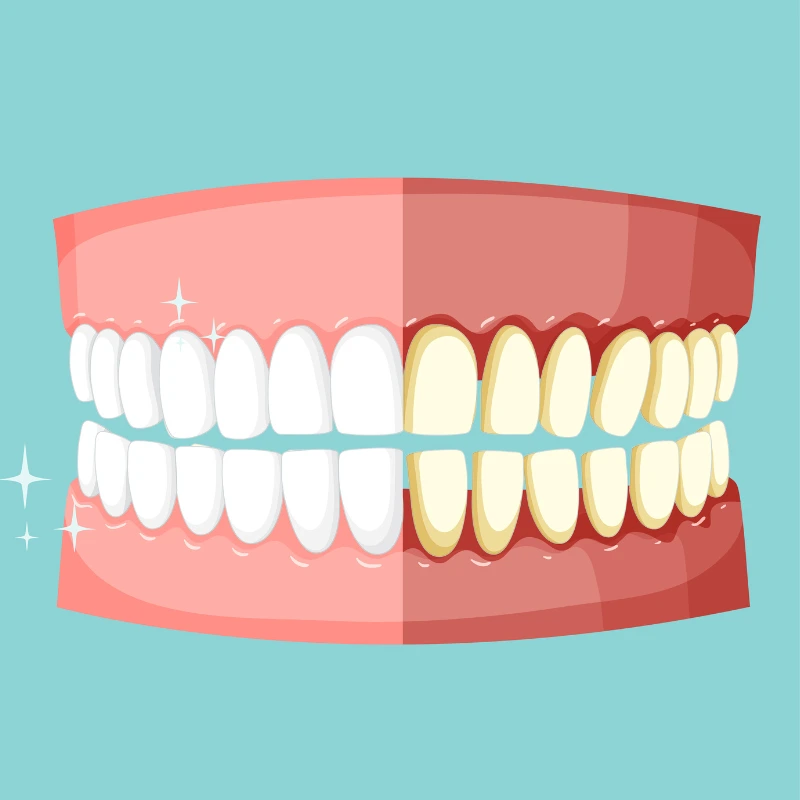
    Many people first notice the effects of smoking via tooth staining. Nicotine and tar adhere to enamel and dentin, causing yellow or brown discoloration. While professional cleaning can help, these stains often penetrate enamel over time and require cosmetic procedures (bleaching or veneers) to fully correct. Dental Health

    Think of staining not just as a cosmetic problem, but as an early signal of chemical deposition and surface damage from tobacco, roadmapping years of exposure.

    5. Tobacco Products and Physical Tooth Wear

    Smokeless tobacco (chewing tobacco, snuff, gutka) has its own set of risks. Users often place tobacco in specific areas of the mouth, which leads to:

    • Constant abrasion: Coarse particles can wear down enamel.
    • Sugar exposure: Flavored additives promote decay.
    • Localized recession: Gum tissue wears away, exposing roots.
    • High tooth loss: Epidemiological evidence shows tobacco chewers have significantly more tooth loss than non‑users.

    This physical wear and exposure of sensitive root surfaces often results in permanent sensitivity, increased decay, and even structural damage.

    6. Dental Implants & Healing: Smoking Reduces Success

    Whether replacing a missing tooth with an implant or needing surgery after decay, smoking compromises oral healing. Smoking impairs blood circulation and immune function, which means:

    • Implant integration into the jawbone is less successful.
    • Post‑operative healing is slower and less predictable.
    • The risk of complications such as dry socket after extraction increases. WebMD

    In some cases, smokers may face failed implants or need additional corrective surgeries, meaning the damage extends beyond natural teeth.

    7. Oral Cancer: One of the Most Serious Permanent Consequences

    Smoking is one of the leading risk factors for oral cancer, affecting the lips, tongue, cheeks, gums, and throat. Long‑term tobacco exposure leads to DNA damage and cell mutations in oral epithelial tissues.

    According to clinical research, smokers have significantly higher rates of oral and oropharyngeal cancers compared to non‑smokers. It’s not just cigarettes — cigars, hookah, and smokeless tobacco also contribute to risk.

    Oral cancers often require extensive surgery, radiation, or chemotherapy. These treatments may involve removing tissue, part of the jawbone, or entire tooth structures, resulting in permanent changes in oral anatomy and function.

    Dry mouth and bad breath caused by smoking affecting oral health

    8. Dry Mouth, Bad Breath & Sensory Changes

    Smoking also affects oral function in ways many people overlook:

    • Dry mouth (xerostomia): Smoking reduces saliva that protects teeth and gums.
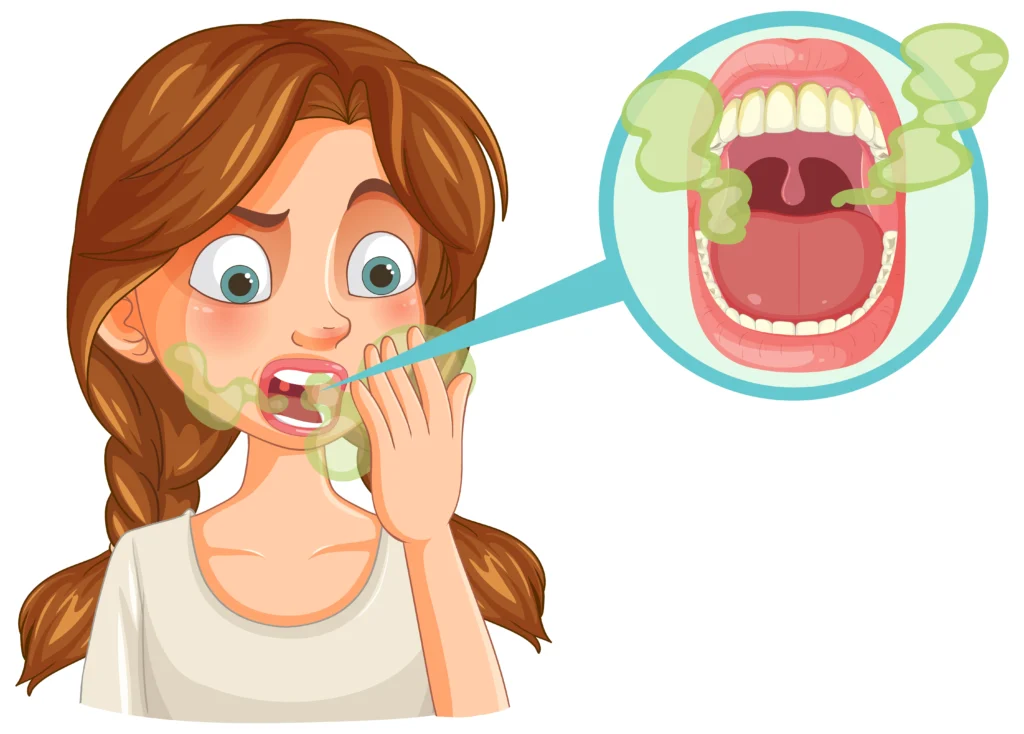
    • Bad breath (halitosis): Residual smoke compounds and bacterial overgrowth cause persistent odor.
    • Taste and smell reduction: Smokers often report diminished taste enjoyment. HeadStart.gov

    While not all of these are “permanent,” they often persist for years and significantly impact daily life and quality of eating and communication.

    9. Passive Smoking: It’s Not Just Active Smokers at Risk

    Even if you don’t smoke, exposure to secondhand smoke can quietly affect your oral health. Research shows that non-smokers in tobacco environments face higher risks of gum disease, cavities, and oral cancer than those not exposed. At C Dental, a leading dental clinic in Sharjah, we encourage patients to stay vigilant with regular check-ups, helping to detect early signs of damage and maintain a healthy smile — even for those who don’t smoke.. Evidence shows passive smokers have elevated oral health risk levels, reinforcing that tobacco exposure itself — even without smoking — harms oral tissues. PubMed

    10. Quitting Smoking: What Improves and What Doesn’t

    The good news is that quitting smoking reduces ongoing risk of many of these conditions:

    • Gum disease progression can slow.
    • Oral cancer risk decreases over time.
    • Healing improves post‑dental treatment.
    • Bad breath and discoloration may lessen. U.S. Food and Drug Administration

    However, some damage is permanent:

    •  Bone loss from periodontal disease
    •  Deep enamel erosion
    • Long‑standing gum recession
    • Structural changes in the jaw and teeth
    • Oral cancer surgeries

    These often require professional treatment such as bone grafting, periodontal surgery, restoration, or prosthetics.

    FAQs: Common Questions About Smoking & Tooth Damage

    Q: Can smoking actually make my teeth fall out?

    A: Yes. Smoking increases the risk of gum disease and bone loss, which are leading causes of tooth loosening and loss.

    Q: Are vaping and e‑cigarettes safer for my oral health?

    A: Vaping may still harm oral tissues and disrupt the oral microbiome, increasing susceptibility to infections and gum problems, though research is still evolving.

    Q: Will my teeth stain permanently from smoking?

    A:  Tobacco staining often requires professional dental cleaning or cosmetic treatment to fully remove; brushing alone usually isn’t enough

    Q: Does tobacco cause oral cancer?

    A: Yes. Tobacco use greatly increases the risk of oral cancers in the lips, tongue, and mouth. Quitting reduces risk over time, but past damage may persist.

    Q: Can quitting smoking reverse gum recession?

    A: Quitting protects against further progression, but lost gum and bone tissue do not regenerate without dental intervention.

    Conclusion: The Deep Reality of Smoking and Oral Health

    Smoking and tobacco use are more than bad habits — they are a major dental health risk with consequences that are often long‑lasting or permanent. From increased cavities, gum disease, and bone loss to cosmetic staining and oral cancer, the evidence is clear: tobacco significantly damages the oral ecosystem.

    The first step toward protecting your smile is awareness. Regular dental care, reducing tobacco use, and quitting smoking can prevent ongoing harm and allow many aspects of oral health to improve. If significant damage has already occurred, dental professionals can help with targeted treatments to restore function and aesthetics.

    Don’t wait until damage becomes permanent — 👉 book your appointment at C Dental, a trusted dental clinic in Sharjah, today and get expert care to restore, protect, and maintain a healthy, confident smile.

    References

    1. How Tobacco Use Affects Oral Health– U.S. Food and Drug Administration
    2. Effects of tobacco product use on oral health and the role of oral healthcare providers in cessation–  National Library of Medicine
    3. Influence of Smoking on Periodontal and Implant Therapy–  MDPI
    4. Cigarette smoking and periodontal diseases: etiology and management of disease– National Library of Medicine
    5. Effect of tobacco on periodontal disease and oral cancer– National Library of Medicine

    Please subscribe to our social channels for updates related to dental care and oral health.

    Instagram:  cdental2025
    Facebook:  CDental 
    YouTube: C-Dental Clinic 
  • Can a Root Canal Cause Bad Breath? Causes, Prevention & Care | C Dental Sharjah

    Can a Root Canal Cause Bad Breath? Causes, Prevention & Care | C Dental Sharjah

    You’ve probably heard that a root canal treatment can be a lifesaver for a tooth that’s badly decayed or infected. But many patients still ask an important and valid question: Can a root canal cause bad breath?

    Bad breath—clinically known as halitosis—can be uncomfortable, embarrassing, and frustrating, especially when it appears after a dental procedure meant to improve oral health. While halitosis is often linked to poor oral hygiene, food habits, or gum disease, it can sometimes occur after dental treatments such as root canal therapy.

    With thousands of root canal procedures performed every day across the UAE, understanding what’s normal, what’s temporary, and when to seek help is essential. This comprehensive guide from C Dental Sharjah explains the real connection between root canal treatments and bad breath, backed by dental science and practical aftercare advice.

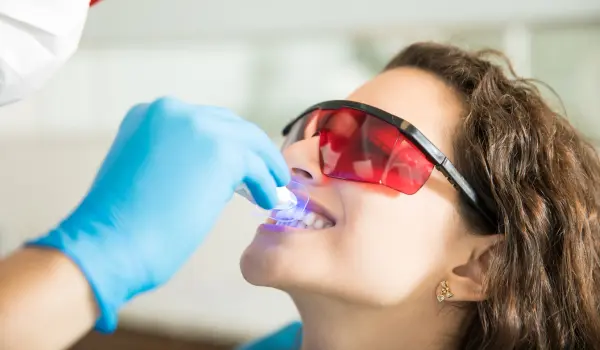
    Root canal treatment at C Dental Sharjah preventing bad breath and dental infection

    Key Takeaways

    • A root canal is designed to eliminate infection and improve oral health, not cause long-term bad breath.
    • Temporary bad breath after a root canal can occur due to healing-related factors.
    • Persistent halitosis may indicate incomplete treatment or post-procedure infection.
    • Proper post-root canal care dramatically reduces breath issues.
    • Expert treatment and follow-up care at C Dental Sharjah help prevent complications.

    Understanding the Connection Between Root Canals and Bad Breath

    To understand why bad breath may occur after a root canal, it’s important to first understand what the procedure involves and how oral bacteria behave during healing.

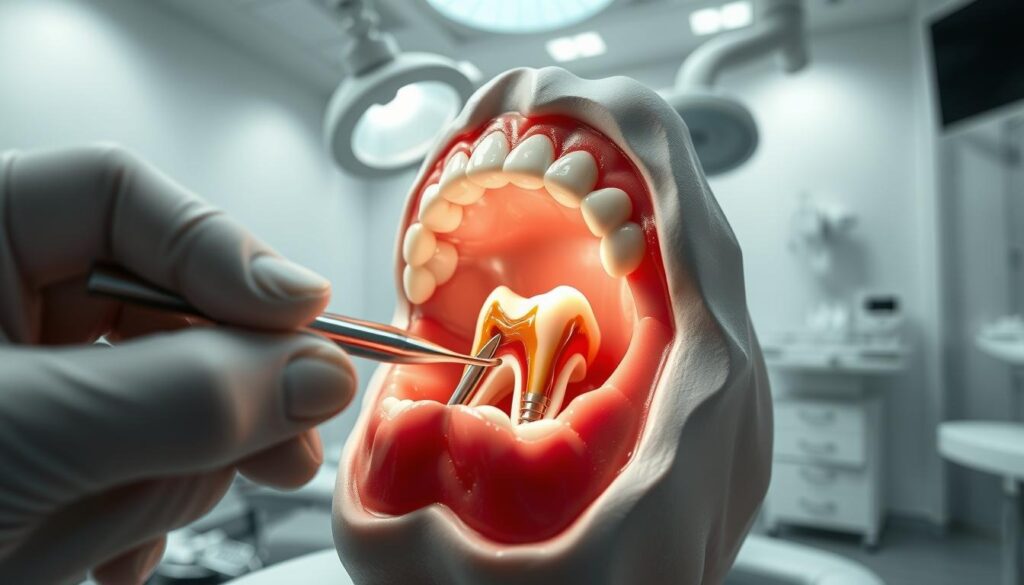
    What Happens During a Root Canal Procedure

    A root canal treatment removes infected or inflamed pulp tissue from inside the tooth while preserving the natural tooth structure. The procedure typically includes:

    • Administering local anesthesia to numb the area
    • Creating a small opening to access the pulp chamber
    • Removing infected or damaged pulp tissue
    • Cleaning, disinfecting, and shaping the root canals
    • Sealing the canals with gutta-percha to prevent reinfection
    • Restoring the tooth with a filling or crown

    When performed thoroughly and under proper sterilization, a root canal eliminates infection, which is one of the main causes of chronic bad breath.

    How Dental Procedures Can Affect Your Breath

    Dental procedures can temporarily alter your oral environment. After a root canal, you may experience:

    • Temporary dryness due to anesthesia or medications
    • Minor inflammation during healing
    • Short-term changes in oral bacteria balance

    Saliva plays a crucial role in controlling odor-causing bacteria. Any reduction in saliva flow—known as xerostomia—can allow bacteria to multiply and release odor-causing compounds.

    C Dental Sharjah guide on causes, prevention, and care for bad breath after root cana

    5 Ways a Root Canal Can Cause Bad Breath (Temporarily)

    While root canal treatment itself does not cause chronic halitosis, several short-term factors may contribute to bad breath after a root canal.

    1. Bacterial Growth During Recovery

    After treatment, the surrounding tissues need time to heal. During this period:

    • Bacteria may temporarily increase
    • Volatile sulfur compounds (VSCs) may form
    • Inadequate cleaning can worsen odor

    Maintaining strict oral hygiene is essential during recovery.

    2. Temporary Dry Mouth After Treatment

    Dry mouth is a common short-term side effect caused by:

    • Local anesthesia
    • Pain medications
    • Reduced fluid intake

    Saliva naturally neutralizes bacteria, so reduced saliva can contribute to root canal halitosis.

    3. Medication Side Effects

    Post-treatment medications such as:

    • Antibiotics
    • Pain relievers

    may alter your oral microbiome or reduce saliva flow, indirectly contributing to bad breath.

    4. Incomplete Root Canal Treatment

    If microscopic bacteria remain due to:

    • Missed canals
    • Complex root anatomy
    • Inadequate sealing

    Infection may persist and cause long-term bad breath after a root canal.

    5. Post-Procedure Infections

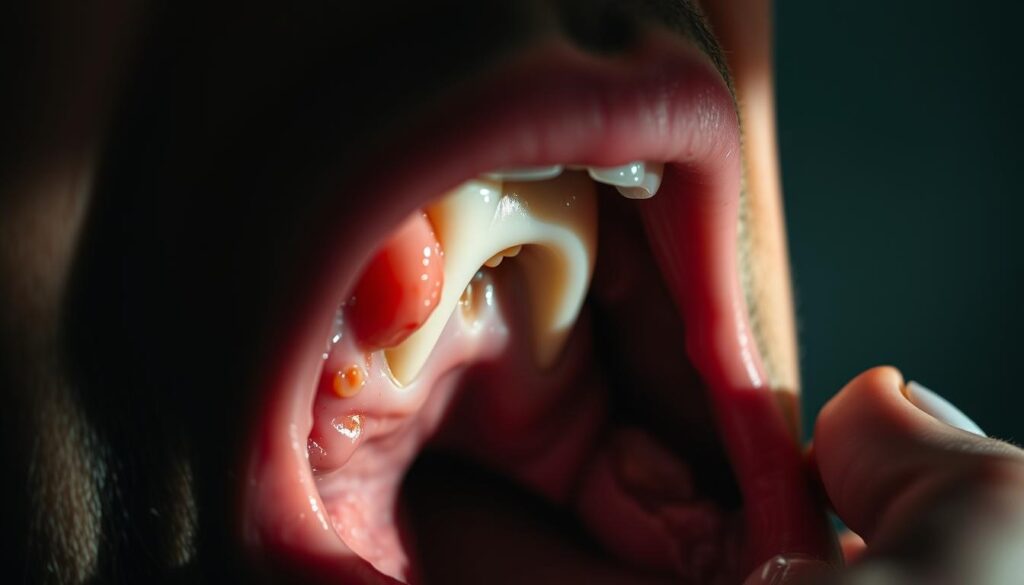
    Although uncommon, reinfection can occur if bacteria re-enter the tooth or surrounding tissues, leading to:

    • Persistent foul taste
    • Swelling or discomfort
    • Ongoing halitosis

    Normal vs. Abnormal Bad Breath After a Root Canal

    Normal Healing Timeline

    • First 24–48 hours: Mild odor or metallic taste may occur
    • 3–5 days: Breath should steadily improve
    • 7–10 days: Breath returns to normal for most patients

    Warning Signs That Require Immediate Attention

    Seek dental care if you experience:

    • Bad breath lasting longer than 7–10 days
    • Increasing pain or swelling
    • Fever or malaise
    • Persistent foul taste or discharge

    The Science Behind Oral Bacteria and Root Canal Infections

    Dental infections often involve complex bacterial communities.

    Common Bacteria Found in Infected Root Canals

    BacteriaCharacteristicsClinical Impact
    Enterococcus faecalisHighly resistantPersistent reinfection
    Streptococcus speciesCommon oral bacteriaInflammation and odor
    PeptostreptococcusAnaerobicProduces sulfur compounds

    How Bacteria Cause Bad Breath

    These bacteria break down proteins and release volatile sulfur compounds (VSCs), responsible for the unpleasant odor associated with halitosis.

    7 Effective Solutions for Bad Breath After a Root Canal

    1. Maintain Excellent Oral Hygiene

    • Brush twice daily with fluoride toothpaste
    • Floss carefully around the treated tooth

    2. Use Dentist-Recommended Mouthwashes

    Antibacterial rinses help control bacterial growth during healing.

    3. Adjust Your Diet

    Avoid strong-smelling foods and choose crunchy fruits and vegetables to stimulate saliva.

    4. Stay Well Hydrated

    Adequate hydration supports saliva production and natural cleansing.

    5. Use Sugar-Free Gum or Lozenges

    Helps stimulate saliva without feeding bacteria.

    6. Attend Follow-Up Appointments

    Your dentist can ensure the root canal has healed properly.

    7. Address Underlying Gum Issues

    Periodontal health plays a major role in breath freshness.

    Can a Root Canal Cause Bad Breath That Lasts for Months?

    Persistent halitosis after root canal treatment is not normal and usually indicates an unresolved issue.

    Common Long-Term Causes

    • Incomplete root canal treatment
    • Undiagnosed gum disease
    • Chronic dry mouth
    • Post-treatment reinfection

    When to Seek Follow-Up Care

    If bad breath persists beyond a few weeks, a professional evaluation is essential to prevent further complications.

    Prevention Tips: Reducing Bad Breath Risk Before Your Root Canal

    • Brush and floss thoroughly before treatment
    • Use antibacterial mouthwash
    • Avoid smoking and alcohol
    • Discuss medical history with your dentist

    C Dental Sharjah’s Approach to Preventing Post-Root Canal Halitosis

    Advanced Sterilization Protocols

    C Dental Sharjah follows international sterilization standards to eliminate bacterial contamination.

    Personalized Aftercare Instructions

    Each patient receives tailored guidance for recovery, hygiene, and diet.

    Ongoing Monitoring and Follow-Up

    Regular check-ups ensure early detection of any post-treatment issues.

    Common Myths About Root Canals and Bad Breath

    Myth: Root canals cause chronic bad breath
    Fact: Properly performed root canals eliminate infection—the real cause of halitosis.

    Myth: Bad breath after treatment is permanent
    Fact: It is usually temporary and preventable.

    Frequently Asked Questions (FAQ)

    Q: Can a root canal cause bad breath?
    A: Yes, but usually temporarily. Proper aftercare minimizes the risk.

    Q: How long does bad breath last after a root canal?
    A: Typically a few days to one week.

    Q: Is persistent bad breath a sign of infection?
    A: It can be and should be evaluated by a dentist.

    Q: Can breath fresheners solve the problem?
    A: They mask odor but do not treat the underlying cause.

    Conclusion

    A root canal treatment is a safe, effective way to eliminate dental infection and preserve your natural tooth. While bad breath after a root canal can occur temporarily, it is usually linked to healing-related factors and resolves with proper care.

    Persistent halitosis is not normal and should always be evaluated by a dental professional. With advanced techniques, strict sterilization, and personalized aftercare, C Dental Sharjah ensures your treatment leads to lasting oral health—and a confident, fresh smile.

    Book your consultation today with C Dental Sharjah and take the first step toward a healthy, fresh-smelling smile!

    References

    1. American Dental Association (ADA) – Clinical explanations on root canal therapy, causes of halitosis, and post-procedure care.
    2. Science Direct –Association of Odor from Infected Root Canal Analyzed by an Electronic Nose with Isolated Bacteria.
    3. Implant Center of Miami – Can a root canal cause bad breath? Discover the link between root canals and halitosis.
    4. Mayo Clinic – Medical overviews on halitosis, dry mouth (xerostomia), and medication-related oral side effects.
    5. Hockey Smiles Dental –Does a Root Canal Cause Bad Breath?

    Please subscribe to our social channels for updates related to dental care and oral health.

    Instagram:  cdental2025
    Facebook:  CDental 
    YouTube: C-Dental Clinic 
  • Teeth Whitening: In-Clinic vs At-Home Solutions

    Teeth Whitening: In-Clinic vs At-Home Solutions

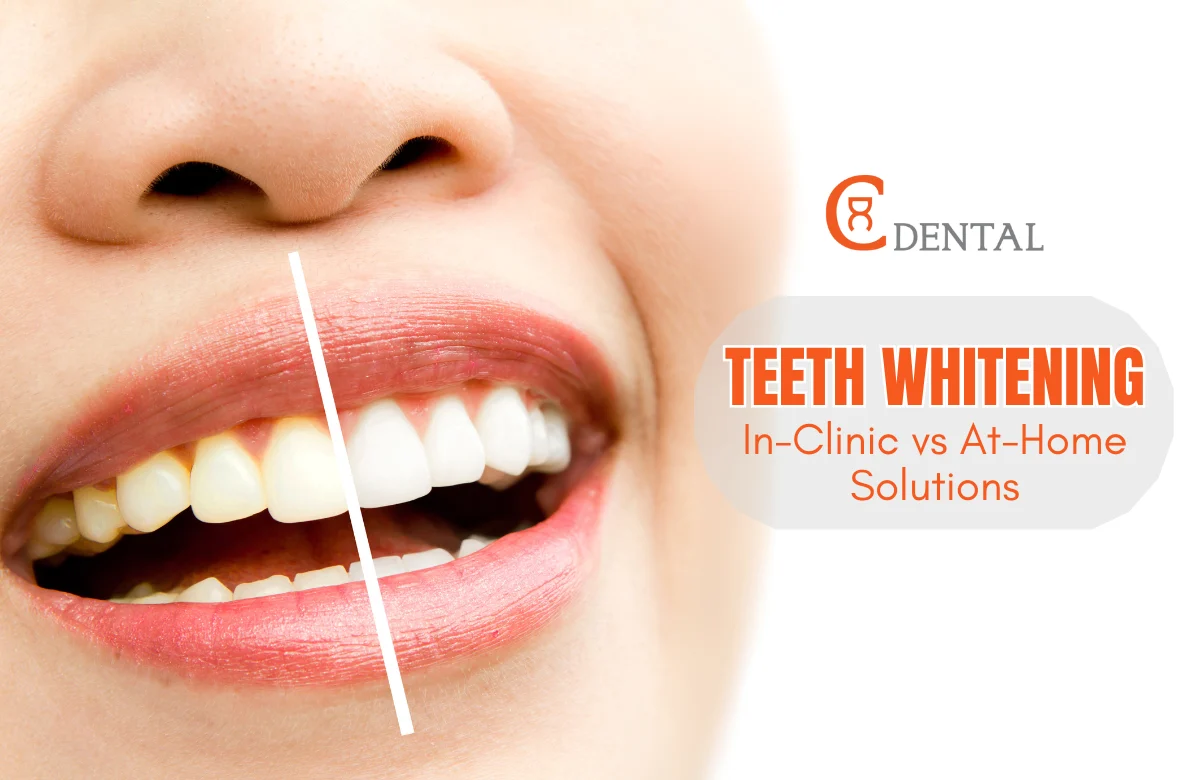
    Your smile is one of the first things people notice. Over time, teeth can develop stains or yellowing that affect confidence. Teeth whitening has become a popular solution—but with so many options, how do you know what works best? In this guide, we break down in-clinic versus at-home teeth whitening, their pros, cons, and what you can realistically expect.

    Why Teeth Whitening Matters for Everyday Confidence

    A bright, white smile doesn’t just look good—it can influence how others perceive you and how you feel about yourself. While good oral hygiene keeps your teeth healthy, cosmetic discoloration is common, caused by coffee, tea, smoking, or natural enamel changes. Choosing the right whitening method ensures you achieve a confident smile without compromising enamel or comfort.

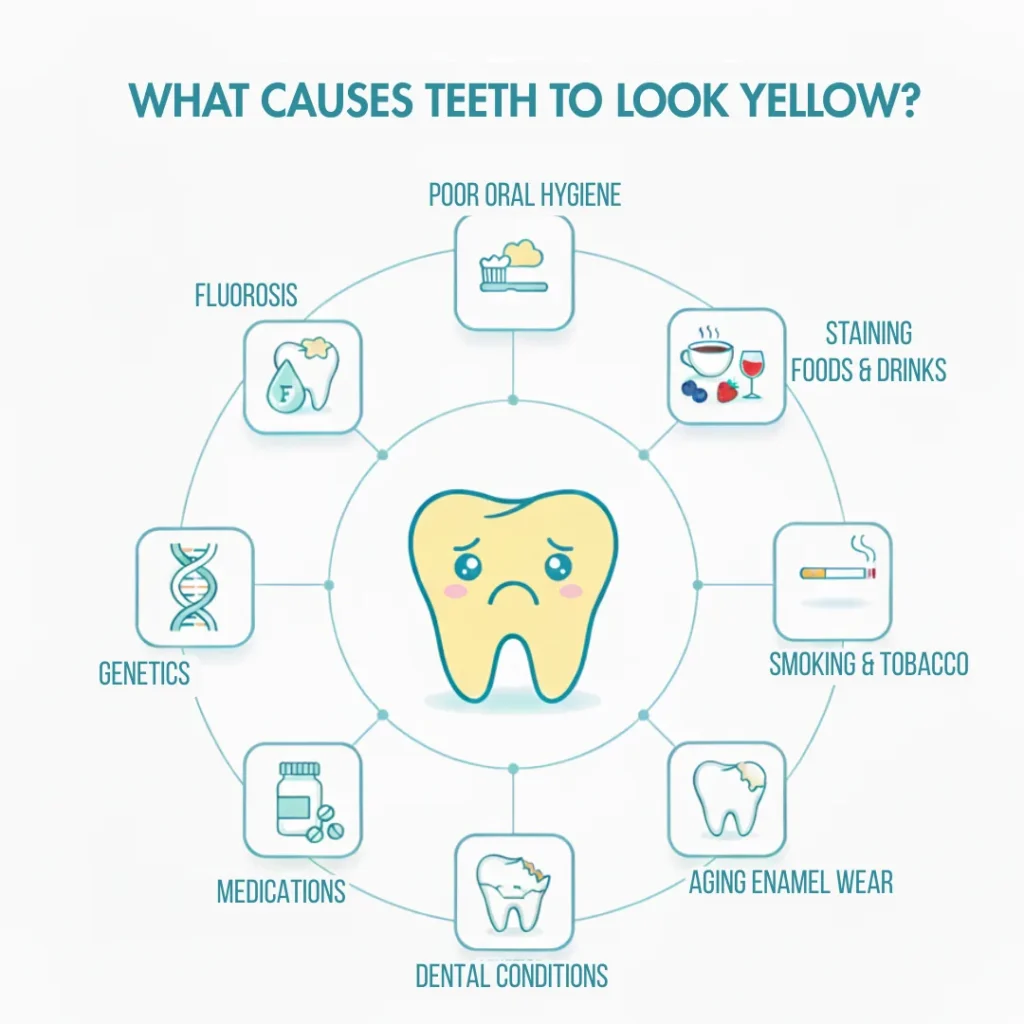
    Why teeth turn yellow: enamel thinning and surface stains explained

    What Causes Teeth to Look Yellow in the First Place?

    Understanding the cause of discoloration helps choose the most effective whitening method:

    • Extrinsic stains: Surface stains from coffee, tea, red wine, tobacco, or certain foods.
    • Intrinsic stains: Deeper discoloration due to natural dentin color or minor enamel thinning.
    • Aging: Natural enamel wear exposes underlying dentin, making teeth appear darker.
    • Dental treatments: Fillings or crowns can sometimes discolor over time.

    In-Clinic Teeth Whitening: How It Works

    In-clinic whitening is performed by dental professionals and uses stronger bleaching agents under controlled conditions.

    How It Works

    • High-concentration whitening gels are safely applied to teeth.
    • Optional light or laser activation to accelerate results.
    • Protective barriers shield gums and soft tissue.
    • Dentist supervision ensures safe application.

    Pros of In-Clinic Whitening

    • Fast, visible results after a single session.
    • Effective for deeper stains.
    • Even whitening across all teeth.
    • Minimal risk when applied professionally.

    Cons of In-Clinic Whitening

    • Higher cost compared to at-home kits.
    • Requires a visit to the dental clinic.
    • Results are not permanent and need periodic maintenance.

    Typical Whitening Cost

    Costs vary depending on treatment type and clinic location. In-clinic whitening is generally considered an investment in safety, speed, and predictability.

    At-Home Teeth Whitening: How It Works

    At-home whitening kits are widely available and convenient, but effectiveness depends on proper use.

    Common Types

    • Whitening strips
    • Whitening pens or gels
    • LED whitening kits
    • Custom trays provided by dentists

    Pros of At-Home Whitening

    • Budget-friendly option for mild stains.
    • Convenient and flexible for home use.
    • Useful for maintaining results after in-clinic treatment.

    Cons of At-Home Whitening

    • Slower results, usually several weeks.
    • Uneven whitening may occur if applied incorrectly.
    • Risk of sensitivity or gum irritation if overused.

    In-Clinic vs At-Home Whitening: A Clear Comparison

    FactorIn-Clinic WhiteningAt-Home Whitening
    SpeedFast (1–2 sessions)Gradual (2–4 weeks)
    StrengthHigh-concentration gelsLow–moderate concentration
    SafetyDentist superviseUser-controlled
    ResultsEven, predictableVariable, may be patchy
    CostHigherLower
    MaintenanceTouch-ups recommendedRepeated application required

    Safety Considerations: Protecting Your Enamel & Smile

    Whitening is cosmetic, not a dental necessity. Safety is key:

    • Avoid overusing high-concentration gels.
    • Monitor sensitivity during and after whitening.
    • Follow the dentist’s guidance to prevent enamel damage.
    • Avoid whitening if you have active cavities or gum disease.

    Choosing the Right Whitening Approach

    Choose In-Clinic Whitening If You:

    • Want fast, noticeable results.
    • Have deeper stains that at-home kits cannot address.
    • Prefer professional supervision for safety and predictable outcomes.

    Choose At-Home Whitening If You:

    • Have mild surface stains.
    • Want a cost-effective, gradual whitening process.
    • Are disciplined with consistent use.

    Maintaining Whitening Results Long-Term

    To extend the effects of whitening:

    • Limit consumption of staining beverages such as coffee, tea, or red wine.
    • Brush twice daily and maintain good oral hygiene.
    • Consider touch-up kits for gradual fading.
    • Schedule regular cleanings with your dentist to maintain optimal results.

    Common Myths About Teeth Whitening

    • Whitening permanently damages enamel (False with professional guidance).
    • At-home kits are equally effective as professional treatments (Partially false; results vary).
    • Whitening is a one-time solution (False; maintenance is required).
    • All teeth respond the same way (False; intrinsic stains may need professional treatment).

    Why Patients Prefer Professional Whitening at C-Dental

    At C-Dental, we focus on safe, effective, and comfortable cosmetic treatments:

    • Experienced cosmetic dentists supervise every procedure.
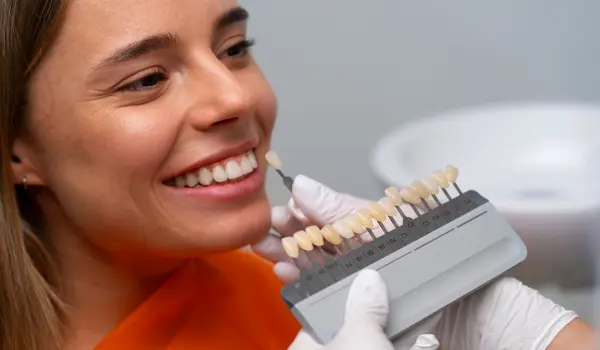
    • Shade assessment ensures realistic results.
    • Sensitivity management protocols reduce discomfort.
    • Modern whitening systems provide safe, predictable results.
    • Honest guidance sets clear expectations before treatment.

    Frequently Asked Questions: Teeth Whitening

    Q1: Is professional teeth whitening safe?
    Yes, when applied by a trained dentist with proper protective measures.

    Q2: How long do whitening results last?
    Results vary depending on lifestyle and maintenance; touch-ups may be needed periodically.

    Q3: Do whitening strips really work?
    They are effective for mild surface stains but may not remove deep discoloration.

    Q4: Why do teeth become sensitive after whitening?
    Sensitivity is temporary and usually due to peroxide concentration; professional care minimizes risk.

    Q5: Which method gives faster results?
    In-clinic whitening provides faster and more predictable results than at-home kits.

    Conclusion: Choose the Whitening Method That Suits Your Needs

    Both in-clinic and at-home teeth whitening methods can enhance the brightness of your smile. The best option depends on your goals, type of discoloration, sensitivity level, budget, and the pace at which you want to see results.
    At-home kits can be helpful for mild staining and gradual change, while in-clinic whitening offers quicker, more controlled results—especially for deeper or persistent discoloration.

    If you’re considering whitening and want guidance on what’s best for your teeth, a professional assessment can help you make an informed decision.

    Interested in Teeth Whitening?
    You’re welcome to book a consultation at C-Dental to understand which method suits you best.

    During your visit, our team will help with:

    • Assessing your tooth shade and sensitivity
    • Recommending suitable whitening options
    • Ensuring a comfortable, safe experience

    👉 Book your consultation today

    References

    1. Teeth Whitening: More Effective at Home or in the Clinic?  Dentevim Dental Clinic
    2. Teeth Whitening Options: In-Clinic vs. At-Home – Which is Right for You?-Ministry Of Smile
    3. In-Clinic vs At-Home Teeth Whitening: Which Is Better?-Dental Niddrie Plaza
    4. Why Choose Professional Teeth Whitening Over Home Treatments?-The Team Dental
    5. Teeth Whitening Treatment: In-Clinic vs At-Home Kits—What’s Safer and More Effective?– Sure Smile Dental Care

    Please subscribe to our social channels for updates related to dental care and oral health.

    Instagram:  cdental2025
    Facebook:  CDental 
    YouTube: C-Dental Clinic 
  • Best Diet for Teeth: What to Eat & Avoid

    Best Diet for Teeth: What to Eat & Avoid

    Have you ever wondered why you suffer from cavities while your best friend’s smile is healthy and white by nature? It’s not just about brushing—your diet for teeth plays a major role. Your beautiful smile starts with the food you eat, according to C Dental, the best dental office in Sharjah that serves at Dubai. Let’s examine which foods promote a bright, healthy smile and which ones you should stay away from.

    Why a Healthy Diet for Teeth Is So Important

    Think of your mouth as a garden. Good things to eat produce healthy plants, and good food produces healthy gums and teeth. Bad food will kill your “garden,” and good food will have it blooming.

    • Food as Fuel: Every bite takes a toll on your teeth. Acid and sweet foods provide disgusting germs with food, leading to decay and gum disease, while nutrient foods make enamel and gums strong.
    • Saliva Production: Saliva-producing foods dislodge food particles and flush acids out.
    • Mineral Replenishment: Your teeth need minerals like phosphorus and calcium to heal and harden. A healthy diet replenishes them daily as well.

    The Best Diet for Teeth to Keep Your Smile Bright

    DIET FOR TEETH
    • Dairy Delights
      • Cheese, milk, and yogurt have calcium and casein that harden enamel and strengthen your teeth.
      • Calcium Power: Calcium may actually repair and protect enamel and make teeth cavity-proof.
      • Casein Benefits: Casein milk protein may actually remineralize enamel and reduce acid erosion.
      • Probiotic Benefits: Yogurt probiotics may actually stabilize oral bacteria and provide healthy gums.
    • Crunchy Fruits & Vegetables
      • Apples, celery, and carrots are Nature’s toothbrushes, brushing away food particles and activating saliva
      • Natural Cleansers: Their fibrous nature actually breaks up food particles and plaque mechanically.
      • Vitamin Boost: Raw fruits and vegetables are rich in vitamins A and C, which healthy gums and fast healing of minor cuts require.
      • Hydration: Crunchy veggies are full of water, so they keep your mouth moist and clean
    • Leafy Greens
      • Spinach, kale, and Swiss chard are packed with calcium, folic acid, and vitamin K—all your gums and teeth need to stay healthy.
      • Phosphorus and calcium in the greens harden your enamel on your teeth.
      • Folic acid stops gums from bleeding and inflammation.
      • Low Sugar: Leafy greens are tooth-friendly due to less sugar and acids.
    • Nuts & Seeds
      • Walnuts, cashews, and almonds have phosphorus and calcium in them, which make your teeth strong from the inside.
      • Mineral-Rich: They give teeth minerals to remineralize them.
      • Healthy Fats: They have healthy fats that lessen gum inflammation.
      • Chewing Benefits: Mastication triggers the release of saliva that naturally cleans your mouth.
    • Lean Proteins & Fatty Fish
      • Phosphorus-rich foods such as salmon, sardines, and lean meat shield your enamel.
      • Protein Power: Protein is tissue builder, much like gum.
      • Omega-3s: Omega-3 fatty acids in fatty fish lower gum inflammation and heal quicker.
      • Iron Content: Lean meat has iron, which stimulates good gum flow.
    • Water
      • Water is the best friend for your mouth. Water rinses food particles away and moisturizes your mouth.
      • Natural Cleanser: Spitting out a meal using water is an effective method to spit out sugars and acids.
      • Fluoride Benefit: Tap water will generally be fluoridated, which hardens the enamel and resists cavities.
      • Hydration: A wet mouth keeps gums and breath healthy.

    Foods and Habits to Avoid in a Diet for Teeth

    Sugary Snacks & Drinks

    • Sweets, sodas, and yogurts with added sugars create a food supply for bacteria, which feed on it, break it down, and create acid and weaken your enamel.
      • Risk of Cavity: Sugar is the energy source bacteria like best to form cavities.
      • Acid Attack: Soft drinks and jam and fruit juices have an acidic nature that can damage the enamel in no time.
      • Hidden Sugars: Be aware of added sugar in pre-prepared food, sauces, and even bread.

    Sticky or Starchy Foods

    Bread, chips, and dry fruits stick to teeth and give more time to bacteria to act upon them.

    • Long-Lasting Sugars: Sticky foods get retained on teeth for very long time, and so there is greater chance of cavities
      • Starch Breakdown: Mouth starches are broken down to sugars, which are utilized to provide food to bacteria.
      • Dried Fruit Danger: Even natural sugars of fruit in dried fruit are dangerous if they are pushed against teeth.

    Routine Snacking

    Your teeth are put under acid attack for longer with snacking.

    • Acidic Environment: With each snack, acid is being created that demineralizes the enamel.
    • Less Saliva: You don’t produce as much saliva when you’re not eating, and so your teeth aren’t as protected if you snack all the time.
    • Better Habits: Do your best to avoid snacking and use tooth-friendly food when you do snack.

    Acidic Foods & Drinks

    Sports drinks, citrus foods, and foods with vinegar will wear away enamel if you eat them too frequently.

    • Wearing Down of Enamel: Acid foods soften enamel so cavities are more probable.
    • Timing Is Everything: Swallow acid foods by spitting out the water after swallowing them and wait before brushing to avoid weakening damage to take hold on the enamel.
    • Better Options: Eat acid foods with meals to lessen their impact.
    • Interactive: Test Your Tooth-Friendly Food IQ

    Fun Facts: What’s Good in a Diet for Teeth?

    • A handful of almonds or a handful of candies?
    • Glass of fizz or glass of water?
    • Sticky sweets or crunchy carrot?
    • You picked almonds, water, and carrots—good job, you’re already a wise eater for your smile!
    • Bonus Challenge: Take a look at the labels when you’re shopping next time—can you spot the sneaky sugars?

    C Dental’s Smart Eating Tips

    • Eat a Balanced Meal: Indulge in some mix of fruits, vegetables, whole food, protein, and dairy. This provides your teeth with all the nutrients they require to remain in top condition
    • Time Your Treats: Consume sweets with meals, not between meals, so your mouth will have extra saliva to battle acids.
    • Rinse and Hydrate: Rinse with water after eating snacks and meals to eliminate sugars and acids.
    • Snack Smart: Have tooth-friendly snacks such as raw vegetables, cheese, or nuts available.
    • Chew Sugar-Free Gum: This may stimulate saliva production and rinse your mouth during meals.
    • Minimize Night Eating: Saliva production is less at night, so do not eat or drink (with the exception of water) in the evening

    How the Right Diet for Teeth Protects Your Gums

    Healthy gums equate to healthy teeth. Orange and strawberries, both extremely rich in vitamin C, are wonderful to have for healthy gums and in gums that are illness-free healthy.Vitamin C: For the creation of healthy and firm gums via the production of collagen.

    • Antioxidants: Vegetables and fruits contain antioxidants which repair and fight bacteria in gums.
    • Be Careful of Irritants: Acid or spicy food irritates gum-sensitive gums; you need to be careful of this if you are gum-sensitive.
    • Drink and Keep Your Body Hydrated: Dry mouth creates gum problems; drink water at a given time interval of the day.

    C Dental’s Promise: Supporting Your Diet for Teeth

    We’re not only a dental clinic in C Dental. We’re your friends for oral care throughout your life. Our experts in Dubai and Sharjah apply the finest equipment and soft hands to make you feel your best. We’re here to provide you with help from daily oral care to food-friendly smile.

    • Personalized Advice: We help you choose the ideal food for your individual needs.
    • Preventive Strategy: Prevention is what we do, so you can stay one step ahead of trouble before it starts.
    • Total Care: From cleanings to complex treatment, we’re with you through every stage of your smile.

    Diet is an Effective Tool

    Your diet is an excellent means of maintaining healthy gums and teeth. Eat what you require and not what you don’t, and you’ll enjoy a stunning smile for years to come. Are you prepared to learn again how to take care of your teeth? Visit C Dental in Sharjah and experience the difference that practical training and customized attention can make. Your smile’s best friend begins here—today.

    Book your appointment today at C Dental and discover the secret to a brighter, healthier smile

    Also Read: C Dental: How Sugar Affects Your Teeth

    FAQ’s

    1. What is the best diet for teeth health?
      • A balanced diet with calcium-rich dairy, crunchy vegetables, nuts, and lean proteins helps strengthen enamel and protect your gums.
    2. Which foods should I avoid for healthy teeth?
      • Limit sugary snacks, sodas, sticky foods, and acidic drinks as they weaken enamel and increase cavity risk.
    3. How does diet affect gum health?
      • Nutrient-rich foods with vitamin C and antioxidants support gum healing, while spicy or acidic foods can irritate sensitive gums.
    4. Can drinking water improve my oral health?
      • Yes. Water rinses away food particles, reduces acids, hydrates your mouth, and supports stronger enamel, especially if fluoridated.
    5. Why is diet more important than brushing alone for healthy teeth?
      • Brushing helps, but diet directly impacts enamel strength, saliva flow, and bacteria levels—making food choices key for a healthy smile.

    How did you like our blog? Do share your thoughts in the comments.

    Join our Facebook community for the latest updates and tips