Tag: Diet for teeth

  • Daily Habits That Help Prevent Cavities (Dentist-Approved Guide)

    Daily Habits That Help Prevent Cavities (Dentist-Approved Guide)

    Cavities don’t appear overnight. They develop quietly, often without pain, until the damage becomes serious. The good news? Simple daily choices can make a big difference. Understanding how to prevent cavities naturally starts with knowing which habits protect your teeth—and which ones slowly weaken them.

    Most people assume brushing alone is enough, but cavity prevention goes far beyond that. From how often you snack to how you brush, small mistakes can undo your oral care routine. At C Dental Clinic, we see many patients who could have avoided treatment with a few preventive changes made early on.

    This guide breaks down dentist-approved habits that support strong teeth, explains common mistakes, and shows you how to prevent cavities naturally with consistency rather than complexity.

    Why Cavities Develop in the First Place

    Cavities form when bacteria in dental plaque feed on sugars and starches left on your teeth. These bacteria produce acid that attacks tooth enamel. Over time, repeated acid attacks weaken enamel, leading to decay.

    Several factors increase cavity risk:

    • Frequent sugar exposure
    • Poor oral hygiene routine
    • Reduced saliva production
    • Weak enamel or lack of fluoride

    Understanding this process is essential if you want to prevent cavities naturally and protect your teeth long-term.
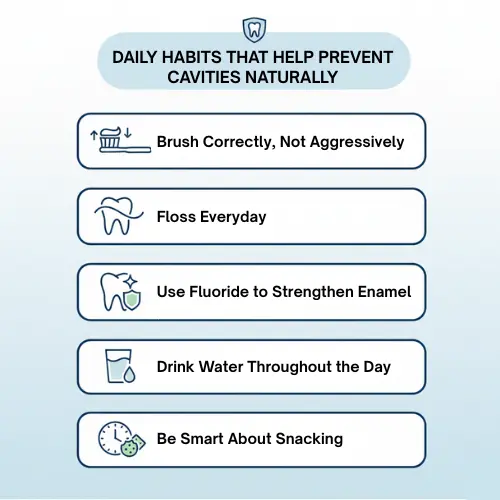
    Daily Habits That Help Prevent Cavities (Dentist-Approved Guide)

    Daily Habits That Help Prevent Cavities Naturally

    Developing the right habits is the most effective way to stop decay before it starts. Below are proven strategies dentists recommend.

    Brush Correctly, Not Aggressively

    Brushing twice daily removes plaque, but technique matters. Use gentle circular motions and spend at least two minutes brushing all tooth surfaces. Brushing too hard can damage enamel and gums, increasing sensitivity instead of helping you prevent cavities naturally.

    Floss Every Day (Yes, Every Day)

    Flossing removes plaque between teeth—areas your toothbrush can’t reach. This step is crucial for tooth decay prevention, as cavities often begin in these hidden spaces.

    Use Fluoride to Strengthen Enamel

    Fluoride supports enamel remineralization, making teeth more resistant to acid attacks. A fluoride toothpaste is a key part of any oral hygiene routine designed to prevent cavities naturally.

    Drink Water Throughout the Day

    Water washes away food particles, supports saliva production, and helps neutralize acids. Staying hydrated is one of the easiest cavity prevention tips most people overlook.

    Be Smart About Snacking

    It’s not just sugar—it’s frequency. Constant snacking keeps your teeth under acid attack. Limiting snacks and rinsing with water afterward supports healthy teeth habits and helps prevent cavities naturally.

    Common Daily Habits That Increase Cavity Risk

    Even people who brush regularly can develop cavities due to small daily mistakes.

    • Skipping nighttime brushing
    • Frequent sugary or starchy snacks
    • Brushing too hard or too quickly
    • Ignoring flossing
    • Using toothpaste without fluoride

    These habits encourage dental plaque buildup and weaken enamel protection. Correcting them early is essential to prevent cavities naturally and avoid future dental treatments.

    What Dentists Recommend for Long-Term Cavity Prevention

    Dentists focus on prevention before treatment. Professional guidance, combined with home care, offers the strongest defense against cavities.

    At C Dental Clinic Sharjah, dentists emphasize:

    • Consistent brushing and flossing
    • Fluoride use based on individual risk
    • Monitoring early enamel changes
    • Personalized oral care advice

    This approach helps patients prevent cavities naturally while maintaining gum health and strong enamel over time.

    When to See a Dentist Before a Cavity Gets Worse

    Cavities often begin without pain. Early signs may include:

    • Sensitivity to sweets or cold
    • White or dark spots on teeth
    • Mild discomfort while chewing

    Visiting the C Dental Clinic in Sharjah at the first sign allows dentists to stop decay before it progresses. Early care reduces the need for fillings and supports long-term oral health.

    Frequently Ask Quesitons

    Q: How often should I brush and floss to prevent cavities naturally?

    A: To prevent cavities effectively, brush twice a day using gentle circular motions for at least two minutes and floss once daily. Brushing too hard or skipping flossing can leave plaque in hidden areas, increasing your risk of decay. Consistency is key to protecting your teeth long-term.

    Q: Does using fluoride really help prevent cavities?

    A: Yes! Fluoride strengthens tooth enamel, making it more resistant to acid attacks from plaque bacteria. Using a fluoride toothpaste as part of your daily routine is one of the most effective ways to prevent cavities naturally and maintain strong teeth.

    Q: Are sugary snacks the main cause of cavities?

    A: Frequent sugar intake increases cavity risk, but it’s not just sugar—constant snacking and starchy foods keep teeth under acid attack. Limiting snacks, drinking water after eating, and maintaining good oral hygiene can significantly reduce your risk.

    Q: When should I visit a dentist for early signs of cavities?

    A: Visit a dentist as soon as you notice early signs like sensitivity to sweets or cold, white or dark spots, or mild discomfort while chewing. Early detection at clinics can prevent decay from worsening and reduce the need for fillings, keeping your smile healthy long-term.

    Final Thoughts: Prevention Is Always Easier Than Treatment

    Cavities are largely preventable when daily habits are consistent and informed. By improving your brushing technique, flossing daily, managing sugar intake, and using fluoride correctly, you can prevent cavities naturally without complicated routines.

    Regular dental guidance also plays a key role. Clinics like C Dental Clinic focus on early detection and patient education, helping individuals maintain strong, healthy teeth for life.

    Small changes, practiced daily, are often all it takes to prevent cavities naturally and protect your smile long-term.
    👉 Take charge of your oral health today — schedule a check-up with C Dental Clinic and give your smile the care it deserves!

    CTA for C- Dental

    References

    1. 5 Amazingly Simple Things You Can Do to Prevent Cavities – University of Illinois Chicago
    2. Simple Daily Habits to Prevent Cavities – World of Dentistry
    3. 7 Tips for How to Prevent Cavities and Tooth Decay – Listerine
    4. How to prevent cavities with simple oral hygiene habits? – Sabka Dentist

    Please subscribe to our social channels for updates related to dental care and oral health.

    Instagram:  cdental2025
    Facebook:  CDental 
    YouTube: C-Dental Clinic
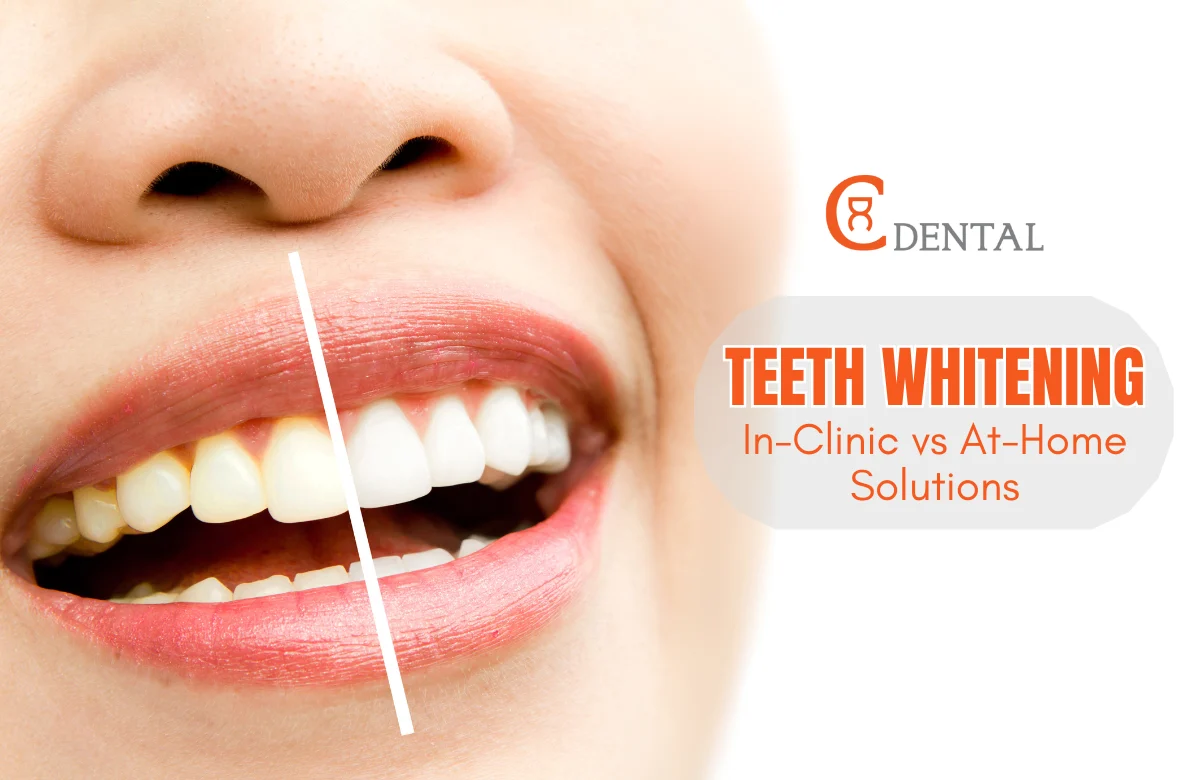
  • Teeth Whitening: In-Clinic vs At-Home Solutions

    Teeth Whitening: In-Clinic vs At-Home Solutions

    Your smile is one of the first things people notice. Over time, teeth can develop stains or yellowing that affect confidence. Teeth whitening has become a popular solution—but with so many options, how do you know what works best? In this guide, we break down in-clinic versus at-home teeth whitening, their pros, cons, and what you can realistically expect.

    Why Teeth Whitening Matters for Everyday Confidence

    A bright, white smile doesn’t just look good—it can influence how others perceive you and how you feel about yourself. While good oral hygiene keeps your teeth healthy, cosmetic discoloration is common, caused by coffee, tea, smoking, or natural enamel changes. Choosing the right whitening method ensures you achieve a confident smile without compromising enamel or comfort.

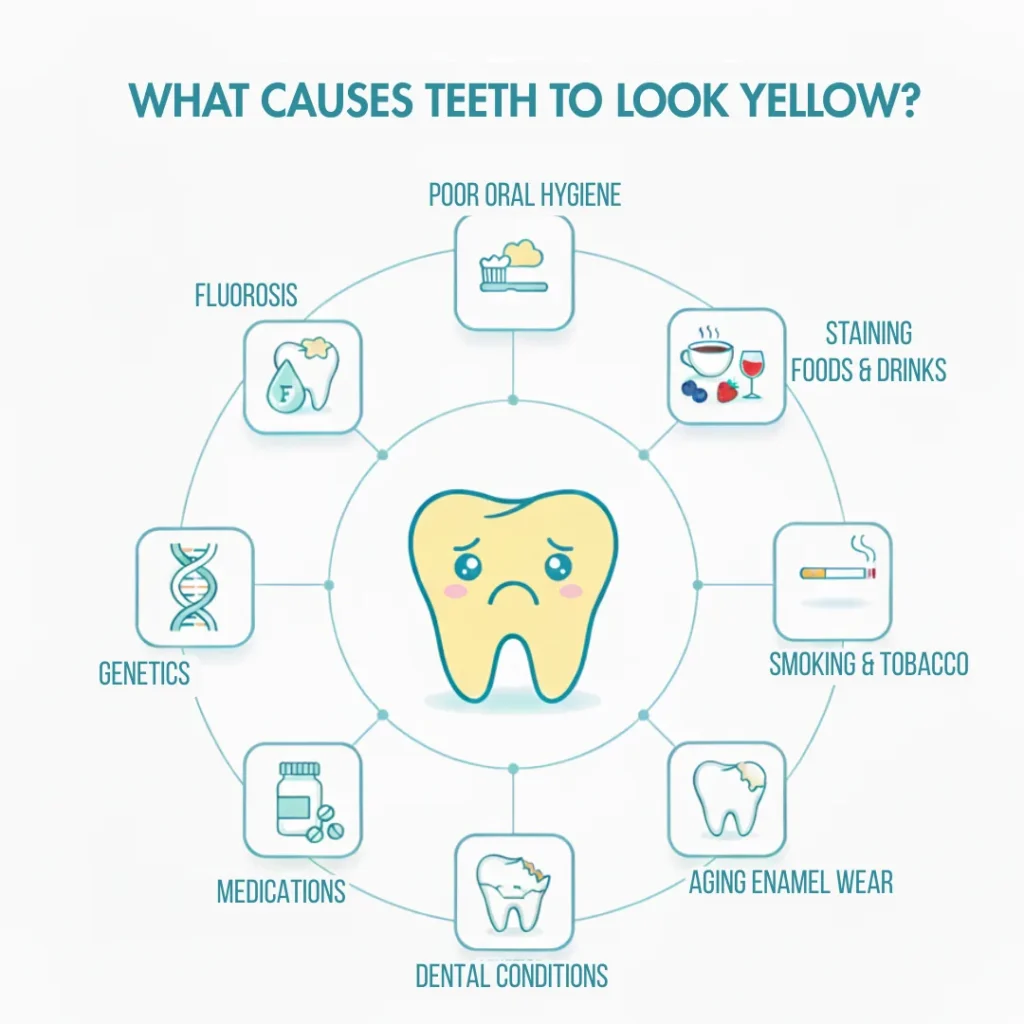
    Why teeth turn yellow: enamel thinning and surface stains explained

    What Causes Teeth to Look Yellow in the First Place?

    Understanding the cause of discoloration helps choose the most effective whitening method:

    • Extrinsic stains: Surface stains from coffee, tea, red wine, tobacco, or certain foods.
    • Intrinsic stains: Deeper discoloration due to natural dentin color or minor enamel thinning.
    • Aging: Natural enamel wear exposes underlying dentin, making teeth appear darker.
    • Dental treatments: Fillings or crowns can sometimes discolor over time.

    In-Clinic Teeth Whitening: How It Works

    In-clinic whitening is performed by dental professionals and uses stronger bleaching agents under controlled conditions.

    How It Works

    • High-concentration whitening gels are safely applied to teeth.
    • Optional light or laser activation to accelerate results.
    • Protective barriers shield gums and soft tissue.
    • Dentist supervision ensures safe application.

    Pros of In-Clinic Whitening

    • Fast, visible results after a single session.
    • Effective for deeper stains.
    • Even whitening across all teeth.
    • Minimal risk when applied professionally.

    Cons of In-Clinic Whitening

    • Higher cost compared to at-home kits.
    • Requires a visit to the dental clinic.
    • Results are not permanent and need periodic maintenance.

    Typical Whitening Cost

    Costs vary depending on treatment type and clinic location. In-clinic whitening is generally considered an investment in safety, speed, and predictability.

    At-Home Teeth Whitening: How It Works

    At-home whitening kits are widely available and convenient, but effectiveness depends on proper use.

    Common Types

    • Whitening strips
    • Whitening pens or gels
    • LED whitening kits
    • Custom trays provided by dentists

    Pros of At-Home Whitening

    • Budget-friendly option for mild stains.
    • Convenient and flexible for home use.
    • Useful for maintaining results after in-clinic treatment.

    Cons of At-Home Whitening

    • Slower results, usually several weeks.
    • Uneven whitening may occur if applied incorrectly.
    • Risk of sensitivity or gum irritation if overused.

    In-Clinic vs At-Home Whitening: A Clear Comparison

    FactorIn-Clinic WhiteningAt-Home Whitening
    SpeedFast (1–2 sessions)Gradual (2–4 weeks)
    StrengthHigh-concentration gelsLow–moderate concentration
    SafetyDentist superviseUser-controlled
    ResultsEven, predictableVariable, may be patchy
    CostHigherLower
    MaintenanceTouch-ups recommendedRepeated application required

    Safety Considerations: Protecting Your Enamel & Smile

    Whitening is cosmetic, not a dental necessity. Safety is key:

    • Avoid overusing high-concentration gels.
    • Monitor sensitivity during and after whitening.
    • Follow the dentist’s guidance to prevent enamel damage.
    • Avoid whitening if you have active cavities or gum disease.

    Choosing the Right Whitening Approach

    Choose In-Clinic Whitening If You:

    • Want fast, noticeable results.
    • Have deeper stains that at-home kits cannot address.
    • Prefer professional supervision for safety and predictable outcomes.

    Choose At-Home Whitening If You:

    • Have mild surface stains.
    • Want a cost-effective, gradual whitening process.
    • Are disciplined with consistent use.

    Maintaining Whitening Results Long-Term

    To extend the effects of whitening:

    • Limit consumption of staining beverages such as coffee, tea, or red wine.
    • Brush twice daily and maintain good oral hygiene.
    • Consider touch-up kits for gradual fading.
    • Schedule regular cleanings with your dentist to maintain optimal results.

    Common Myths About Teeth Whitening

    • Whitening permanently damages enamel (False with professional guidance).
    • At-home kits are equally effective as professional treatments (Partially false; results vary).
    • Whitening is a one-time solution (False; maintenance is required).
    • All teeth respond the same way (False; intrinsic stains may need professional treatment).

    Why Patients Prefer Professional Whitening at C-Dental

    At C-Dental, we focus on safe, effective, and comfortable cosmetic treatments:

    • Experienced cosmetic dentists supervise every procedure.
    • Shade assessment ensures realistic results.
    • Sensitivity management protocols reduce discomfort.
    • Modern whitening systems provide safe, predictable results.
    • Honest guidance sets clear expectations before treatment.

    Frequently Asked Questions: Teeth Whitening

    Q1: Is professional teeth whitening safe?
    Yes, when applied by a trained dentist with proper protective measures.

    Q2: How long do whitening results last?
    Results vary depending on lifestyle and maintenance; touch-ups may be needed periodically.

    Q3: Do whitening strips really work?
    They are effective for mild surface stains but may not remove deep discoloration.

    Q4: Why do teeth become sensitive after whitening?
    Sensitivity is temporary and usually due to peroxide concentration; professional care minimizes risk.

    Q5: Which method gives faster results?
    In-clinic whitening provides faster and more predictable results than at-home kits.

    Conclusion: Choose the Whitening Method That Suits Your Needs

    Both in-clinic and at-home teeth whitening methods can enhance the brightness of your smile. The best option depends on your goals, type of discoloration, sensitivity level, budget, and the pace at which you want to see results.
    At-home kits can be helpful for mild staining and gradual change, while in-clinic whitening offers quicker, more controlled results—especially for deeper or persistent discoloration.

    If you’re considering whitening and want guidance on what’s best for your teeth, a professional assessment can help you make an informed decision.

    Interested in Teeth Whitening?
    You’re welcome to book a consultation at C-Dental to understand which method suits you best.

    During your visit, our team will help with:

    • Assessing your tooth shade and sensitivity
    • Recommending suitable whitening options
    • Ensuring a comfortable, safe experience

    👉 Book your consultation today

    References

    1. Teeth Whitening: More Effective at Home or in the Clinic?  Dentevim Dental Clinic
    2. Teeth Whitening Options: In-Clinic vs. At-Home – Which is Right for You?-Ministry Of Smile
    3. In-Clinic vs At-Home Teeth Whitening: Which Is Better?-Dental Niddrie Plaza
    4. Why Choose Professional Teeth Whitening Over Home Treatments?-The Team Dental
    5. Teeth Whitening Treatment: In-Clinic vs At-Home Kits—What’s Safer and More Effective?– Sure Smile Dental Care

    Please subscribe to our social channels for updates related to dental care and oral health.

    Instagram:  cdental2025
    Facebook:  CDental 
    YouTube: C-Dental Clinic 
  • What Nutrient Reduces Cavities? Essential Vitamins for Strong Teeth

    What Nutrient Reduces Cavities? Essential Vitamins for Strong Teeth

    Introduction

    Did you know that nearly 90% of adults worldwide have experienced tooth decay at some point? Cavities can cause pain, discomfort, and even affect overall health. While regular brushing, flossing, and dental checkups are vital, nutrition plays a crucial role in strengthening teeth, supporting gums, and reducing cavity risk.

    At C Dental Sharjah, we emphasize the combination of preventive dental care with a nutrient-rich diet. This guide explores key vitamins for strong teeth, their roles in oral health, local food sources in the UAE, and practical meal recommendations for cavity prevention.

    Key Takeaways:

    • Certain nutrients can significantly reduce the risk of cavities.
    • A diet rich in vitamins and minerals promotes strong teeth and healthy gums.
    • Understanding the role of nutrition in oral health empowers better daily choices.
    • Combining proper nutrition with professional dental care optimizes cavity prevention.
    Calcium, vitamin D, K2, and other essential nutrients for strong teeth and cavity prevention in the UAE

    The Science Behind Dental Cavities and Nutrition

    How Cavities Form?

    Cavities, or dental caries, occur when bacteria in the mouth metabolize sugars and starches, producing acids that erode tooth enamel. Plaque, a sticky bacterial film, forms on teeth, increasing acid exposure. Over time, enamel demineralization exceeds the natural remineralization process, leading to decay.

    Diet’s Role in Dental Health

    Nutrition affects oral health in two primary ways:

    1. Tooth structure and mineralization — minerals like calcium, phosphorus, and supporting vitamins strengthen enamel and dentin.
    2. Gum and tissue health — vitamins C, A, K2, and B-complex support gum integrity, collagen production, and saliva quality.

    A diet high in sugar or acidic foods accelerates enamel erosion, whereas nutrient-rich foods enhance resistance to decay.

    Dental decay in adult teeth caused by poor nutrition and plaque buildup

    Common Nutritional Deficiencies

    Many people in the UAE face vitamin D deficiency due to limited sun exposure and dietary gaps. Calcium and phosphorus intake may also be insufficient. These deficiencies can weaken enamel and increase cavity risk.

    Nutritional DeficiencyImpact on Dental Health
    Vitamin DReduced calcium absorption; weakened teeth
    CalciumEnamel weakness; higher cavity risk
    PhosphorusImpaired tooth structure; reduced remineralization

    Addressing these gaps is key to preventing cavities and maintaining oral health.

    Essential Nutrients for Strong Teeth

    1. Calcium: The Foundation Nutrient

    Calcium is the primary mineral in teeth, making enamel strong and resistant to decay.

    Benefits:

    • Reinforces enamel to withstand acid attacks
    • Supports dentin structure
    • Aids remineralization of early decay

    Recommended Daily Intake:

    • Adults: 1,000 mg/day
    • Women >50 & Men >70: 1,200 mg/day
    • Dairy: milk, cheese, yogurt
    • Non-Dairy: fortified plant-based milk, almonds, kale
    Food ItemCalcium (mg)Serving Size
    Milk3001 cup
    Cheddar Cheese7201 cup, shredded
    Almonds2601 oz (23 nuts)
    Kale2601 cup, cooked

    2. Vitamin D: Enhancing Calcium Absorption

    Vitamin D is critical for calcium metabolism, ensuring teeth absorb enough mineral to remain strong. Deficiency increases cavity risk.

    Sources:

    • Sunlight (moderate exposure)
    • Fatty fish (salmon, sardines)
    • Egg yolks and fortified dairy

    Practical Tips for the UAE:

    • Balance sun protection with short daily sun exposure
    • Consider supplements during winter or prolonged indoor periods (consult a doctor)

    3. Phosphorus: Supporting Tooth Structure

    Phosphorus works hand-in-hand with calcium to form hydroxyapatite, the main mineral in enamel. It also aids remineralization, repairing early decay.

    Sources in the Middle East:

    • Lamb, chicken, fish, nuts, and dairy
    Food ItemPhosphorus (mg)
    Lamb200
    Chicken180
    Fish220

    4. Vitamin C: Protecting Gums

    Healthy gums prevent tooth exposure that can lead to cavities. Vitamin C strengthens collagen, supporting gum tissue integrity.

    Sources in the UAE:

    • Oranges, lemons, kiwis, strawberries

    5. Vitamin K2: Guiding Calcium

    Vitamin K2 directs calcium to teeth and bones, preventing improper deposition in arteries and enhancing enamel strength.

    Sources:

    • Fermented foods (natto, certain cheeses)
    • Egg yolks and traditional Middle Eastern cheeses

    6. Vitamin A: Supporting Saliva

    Saliva neutralizes acids and remineralizes teeth. Vitamin A ensures healthy saliva production, crucial for cavity prevention.

    Sources:

    • Sweet potatoes, carrots, dark leafy greens, mangoes, apricots

    7. B Vitamins: Overall Oral Health

    B2, B6, and B12 prevent mouth sores, inflammation, and maintain tissue health. Adequate B vitamins support oxygen delivery to gums, aiding healing.

    Sources in UAE diets:

    • Legumes (lentils, chickpeas)
    • Nuts and seeds (almonds, sunflower seeds)
    • Whole grains (brown rice, whole wheat bread)
    • Fish and poultry

    Case Study: Nutrient-Focused Cavity Prevention at C Dental Sharjah

    Study Overview:

    • Participants: UAE residents aged 18–65
    • Common deficiencies: Vitamin D and Calcium

    Intervention:

    • Diet plan emphasizing calcium, phosphorus, vitamin D, and other vitamins
    • Supplementation as needed

    Results:

    Nutrition combined with professional dental care significantly improves oral health.

    • Fewer new cavities
    • Stronger enamel and improved remineralization
    • Enhanced gum health
    Foods rich in calcium, phosphorus, and vitamin D for healthy teeth

    Integrating Nutrition with Modern Dental Care

    Before & After Procedures:

    • Pre-treatment: Eat nutrient-rich foods to support healing
    • Post-treatment: High-protein and mineral-rich foods accelerate recovery
    • Avoid sugary or acidic foods to protect enamel

    Practical Dietary Recommendations for UAE Residents

    Meal Planning Tips:

    • Include calcium, phosphorus, and vitamin D-rich foods daily
    • Embrace local foods: dates, figs, leafy greens, fresh fish, and dairy
    • Limit sugary and acidic snacks

    Age-Specific Considerations:

    • Children: Focus on calcium and vitamin D for developing teeth
    • Adults: Maintain hygiene and a balanced diet; limit sugar
    • Seniors: Address dry mouth, gum recession; stay hydrated, use fluoride mouthwash

    Frequently Asked Questions (FAQs)

    Q: What nutrient reduces cavities effectively?
    A: Calcium is the key nutrient that strengthens tooth enamel and helps reduce cavities. It works best when paired with vitamin D, which enhances calcium absorption.

    Q: How does Vitamin D help prevent cavities?
    A: Vitamin D supports the absorption of calcium and phosphorus, which are vital for strong teeth. Adequate vitamin D levels are linked to a lower risk of tooth decay.

    Q: What role does phosphorus play in dental health?
    A: Phosphorus works alongside calcium to form and maintain the mineral structure of teeth. It also supports the remineralization process, helping repair early enamel damage.

    Q: Can Vitamin C help prevent tooth decay?
    A: Yes. Vitamin C strengthens gum tissue by supporting collagen formation, which helps protect teeth and prevent cavities caused by gum recession or infections.

    Q: Which foods provide Vitamin K2 for teeth?
    A: Fermented foods (like natto), certain cheeses, and egg yolks are rich in Vitamin K2. It helps guide calcium to the teeth and bones, promoting stronger enamel.

    Q: How does Vitamin A support oral health?
    A: Vitamin A is essential for saliva production. Saliva protects teeth by neutralizing acids, washing away food particles, and supporting enamel repair.

    Q: Can B vitamins improve oral health?
    A: Yes. B2, B6, and B12 help prevent mouth sores, reduce inflammation, and support overall gum and mucosal health, indirectly lowering the risk of cavities.

    Conclusion

    Preventing cavities is not just about brushing and flossing—it requires a holistic approach that combines proper nutrition, professional dental care, and healthy lifestyle habits. Each of these elements plays a critical role in maintaining strong, cavity-resistant teeth and healthy gums.

    Balanced Nutrition for Strong Teeth:
    Consuming the right vitamins and minerals is essential. Nutrients such as calcium and phosphorus build strong enamel, while Vitamin D ensures proper calcium absorption. Vitamin C supports gum health, Vitamin K2 directs calcium to teeth and bones, Vitamin A boosts saliva production, and B-complex vitamins prevent mouth sores and maintain oral tissue health. In the UAE, these nutrients are abundant in both local foods like dates, dairy, fish, and leafy greens, as well as fortified imported products, making it easier than ever to create a tooth-friendly diet.

    Professional Dental Care:
    Regular visits to a trusted dental clinic are just as important as nutrition. Routine checkups, professional cleanings, and timely treatment of dental issues help detect problems early and prevent cavities from developing or worsening. Integrating nutritional support with professional care enhances treatment outcomes and contributes to long-term oral health.

    Lifestyle Habits for Oral Health:
    Simple daily habits make a difference. Limiting sugary and acidic foods, staying well-hydrated, and supporting natural saliva production help protect teeth from decay. A healthy lifestyle complements a nutrient-rich diet and dental care, creating a comprehensive cavity-prevention strategy.

    At C Dental Sharjah, we combine expert dental care with personalized nutrition guidance to ensure every patient achieves optimal oral health. Our team helps you understand the role of nutrients in your dental health, designs tailored dietary plans, and provides the professional treatments needed to maintain a cavity-free smile.

    References

    1.) Clinical Overview of Dental Nutrition:
    Role of nutritional supplements on oral health in adults – National Library of Medicine

    2.) Scientific Research on Vitamins and Cavity Prevention:
    Vitamin D, Calcium, and Dental Caries: Systematic Review and Meta-Analysis – MDPI

    3.) Patient Guide to Oral Health and Nutrients:
    5 Essential Vitamins For Teeth And Gum Health– Colgate
    https://www.colgate.com/en-us/oral-health/nutrition-and-oral-health

    4.) Professional Guidelines on Dental Nutrition:
    Nutrition: What You Eat Affects Your Teeth– Mouthhealthy

    5.) Research on Phosphorus, Vitamin K2, and Dental Health:
    The Impact of Phosphorus and Vitamin K2 on Tooth Mineralization – IntechOpen

  • Best Diet for Teeth: What to Eat & Avoid

    Best Diet for Teeth: What to Eat & Avoid

    Have you ever wondered why you suffer from cavities while your best friend’s smile is healthy and white by nature? It’s not just about brushing—your diet for teeth plays a major role. Your beautiful smile starts with the food you eat, according to C Dental, the best dental office in Sharjah that serves at Dubai. Let’s examine which foods promote a bright, healthy smile and which ones you should stay away from.

    Why a Healthy Diet for Teeth Is So Important

    Think of your mouth as a garden. Good things to eat produce healthy plants, and good food produces healthy gums and teeth. Bad food will kill your “garden,” and good food will have it blooming.

    • Food as Fuel: Every bite takes a toll on your teeth. Acid and sweet foods provide disgusting germs with food, leading to decay and gum disease, while nutrient foods make enamel and gums strong.
    • Saliva Production: Saliva-producing foods dislodge food particles and flush acids out.
    • Mineral Replenishment: Your teeth need minerals like phosphorus and calcium to heal and harden. A healthy diet replenishes them daily as well.

    The Best Diet for Teeth to Keep Your Smile Bright

    DIET FOR TEETH
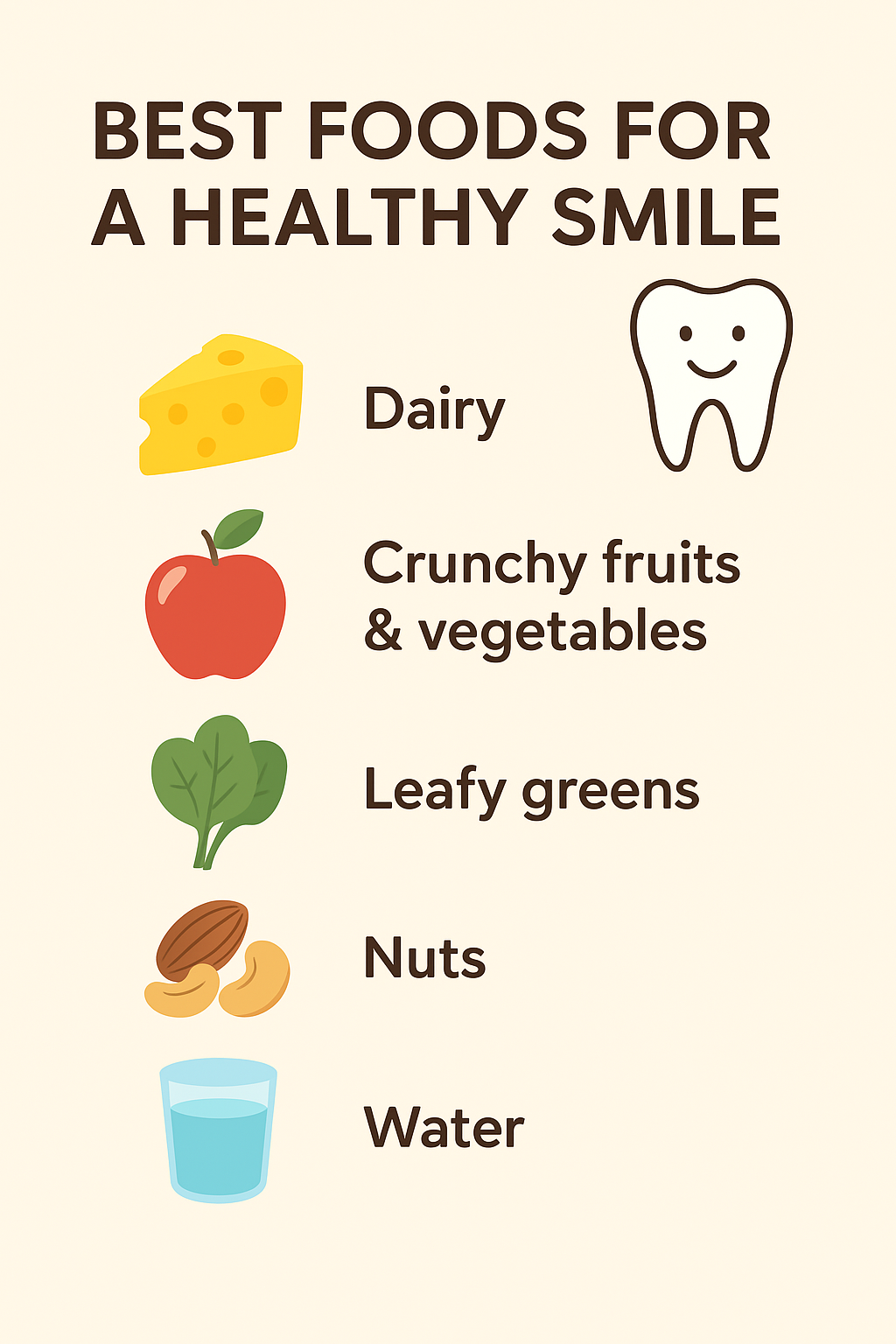
    • Dairy Delights
      • Cheese, milk, and yogurt have calcium and casein that harden enamel and strengthen your teeth.
      • Calcium Power: Calcium may actually repair and protect enamel and make teeth cavity-proof.
      • Casein Benefits: Casein milk protein may actually remineralize enamel and reduce acid erosion.
      • Probiotic Benefits: Yogurt probiotics may actually stabilize oral bacteria and provide healthy gums.
    • Crunchy Fruits & Vegetables
      • Apples, celery, and carrots are Nature’s toothbrushes, brushing away food particles and activating saliva
      • Natural Cleansers: Their fibrous nature actually breaks up food particles and plaque mechanically.
      • Vitamin Boost: Raw fruits and vegetables are rich in vitamins A and C, which healthy gums and fast healing of minor cuts require.
      • Hydration: Crunchy veggies are full of water, so they keep your mouth moist and clean
    • Leafy Greens
      • Spinach, kale, and Swiss chard are packed with calcium, folic acid, and vitamin K—all your gums and teeth need to stay healthy.
      • Phosphorus and calcium in the greens harden your enamel on your teeth.
      • Folic acid stops gums from bleeding and inflammation.
      • Low Sugar: Leafy greens are tooth-friendly due to less sugar and acids.
    • Nuts & Seeds
      • Walnuts, cashews, and almonds have phosphorus and calcium in them, which make your teeth strong from the inside.
      • Mineral-Rich: They give teeth minerals to remineralize them.
      • Healthy Fats: They have healthy fats that lessen gum inflammation.
      • Chewing Benefits: Mastication triggers the release of saliva that naturally cleans your mouth.
    • Lean Proteins & Fatty Fish
      • Phosphorus-rich foods such as salmon, sardines, and lean meat shield your enamel.
      • Protein Power: Protein is tissue builder, much like gum.
      • Omega-3s: Omega-3 fatty acids in fatty fish lower gum inflammation and heal quicker.
      • Iron Content: Lean meat has iron, which stimulates good gum flow.
    • Water
      • Water is the best friend for your mouth. Water rinses food particles away and moisturizes your mouth.
      • Natural Cleanser: Spitting out a meal using water is an effective method to spit out sugars and acids.
      • Fluoride Benefit: Tap water will generally be fluoridated, which hardens the enamel and resists cavities.
      • Hydration: A wet mouth keeps gums and breath healthy.

    Foods and Habits to Avoid in a Diet for Teeth

    Sugary Snacks & Drinks

    • Sweets, sodas, and yogurts with added sugars create a food supply for bacteria, which feed on it, break it down, and create acid and weaken your enamel.
      • Risk of Cavity: Sugar is the energy source bacteria like best to form cavities.
      • Acid Attack: Soft drinks and jam and fruit juices have an acidic nature that can damage the enamel in no time.
      • Hidden Sugars: Be aware of added sugar in pre-prepared food, sauces, and even bread.

    Sticky or Starchy Foods

    Bread, chips, and dry fruits stick to teeth and give more time to bacteria to act upon them.

    • Long-Lasting Sugars: Sticky foods get retained on teeth for very long time, and so there is greater chance of cavities
      • Starch Breakdown: Mouth starches are broken down to sugars, which are utilized to provide food to bacteria.
      • Dried Fruit Danger: Even natural sugars of fruit in dried fruit are dangerous if they are pushed against teeth.

    Routine Snacking

    Your teeth are put under acid attack for longer with snacking.

    • Acidic Environment: With each snack, acid is being created that demineralizes the enamel.
    • Less Saliva: You don’t produce as much saliva when you’re not eating, and so your teeth aren’t as protected if you snack all the time.
    • Better Habits: Do your best to avoid snacking and use tooth-friendly food when you do snack.

    Acidic Foods & Drinks

    Sports drinks, citrus foods, and foods with vinegar will wear away enamel if you eat them too frequently.

    • Wearing Down of Enamel: Acid foods soften enamel so cavities are more probable.
    • Timing Is Everything: Swallow acid foods by spitting out the water after swallowing them and wait before brushing to avoid weakening damage to take hold on the enamel.
    • Better Options: Eat acid foods with meals to lessen their impact.
    • Interactive: Test Your Tooth-Friendly Food IQ

    Fun Facts: What’s Good in a Diet for Teeth?

    • A handful of almonds or a handful of candies?
    • Glass of fizz or glass of water?
    • Sticky sweets or crunchy carrot?
    • You picked almonds, water, and carrots—good job, you’re already a wise eater for your smile!
    • Bonus Challenge: Take a look at the labels when you’re shopping next time—can you spot the sneaky sugars?

    C Dental’s Smart Eating Tips

    • Eat a Balanced Meal: Indulge in some mix of fruits, vegetables, whole food, protein, and dairy. This provides your teeth with all the nutrients they require to remain in top condition
    • Time Your Treats: Consume sweets with meals, not between meals, so your mouth will have extra saliva to battle acids.
    • Rinse and Hydrate: Rinse with water after eating snacks and meals to eliminate sugars and acids.
    • Snack Smart: Have tooth-friendly snacks such as raw vegetables, cheese, or nuts available.
    • Chew Sugar-Free Gum: This may stimulate saliva production and rinse your mouth during meals.
    • Minimize Night Eating: Saliva production is less at night, so do not eat or drink (with the exception of water) in the evening

    How the Right Diet for Teeth Protects Your Gums

    Healthy gums equate to healthy teeth. Orange and strawberries, both extremely rich in vitamin C, are wonderful to have for healthy gums and in gums that are illness-free healthy.Vitamin C: For the creation of healthy and firm gums via the production of collagen.

    • Antioxidants: Vegetables and fruits contain antioxidants which repair and fight bacteria in gums.
    • Be Careful of Irritants: Acid or spicy food irritates gum-sensitive gums; you need to be careful of this if you are gum-sensitive.
    • Drink and Keep Your Body Hydrated: Dry mouth creates gum problems; drink water at a given time interval of the day.

    C Dental’s Promise: Supporting Your Diet for Teeth

    We’re not only a dental clinic in C Dental. We’re your friends for oral care throughout your life. Our experts in Dubai and Sharjah apply the finest equipment and soft hands to make you feel your best. We’re here to provide you with help from daily oral care to food-friendly smile.

    • Personalized Advice: We help you choose the ideal food for your individual needs.
    • Preventive Strategy: Prevention is what we do, so you can stay one step ahead of trouble before it starts.
    • Total Care: From cleanings to complex treatment, we’re with you through every stage of your smile.

    Diet is an Effective Tool

    Your diet is an excellent means of maintaining healthy gums and teeth. Eat what you require and not what you don’t, and you’ll enjoy a stunning smile for years to come. Are you prepared to learn again how to take care of your teeth? Visit C Dental in Sharjah and experience the difference that practical training and customized attention can make. Your smile’s best friend begins here—today.

    Book your appointment today at C Dental and discover the secret to a brighter, healthier smile

    Also Read: C Dental: How Sugar Affects Your Teeth

    FAQ’s

    1. What is the best diet for teeth health?
      • A balanced diet with calcium-rich dairy, crunchy vegetables, nuts, and lean proteins helps strengthen enamel and protect your gums.
    2. Which foods should I avoid for healthy teeth?
      • Limit sugary snacks, sodas, sticky foods, and acidic drinks as they weaken enamel and increase cavity risk.
    3. How does diet affect gum health?
      • Nutrient-rich foods with vitamin C and antioxidants support gum healing, while spicy or acidic foods can irritate sensitive gums.
    4. Can drinking water improve my oral health?
      • Yes. Water rinses away food particles, reduces acids, hydrates your mouth, and supports stronger enamel, especially if fluoridated.
    5. Why is diet more important than brushing alone for healthy teeth?
      • Brushing helps, but diet directly impacts enamel strength, saliva flow, and bacteria levels—making food choices key for a healthy smile.

    How did you like our blog? Do share your thoughts in the comments.

    Join our Facebook community for the latest updates and tips