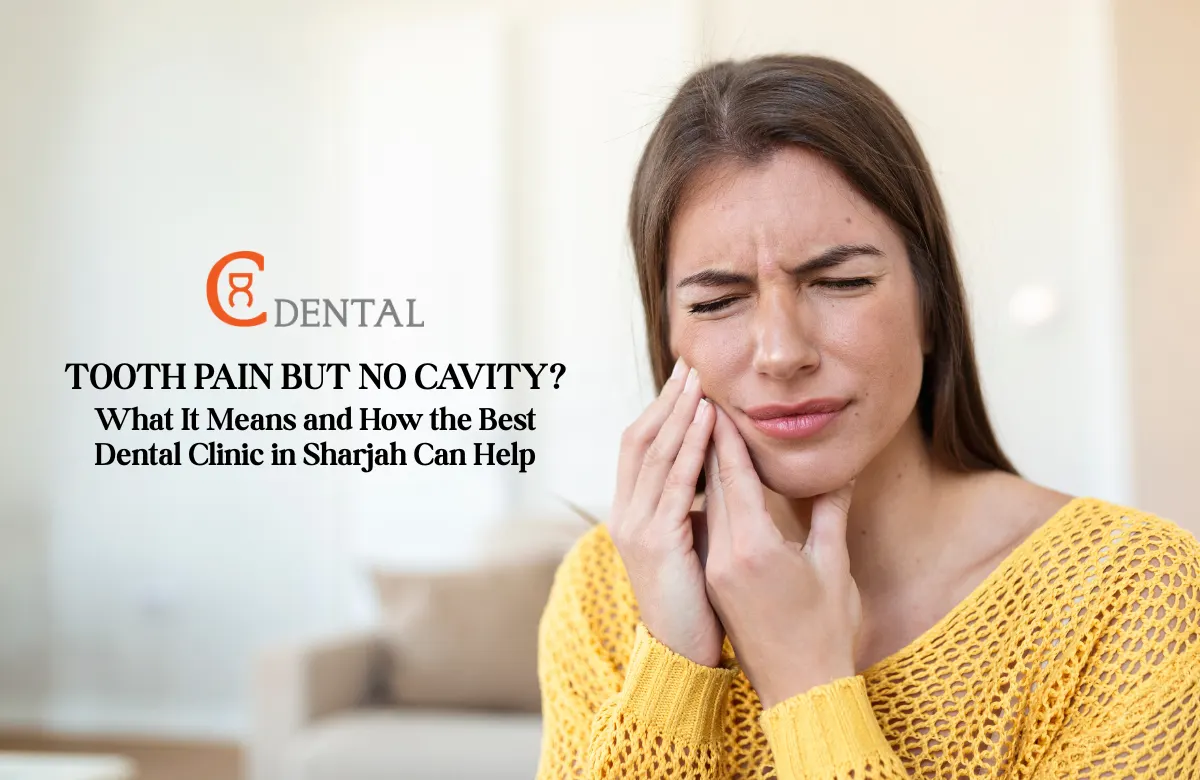
You’ve felt it before. A sudden, sharp jolt when biting down on one side. A lingering tooth pain after drinking a cold drink. Sometimes it disappears, only to return unpredictably. You look in the mirror. No dark spots, no holes, and no visible cavities. And yet, the discomfort is real.
For many people in Sharjah, tooth pain without visible decay is confusing—and worrying. It’s easy to assume that if there is no cavity, nothing is wrong. But dental pain is rarely that simple. Ignoring it can turn what begins as a minor irritation into a serious issue affecting your teeth, gums, or even your jaw.
This guide will explain why your teeth may hurt even without cavities, how dentists diagnose hidden problems, what treatments are available, and why you should consider booking an appointment with C Dental, best dental clinic in Sharjah, which can make all the difference.

How Common Is Tooth Pain Without a Cavity in the UAE?
Have you ever sipped an ice-cold drink or bitten into something crunchy, only to feel a sudden sharp jolt in a tooth that looks perfectly healthy? You’re not alone. Many adults in the UAE experience this type of unexplained tooth pain, and it often causes confusion and unnecessary worry.
Tooth pain without cavities isn’t rare—it’s a common phenomenon that can indicate sensitivity, nerve irritation, microcracks, or gum issues. Understanding how widespread it is helps you recognize when to seek professional care at the, such as C Dental Clinic, Sharjah.
Key Facts & Statistics:
- Global prevalence: About 24% of adults worldwide report experiencing tooth pain even when no cavities are present. (PubMed)
- UAE prevalence: In a 2015 study of adult dental patients in the UAE, 27% reported dentin hypersensitivity or pain without decay. (PMC)
- Arab populations: Research from Saudi Arabia, Oman, and nearby regions indicates that around 1 in 3 adults report symptoms consistent with non-cavity tooth pain. (PMC)
Common Non-Cavity Causes Reflected in These Studies:
- Nerve irritation or heightened tooth sensitivity
- Gum recession exposing dentin
- Microcracks in enamel caused by stress, grinding, or hard foods
- Referred pain from the sinuses or jaw muscles
Nearly 1 in 4 adults in the UAE experiences unexplained tooth pain at some point, yet many don’t realize it can indicate underlying issues. Recognizing these early signs is critical because untreated sensitivity, cracks, or gum issues may escalate into more serious problems.
Understanding Sensitive Teeth and Enamel Wear
Ever take a sip of ice-cold water or bite into a crunchy snack and feel a sudden jolt in a tooth that looks perfectly healthy? That’s dentin hypersensitivity—one of the most common hidden causes of tooth pain.
Quick Facts:
- 12–33% of adults worldwide experience sensitive teeth. (PubMed)
- In dental clinics, rates can reach 60% or more. (PMC)
What’s happening: When enamel wears down or gums recede, the dentin layer is Signs you may have sensitive teeth:
- Sharp pain from hot, cold, or sweet foods
- Tingling when chewing
- Discomfort near the gumline
Why it matters: Even minor sensitivity can lead to cracks, infections, or gum disease if untreated. Early evaluation at the best dental clinic in Sharjah, like C Dental, can prevent bigger problems and protect your smile.
The Invisible Causes Behind Tooth Pain
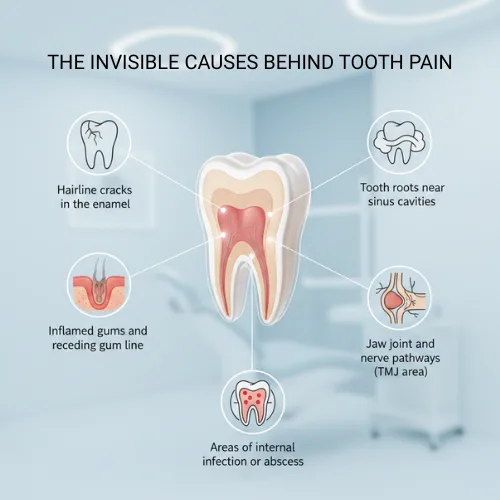
Pain is your body’s way of signaling that something needs attention. In the mouth, that signal can come from many sources besides decay. Teeth are complex structures, and pain can arise from tiny cracks, nerve sensitivity, gum issues, or even nearby sinuses.
Hairline Fractures: The Hidden Culprit
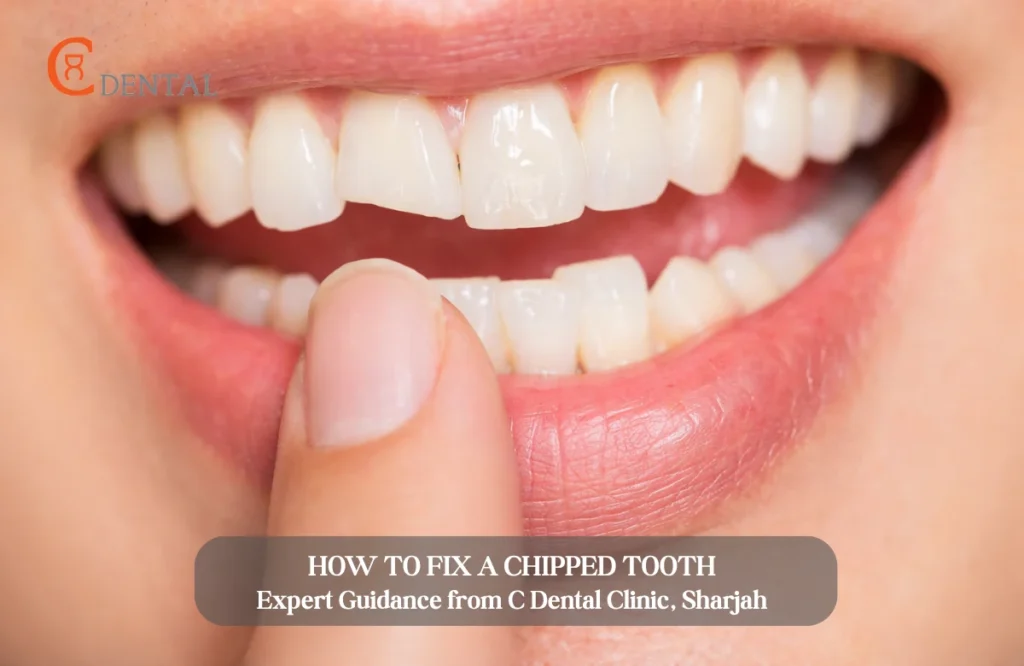
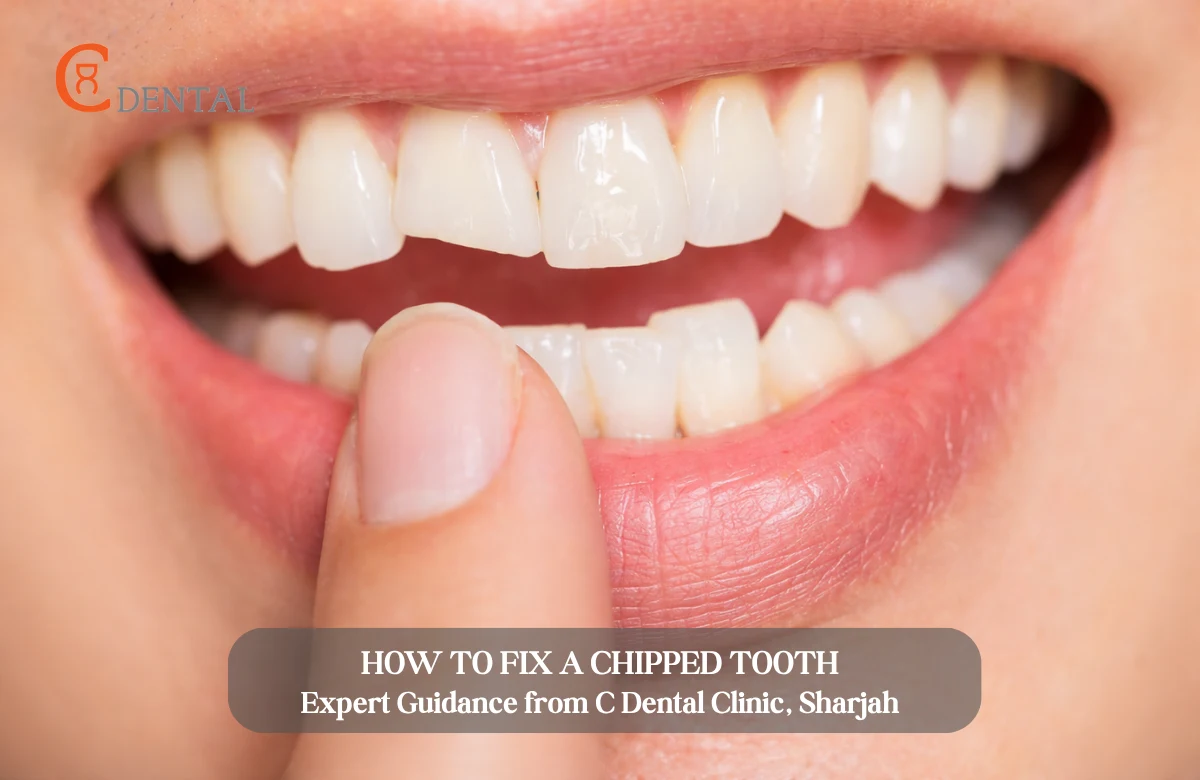
Sometimes, a tooth has a small crack too fine to see on X-rays. These hairline fractures can cause sharp pain when chewing or biting down. You might notice discomfort that comes and goes or only when releasing a bite. Over time, untreated cracks can worsen, leading to infection or the need for more invasive procedures.
Gum Disease: Pain Beyond the Tooth
Gum health is closely tied to tooth sensation. Early gum disease, or gingivitis, can inflame the tissues around your teeth, causing dull aches and sensitivity. If it progresses to periodontitis, the gums may recede, exposing sensitive roots, creating more pain, and increasing the risk of tooth mobility.
Symptoms to watch for include redness, swelling, bleeding, or persistent bad breath. Many patients in Sharjah only realize they have gum disease when pain becomes noticeable, which is why early diagnosis at a trusted dental clinic is crucial.
Teeth Grinding: Hidden Strain
Stress, late nights, and busy lifestyles—common factors for professionals and families in Sharjah—can lead to bruxism, or unconscious teeth grinding. Over time, this wears down enamel, causes microfractures, and strains the jaw, resulting in generalized tooth pain, jaw soreness, headaches, and increased sensitivity.
A dentist can evaluate whether night guards or preventive interventions are needed to protect your teeth and restore comfort.
Sinus Infections: When Tooth Pain Isn’t Dental
Upper back teeth are located close to sinus cavities. Sinus infections can mimic dental pain, especially in the molars. The discomfort often worsens when bending forward and may be accompanied by nasal congestion, pressure around the cheeks, or a mild headache. Recognizing sinus-related toothache prevents unnecessary dental treatment and directs patients to the right care.
Receding Gums and Tooth Sensitivity
Gum recession exposes dentin, the sensitive layer of the tooth. This can make eating hot, cold, or sugary foods painful. Brushing aggressively or skipping regular check-ups may worsen sensitivity. Preventive care, including desensitizing toothpaste and regular professional cleaning, helps manage discomfort while addressing underlying gum health issues.
Nerve and TMJ-Related Pain
Sometimes the pain isn’t from the tooth itself but from nerves or jaw joint issues. Temporomandibular joint (TMJ) disorders can cause tooth-like pain, headaches, earaches, or jaw clicking. Dentists evaluate jaw function and muscle tension to distinguish between dental pain and TMJ problems, ensuring that treatment targets the correct source.
Dental Abscesses and Infections
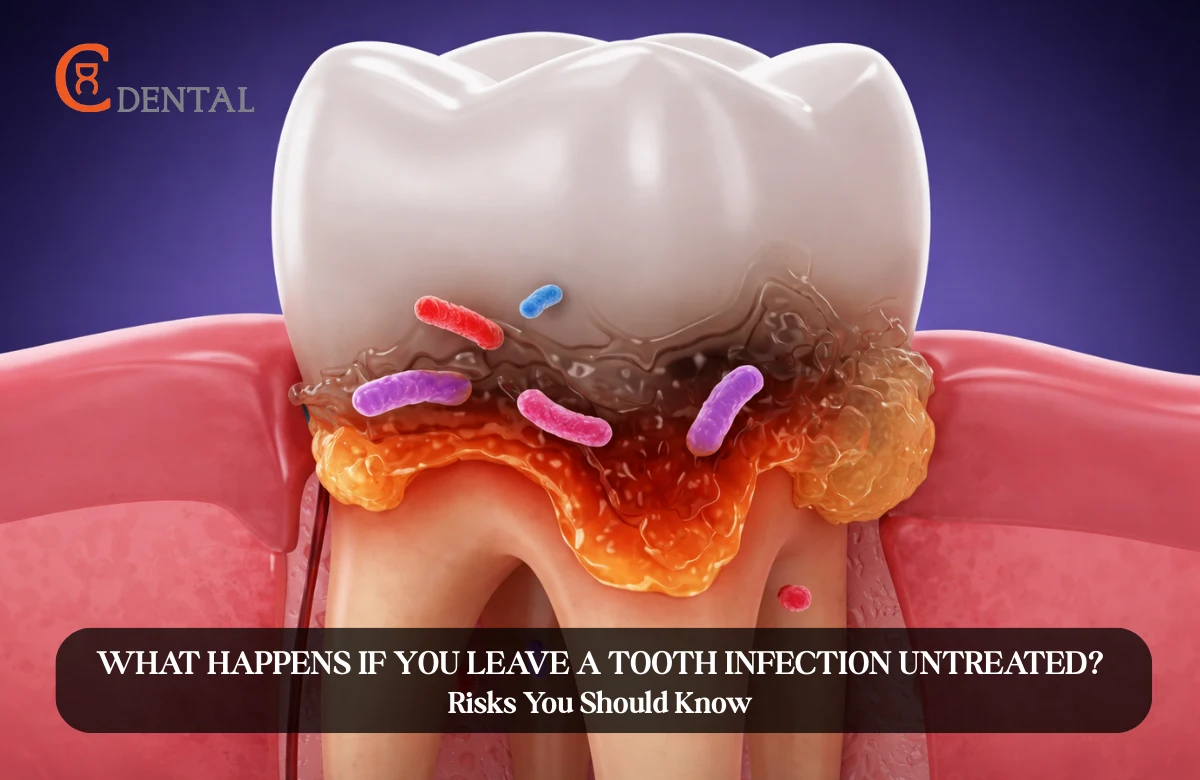
Even without visible cavities, infections can develop in the pulp or surrounding tissues. Warning signs include persistent throbbing pain, swelling of the gums or face, pus, and sometimes fever. Dental abscesses require immediate attention. Early intervention can prevent serious complications, including tooth loss and systemic infection.
How Dentists Diagnose Tooth Pain When Teeth Look Healthy
At the best dental clinic in Sharjah, diagnosis goes far beyond a visual exam. Experienced dentists consider patterns of pain, triggers, and patient history. Diagnostic tools may include:
- Digital X-rays to detect subtle fractures, infections, or bone changes
- Bite tests to identify cracks or uneven pressure
- Cold and percussion tests to assess nerve sensitivity
- Gum pocket measurements for early periodontal disease
- TMJ evaluation for jaw-related pain
By combining expertise with advanced technology, clinics like C Dental can pinpoint the exact cause of discomfort, avoiding unnecessary procedures and preserving natural teeth whenever possible.
Why Early Intervention Matters
Many people ignore intermittent tooth pain, assuming it is minor or temporary. This is one of the most common mistakes. Untreated hairline fractures may deepen, infections can spread, and gum disease may worsen. Delays often lead to more invasive treatments such as root canals, surgical intervention, or extractions, increasing both cost and recovery time.
Recognizing pain early and consulting the right dental professional can save your natural teeth and prevent complications.
Lifestyle Factors That Can Worsen Tooth Pain
Several aspects of daily life in Sharjah can contribute to hidden dental issues:
- Air-conditioned environments dry out the mouth and can exacerbate sensitivity
- Dietary habits like frequent tea, coffee, and acidic foods
- Stress and long work hours, leading to bruxism
- Delayed check-ups due to busy schedules
By addressing these factors and visiting the right clinic, residents can prevent small problems from escalating.
Treatment Options When There’s No Cavity
Depending on the underlying cause, treatment may include:
- Dental bonding or crowns for cracks
- Deep cleaning and periodontal therapy for gum disease
- Night guards to prevent damage from grinding
- Root canal therapy for infections
- Sinus infection treatment if the pain is referred
- Fluoride or desensitizing treatments for sensitivity
Each treatment is tailored to the patient’s specific needs, ensuring long-term relief and tooth preservation.
Preventing Tooth Pain Before It Starts
Prevention is always better than cure. Strategies include:
- Avoiding chewing hard foods or objects like ice, pens, or hard sweets
- Wearing a night guard if you grind your teeth at night
- Using a mouthguard during contact sports
- Maintaining excellent oral hygiene
- Attending regular dental check-ups
Preventive care reduces the risk of fractures, sensitivity, and gum disease—common causes of tooth pain without cavities.
When to See the Cdental, the Best Dental Clinic in Sharjah
Consult a dentist immediately if you experience:
- Persistent, worsening pain
- Swelling of the face, gums, or jaw
- Fever or signs of infection
- Pain that interferes with eating or sleeping
Visiting the best dental clinic in Sharjah, like C Dental, ensures a thorough assessment, precise diagnosis, and effective treatment, protecting both your teeth and overall health.
Frequently Asked Questions
A: No. Teeth cannot repair themselves like bones. Professional intervention is required to prevent worsening damage.
A: Yes. Bruxism caused by stress can lead to tooth sensitivity, microfractures, and jaw discomfort.
A: Severe, persistent, or swelling-associated pain requires urgent attention. Early diagnosis prevents complications.
A: Yes. Intermittent pain may indicate developing issues such as cracks or early gum disease. Early evaluation is crucial.
Final Thoughts
Tooth pain without a cavity is a common but often overlooked issue. It signals that something may be happening beneath the surface—whether it’s a hairline fracture, gum inflammation, grinding, sinus pressure, or nerve involvement.
Ignoring this pain can lead to more serious problems. Early evaluation, accurate diagnosis, and appropriate treatment under an expert dental care, such as C Dental, can save your teeth, reduce discomfort, and prevent long-term complications.
👉 Don’t wait until minor pain becomes a major problem. Book your consultation at C Dental today and protect your smile!
Reference
- Why does my tooth hurt if I don’t have a cavity?– Smiles 4 Grant Park
- If you have a toothache, it’s not really a cavity.- Sabka Dentist
- Tooth Pain but No Cavity? Common Causes Explained– Dr Tatum Smiles
- Tooth Pain But No Cavity? Here’s What Could Be Going On– KAA Dentals
Please subscribe to our social channels for updates related to dental care and oral health.
Instagram: cdental2025
Facebook: CDental
YouTube: C-Dental Clinic



Leave a Reply