
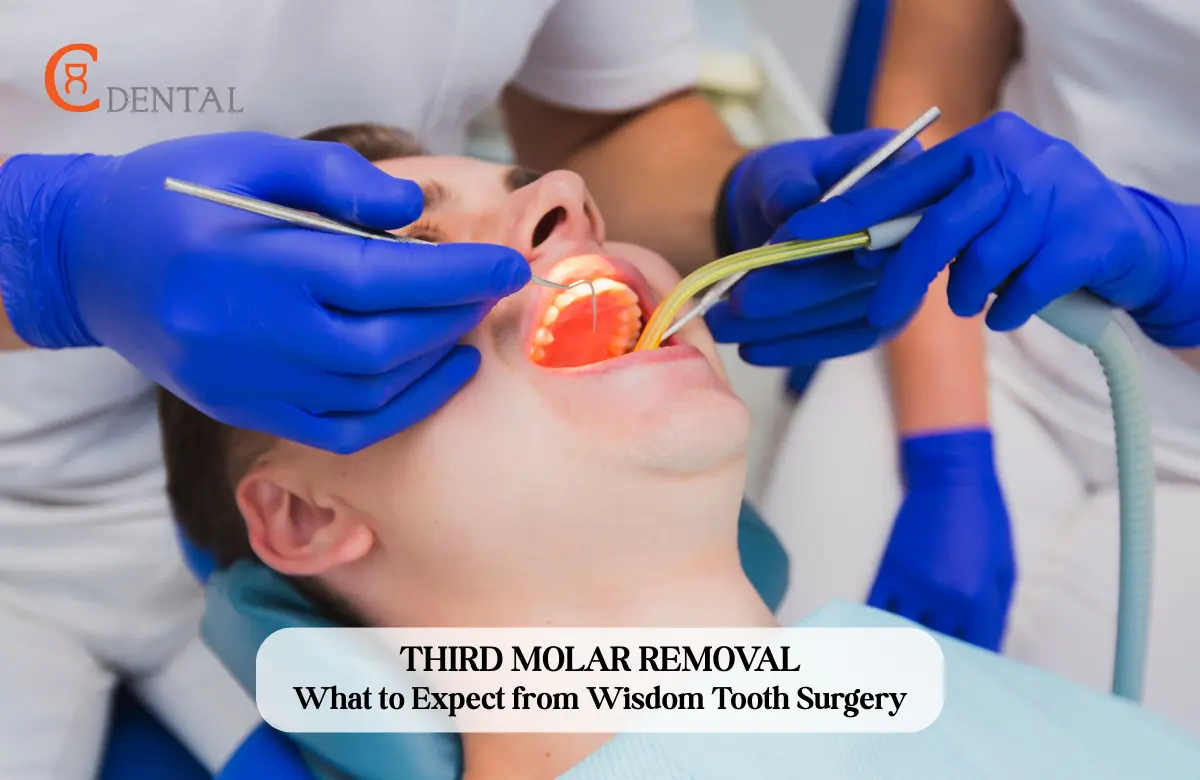
Wisdom teeth, also called third molars, are the last set of molars to develop, usually appearing between the ages of 17 and 25. While some people have enough space in their jaws to accommodate these teeth, many experience problems such as crowding, pain, infection, or impaction. For these cases, wisdom tooth surgery, or third molar removal, becomes necessary.
In this article, we’ll guide you through what to expect before, during, and after wisdom tooth extraction, discuss when removal is necessary, and share tips for a smooth recovery.
Do You Really Need Your Wisdom Teeth Removed?
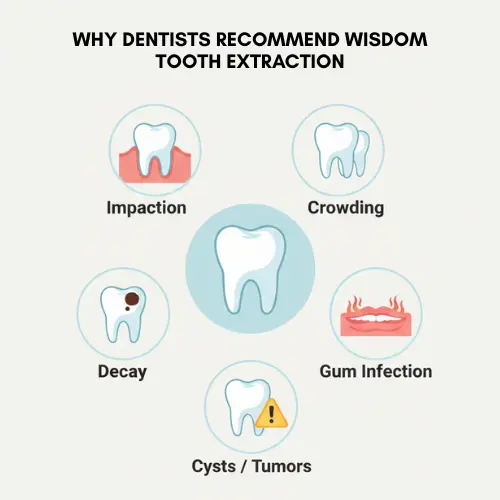
Not all wisdom teeth need to be removed. Dentists usually recommend extraction when third molars cause:
- Impaction – teeth trapped beneath the gum or bone
- Crowding – pushing other teeth out of alignment
- Decay or cavities – difficult to clean, prone to infection
- Gum disease or infection – especially pericoronitis
- Cysts or tumors – rare but serious complications
If your wisdom teeth are healthy, fully erupted, properly aligned, and painless, removal may not be necessary. Your dentist will assess the need through a clinical examination and X-rays to identify potential problems early.
Preparing for Third Molar Surgery
Proper preparation helps ensure a safe and smooth procedure. Your dentist or oral surgeon may recommend:
- Imaging: Dental X-rays or CBCT scans to understand tooth position
- Anesthesia options: Local anesthesia, sedation, or general anesthesia, depending on the complexity
- Pre-surgery instructions: Fasting if sedation is used, medications to avoid, and arranging transportation
- Managing anxiety: Deep breathing, discussing fears with your surgeon
Being well-prepared reduces complications and makes recovery easier.
What Happens During Wisdom Tooth Surgery?
Wisdom tooth extraction varies depending on the tooth’s position and condition. The general steps include:
- Anesthesia: Local anesthesia or sedation is administered to ensure comfort
- Incision (if necessary): Gums are lifted to access impacted teeth
- Bone removal: Sometimes, a small amount of bone is removed to extract the tooth
- Tooth extraction: The tooth is removed in whole or in sections
- Suturing: Gum tissue is stitched to promote healing
- Post-operative instructions: Your surgeon will provide guidelines for pain management, diet, and oral hygiene
Simple extractions for fully erupted teeth are quicker and less invasive, while impacted teeth may require surgical procedures.
Recovery After Wisdom Tooth Surgery
Healing after third molar removal typically takes a few days to a week for soft tissue recovery and up to a few weeks for full bone healing.
What to expect in the first 48 hours:
- Swelling around the jaw and cheeks
- Mild to moderate pain, manageable with prescribed medications
- Slight bleeding or oozing at the extraction site
Tips for a smooth recovery:
- Apply ice packs to reduce swelling
- Keep your head elevated when resting
- Stick to soft foods like yogurt, soup, or mashed potatoes
- Avoid straws, smoking, or vigorous rinsing to prevent dry socket
- Maintain gentle oral hygiene around the surgical site
Most patients can return to normal activities within a few days, though strenuous exercise should be avoided for at least a week.
Risks and Complications of Third Molar Removal
While wisdom tooth surgery is generally safe, complications can occur:
- Common: swelling, bruising, pain, temporary numbness, limited mouth opening
- Less common: dry socket (painful exposure of bone), infection, delayed healing
- Rare: nerve injury leading to persistent numbness or tingling
Following post-operative instructions and attending follow-up appointments reduces the risk of complications.
Tips for a Smooth Recovery
- Pain management: Use prescribed medication and over-the-counter pain relievers as directed
- Swelling control: Ice packs for the first 24–48 hours
- Diet: Soft, cool foods initially; gradually reintroduce normal foods
- Oral hygiene: Gentle rinsing with saltwater; avoid brushing directly on the surgical site for the first day
- Follow-up care: Attend scheduled checkups to monitor healing
These simple steps help ensure a quicker, safer recovery.
Frequently Asked Questions (FAQ)
A: Most procedures take 30–60 minutes, depending on the tooth’s position and complexity.
A: Stick to soft foods for the first few days. Avoid hard, spicy, or crunchy foods until the site heals.
A: Seek medical attention if you experience excessive bleeding, severe pain, swelling after 3–5 days, or fever.
A: No. Some wisdom teeth erupt normally and function like any other molar. Impact occurs when there isn’t enough space or alignment issues arise.
A: No, once fully removed, third molars do not grow back.
Conclusion
Wisdom tooth surgery is a common procedure designed to prevent pain, infection, and dental complications. Not everyone needs their wisdom teeth removed, but when problems arise, extraction protects your oral health. Recovery is usually smooth with proper care, and following your surgeon’s instructions helps ensure the best results. If you’re experiencing pain, swelling, or signs of impaction, consult an oral surgeon or dentist to evaluate whether third molar removal is necessary.
👉Book your consultation today to keep your smile healthy!

References
- Wisdom Tooth Extraction– Colgate
- Wisdom teeth removal: When is it necessary?– Mayo Clinic
- Wisdom Teeth Removal: What Adults Should Expect– WebMD
- Wisdom Tooth Removal: What to Expect and How to Prepare– Elite Dental
Please subscribe to our social channels for updates related to dental care and oral health.
Instagram: cdental2025
Facebook: CDental
YouTube: C-Dental Clinic








Leave a Reply