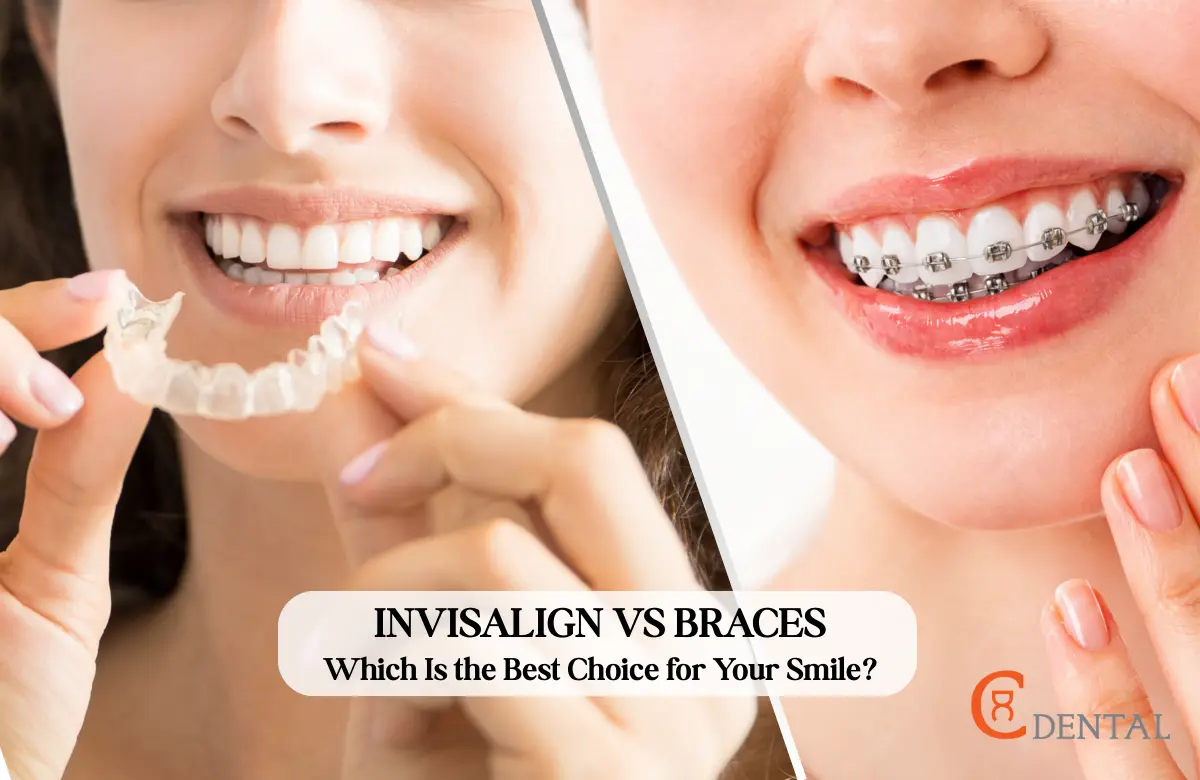

Deciding to straighten your teeth is an important step toward better oral health and confidence. However, choosing between Invisalign and traditional braces can feel overwhelming, especially when factors like appearance, comfort, cost, and treatment time come into play.
Both Invisalign and braces are proven orthodontic solutions. The right option depends on your dental condition, lifestyle, and long-term goals. This guide explains the differences clearly, helping you make an informed decision.
What Are Braces?
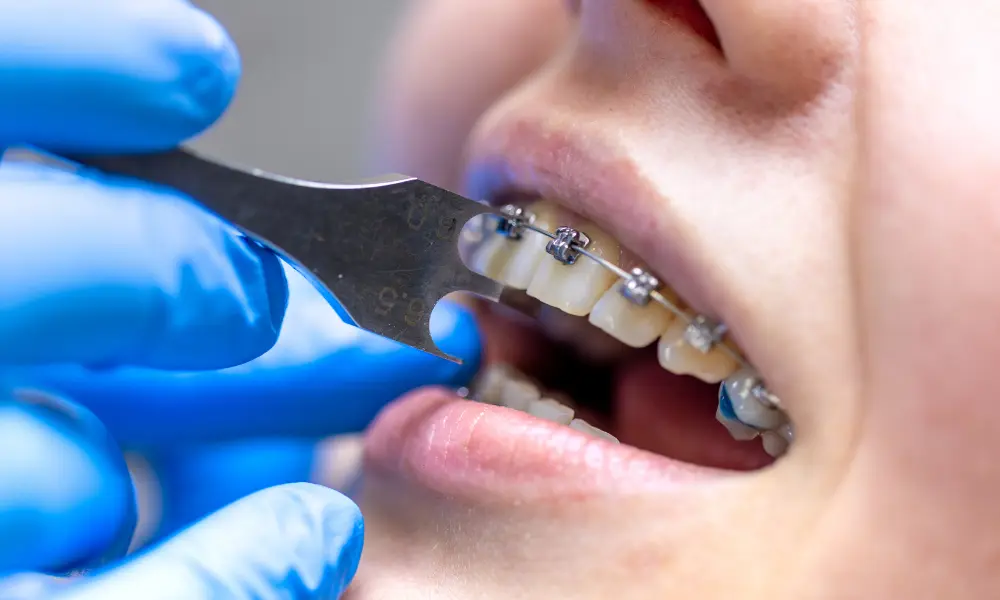
Braces are a traditional orthodontic treatment used to correct misaligned teeth, gaps, and bite problems. They work by applying gentle, continuous pressure to gradually move teeth into their correct positions.
Types of Braces
- Metal braces – Strong and effective, commonly used for complex cases
- Ceramic braces – Similar to metal braces but less noticeable
- Lingual braces – Placed behind the teeth; suitable only for select cases
Braces are commonly recommended for:
- Moderate to severe alignment issues
- Bite correction problems
- Patients who prefer a fixed, non-removable option
Because braces work continuously, they do not depend on patient compliance, making them highly effective.
What Is Invisalign?
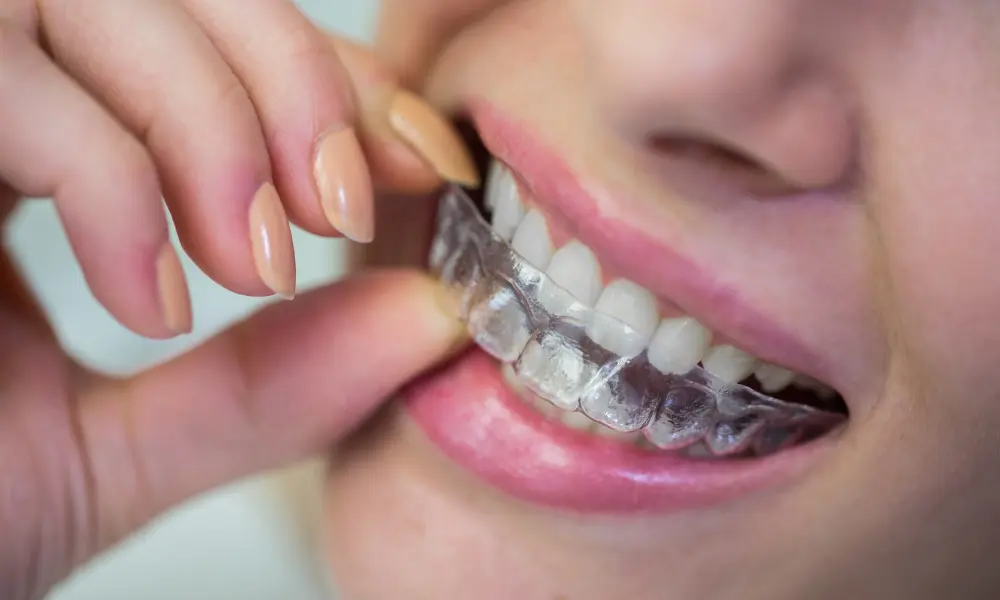
Invisalign is an orthodontic treatment that uses a series of clear, removable aligners to straighten teeth over time. Each set of aligners is custom-designed and replaced every few weeks as the teeth gradually move.
Key features of Invisalign:
- Nearly invisible appearance
- Removable for eating and cleaning
- Digitally planned treatment using advanced scanning technology
Invisalign is often suitable for:
- Mild to moderate alignment concerns
- Adults and teenagers seeking a discreet option
- Patients who can commit to wearing aligners 20–22 hours per day
Invisalign vs Braces: A Clear Comparison
| Feature | Braces | Invisalign |
| Appearance | Visible brackets and wires | Nearly invisible |
| Comfort | Initial soreness possible | Smooth and comfortable |
| Removable | No | Yes |
| Eating restrictions | Yes | No |
| Oral hygiene | Requires extra care | Easier brushing and flossing |
| Treatment suitability | All cases, including complex | Mild to moderate cases |
| Compliance required | No | Yes |
Pros and Cons of Braces
Advantages
- Effective for nearly all orthodontic cases
- Ideal for complex alignment and bite correction
- No risk of forgetting to wear them
Limitations
- Visible appearance
- Initial discomfort after adjustments
- Food restrictions and careful cleaning required
Pros and Cons of Invisalign
Advantages
- Discreet and aesthetically pleasing
- Removable for meals and social occasions
- Easier oral hygiene maintenance
Limitations
- Must be worn consistently for best results
- Not suitable for all severe cases
- Requires patient discipline
How to Choose the Right Option for You
There is no universal “better” option. The right treatment depends on individual needs.
Consider the following:
- Is appearance a priority for you?
- Can you commit to wearing aligners daily?
- Do you have complex bite or alignment issues?
- Are comfort and convenience important factors?
A professional evaluation is essential to determine which treatment will deliver the best and safest results for your smile.
Treatment Time and Cost: What to Expect
Treatment Duration
- Braces: Typically 18–24 months
- Invisalign: Often 12–18 months for suitable cases, depending on complexity
Cost Considerations
The cost of orthodontic treatment varies based on:
- The severity of alignment issues
- Type of treatment selected
- Duration of treatment
During a consultation, patients receive a personalised treatment plan with clear cost details.
Life During and After Treatment
- With braces, Certain foods should be avoided, and oral hygiene must be maintained carefully
- With Invisalign, Aligners should be removed while eating and cleaned regularly
- Follow-up visits: Regular check-ups are essential to monitor progress
- After treatment: Retainers are necessary to maintain long-term results
Consistency and proper care play a crucial role in successful outcomes.
Frequently Asked Questions
A: Both treatments may cause mild discomfort initially, which usually settles within a few days.
A: Yes. Orthodontic treatment is suitable for adults as well as teenagers.
A: Braces are generally more cost-effective, while Invisalign may cost more depending on the case.
A: A professional dental consultation is the best way to determine the appropriate option.
Final Thoughts
Both Invisalign and braces are reliable orthodontic treatments that can help you achieve a healthier, more confident smile. The right choice depends on your dental condition, lifestyle preferences, and treatment goals.
There is no shortcut to proper teeth alignment. The best results come from a well-planned treatment approach, expert guidance, and consistent care.
References
- Invisalign vs. Braces: Which Is Better?– Everyday Health
- Invisalign vs Braces: Pros and Cons Explained– McComb Orthodontics
- Invisalign vs Braces for Adults Which is Right for You-Valley Dental Care
- Invisalign Vs Braces (The Pros and Cons of Each)– The Orthodontists
Please subscribe to our social channels for updates related to dental care and oral health.
Instagram: cdental2025
Facebook: CDental
YouTube: C-Dental Clinic

Leave a Reply