
Most people think dental care is only about keeping teeth white or freshening breath. The truth is, it goes far deeper. Poor oral health affects your overall well-being, your confidence, your finances, and can even influence other areas of your health. Neglecting regular care leads to problems that grow silently, often becoming painful, costly, and stressful over time. Understanding the full impact of dental neglect is the first step toward prevention.
This article explores why people often delay dental care, the consequences of neglect, the financial and emotional tolls, and practical strategies to protect your teeth and health.
Why People Delay Dental Care?
Even when people know the importance of brushing twice daily and visiting the dentist, many still put off care. There are several reasons for this. Busy lives make it easy to skip appointments or reduce oral hygiene to a minimal routine. Anxiety or fear of discomfort from past dental visits keeps many away. Some believe brushing alone is sufficient and underestimate the need for professional checkups. Others avoid the dentist to save money, not realizing that postponing care often leads to higher costs later.
Understanding these behaviors is important because small issues that are ignored can escalate into serious oral health problems that affect more than just your teeth.
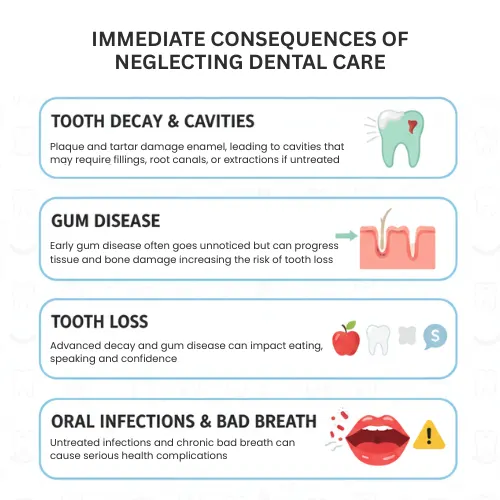
Immediate Consequences of Neglect
Poor dental care does not just result in cavities. Neglect sets off a chain of issues that become more difficult to manage over time.
Tooth Decay and Cavities
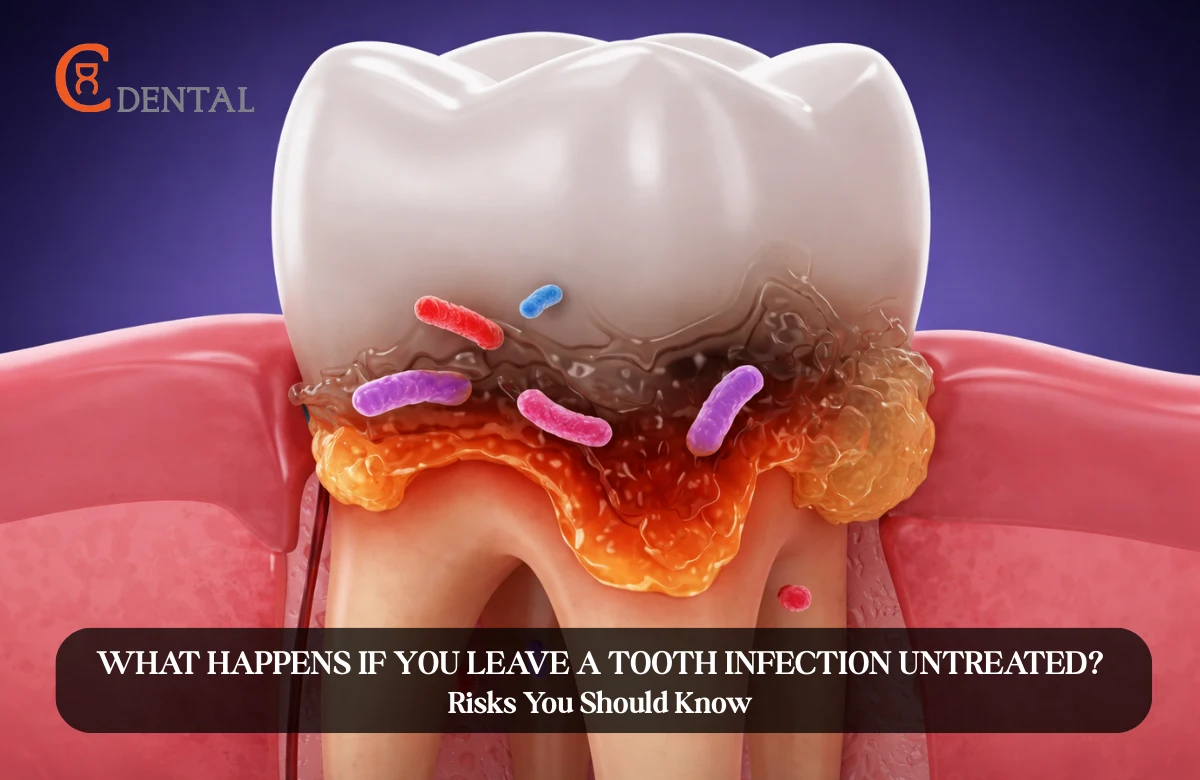
Without proper cleaning and checkups, plaque and tartar build up, causing enamel erosion and cavities. Untreated cavities deepen and can eventually require fillings, root canals, or extractions.
Gum Disease
Gingivitis, the first stage of gum disease, often develops silently. If left untreated, it can progress to periodontitis, which damages the tissues and bone supporting your teeth. Advanced gum disease may result in tooth loss.
Tooth Loss
As decay and gum disease worsen, tooth loss becomes a real risk. Missing teeth affect how you eat, speak, and interact with others, impacting your quality of life.
Oral Infections and Bad Breath
Chronic bad breath can be socially and emotionally burdensome. Untreated infections can lead to more serious health concerns and may require antibiotics or even surgery.
The Ripple Effect on Overall Health
Oral health does not exist in isolation. Neglecting it can affect the entire body. Chronic gum inflammation has been linked to heart problems and stroke. Poor oral hygiene complicates blood sugar management for diabetics and increases the risk of respiratory infections when bacteria are inhaled into the lungs. Recent studies even suggest links between gum disease and cognitive decline. Maintaining good oral health is not just about teeth; it is essential for overall well-being.
The Financial Toll
Dental neglect can become expensive. Preventive care, such as regular cleanings and exams, is relatively affordable and can catch problems early. In contrast, untreated issues may require fillings, root canals, crowns, or even extractions and implants, all of which are costly.
Beyond treatment costs, dental emergencies can result in missed work and lost productivity, increasing the financial impact. Investing in preventive care saves money in the long run and protects your health and confidence.
Emotional and Social Costs
Dental problems extend beyond physical and financial consequences. Tooth decay, discoloration, and missing teeth can affect self-esteem and confidence, making social interactions stressful. In professional settings, dental appearance can influence perceptions, while ongoing pain and discomfort contribute to psychological stress. Good oral care helps maintain both physical health and emotional well-being.

How to Protect Your Smile?
The good news is that most of these costs are preventable. Simple daily habits combined with professional care make a significant difference.
- Brush twice daily using proper technique to remove plaque effectively.
- Floss daily to clean areas your toothbrush cannot reach.
- Limit sugary foods and beverages that fuel tooth decay.
- Drink plenty of water and consider using a dentist-approved mouthwash.
- Schedule regular dental checkups at least every six months for early detection and treatment.
- Adopt healthy lifestyle habits, including balanced nutrition and avoiding tobacco.
By integrating these habits into daily routines, you can reduce both the physical and financial consequences of poor oral health.
Frequently Asked Questions About Dental Care
A: Most dental professionals recommend visiting the dentist every six months for routine checkups and cleanings. Regular visits help catch problems early, prevent serious issues, and maintain overall oral health.
A: While proper brushing and flossing are essential, they cannot replace professional care. Regular dental checkups help detect hidden issues like cavities, gum disease, or infections before they become serious.
A: Common signs include persistent bad breath, bleeding gums, tooth sensitivity, pain, discoloration, or loose teeth. Ignoring these signs can lead to more serious health and financial consequences.
A: Neglected oral health can contribute to heart disease, stroke, diabetes complications, respiratory infections, and even cognitive decline. The mouth is connected to the rest of the body, so maintaining oral hygiene supports overall well-being.
A: Preventive care,e like regular cleanings, exams, and minor treatments, is relatively affordable. It is much cheaper and less stressful than treating advanced problems like root canals, crowns, implants, or emergency procedures. Investing in prevention saves money, time, and discomfort in the long run.
Conclusion
Neglecting your teeth is not a minor issue. The consequences extend through your body, your finances, and your well-being. Early care, consistent daily habits, and regular dental visits are not optional; they are vital investments in your long-term health.
Taking action today is the best way to avoid pain, costly treatments, and emotional stress tomorrow. Protect your smile, safeguard your health, and maintain your confidence with simple, consistent oral care.
References
- The Costs of Dental Neglect: Uncovering the Consequences of Skipping Check-ups – Makowski Dental
- How Dental Problems Become Expensive If Ignored – NABA Dental
- The Many Costs of Poor Oral Health – University of Illinois Chicago
- REASONS WHY PEOPLE IGNORE DENTAL HEALTH– Zoma Dental
- The High Cost of Neglect: Why Preventive Dental Care is Essential for Businesses -Dentists on Demand
Please subscribe to our social channels for updates related to dental care and oral health.
Instagram: cdental2025
Facebook: CDental
YouTube: C-Dental Clinic

Leave a Reply