

Root canal treatment (RCT) is one of the most effective dental procedures for saving a severely infected or damaged tooth. Traditionally, root canal therapy was completed over multiple dental visits, but modern endodontic technology now allows dentists to perform single-sitting root canal treatment in many cases.
This advancement has raised an important question for many patients:
Is a single-sitting root canal treatment as effective as a multiple-sitting root canal treatment?
Clinical studies suggest that both approaches can achieve high success rates when performed correctly. The decision between a single-visit or multi-visit root canal usually depends on factors such as the severity of infection, tooth anatomy, and overall oral health of the patient.
This guide explains the difference between the two approaches, their benefits, and when each treatment option may be recommended.
What Is Root Canal Treatment?
Root canal treatment is a dental procedure used to treat infection or inflammation in the pulp of a tooth. The pulp contains nerves, blood vessels, and connective tissue. When it becomes infected due to decay, cracks, or trauma, it can cause severe tooth pain and swelling.
During root canal treatment, the dentist:
- Removes the infected pulp tissue
- Cleans and disinfects the root canals
- Shapes the canals for sealing
- Fills and seals the canal to prevent reinfection
Once the root canal is sealed, the tooth is usually restored with a dental crown or permanent filling to protect its structure and restore normal function.
Modern root canal therapy is highly effective and allows patients to preserve their natural tooth instead of extracting it.
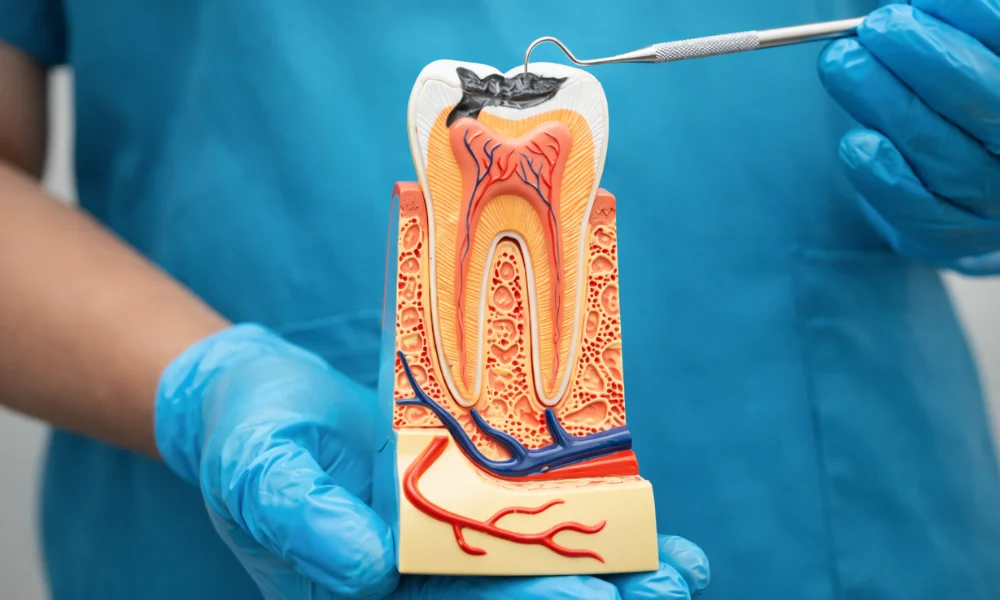
What Is Single Sitting Root Canal Treatment?
Single-sitting root canal treatment, also known as single-visit endodontic therapy, is a procedure where the entire root canal treatment is completed in one appointment.
In this approach, the dentist performs the full procedure—including cleaning, shaping, disinfecting, and sealing the canals—during a single visit.
Advancements in dental technology, such as rotary endodontic instruments, digital imaging, and electronic apex locators, have enabled the efficient and safe performance of root canal treatment in a single sitting.
Benefits of Single-Sitting Root Canal Treatment
• Convenience for patients – only one dental appointment is required
• Reduced treatment time compared to multiple visits
• Lower risk of reinfection between appointments
• Less anxiety for patients who prefer fewer dental visits
• Faster pain relief after removing infected tissue
Single-sitting root canal treatment is often recommended for teeth with minimal infection and straightforward root canal anatomy.
What Is Multiple Sitting Root Canal Treatment?
Multiple sitting root canal treatment is the traditional approach where the procedure is completed over two or more dental visits.
During the first appointment, the dentist cleans and disinfects the infected canals. A temporary medicated dressing is often placed inside the tooth to eliminate remaining bacteria.
In the next visit, the dentist checks whether the infection has reduced before sealing the canals permanently.
Advantages of Multiple-Visit Root Canal Treatment
• Allows strong antibacterial medication to act inside the canal
• Useful for teeth with severe infection or abscess
• Gives the dentist time to monitor symptoms before sealing
• Helpful for complex or curved root canals
This method is commonly used when the tooth has a significant infection or swelling that requires additional disinfection time.
Success Rate: Single Sitting vs Multiple Sitting Root Canal
Many patients assume that multiple-sitting root canals are more effective than single-visit treatments. However, clinical studies show that the success rates of both methods are very similar.
Research published in the National Library of Medicine has found that:
- Single-visit root canal success rate: approximately 85%
- Multiple visit root canal success rate: approximately 87%
The difference between the two approaches is not statistically significant, meaning both treatments are considered safe and reliable when performed properly.
In most cases, the experience of the dentist and proper cleaning of the root canals play a much larger role in treatment success than the number of visits.
Single Sitting vs Multiple Sitting Root Canal: Key Differences
| Factor | Single Sitting Root Canal | Multiple Sitting Root Canal |
| Number of visits | One appointment | Two or more appointments |
| Treatment duration | Completed in one day | Spread over several days |
| Best for | Mild infection cases | Severe infection or abscess |
| Convenience | High | Moderate |
| Risk of reinfection | Lower between visits | Slightly higher if temporary filling leaks |
Both procedures are effective, and the best choice depends on the clinical condition of the tooth.
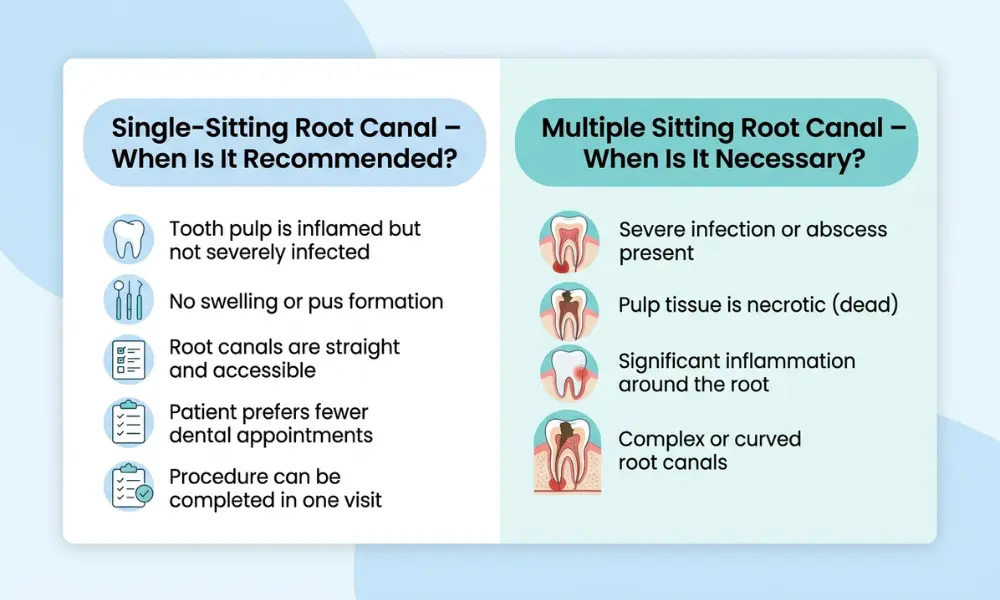
When is a single-sitting root canal recommended?
Dentists may recommend single-visit root canal treatment when:
- The tooth pulp is inflamed but not severely infected
- There is no swelling or pus formation
- The root canals are relatively straight and accessible
- The patient prefers fewer dental appointments
In such cases, completing the procedure in one sitting can save time while providing effective results.
When Is Multiple Sitting Root Canal Necessary?
Multiple visit root canal treatment may be recommended when:
- The tooth has a severe infection or abscess
- The pulp tissue is completely necrotic (dead)
- There is significant inflammation around the root
- The canals are complex or difficult to clean in one visit
In these situations, placing medication between visits helps eliminate bacteria before the tooth is permanently sealed.
Post-Treatment Pain and Recovery
After a root canal treatment, patients may experience mild discomfort for a short period. This is normal and usually resolves within a few days.
Common recovery symptoms include:
- mild sensitivity when chewing
- slight soreness around the treated tooth
- temporary tenderness in the surrounding gum tissue
These symptoms are typically manageable with prescribed pain medication and proper aftercare.
Most patients can return to normal daily activities within 24 hours of the procedure.
Aftercare Tips for Root Canal Treatment
Proper aftercare helps ensure successful healing and long-term tooth preservation.
Patients are usually advised to:
• Avoid chewing on the treated tooth until the final restoration is placed
• maintain good oral hygiene with regular brushing and flossing
• attend follow-up appointments if recommended
• contact the dentist if severe pain or swelling occurs
Placing a permanent crown after root canal treatment also helps strengthen the tooth and prevent fractures.
Choosing the Right Root Canal Treatment
Both single-sitting and multiple-sitting root canal treatments are clinically effective solutions for saving infected teeth.
The best approach depends on several factors:
- severity of infection
- root canal complexity
- patient comfort and schedule
- professional assessment by the dentist
Modern dentistry allows many patients to benefit from single-sitting root canal treatment, while multiple-visit procedures remain valuable for more complex infections.
When to See a Dentist
Persistent tooth pain, swelling, or sensitivity to hot and cold foods may indicate an underlying infection that requires professional treatment.
Early diagnosis can help prevent complications and make root canal treatment simpler and more successful.
For patients experiencing symptoms of tooth infection, consulting an experienced dental professional is the best step toward protecting long-term oral health. Clinics such as C Dental Clinic in Sharjah provide advanced diagnostic tools and modern endodontic treatments to ensure comfortable and effective care for patients requiring root canal therapy.
Frequently Asked Questions
A: Yes, a single-sitting root canal is considered safe and effective when the infection is mild, and the tooth anatomy allows complete cleaning in one visit. Modern dental technology, such as rotary instruments and digital imaging, helps dentists thoroughly disinfect and seal the canals during the same appointment.
A: Both single-sitting and multiple-sitting root canal treatments have high success rates. The best option depends on factors such as the severity of infection, the complexity of the root canals, and the patient’s overall dental condition. Your dentist will recommend the most appropriate treatment based on clinical evaluation.
A: A single-sitting root canal usually takes 60 to 90 minutes, depending on the number of canals in the tooth and the complexity of the procedure. Molars with multiple canals may take slightly longer compared to front teeth.
A: Mild discomfort or sensitivity for a few days after a root canal is normal. This occurs as the surrounding tissues heal. Most patients can manage the discomfort with prescribed medication and typically return to normal activities within 24 hours.
A: You should consult a dentist if you experience persistent tooth pain, sensitivity to hot or cold foods, swelling around the gums, or pain while chewing. Early diagnosis can prevent the infection from spreading and increase the chances of saving the natural tooth.
Conclusion
If you are experiencing severe tooth pain or suspect a dental infection, timely treatment can help save your natural tooth and prevent further complications.
At C Dental Clinic, Sharjah, experienced dental professionals provide modern root canal treatments tailored to each patient’s needs, including both single-sitting and multiple-sitting root canal procedures using advanced dental technology.
Booking a consultation allows your dentist to evaluate your condition and recommend the most appropriate treatment plan for long-term oral health.
Taking early action can help relieve pain, preserve your natural tooth, and restore your smile with confidence.
👉Schedule your consultation at C Dental Clinic today and get expert treatment for lasting relief.

References
- Single Visit versus Multiple Visit Root Canal Therapy– National Library of Medicine
- Outcomes of Single-Visit Versus Multi-Visit Root Canal Therapy– European Journal of Cardiovascular Medicine
- Single-Sitting vs. Multiple-Sitting Root Canal Treatment: A Comprehensive Guide– Dental Villa
- Benefits of a Single-Sitting Root Canal vs Traditional Multi-Visit Root Canal– Splendid Smiles Dental Clinic
- Multiple Sitting vs. Single Sitting Root Canal Treatment in Kolkata – What’s Best?– Mission Smile
- Is Single-Sitting Root Canal Treatment Right for You?– Elite Dental
- Root Canals in One Visit vs. Two Visits: Which Option Is Best?– Synergy Endodontics
- Single Sitting vs Multiple Sitting RCT: Which Root Canal Treatment Is Better?– North Delhi Dental Clinic
Please subscribe to our social channels for updates related to dental care and oral health.
Instagram: cdental2025
Facebook: CDental
YouTube: C-Dental Clinic





Leave a Reply