Tag: Oral Health

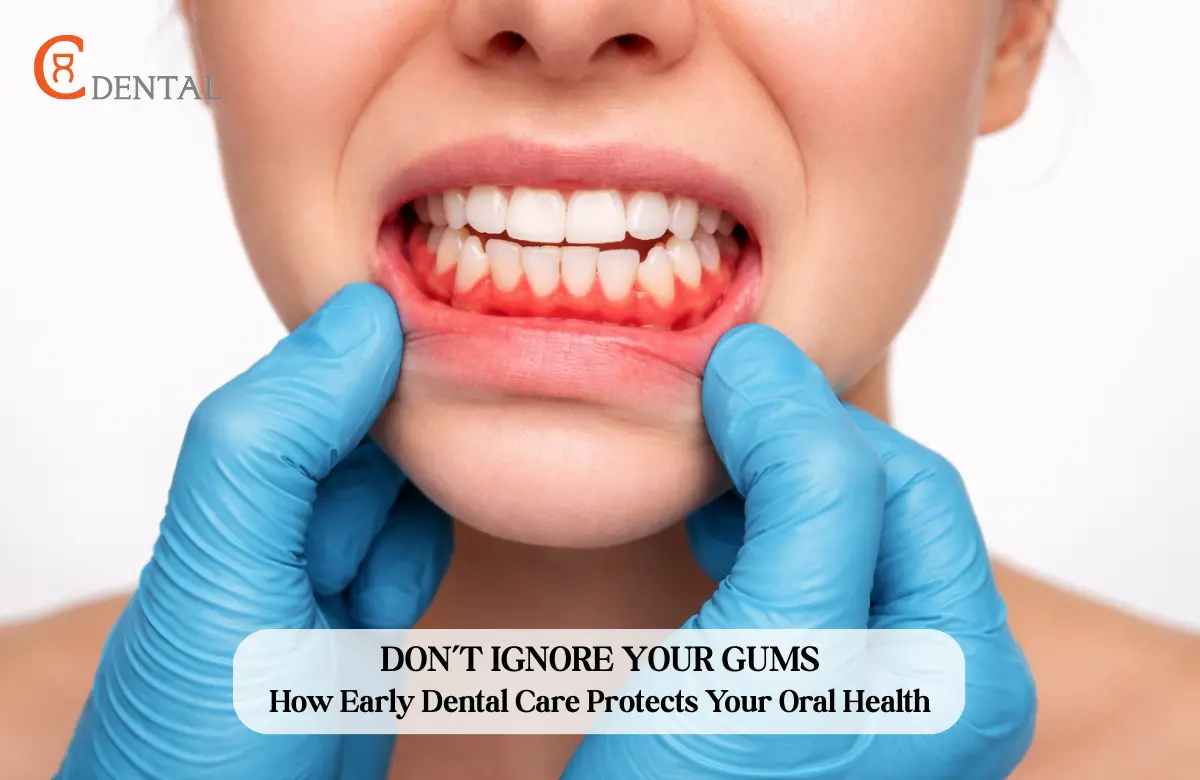
  • Don’t Ignore Your Gums: How Early Dental Care Protects Your Oral Health

    Don’t Ignore Your Gums: How Early Dental Care Protects Your Oral Health

    Gum disease is more common than many realize and is often misunderstood. The tricky part? It can start quietly, without pain, so many people delay treatment until it’s too late. Left untreated, it can slowly damage your gums, jawbone, and even your teeth.

    In this article, we’ll explain what happens if gum disease is left untreated, the difference between gingivitis and periodontitis, and advanced treatment options available in Sharjah to protect your smile and overall health.

    What Is Gum Disease?

    Gum disease, or periodontal disease, is an infection that affects the gums and the structures supporting your teeth. It begins when a sticky layer of bacteria called plaque builds up along the gumline.

    If plaque isn’t removed, it hardens into tartar, which irritates the gums and allows infection to spread below the surface. Over time, this can affect the jawbone and the teeth themselves.

    Why Gum Disease Often Goes Unnoticed

    Many people ignore gum problems because:

    • Early stages are usually painless
    • Bleeding gums are considered “normal.”
    • Symptoms develop slowly
    • Visible damage appears late

    By the time loose teeth, persistent bad breath, or discomfort appear, significant and sometimes irreversible damage has already occurred.

    Gingivitis vs. Periodontitis: Understanding the Difference

    Not all gum disease is the same. Understanding the difference can help you take action early.

    What Is Gingivitis?

    What Is Gingivitis?

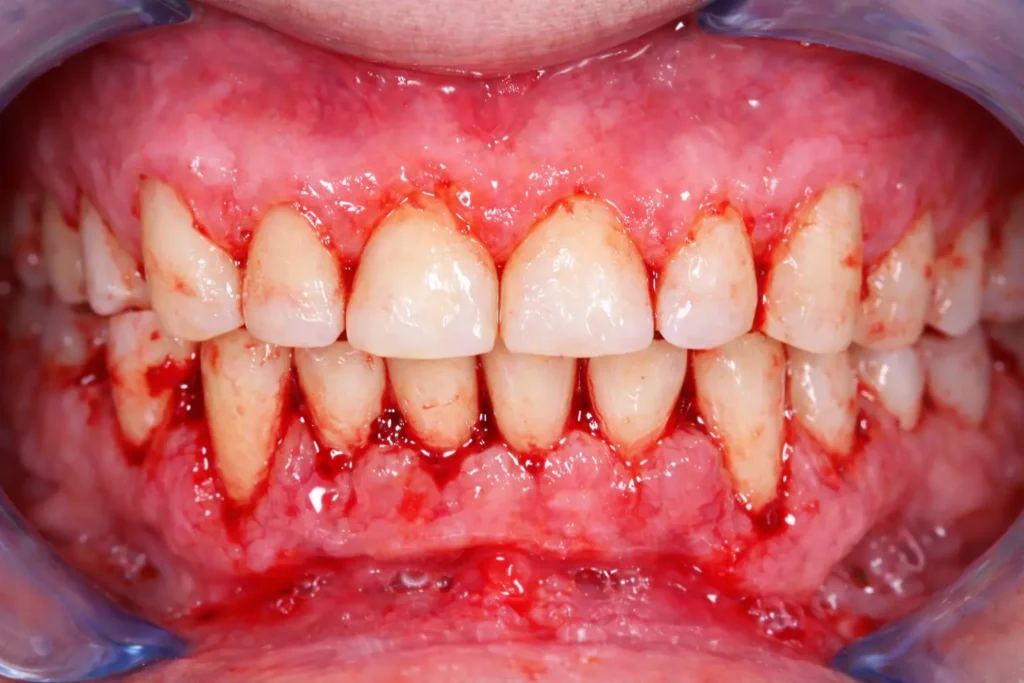
    Gingivitis is the earliest stage of gum disease. It affects only the gums, without any bone involvement.

    Common signs:

    • Red, swollen gums
    • Bleeding when brushing or flossing
    • Mild tenderness

    At this stage, gingivitis is fully reversible with proper cleaning and oral hygiene.

    What Is Periodontitis?

    Periodontitis develops when gingivitis is left untreated. The infection spreads deeper, affecting gums, connective tissue, and jawbone.

    Signs of periodontitis include:

    • Deep gum pockets
    • Gum recession
    • Loose or shifting teeth
    • Chronic inflammation

     Unlike gingivitis, periodontitis is irreversible, but it can be controlled with professional care.

    FeatureGingivitisPeriodontitis
    Gum inflammationYesYes
    Bleeding gumsCommonCommon
    Bone lossNoYes
    Periodontal pocketsNoYes
    Tooth mobilityNoYes
    ReversibleYesNo
    Tooth loss riskLowHigh

    How Gum Disease Progresses

    Stage 1: Gingivitis (Early Inflammation)

    • Swollen, bleeding gums
    • No bone damage
    • Fully reversible

    Stage 2: Infection Spreads

    Gums start to detach from teeth, forming periodontal pockets. Bacteria multiply rapidly below the gumline, causing more damage.

    Stage 3: Bone and Tissue Loss

    Jawbone begins to deteriorate, exposing tooth roots. Teeth become sensitive, and gum recession becomes noticeable.

    Stage 4: Loose Teeth & Bite Changes

    Teeth may feel unstable, chewing may become difficult, and your bite may shift.

    Stage 5: Tooth Loss & Chronic Infection

    At this stage, teeth may fall out or require extraction. Gum abscesses may form, and extensive dental rehabilitation might be needed.

    Health Risks Beyond the Mouth

    Gum disease isn’t just a dental issue—it can affect your whole body. Bacteria and inflammation from infected gums can enter the bloodstream and contribute to:

    • Heart disease & stroke: Inflammation may promote arterial plaque
    • Diabetes complications: Periodontitis makes blood sugar harder to control
    • Respiratory infections: Bacteria may reach the lungs
    • Pregnancy complications: Linked to preterm birth and low birth weight

    Taking care of your gums is an investment in your overall health.

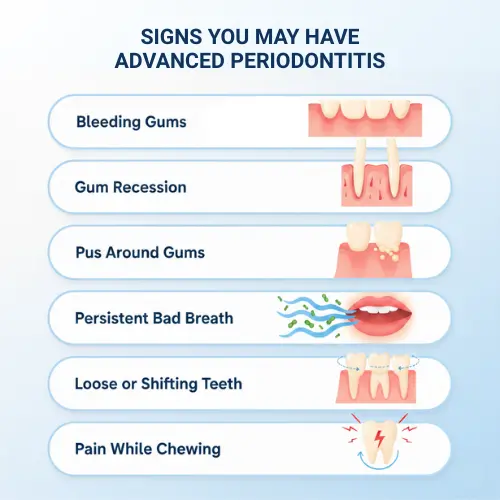
    Signs You May Have Advanced Periodontitis

    Signs You May Have Advanced Periodontitis

    If you notice:

    • Frequent bleeding gums
    • Teeth looking longer due to gum recession
    • Pus around the gumline
    • Persistent bad breath
    • Loose or shifting teeth
    • Pain while chewing

    …it’s time to see a specialist. Early intervention is crucial.

    How Dentists Diagnose Gum Disease

    A thorough evaluation usually includes:

    • Periodontal probing to measure gum pockets
    • Digital X-rays to assess bone loss
    • Checking for gum recession and tooth mobility
    • Reviewing your medical history for risk factors

    Advanced Periodontitis Treatments in Sharjah

    Sharjah offers modern periodontal care with advanced technology and expert specialists.

    Non-Surgical Treatments

    • Scaling & Root Planing: Deep cleaning below the gumline to remove plaque and tartar
    • Antibiotic Therapy: Local or oral antibiotics reduce infection

    Surgical Treatments

    • Flap Surgery: Opens deep pockets for cleaning and reduces infection
    • Bone Grafting: Restores lost jawbone and stabilizes teeth
    • Guided Tissue Regeneration: Encourages regrowth of bone and gum tissue
    • Gum Grafting: Covers exposed roots, reduces sensitivity, and improves appearance
    • Laser Gum Treatment: Precise, minimally invasive, and faster healing

     Sharjah clinics provide personalized care using modern tools to ensure safe, effective outcomes.

    Preventing Gum Disease From Returning

    • Brush twice daily
    • Floss or use interdental cleaners daily
    • Attend regular periodontal checkups
    • Avoid smoking
    • Manage health conditions like diabetes

    Frequently Asked Questions (FAQs)

    Q: Can gum disease go away on its own?

    A: No. Gum disease does not heal on its own. Mild gum disease (gingivitis) can be reversed with professional cleaning and good daily oral care. More advanced gum disease (periodontitis) cannot be reversed, but it can be managed and kept from getting worse.

    Q: Will gum disease treatment hurt?

    A: Most treatments are comfortable and manageable. Dentists use local anesthesia to reduce discomfort, and many patients feel only mild soreness afterward. Modern options, including laser treatments, also help make recovery quicker and easier.

    Q: How do I know if my gum problem is serious?

    A: Bleeding gums, bad breath, or mild swelling may seem minor, but they can be early warning signs. If you notice loose teeth, gum recession, pus, or pain while chewing

    Q: Can treating gum disease really save my teeth?

    A: Yes. Early and proper treatment can slow or stop further damage and help preserve your natural teeth for many years.

    Final Thoughts

    Gum disease doesn’t cause damage overnight—but once it advances, the effects can be permanent. The good news is that with early diagnosis and advanced gum treatments available in Sharjah, you can stop progression, protect your natural teeth, and safeguard your overall health. Healthy gums are the foundation of a strong, confident smile—and ignoring them is a risk you don’t need to take.

    👉 Book your gum health consultation today and take control of your oral health before the damage becomes irreversible.

    Call to Action Button of C Dental Clinic

    References

    1. What is Gingivitis & How is It Treated?– Monterey Peninsula Dental Group
    2. Gum health: Causes and mechanisms– Haleon Health Partner
    3. About Periodontal (Gum) Disease– Centers for Disease Control and Prevention
    4. Advanced Gum Disease: Treatment Options in SharjahArticle Ted
    5. Periodontal diseases, cardiovascular diseases, diabetes, and respiratory diseasesNational Library of Medicine

    Please subscribe to our social channels for updates related to dental care and oral health.

    Instagram:  cdental2025
    Facebook:  CDental 
    YouTube: C-Dental Clinic
  • Silent Signs You May Need a Root Canal (Even Without Pain)

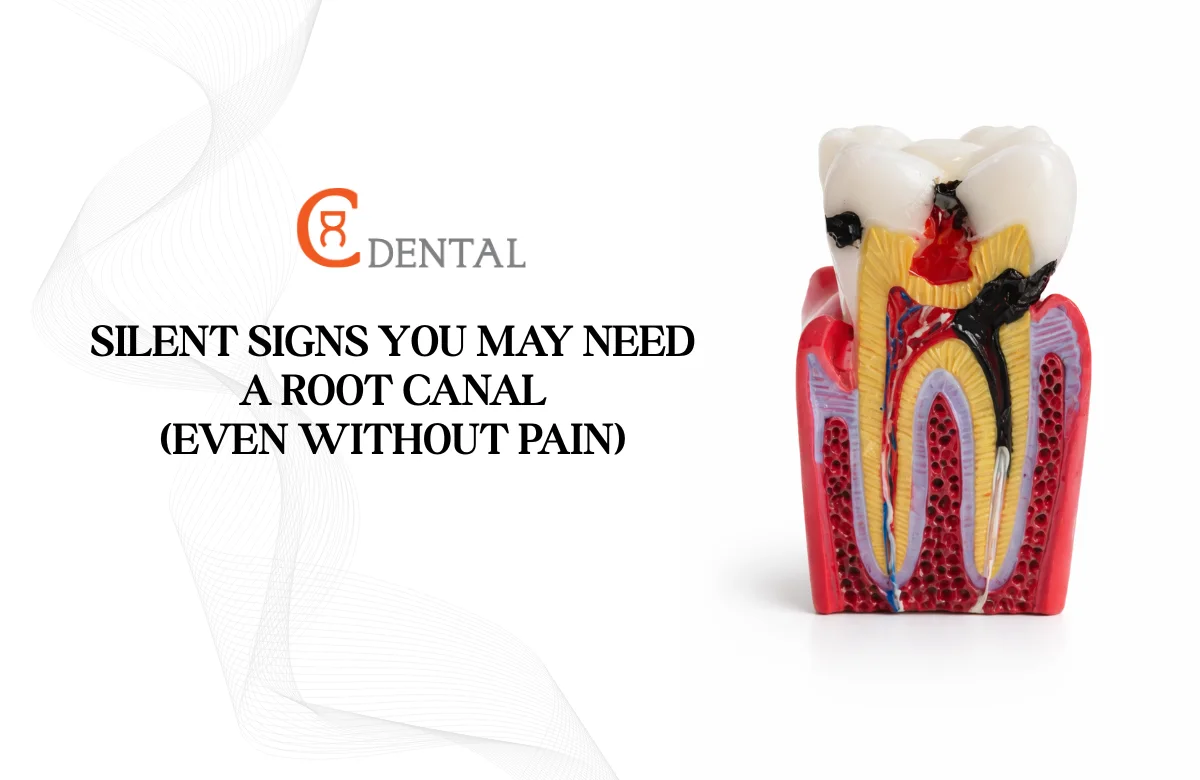
    Silent Signs You May Need a Root Canal (Even Without Pain)

    Most people believe a root canal is only needed when there is unbearable tooth pain. In reality, many serious tooth infections develop quietly—without obvious discomfort—until the damage becomes severe. At a trusted dental clinic in Al Nahda, Sharjah, dentists frequently see patients who delay treatment simply because “it didn’t hurt.”

    Understanding these silent warning signs can help you protect your natural tooth and avoid complex dental problems. If you’re unsure whether a symptom is serious, consulting an experienced dentist in Sharjah early can make all the difference. At C Dental Clinic Sharjah, early diagnosis is a key focus of preventive and restorative care.

    Expert Root Canal Care at C Dental Clinic Sharjah

    Why a Tooth May Need a Root Canal Without Pain

    A tooth can become infected even when pain is minimal or completely absent. This often happens when the nerve tissue (pulp) inside the tooth is slowly damaged. As the nerve weakens, pain signals may reduce—giving a false sense of security.

    Common causes include:

    • Deep tooth decay
    • Cracks or fractures in the tooth
    • Previous dental work that has failed
    • Long-standing bacterial infection

    Without timely root canal treatment, the infection can spread to surrounding bone and gums, leading to dental abscesses or tooth loss.

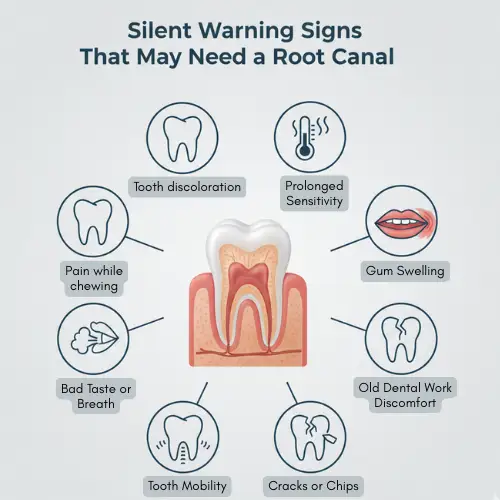
    Silent Warning Signs You Shouldn’t Ignore

    Silent Warning Signs You Shouldn’t Ignore

    1. Tooth Discoloration

    If one tooth appears darker, greyish, or dull compared to others, it may indicate dying pulp tissue. This internal damage often requires a root canal procedure, even if there’s no pain.

    2. Prolonged Sensitivity to Hot or Cold

    Lingering sensitivity—especially after the hot or cold source is removed—is a classic sign of nerve involvement. A dentist in Sharjah can determine whether this is enamel wear or deeper pulp infection.

    3. Swelling or Tenderness in the Gums

    Localized gum swelling, redness, or tenderness near a tooth may signal a hidden infection. Sometimes a small pimple-like bump (dental abscess) appears and drains pus, causing a bad taste.

    4. Persistent Bad Taste or Bad Breath

    An ongoing unpleasant taste or chronic bad breath that doesn’t improve with brushing may be caused by infection inside the tooth.

    5. Discomfort When Chewing or Applying Pressure

    Mild pain or pressure sensitivity while chewing can be an early indicator of inflammation around the tooth root—even without a constant toothache.

    6. A Tooth That Feels Loose

    Infection can weaken the bone supporting the tooth. If a tooth feels loose without trauma, prompt evaluation at a dental clinic in Al Nahda Sharjah is essential.

    7. Cracked or Chipped Tooth

    Even small cracks allow bacteria to enter the pulp. A cracked tooth may remain painless for months while infection develops silently.

    8. Previous Dental Work That Feels “Off”

    Old fillings or crowns that suddenly feel uncomfortable may indicate decay beneath them. In some cases, endodontic care is needed to save the tooth.

    When Should You See a Dentist?

    You should consult a dentist if:

    • Sensitivity lasts more than a few days
    • Gum swelling appears near a tooth
    • A tooth changes color
    • You feel pressure pain while chewing

    Early diagnosis through dental X-rays and pulp testing helps prevent infection from spreading and reduces treatment complexity.

    How Root Canal Diagnosis Works

    At C Dental Clinic Sharjah, diagnosing the need for a root canal involves:

    • Detailed clinical examination
    • Digital dental X-ray diagnosis
    • Hot/cold sensitivity testing
    • Gentle pressure tests

    These steps help determine whether the pulp is inflamed, infected, or already damaged beyond repair.

    Why Early Root Canal Treatment Matters

    Delaying treatment can lead to:

    • Spread of infection to jawbone
    • Formation of dental abscesses
    • Increased risk of tooth extraction
    • Longer recovery time

    Early root canal treatment removes infection, relieves inflammation, and preserves your natural tooth—often with faster healing and better long-term outcomes.

    Expert Root Canal Care at C Dental Clinic, Sharjah

    As a patient-focused dental clinic in Al Nahd,a Sharjah, C Dental Clinic Sharjah offers modern, painless root canal solutions using advanced techniques and technology. Our experienced team prioritizes comfort, precision, and long-term oral health.

    Whether you’re dealing with tooth sensitivity, gum swelling, or unexplained dental changes, our goal is to help you make informed decisions with confidence.

    Frequently Asked Questions

    Q: Can a tooth die without pain?

    A: Yes. A tooth can lose nerve vitality without causing pain, especially in slow-developing infections.

    Q: Is root canal treatment painful today?

    A: Modern anesthesia and techniques make root canals comparable to routine fillings.

    Q: How urgent is a painless tooth infection?

    A: Very. Silent infections can spread quickly once symptoms worsen.

    Conclusion: Don’t Wait for Pain to Act

    Pain is not the only indicator of serious dental problems. Silent signs like discoloration, sensitivity, or gum swelling may be your body’s early warning system. Visiting a trusted dentist in Sharjah at the right time can save your tooth and prevent complications.

    If you notice any of these symptoms, schedule a consultation at C Dental Clinic Sharjah, a leading dental clinic in Al Nahda Sharjah, and take a proactive step toward lasting oral health

    Call to Action for C Dental

    Reference

    1. 10 Signs You Need a Root Canal: Don’t Ignore These Symptoms– Teeth Care Multispeciality Dental Clinic
    2. How To Know If You Need A Root Canal – 5 Important Signs The Braces Point Dental Clinic
    3. Root Canal  Cleveland Clinic
    4. Signs You May Need a Root Canal– Smile Delhi Dental Clinic
    5. Importance of a Root Canal– Hiranandani Hospital

    Please subscribe to our social channels for updates related to dental care and oral health.

    Instagram:  cdental2025
    Facebook:  CDental 
    YouTube: C-Dental Clinic
  • Why Preventive Dental Care Is Crucial: UAE Insights & How Sharjah Residents Can Benefit

    Why Preventive Dental Care Is Crucial: UAE Insights & How Sharjah Residents Can Benefit

    When was the last time you visited a dentist purely to prevent problems rather than treat them? Or your child? If it’s been more than six months, you’re not alone. Many residents in Sharjah—and across the UAE—only consider dental visits when discomfort strikes.

    But what if most dental problems could have been avoided?

    Preventive dental care isn’t just about keeping your teeth clean. It’s about safeguarding your health, saving money, and avoiding unnecessary pain. It’s about giving your family—the children, the teens, and even you—the confidence of a healthy smile every day.

    Introduction – Preventive Dental Care and UAE Insights

    Sharjah residents face unique oral health challenges. Our diets often include sugar-rich snacks—from dates to sodas and sweetened coffee. Busy schedules, long school or university hours, and a fast-paced lifestyle sometimes make brushing and flossing a lower priority.

    Oral diseases are among the most common chronic health problems worldwide. According to WHO and CDC guidelines, preventive care is essential to reduce the risk of cavities, gum disease, and systemic health complications.

    Recent studies in the UAE highlight the urgency:

    • 54–65% of adolescents experience tooth decay.
    • Preschool children in some regions show decay rates as high as 82–94%.
    • Nearly 40% of total dental expenditures in Abu Dhabi go to preventable conditions like cavities and gum disease.

    These stats make it clear: preventive dental care isn’t optional—it’s essential.

    Preventive Dental Care

    What is Preventive Dental Care?

    Preventive dental care is the practice of protecting teeth and gums before problems occur.

    It includes:

    • Routine dental checkups
    • Professional teeth cleaning
    • Fluoride treatments and dental sealants
    • Daily home oral hygiene

    Early detection saves money and prevents pain. It ensures your teeth stay healthy and strong, and your gums remain resilient.

    Think about it—would you rather pay for a small cleaning or a root canal? Prevention always wins.

    Why Sharjah Residents Should Prioritize Preventive Care

    Sharjah’s lifestyle and diet make preventive care particularly important. Sugar-rich foods, caffeinated drinks, and late-night snacking increase the risk of cavities. Busy parents and students often overlook daily brushing and flossing.

    Awareness gaps also exist. Many adults and teens understand general oral hygiene but are unaware of how oral health affects overall well-being, including diabetes, heart health, and digestion.

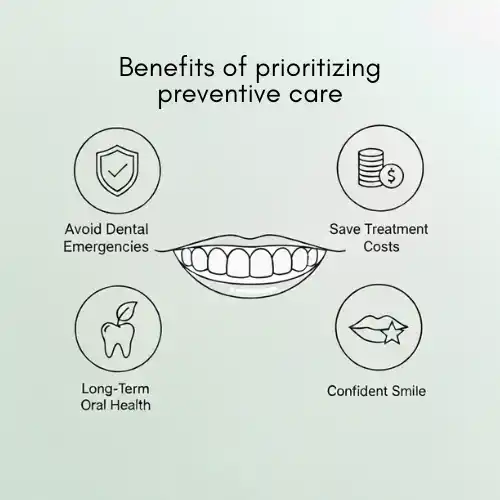
    Benefits of prioritizing preventive Dental care in Sharjah:

    Benefits of prioritizing preventive care in Sharjah:

    • Avoid painful dental emergencies
    • Save money on costly treatments
    • Maintain long-term oral and overall health
    • Build confidence with a healthy smile

    Prevention is not just smart—it’s essential for families, students, and adults alike.

    Daily Dental Care Tips for Families in Sharjah

    Good habits at home complement professional care. Here’s how:

    • Brush twice daily using fluoride toothpaste
    • Floss once daily to remove plaque in hard-to-reach areas
    • Limit sugary snacks and drinks to reduce decay risk
    • Rinse after meals if brushing isn’t possible
    • Drink plenty of water to flush bacteria

    Children: make brushing fun and consistent.
    Teens: emphasize that oral health impacts confidence, social life, and academics.
    Adults: set an example; children learn from what they see.

    Even small, consistent actions can prevent cavities, gum disease, and future orthodontic problems.

    How Daily Habits and UAE Diet Affect Dental Health

    Oral health in Sharjah and across the UAE is shaped by everyday routines, cultural foods, and lifestyle patterns. Research shows that dental caries (tooth decay) is highly prevalent, with over half of school-age residents affected, and some studies report up to 85% of younger children showing signs of decay. Common lifestyle and dietary patterns contributing to dental problems include:

    • Frequent sugary foods and drinks – sweetened coffee, tea, juices, sodas, and desserts provide fuel for cavity-causing bacteria.
    • Regular snacking throughout the day – more frequent sugar exposure increases acid attacks on teeth.
    • Irregular brushing and flossing habits – even if brushing is done sometimes, gaps allow plaque and tartar to build up.
    • Infrequent dental checkups – many residents only visit a dentist when pain or visible issues appear.
    • Cultural treats and social habits – dates, sweets during gatherings, and sugar-laden beverages are common in daily life and celebrations.

    Key takeaway: Even if you brush daily, sugar frequency, inconsistent hygiene, and missed preventive checkups significantly increase dental risk. Adopting practical habits — reducing sugary snacks, brushing and flossing consistently, rinsing after acidic foods, and scheduling biannual dental visits — can help Sharjah residents protect teeth, gums, and overall oral health effectively.

    Regular Dental Checkups in Sharjah

    Many patients ask, “What happens during a preventive checkup?”

    Here’s what to expect:

    • Full dental exam: teeth, gums, bite, and oral tissues
    • Cleaning: removal of plaque and tartar
    • Fluoride application or sealants for children
    • Personalized guidance for age-specific care

    Checkups are recommended every six months, but your dentist may suggest a different frequency based on your oral health.

    Professional visits complement home care, helping detect issues early and maintain healthy teeth and gums.

    Debunking Common Myths About Preventive Dentistry

    Let’s address some misconceptions:

    • “No pain, no problem.” False. Gum disease and cavities can be silent for months.
    • “Only kids need checkups.” Incorrect. Adults benefit just as much.
    • “Fluoride is unsafe.” Safe when used correctly; strengthens enamel.
    • “Brushing alone is enough.” False. Flossing, cleaning, and checkups complete preventive care.

    Believing myths can cost you time, money, and your oral health. Prevention is smarter than treatment—always.

    Preventive Dental Care in the UAE: Key Data, Stats, and Insights for Healthy Teeth

    Data underscores the need for preventive care in the UAE:

    • High decay rates: 54–65% of adolescents, up to 94% in preschool children.
    • Financial impact: 40% of dental spending goes toward preventable conditions.
    • Awareness gaps: Adults often don’t understand systemic risks related to oral health.
    • Growing demand: Preventive dentistry is a key driver of the UAE dental market, with clinics increasingly offering tailored services.

    These insights show why residents, families, and students in Sharjah should adopt preventive dental routines.

    FAQs About Preventive Dental Care in Sharjah

    Q: How often should I visit a dentist in Sharjah?

    A: Every six months, or as recommended by your dentist.

    Q: Are preventive checkups really necessary for teens?

    A: Yes. Early habits prevent cavities, gum disease, and orthodontic issues.

    Q: Can preventive dental care save money?

    A: Absolutely. Avoid costly treatments like fillings, root canals, or crowns.

    Q: Is fluoride safe for children in Sharjah?

    A: Yes. Properly used, fluoride strengthens teeth and prevents decay.

    Q: What’s the best routine for daily dental care?

    A: Brush twice, floss once, limit sugar, rinse after meals, and schedule regular checkups.

    Conclusion: Protecting Smiles in Sharjah

    Preventive dental care is essential, not optional. It protects your family’s health, prevents pain, and ensures smiles stay healthy for life.

    In Sharjah, expert dental clinics provide guidance and professional services to make preventive care simple, accessible, and effective.

    Now is the time to act. Book your preventive dental checkup today and give your family the gift of healthy, confident smiles. Regular care today prevents discomfort tomorrow. Your teeth—and your family—deserve it.

    Book a Consultation

    References

    1. National survey of the oral health of 12- and 15-year-old schoolchildren in the United Arab Emirates– The World Health Organization (WHO)
    2. A systematic review and meta-analysis of primary teeth caries studies in the Gulf – National Library of Medicine
    3. Sugars and dental caries– The World Health Organization (WHO) 
    4. Oral health– The World Health Organization (WHO)
    5. Oral Health Country Profile– CDN.Who

    Please subscribe to our social channels for updates related to dental care and oral health.

    Instagram:  cdental2025
    Facebook:  CDental 
    YouTube: C-Dental Clinic

  • Teeth Whitening: In-Clinic vs At-Home Solutions

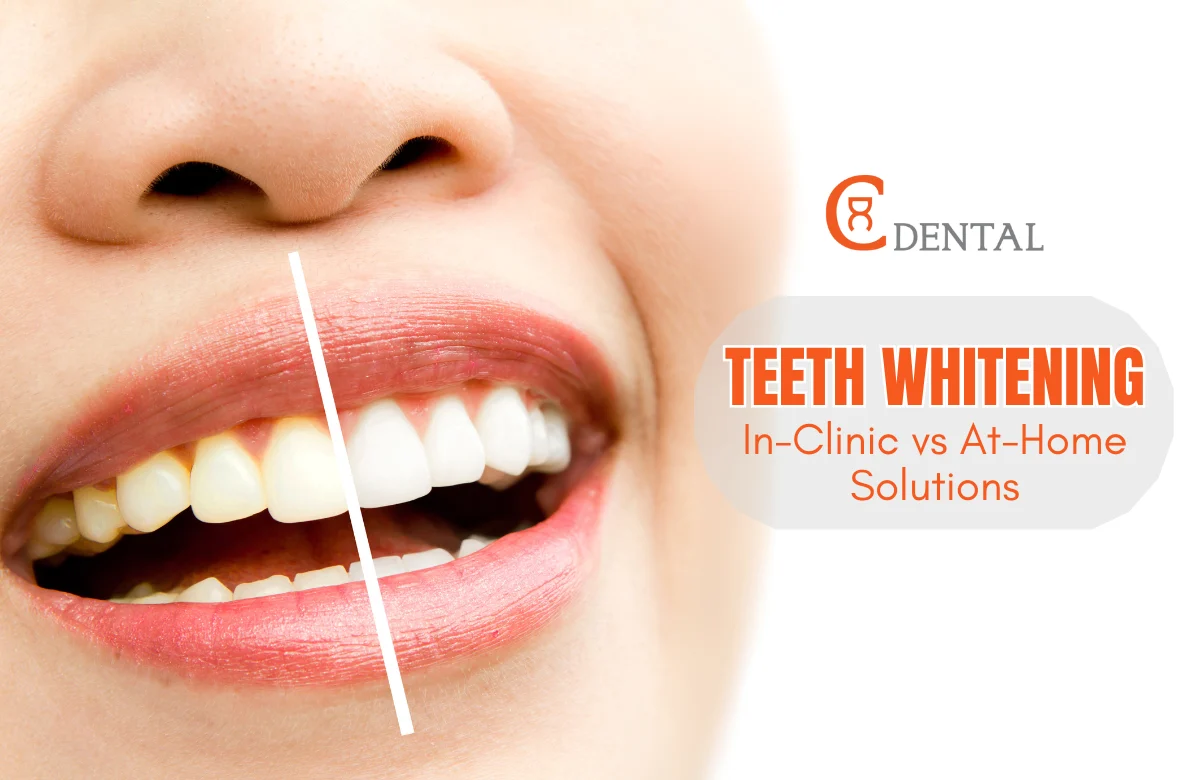
    Teeth Whitening: In-Clinic vs At-Home Solutions

    Your smile is one of the first things people notice. Over time, teeth can develop stains or yellowing that affect confidence. Teeth whitening has become a popular solution—but with so many options, how do you know what works best? In this guide, we break down in-clinic versus at-home teeth whitening, their pros, cons, and what you can realistically expect.

    Why Teeth Whitening Matters for Everyday Confidence

    A bright, white smile doesn’t just look good—it can influence how others perceive you and how you feel about yourself. While good oral hygiene keeps your teeth healthy, cosmetic discoloration is common, caused by coffee, tea, smoking, or natural enamel changes. Choosing the right whitening method ensures you achieve a confident smile without compromising enamel or comfort.

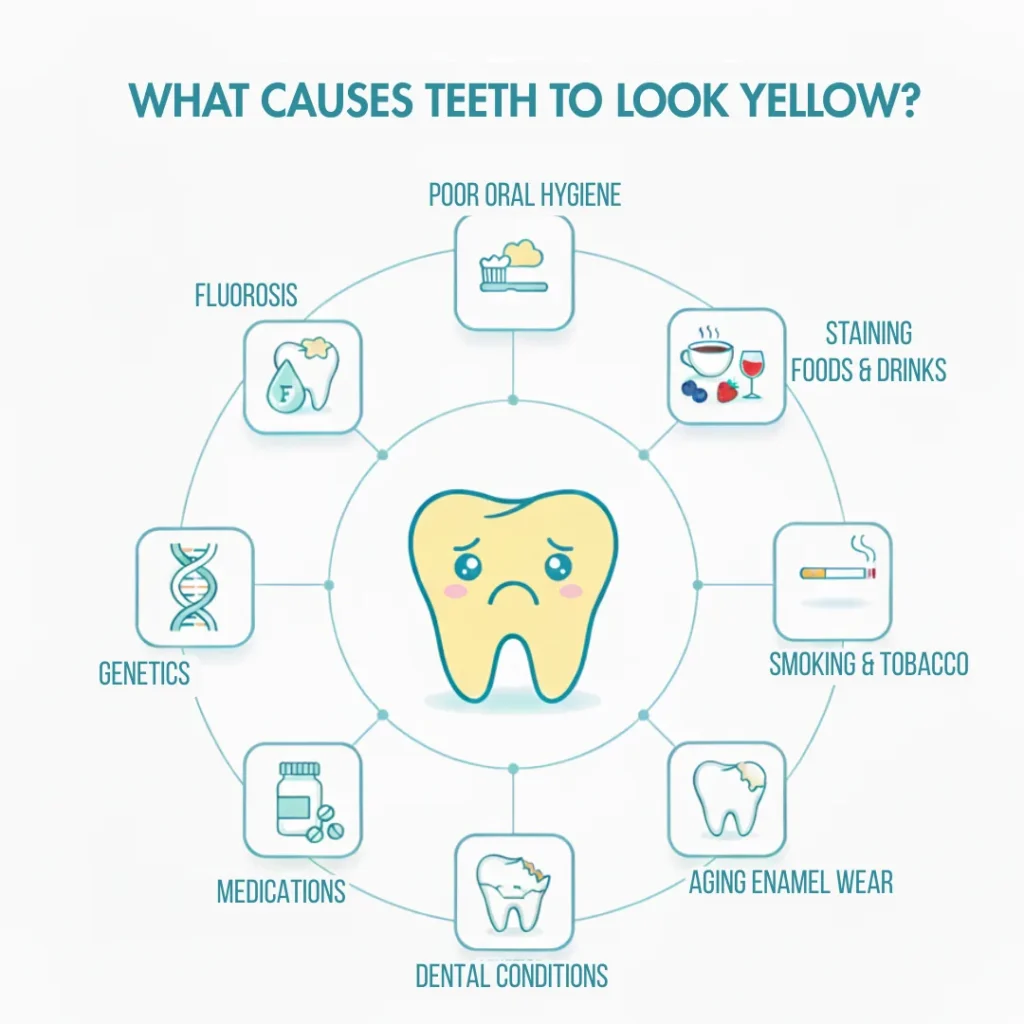
    Why teeth turn yellow: enamel thinning and surface stains explained

    What Causes Teeth to Look Yellow in the First Place?

    Understanding the cause of discoloration helps choose the most effective whitening method:

    • Extrinsic stains: Surface stains from coffee, tea, red wine, tobacco, or certain foods.
    • Intrinsic stains: Deeper discoloration due to natural dentin color or minor enamel thinning.
    • Aging: Natural enamel wear exposes underlying dentin, making teeth appear darker.
    • Dental treatments: Fillings or crowns can sometimes discolor over time.

    In-Clinic Teeth Whitening: How It Works

    In-clinic whitening is performed by dental professionals and uses stronger bleaching agents under controlled conditions.

    How It Works

    • High-concentration whitening gels are safely applied to teeth.
    • Optional light or laser activation to accelerate results.
    • Protective barriers shield gums and soft tissue.
    • Dentist supervision ensures safe application.

    Pros of In-Clinic Whitening

    • Fast, visible results after a single session.
    • Effective for deeper stains.
    • Even whitening across all teeth.
    • Minimal risk when applied professionally.

    Cons of In-Clinic Whitening

    • Higher cost compared to at-home kits.
    • Requires a visit to the dental clinic.
    • Results are not permanent and need periodic maintenance.

    Typical Whitening Cost

    Costs vary depending on treatment type and clinic location. In-clinic whitening is generally considered an investment in safety, speed, and predictability.

    At-Home Teeth Whitening: How It Works

    At-home whitening kits are widely available and convenient, but effectiveness depends on proper use.

    Common Types

    • Whitening strips
    • Whitening pens or gels
    • LED whitening kits
    • Custom trays provided by dentists

    Pros of At-Home Whitening

    • Budget-friendly option for mild stains.
    • Convenient and flexible for home use.
    • Useful for maintaining results after in-clinic treatment.

    Cons of At-Home Whitening

    • Slower results, usually several weeks.
    • Uneven whitening may occur if applied incorrectly.
    • Risk of sensitivity or gum irritation if overused.

    In-Clinic vs At-Home Whitening: A Clear Comparison

    FactorIn-Clinic WhiteningAt-Home Whitening
    SpeedFast (1–2 sessions)Gradual (2–4 weeks)
    StrengthHigh-concentration gelsLow–moderate concentration
    SafetyDentist superviseUser-controlled
    ResultsEven, predictableVariable, may be patchy
    CostHigherLower
    MaintenanceTouch-ups recommendedRepeated application required

    Safety Considerations: Protecting Your Enamel & Smile

    Whitening is cosmetic, not a dental necessity. Safety is key:

    • Avoid overusing high-concentration gels.
    • Monitor sensitivity during and after whitening.
    • Follow the dentist’s guidance to prevent enamel damage.
    • Avoid whitening if you have active cavities or gum disease.

    Choosing the Right Whitening Approach

    Choose In-Clinic Whitening If You:

    • Want fast, noticeable results.
    • Have deeper stains that at-home kits cannot address.
    • Prefer professional supervision for safety and predictable outcomes.

    Choose At-Home Whitening If You:

    • Have mild surface stains.
    • Want a cost-effective, gradual whitening process.
    • Are disciplined with consistent use.

    Maintaining Whitening Results Long-Term

    To extend the effects of whitening:

    • Limit consumption of staining beverages such as coffee, tea, or red wine.
    • Brush twice daily and maintain good oral hygiene.
    • Consider touch-up kits for gradual fading.
    • Schedule regular cleanings with your dentist to maintain optimal results.

    Common Myths About Teeth Whitening

    • Whitening permanently damages enamel (False with professional guidance).
    • At-home kits are equally effective as professional treatments (Partially false; results vary).
    • Whitening is a one-time solution (False; maintenance is required).
    • All teeth respond the same way (False; intrinsic stains may need professional treatment).

    Why Patients Prefer Professional Whitening at C-Dental

    At C-Dental, we focus on safe, effective, and comfortable cosmetic treatments:

    • Experienced cosmetic dentists supervise every procedure.
    • Shade assessment ensures realistic results.
    • Sensitivity management protocols reduce discomfort.
    • Modern whitening systems provide safe, predictable results.
    • Honest guidance sets clear expectations before treatment.

    Frequently Asked Questions: Teeth Whitening

    Q1: Is professional teeth whitening safe?
    Yes, when applied by a trained dentist with proper protective measures.

    Q2: How long do whitening results last?
    Results vary depending on lifestyle and maintenance; touch-ups may be needed periodically.

    Q3: Do whitening strips really work?
    They are effective for mild surface stains but may not remove deep discoloration.

    Q4: Why do teeth become sensitive after whitening?
    Sensitivity is temporary and usually due to peroxide concentration; professional care minimizes risk.

    Q5: Which method gives faster results?
    In-clinic whitening provides faster and more predictable results than at-home kits.

    Conclusion: Choose the Whitening Method That Suits Your Needs

    Both in-clinic and at-home teeth whitening methods can enhance the brightness of your smile. The best option depends on your goals, type of discoloration, sensitivity level, budget, and the pace at which you want to see results.
    At-home kits can be helpful for mild staining and gradual change, while in-clinic whitening offers quicker, more controlled results—especially for deeper or persistent discoloration.

    If you’re considering whitening and want guidance on what’s best for your teeth, a professional assessment can help you make an informed decision.

    Interested in Teeth Whitening?
    You’re welcome to book a consultation at C-Dental to understand which method suits you best.

    During your visit, our team will help with:

    • Assessing your tooth shade and sensitivity
    • Recommending suitable whitening options
    • Ensuring a comfortable, safe experience

    👉 Book your consultation today

    References

    1. Teeth Whitening: More Effective at Home or in the Clinic?  Dentevim Dental Clinic
    2. Teeth Whitening Options: In-Clinic vs. At-Home – Which is Right for You?-Ministry Of Smile
    3. In-Clinic vs At-Home Teeth Whitening: Which Is Better?-Dental Niddrie Plaza
    4. Why Choose Professional Teeth Whitening Over Home Treatments?-The Team Dental
    5. Teeth Whitening Treatment: In-Clinic vs At-Home Kits—What’s Safer and More Effective?– Sure Smile Dental Care

    Please subscribe to our social channels for updates related to dental care and oral health.

    Instagram:  cdental2025
    Facebook:  CDental 
    YouTube: C-Dental Clinic 
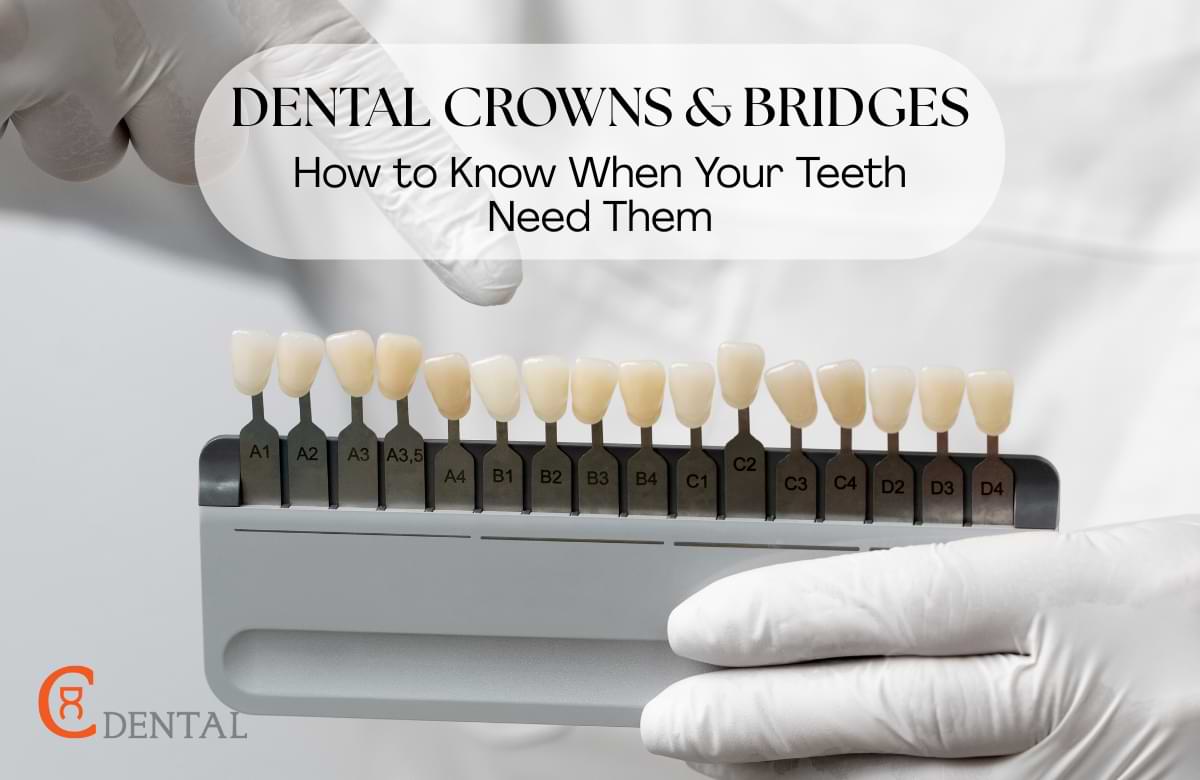
  • Dental Crowns & Bridges: How to Know When Your Teeth Need Them

    Dental Crowns & Bridges: How to Know When Your Teeth Need Them

    Dental health goes beyond brushing and flossing—it’s about maintaining function, aesthetics, and long-term oral stability. If you’ve ever faced a cracked tooth, a large cavity, or a missing tooth, you may have heard about dental crowns and bridges. But how do you know which option is right for you? How do you decide when your teeth actually need them?

    At C-Dental Clinic in Sharjah, we focus on guiding patients through these decisions, blending expertise, advanced technology, and patient-friendly care. This comprehensive guide explores the purpose, procedure, benefits, and care of dental crowns and bridges, helping you make informed choices without unnecessary medical jargon.
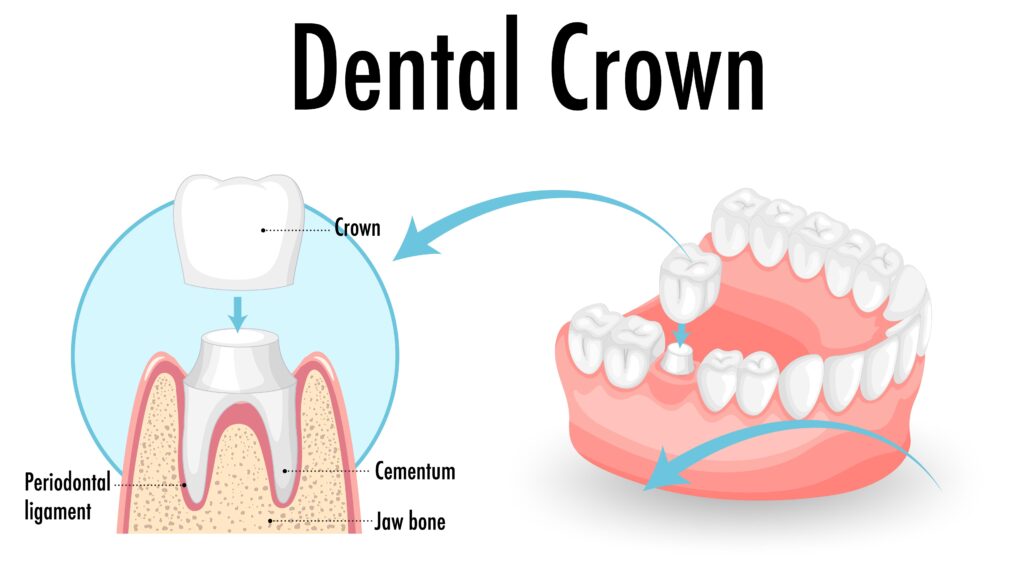
    Dental crown covering a damaged tooth surface.

    What Are Dental Crowns?

    A dental crown is more than just a protective cap—it is a custom-made restoration designed to strengthen, restore, and improve the appearance of a damaged tooth. Crowns are ideal for teeth that are weakened by decay, fractured, or structurally compromised. They also serve as a durable option following root canal treatment, which can leave teeth fragile and vulnerable to breaking.

    The beauty of crowns lies in their versatility. Modern crowns can restore chewing ability, support speech, and improve aesthetics all at once. At C-Dental Clinic, our dentists evaluate each tooth carefully, considering factors like bite alignment, surrounding teeth, and overall oral health. The crown material—whether porcelain for a natural look, zirconia for strength, or porcelain-fused-to-metal for a balance of both—is selected to maximize durability, appearance, and comfort.

    Why crowns matter:

    • Protect damaged teeth from further harm
    • Restore normal chewing and biting function
    • Enhance appearance and confidence
    • Support long-term oral health when combined with proper hygiene
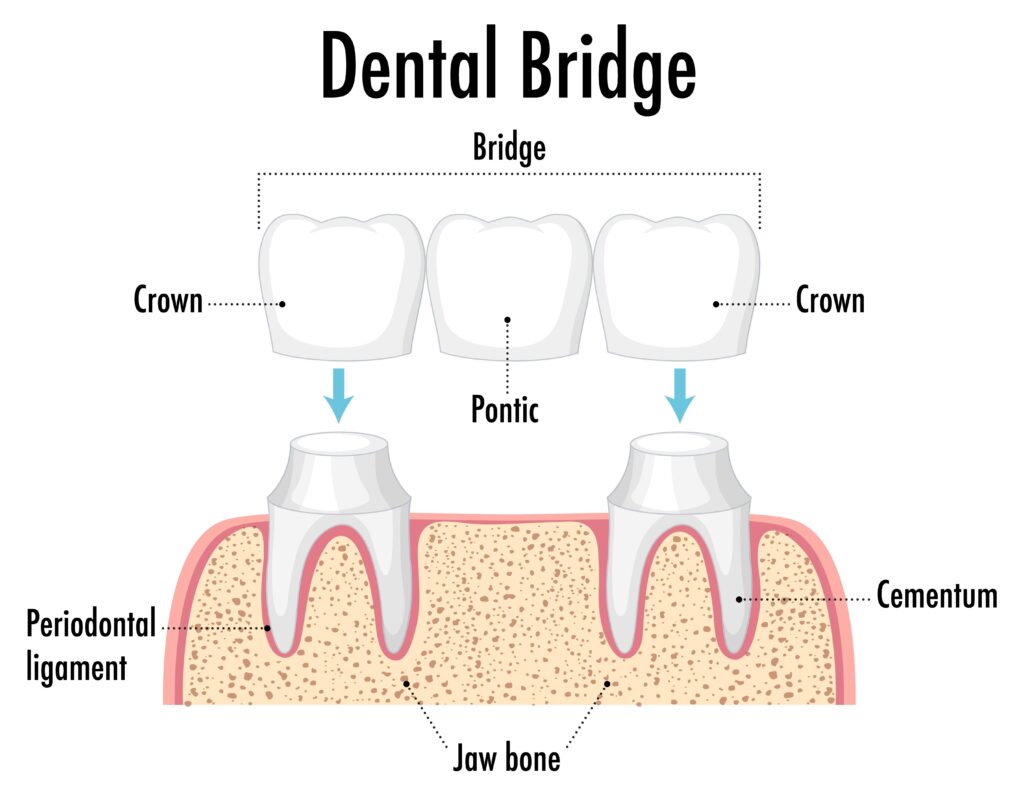
    Dental bridge used to replace one missing tooth for better chewing

    What Are Dental Bridges?

    A dental bridge is a solution for missing teeth. Unlike crowns, which protect a single tooth, a bridge fills the gap left by one or more missing teeth, maintaining your smile’s structure and function. Bridges typically use adjacent teeth or dental implants as support, with artificial teeth (pontics) bridging the space.

    People often need a bridge to:

    • Prevent neighboring teeth from shifting
    • Restore chewing efficiency and speech
    • Preserve facial structure and aesthetics
    • Replace missing teeth for a natural-looking smile

    There are several types of bridges:

    • Traditional Bridge: Supported by crowns on adjacent teeth
    • Cantilever Bridge: Anchored on one side
    • Maryland Bridge: Bonded framework to adjacent teeth
    • Implant-Supported Bridge: Secured on implants for long-lasting stability

    Bridges are particularly valuable when missing teeth affect function, confidence, or oral health, as they maintain alignment and prevent bite complications over time.

    Crowns vs. Bridges: Understanding the Differences

    Understanding the difference helps you make informed choices:

    FeatureDental CrownDental Bridge
    PurposeProtects a damaged toothReplaces missing teeth
    SupportSingle toothAdjacent teeth or implants
    Restores a smile across gaps1–2 appointmentsMultiple teeth, more complex fit
    Longevity10–15 years with care10+ years, may require adjustments
    Cosmetic ImpactCovers single toothCovers a single tooth

    Choosing between a crown and a bridge depends on your specific oral health needs, tooth location, and lifestyle.

    When Might You Need a Crown or Bridge?

    Crowns Are Recommended When:

    • Teeth are weakened by decay or fracture
    • After root canal therapy
    • Large fillings leave a tooth structurally compromised
    • For cosmetic enhancements such as discoloration, shape correction, or alignment

    Bridges Are Recommended When:

    • You have missing teeth
    • Gaps affect chewing, speech, or bite alignment
    • Cosmetic concerns due to front teeth missing
    • You want to maintain facial structure and prevent teeth from shifting

    Recognizing these signs early allows you to consult your dentist before the surrounding teeth are affected, reducing complications and maintaining oral health.

    The Procedure: What to Expect

    Dental Crown Procedure

    A crown procedure usually involves:

    1. Initial Assessment: Dentist examines the tooth, may take X-rays, and discusses material options.
    2. Tooth Preparation: Damaged or decayed portions are removed, and the tooth is shaped to hold the crown.
    3. Impression & Temporary Crown: A temporary crown protects the tooth while the permanent one is fabricated.
    4. Fitting the Permanent Crown: Adjustments are made to ensure comfort, bite alignment, and appearance.
    5. Final Check: Dentists verify functionality, appearance, and patient comfort.

    Patient perspective: Many patients describe the process as comfortable and transformative, with restored teeth that look natural and feel strong.

    Dental Bridge Procedure

    1. Consultation & Planning: Dentist evaluates the gap, supporting teeth, and bone structure.
    2. Preparation: Adjacent teeth may be shaped to hold crowns.
    3. Impressions: Taken for precise bridge fabrication.
    4. Temporary Bridge: Protects your mouth while the permanent bridge is created.
    5. Permanent Bridge Placement: Fitted and adjusted for comfort, function, and aesthetics.
    6. Follow-Up Care: Ensures long-term fit and oral hygiene maintenance.

    Caring for Crowns and Bridges

    Restorations can last many years with proper care.

    Daily Care:

    • Brush twice daily
    • Floss carefully around crowns and bridges
    • Use interdental brushes for hard-to-reach areas

    Food & Lifestyle Considerations:

    • Avoid sticky, hard, or extremely sugary foods
    • Don’t chew ice or use teeth as tools
    • Consider night guards if you grind your teeth
    • Ensure crowns and bridges remain secure and healthy
    • Professional cleaning prevents plaque buildup and gum disease

    Why C-Dental Clinic?

    Routine Checkups:

    At C-Dental Clinic, we combine expertise, advanced technology, and patient care to provide lasting dental solutions:

    • Experienced dentists: Dr. Farheen & Dr. Bin Shidha
    • Over 5,000 patients treated with 10+ years of experience
    • High-tech restorations ensuring comfort, precision, and aesthetics
    • Personalized advice and preventive care strategies
    • Focus on ethical, compassionate dental care

    Our goal is to help patients choose the right restorative option, maintain oral health, and enjoy confident smiles.

    FAQs

    Q: How long do crowns and bridges last?

    A: With proper care, 10–15 years or longer. Longevity depends on hygiene and lifestyle.

    Q: Are the procedures painful?

    A: Local anesthesia ensures comfort. Minor sensitivity may occur afterward.

    Q: Can crowns and bridges be whitened?

    A: Permanent restorations cannot be whitened; careful color selection is important.

    Q: Will I be able to eat normally?

    A: Yes. Once fitted, you can chew normally, though avoid very hard foods initially.

    Q: Does insurance cover these treatments?

    A: Coverage varies; our clinic can help you understand your plan options.

    Conclusion

    Dental crowns and bridges are durable, aesthetic, and functional solutions for damaged or missing teeth. With expert guidance from C-Dental Clinic, patients can restore oral function, protect their smile, and maintain long-term dental health.

    Book your consultation today to explore customized solutions for crowns and bridges and experience the confidence of a healthy, beautiful smile.

    References

    1) What Are Dental Crowns And Tooth Bridges? – Colgate
    2) Dental Bridges– Cleveland Clinic
    3) Dental Crowns And Bridges in Dentistry – NDA Dental Clinic
    4) Dental Crowns and Bridges –  Renfro Family Dental

  • C Dental: How Sugar Affects Your Teeth

    C Dental: How Sugar Affects Your Teeth

    Do you wonder why dentists constantly warn about sugar—even when your teeth look fine? The truth is, sugar silently damages your teeth before you feel pain. At C Dental, we help patients understand how sugar weakens enamel and causes long-term oral health issues.

    Why C Dental Warns About Sugar’s Hidden Damage

    When you eat sugary foods or drinks, bacteria in your mouth feed on sugar and turn it into acid. This acid:

    • Weakens tooth enamel (outer protective layer)
    • Creates tiny holes leading to cavities
    • Increases tooth sensitivity over time

    Drinks like soda, fruit juices, and energy drinks are highly acidic, causing even faster enamel erosion.

    Why Sugar Damage Is Silent

    One major danger of sugar is that damage often happens without pain. Cavities and enamel erosion can progress for months before you notice symptoms like

    • Tooth sensitivity
    • Visible holes or discoloration
    • Gum swelling or bleeding

    This is why regular dental check-ups at C Dental are essential to detect issues early.

    How Sugar Affects Your Teeth and Gums

    Sugar impacts more than just cavities. It can lead to:

    1. Cavities : Enamel loss creates deep cavities that can result in pain, infection, or even tooth loss.
    2. Gum Disease: Sugar feeds harmful bacteria, causing gingivitis and periodontitis, which are linked to diabetes and heart problems.
    3. Bad Breath: Sugar-loving bacteria produce foul-smelling odors.
    4. Tooth Sensitivity: Enamel erosion exposes nerves, making teeth sensitive to hot, cold, or sweet foods.
    5. Infections: Untreated decay can spread infection, requiring root canal or extraction.

    Bad Habits That Make Sugar Damage Worse

    • Frequent Snacking: Constant sugar intake keeps acid levels high.
    • Sticky Foods: Candy and dried fruit cling to teeth.
    • Poor Oral Hygiene: Not brushing or flossing leaves bacteria behind.
    • Lack of Water: Without rinsing, sugar stays in your mouth.
    • Nighttime Sugar: Eating sweets before bed increases risk since saliva flow is lower.

    C Dental’s Role in Protecting Your Smile

    At C Dental, we fight sugar’s effects with:

    • Thorough Exams – Digital X-rays and screenings for early detection
    • Preventive Care – Professional cleanings, fluoride treatments, and sealants
    • Restorative Care – Fillings, crowns, and root canals for damaged teeth
    • Family Dentistry – Gentle care for kids and seniors

    Daily Tips from C Dental to Reduce Sugar’s Impact

    • Brush twice daily with fluoride toothpaste
    • Floss once a day
    • Drink water after meals
    • Choose sugar-free snacks like fruits, nuts, and cheese
    • Visit your dentist every 6 months
    • Educate kids to prefer water over sugary drinks

    Sugar and Children’s Teeth: Extra Care for Young Smiles

    Children’s teeth are more vulnerable to sugar damage. At C Dental, we offer:

    • Fun brushing and flossing lessons
    • Fluoride and sealant protection
    • Guidance for parents on healthy habits

    Also Read: Pulpectomy at C Dental Sharjah | Kids’ Healthy Smiles

    Sugar is a hidden enemy to your teeth, causing cavities, gum disease, and bad breath—often without early warning signs. But with the right habits and professional care from C Dental, you can protect your smile for life.
    Book your appointment with C Dental today and take the first step toward stronger, healthier teeth!


    FAQs on Sugar and Dental Health

    Q1: How exactly does sugar damage teeth?
    A: Sugar feeds bacteria in the mouth, producing acid that erodes enamel and causes cavities.
    Q2: Can sugar-free drinks also harm teeth?
    A: Yes, many sugar-free sodas are acidic and still erode enamel.
    Q3: How often should I see a dentist?
    A: Twice a year is recommended for preventive care and early detection.
    Q4: What’s the best way to protect children’s teeth from sugar?
    A: Limit sugary snacks, encourage water, and schedule regular dental checkups.

    How did you like our blog? Do share your thoughts in the comments.

  • C Dental Clinic: The Link Between Oral Care & Health

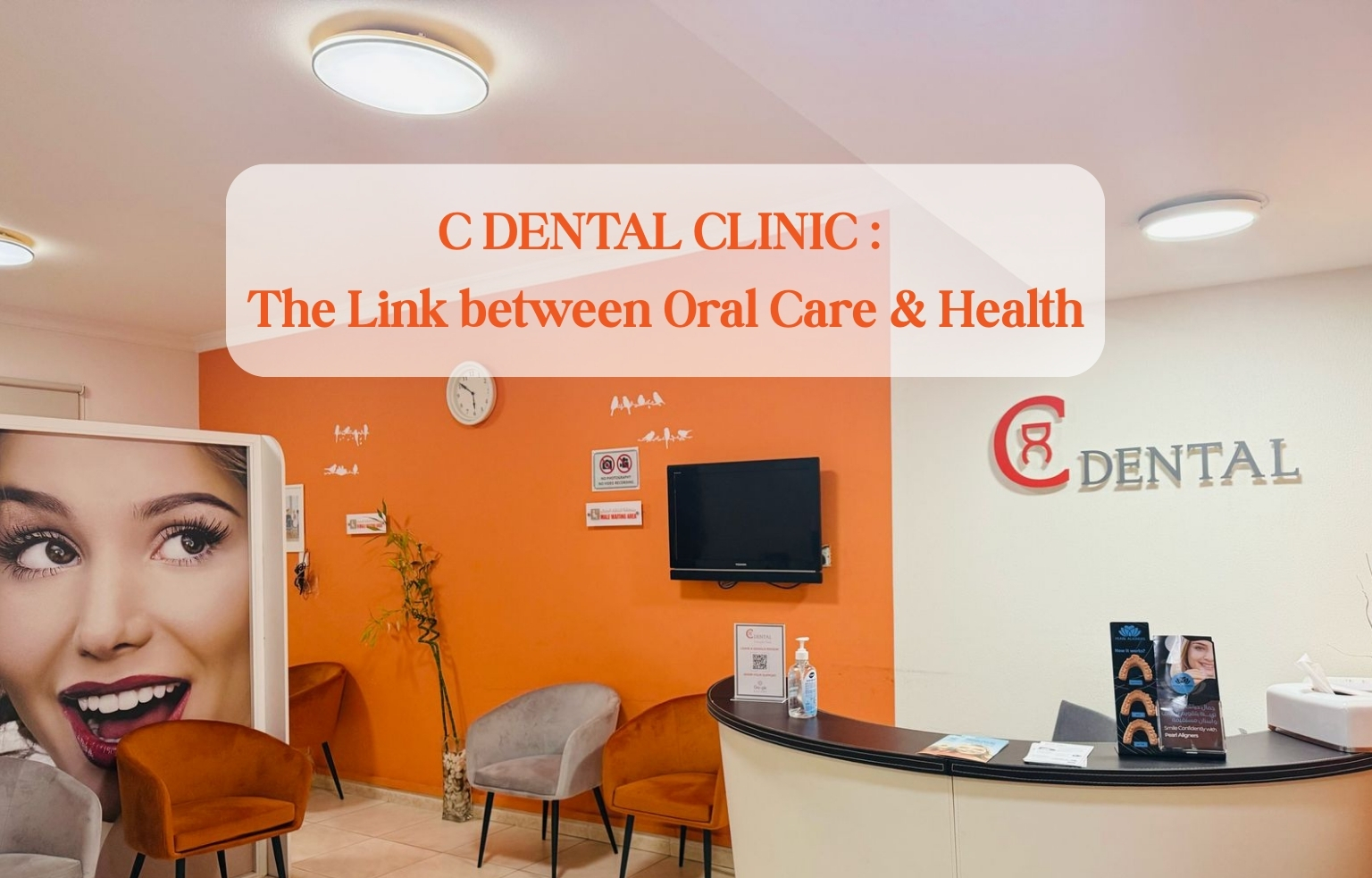
    C Dental Clinic: The Link Between Oral Care & Health

    C Dental Clinic: Your smile is the gateway to your well-being. Daily, each choice you make about your gums and your teeth creates a ripple effect in your body. We treat well-being. Let’s uncover how your daily life affects your health, happiness, and confidence, and why C Dental is your partner on the journey.

    C Dental Clinic: The Science Behind the Smile

    The Hidden Connections, Current research reinforces a direct correlation between oral and overall health. Failing to take care of your gums and teeth can do more than create cavities—it could increase your susceptibility to lifelong ailments like:

    • Heart Disease
    • Diabetes
    • Respiratory Infections
    • High Blood Pressure
    • Dementia

    How does it happen? Pathogenic bacteria in your mouth can be carried by your bloodstream to infect and inflame the rest of your body. Your mouth is not in a bubble; your mouth is also part of your digestive tract and part of your respiratory tract, so a healthy mouth = good health.


    Oral Health: A Global Challenge

    About 3.7 billion people worldwide have oral disease, and it is one of the most prevalent global health problems.

    • The most prevalent global health problem is an undiagnosed dental caries.
    • Oral disease may be prevented by good simple habits of a routine nature, but some groups do not now have access to treatment and education.

    If you don’t take care of oral health, it can lead to:

    • Cavities and Tooth Decay: The worldwide health epidemic.
    • Gum Disease (Gingivitis and Periodontitis): Can lead to tooth loss and has even been linked to diabetes and heart disease.
    • Bad Breath (Halitosis): A symptom of possible bacterial overgrowth and infection.
    • Pain and Discomfort: Getting in the way of your eating, speaking, and living life to its full potential.
    • Systemic Infections: The bacteria can spread and infect the heart, lungs, and other body organs.

    The Power of Prevention: Healthy Habits That Keep You Healthy

    We at C Dental Clinic are firm believers in the power of prevention. Following are how you can assist us:

    • Brush Twice a Day: Brush with fluoride toothpaste and your tongue as well.
    • Floss Every Day: Removes food and plaque between teeth, which your brush cannot remove.
    • Rinse with Antibacterial Mouthwash: Gives the extra layer of defense.
    • Eat Well: Steer clear of sugars, eat vegetables and fruits, and drink lots of water.
    • Do Not Use Tobacco: Smoking doubles the risk of gum disease and mouth cancer.
    • See Your Dentist Regularly: Early detection and scaling by a dentist is of great importance.

      C Dental Clinic: Your Total Wellbeing Partner
    • Dubai and Sharjah are worth the best—and so is C Dental. Here’s why we’re the first choice, your favorite:
    • Take Our Interactive Quiz: Is Your Daily Oral Hygiene Routine Effective?
    • Dedicated, Caring Team: Our dentists have advanced training and care that is caring. We listen, teach, and individualize care to you.
    • State-of-the-Art Equipment: From X-rays to painless care, we use the latest technology for precise, reassuring treatment.
    • One-Stop Care: Preventive, restorative, cosmetic, and emergency care—all under one roof.
    • Patient-Centred Care: Your time is worth it, your privacy is respected, and your choice is valued. Our focus is comfort and satisfaction.
    • Community Passion: We are a learning and empowerment community that equips Dubai and Sharjah families with the skills to create a lifetime of good habits.

      Ask yourself:
    • How many days since your last visit to the dentist?
    • Are you snacking on good-for-your-teeth foods?
    • Do you just love the way your mouth smells and your mouth looks?
    • Don’t know? Don’t worry—C Dental’s here to help you create a lifestyle that’s for you and healthy too.
    • Do you brush and floss your teeth each morning and before bedtime at night?

    The Bigger Picture: Oral Health and Quality of Life

    Oral disease is not just embarrassing or painful—funny and painful—it also inhibits your capacity to eat, talk, and socialize. It even impacts your performance at school and work, especially among children. Healthy oral health translates into healthy self-esteem, social life, and future.

    Your Smile, Your Health—Start Today

    Your morning and evening oral hygiene routine each day is a small but special step towards happier, healthier living. C Dental Clinic is dedicated to assisting residents of Dubai and Sharjah in achieving the fullest potential of a happy smile. Don’t wait until it hurts—act now and reclaim your health. Make an appointment today with C Dental and discover how a happier smile can guide you to a brighter, healthier tomorrow.

    Your health starts in your mouth. Your path to optimal health is C Dental Clinic.

    Also ReadThe Real Purpose of Oral Hygiene: More Than Just a Bright Smile