Author: Farheen Farook

  • First Dental Visit for Kids in Sharjah: Tips Every Parent Needs for a Smooth Experience

    First Dental Visit for Kids in Sharjah: Tips Every Parent Needs for a Smooth Experience

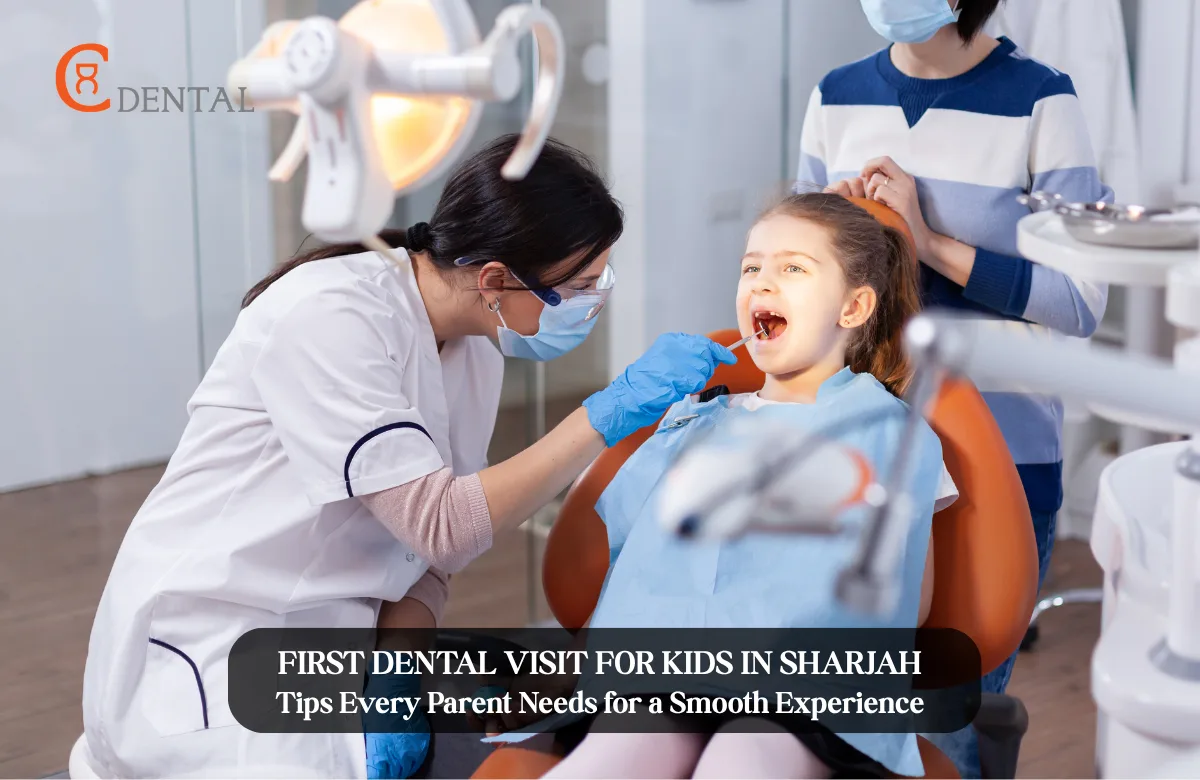
    Bringing your child to the dentist for the first time is an important milestone. For many parents in Sharjah, it raises questions: When should I take my child? What will happen at the appointment? How can I make it a positive experience?

    The first dental visit is more than a routine checkup, it sets the stage for your child’s lifelong oral health. Early visits help prevent cavities, teach good habits, and make children comfortable with dental care from a young age. At C-Dental Clinic in Sharjah, we specialize in making this milestone smooth, educational, and even fun.

    When Should Your Child Visit the Dentist?

    Pediatric dental experts recommend that your child’s first dental visit happen by age one or within six months of the first tooth erupting. Waiting until age three or four can allow early issues to go unnoticed.

    Early visits help with:

    • Monitoring growth and development: Dentists can check healthy jaw and teeth formation.
    • Preventing cavities: Baby teeth are essential for chewing, speech, and guiding permanent teeth.
    • Building comfort with care: Early exposure reduces fear and anxiety during future appointments.

    Tip: Even if your child is older than one, it’s never too late to start. Early care still helps prevent problems.

    Why the First Dental Visit Matters

    Why the First Dental Visit Matters?

    1. Preventive Care

    The first visit is primarily preventive. Dentists examine teeth, gums, and mouth tissues to identify early signs of decay or misalignment. Parents receive guidance on:

    • Proper brushing and flossing techniques
    • Diet tips for oral health
    • Safe fluoride use and other preventive care

    2. Monitoring Development

    A pediatric dentist evaluates the jaw, bite, and tooth growth. Early identification of potential issues allows timely interventions like space maintainers or early orthodontic advice.

    3. Comfort and Familiarity

    A positive first dental visit helps your child associate the dentist with safety and care rather than fear. Children who start dental visits early are more likely to attend regularly without anxiety.

    What Happens During the First Visit?

    Every first visit may vary slightly depending on the child’s age and comfort level:

    1. Gentle Examination

    Dentists check teeth, gums, tongue, and mouth tissues. For very young children, a “knee-to-knee” position may be used, with your child sitting on your lap for comfort.

    2. Guidance for Parents

    Parents learn proper brushing techniques, how to prevent early decay, and receive advice on habits like pacifier use or thumb sucking. Diet recommendations and fluoride guidance are also provided.

    3. Fluoride & Cleaning

    Fluoride varnish may be applied to strengthen enamel. Gentle cleaning removes plaque or debris. X-rays are only taken if necessary, usually for older children or if the dentist detects an issue.

    Pro Tip: Ask your dentist about tooth eruption timelines, early orthodontic signs, and preventive care steps. Knowledge prevents problems before they start.
    Tips to Prepare Your Child for Their First Dental Appointment

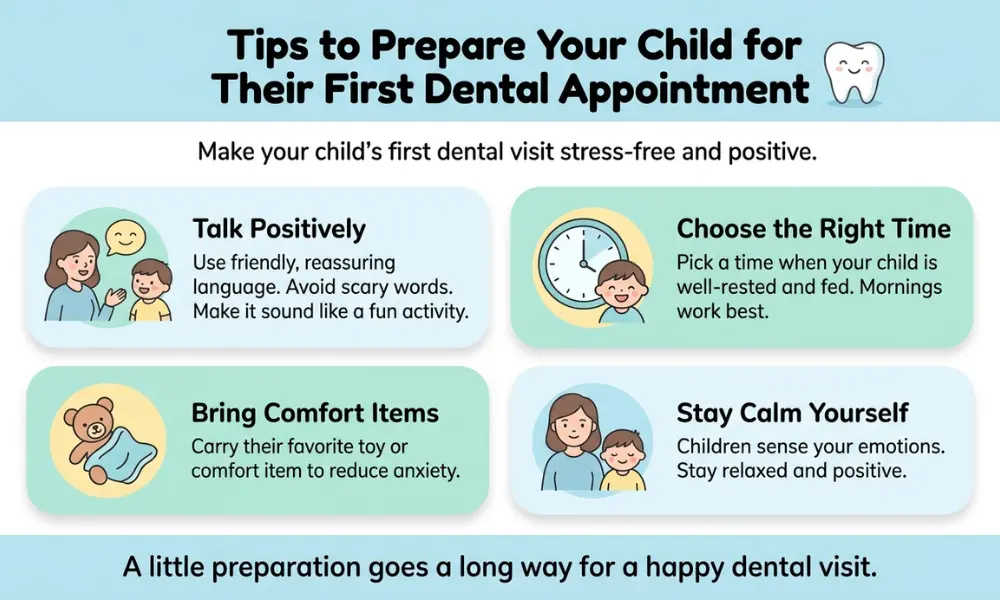
    Tips to Prepare Your Child for Their First Dental Appointment

    1. Talk Positively
      Use friendly, reassuring language: “We’re going to count your teeth today like a fun game!” Avoid words like pain, needle, or shot. Storybooks or videos about dental visits can also help.
    2. Choose the Right Time
      Schedule when your child is well-rested and fed. Morning appointments often work best for young children.
    3. Bring Comfort Items
      Favorite toys or blankets can ease anxiety. Let your child sit on your lap if needed.
    4. Stay Calm Yourself
      Children pick up on parental stress. If you remain calm and positive, your child will feel secure.

    Tips for a Successful Visit

    • Be Honest but Reassuring: Explain that the dentist will examine teeth but avoid focusing on discomfort.
    • Share Habits and History: Mention bottle feeding, thumb sucking, or previous dental issues.
    • Establish a Dental Home: Visit every six months to build trust and routine.
    • Model Good Habits: Brush and floss with your child to reinforce healthy routines.

    Common Myths About the First Dental Visit

    Myth 1: Baby teeth don’t matter.
    Truth: Baby teeth guide permanent teeth and are essential for chewing, speech, and jaw development.

    Myth 2: You can wait until age three.
    Truth: Delaying increases risk of cavities, gum issues, and dental anxiety. Early visits are preventive.

    Myth 3: Kids don’t need fluoride.
    Truth: Fluoride strengthens enamel and prevents decay. Dentists recommend safe usage for children of all ages.
    Making Dental Care a Positive Experience

    Making Dental Care a Positive Experience

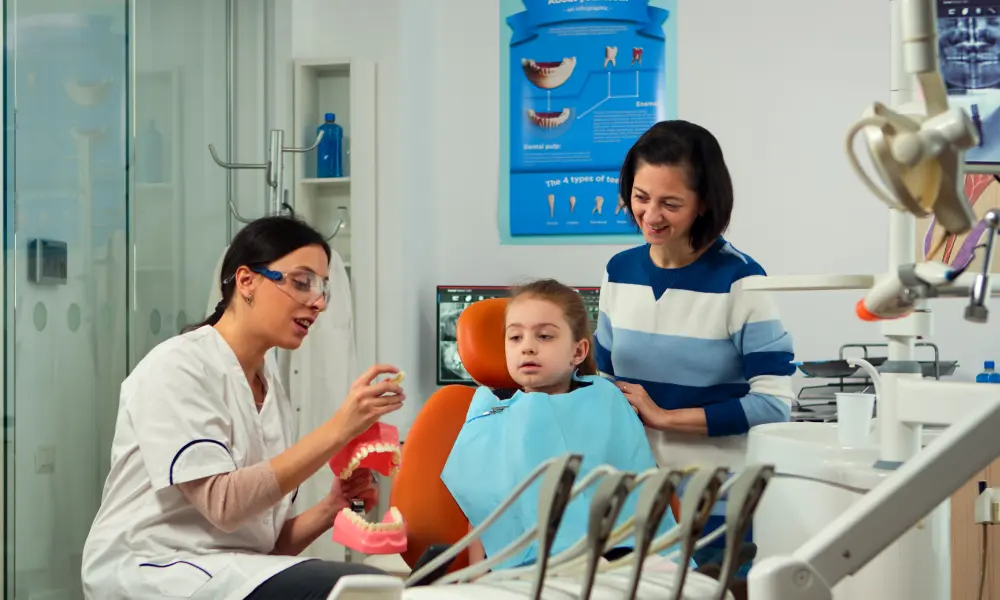
    At C-Dental Clinics in Sharjah, we specialize in child-friendly care. Our experienced pediatric dentists focus on gentle techniques and engaging environments:

    • Kid-friendly consultation rooms
    • Toys and books to entertain children
    • Personalized oral health education for parents
    • Guidance on preventive care like fluoride and sealants

    The goal is simple: help children build confidence and positive habits from day one.

    Frequently Asked Questions

    Q: My child is scared of the dentist. What can I do?

    A: Pediatric dentists are trained to work with anxious children using gentle techniques, distraction tools (toys, videos), and positive reinforcement. Reading books or watching videos about dental visits beforehand can also help your child feel prepared.

    Q: Will my child need X-rays?

    A: X-rays are only taken if necessary, typically for older children or if the dentist suspects issues like cavities or misaligned teeth. They are safe and used sparingly.

    Q: How often should my child visit the dentist after the first appointment?

    A: Routine checkups are recommended every six months for preventive care and early detection of dental issues.

    Q: How does diet affect my child’s dental health?

    A: A balanced diet is crucial. Limit sugary snacks and drinks, encourage fruits, vegetables, dairy, and water, and maintain twice-daily brushing to prevent cavities and support strong teeth.

    Conclusion

    Your child’s first dental visit is a milestone in their journey toward healthy teeth and gums. By visiting early, staying positive, and following preventive advice, parents in Sharjah can ensure their children develop lifelong oral hygiene habits.

    Remember: it’s not just about checking teeth; it’s about laying the foundation for a lifetime of confident smiles.

    👉Book your child’s first dental visit today at C-Dental Clinic, Sharjah  
    Call to Action Button of C Dental Clinic

    References

    1. Your Child’s First Dental Visit: A Milestone for Healthy Smiles– Medanta
    2. Healthy Kids’ Teeth: Surprising Facts Every Parent Should Know– Colgate
    3. Age and Reasons for First Dental Visit and Knowledge and Attitude of Parents Toward Dental Procedures for Puducherry Children Aged 0–9 years– National Library of Medicine
    4. First Dental Visit of a Child– Dr. Bharat Katarmal Dental & Implant Clinic.
    5. What Every Parent Should Know about Pediatric Dental Care– Oasis Pediatric
    6. A Parent’s Guide: Making Your Child’s First Dental Visit a Pleasant One– Surya Hospitals

    Please subscribe to our social channels for updates related to dental care and oral health.

    Instagram:  cdental2025
    Facebook:  CDental 
    YouTube: C-Dental Clinic
  • What Happens If You Leave a Tooth Infection Untreated? Risks You Should Know

    What Happens If You Leave a Tooth Infection Untreated? Risks You Should Know

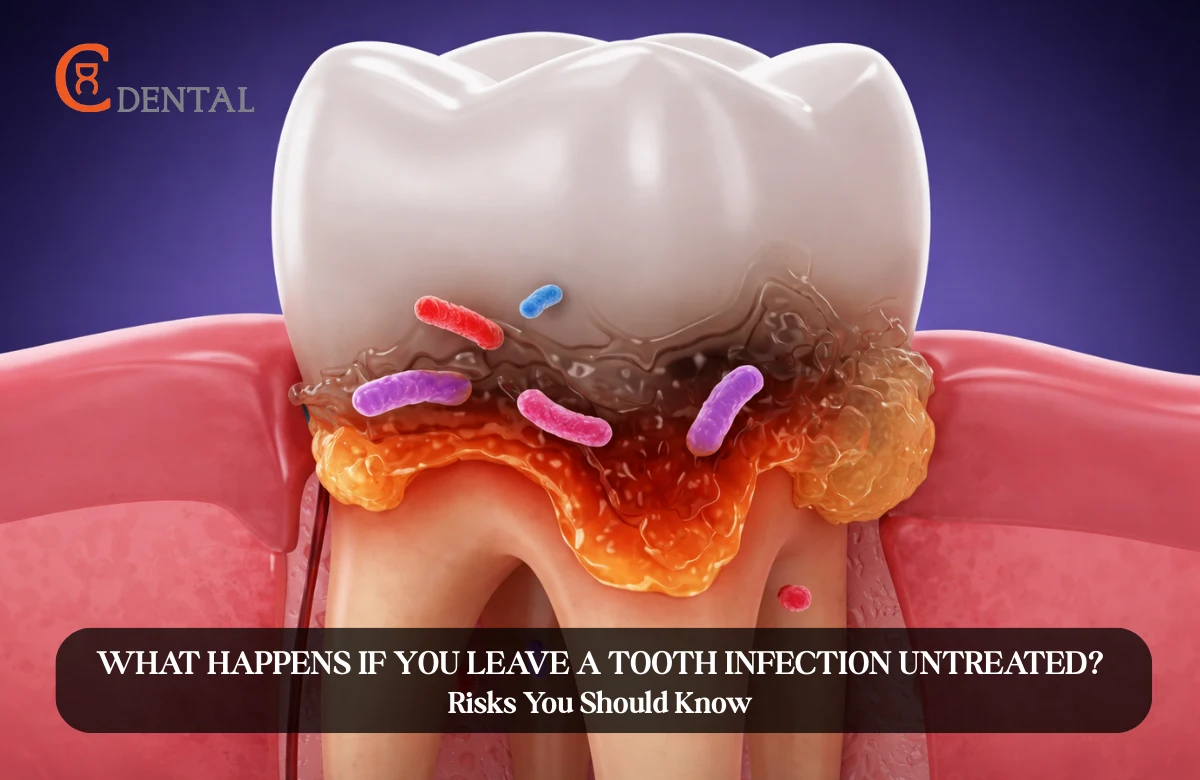
    Most people brush off a mild toothache, thinking it’s nothing serious. You might tell yourself it will go away on its own or that a little pain is normal. But dental infections are not something to ignore. A small cavity or gum problem can quickly become a severe tooth infection, spreading pain and complications beyond your mouth. In some cases, an untreated infection can even become life-threatening. Understanding the risks, symptoms, and treatment options is essential for anyone who values their health and quality of life.

    What Causes Tooth Infections?
    What Causes Tooth Infections?

    What Causes Tooth Infections?

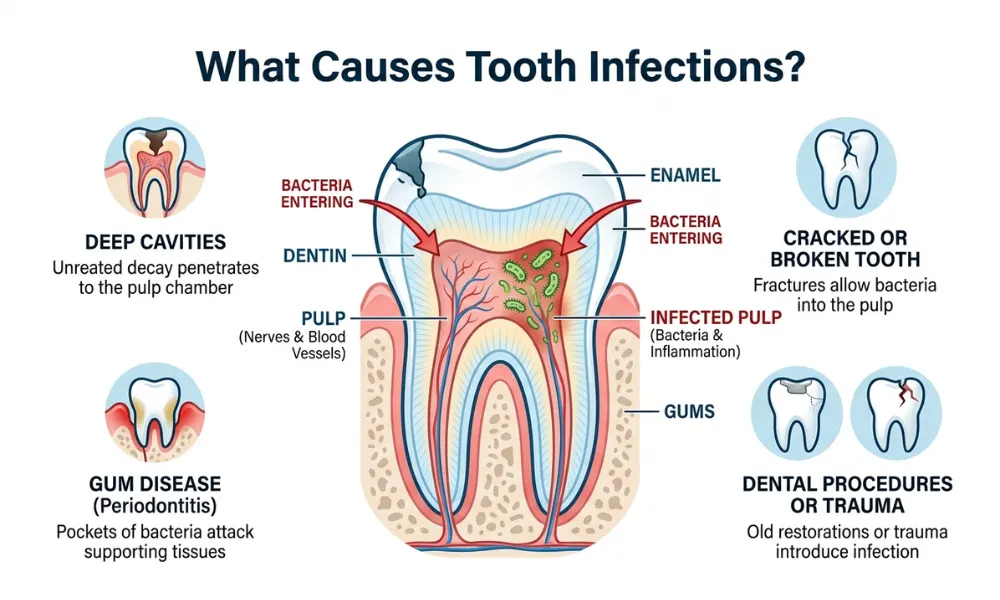
    A tooth infection begins when bacteria penetrate the inner layers of a tooth, reaching the pulp. This often happens because of cavities, cracked teeth, gum disease, or previous dental work. Even minor damage can create a pathway for bacteria to multiply. Poor oral hygiene, sugary diets, and neglecting dental care accelerate this process.

    Common causes include:

    • Deep cavities that reach the tooth’s pulp
    • Cracked or broken teeth that allow bacteria inside
    • Gum disease creates pockets for bacterial growth
    • Previous dental procedures or trauma to the tooth

    Bacteria thrive in these conditions, creating a chain reaction that can quickly turn a small dental problem into a serious infection.

    Recognizing the Early Signs

    Catching a tooth infection early is crucial. The first signs are often subtle but can escalate if ignored.

    Watch for:

    • Persistent toothache, especially throbbing or dull pain
    • Sensitivity to hot or cold foods and drinks
    • Swelling in the gums, jaw, or face
    • Bad taste or odor in the mouth
    • Tender or swollen lymph nodes near the jaw

    Even minor discomfort should not be ignored. Many people delay treatment, thinking the pain will subside, but early intervention prevents more serious problems.

    Short-Term Consequences of Ignoring a Tooth Infection

    Ignoring a tooth infection for days or weeks can cause serious discomfort and dental complications. Pain may intensify, making it difficult to eat, talk, or sleep. Pus-filled abscesses can form around the tooth, and the infection may spread to neighboring teeth or the jawbone. Over time, untreated infections can damage the structure of your teeth and gums, requiring more complex and costly treatment.

    Serious Health Risks of Untreated Tooth Infections

    Serious Health Risks of Untreated Tooth Infections

    Potential for Sepsis

    What starts as a toothache can spiral into sepsis, a life-threatening infection in your bloodstream. It’s rare, but the risk is real.

    Cardiac and Brain Complications

    Studies show that oral infections can increase the risk of heart problems. In extreme cases, bacteria may even reach the brain, causing infections there.

    Long-Term Immune System Impact

    Your immune system works overtime when battling an infection, leaving you more vulnerable to other illnesses.

    Chronic dental infections may also worsen conditions like diabetes or heart disease. Delaying treatment puts your overall health at risk.

    Don’t Ignore a Toothache: How Small Pain Can Turn Serious

    Even a mild toothache can become a major problem if left untreated. Pain may slowly increase, swelling can appear in the gums or jaw, and it may become difficult to eat or sleep. Delaying a dental visit allows the infection to spread to nearby teeth or soft tissues, turning a small issue into something more serious.

    This scenario shows how quickly a minor dental concern can escalate, emphasizing why early attention is always the safest choice.

    Treatment Options

    The good news is that most tooth infections are treatable when addressed early.

    • Root Canal Therapy: Removes the infected tissue while preserving the tooth
    • Tooth Extraction: Necessary when the tooth is beyond repair, preventing the infection from spreading
    • Antibiotics: Help control the spread of bacteria but do not replace dental treatment

    Prompt treatment relieves pain, prevents complications, and ensures better long-term dental health. Delaying care increases the likelihood of tooth loss and systemic health risks.

    Prevention: Protecting Your Smile and Health

    Preventing a tooth infection is easier than treating one. Daily habits and regular dental care are key:

    • Brush twice daily and floss to remove bacteria and plaque
    • Use mouthwash for added protection against germs
    • Limit sugary foods and drinks that contribute to cavities
    • Schedule regular dental checkups to catch problems early
    • Teach children proper oral hygiene habits to prevent infections

    Good oral hygiene not only protects teeth but also prevents pain, stress, and costly dental procedures later.

    Emotional and Lifestyle Impact

    Dental infections affect more than your oral health. Pain and discomfort can disrupt sleep, work, and social life. Chronic toothache can cause irritability, stress, and anxiety. Children may miss school, and adults may struggle to focus at work. Addressing a tooth infection promptly preserves both physical health and emotional well-being.

    When to Seek Emergency Dental Care?

    Certain signs indicate that you should seek urgent dental attention:

    • Trouble breathing or swallowing
    • High fever or rapid heartbeat
    • Severe swelling of the face or jaw
    • Rapidly growing abscess
    • Intense, unrelenting pain

    Prompt care can prevent life-threatening complications and reduce the need for extensive treatments later.

    Frequently Asked Questions

    Q: How long can a tooth infection go untreated?

    A: A tooth infection should never be left untreated. While symptoms may seem mild at first, the infection can worsen within days or weeks. Over time, bacteria can spread to surrounding tissues, the jawbone, or even other parts of the body. Seeking dental treatment early helps prevent serious complications.

    Q: Can a tooth infection go away on its own?

    A: No, a tooth infection will not heal on its own. The infection usually continues to progress unless the infected tissue is removed through dental treatment such as a root canal or tooth extraction. Pain may temporarily decrease if the nerve dies, but the infection can still remain and spread.

    Q: What are the warning signs of a serious tooth infection?

    A: Signs that a tooth infection may be worsening include severe or throbbing tooth pain, swelling in the face or jaw, fever, difficulty swallowing, sensitivity to hot or cold foods, and a persistent bad taste in the mouth. If these symptoms occur, you should seek dental care as soon as possible.

    Q: Can antibiotics cure a tooth infection?

    A: Antibiotics can help control the spread of bacteria, but they usually do not eliminate the source of the infection inside the tooth. Dental procedures such as a root canal treatment or extraction are typically required to fully remove the infected tissue and resolve the problem.

    Q: When should I seek emergency dental care for a tooth infection?

    A: Emergency dental care is needed if you experience severe facial swelling, difficulty breathing or swallowing, high fever, or intense, persistent pain. These symptoms may indicate that the infection is spreading and requires immediate medical attention.

    Conclusion

    A tooth infection may start small, but its consequences can be severe if ignored. Early detection, timely treatment, and good oral hygiene are the keys to preventing pain and protecting overall health. Whether through a root canal, extraction, or preventive care, acting early ensures better outcomes and keeps your teeth and body safe. Do not wait for the pain to become unbearable. Take care of your teeth now to maintain your smile, health, and quality of life.

    👉 Book your dental consultation today and protect your smile before the problem worsens. 

    Call to Action for Blog

    References

    1. What Happens If You Don’t Remove an Infected Tooth?– Doc Rok
    2. What Happens If Your Tooth Root Infection Is Left Untreated?– Fine Arts Dentistry
    3. How Long Can a Tooth Infection Go Untreated?– Arch Dental
    4. The Silent Danger of Untreated Dental Infections–My Local Dentists West Ryde

    Please subscribe to our social channels for updates related to dental care and oral health.

    Instagram:  cdental2025
    Facebook:  CDental 
    YouTube: C-Dental Clinic
  • Single Sitting vs Multiple Sitting Root Canal Treatment: Which Is Better?

    Single Sitting vs Multiple Sitting Root Canal Treatment: Which Is Better?

    Root canal treatment (RCT) is one of the most effective dental procedures for saving a severely infected or damaged tooth. Traditionally, root canal therapy was completed over multiple dental visits, but modern endodontic technology now allows dentists to perform single-sitting root canal treatment in many cases.

    This advancement has raised an important question for many patients:

    Is a single-sitting root canal treatment as effective as a multiple-sitting root canal treatment?

    Clinical studies suggest that both approaches can achieve high success rates when performed correctly. The decision between a single-visit or multi-visit root canal usually depends on factors such as the severity of infection, tooth anatomy, and overall oral health of the patient.

    This guide explains the difference between the two approaches, their benefits, and when each treatment option may be recommended.

    What Is Root Canal Treatment?

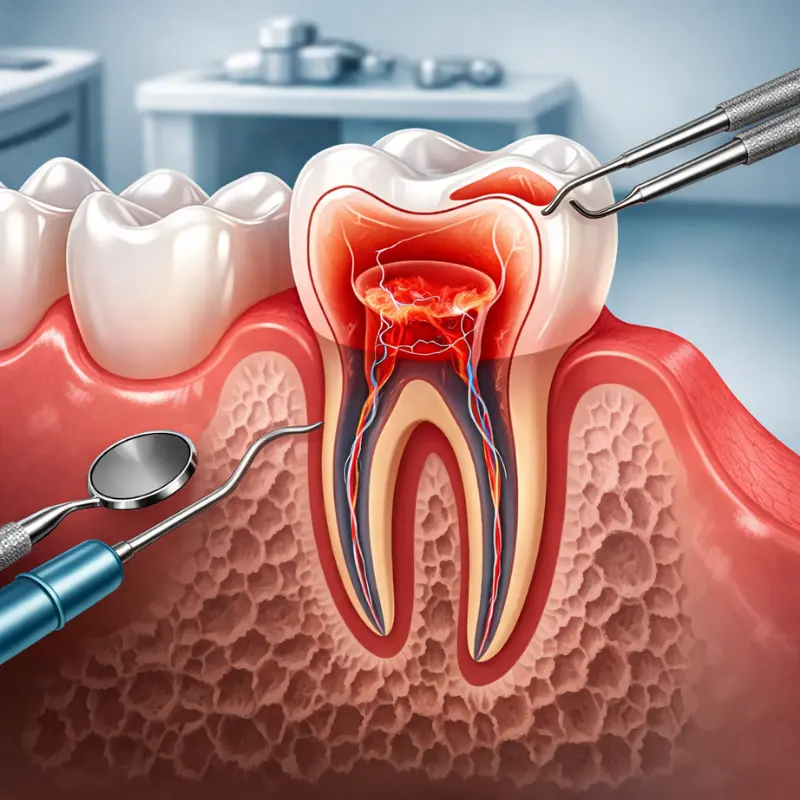
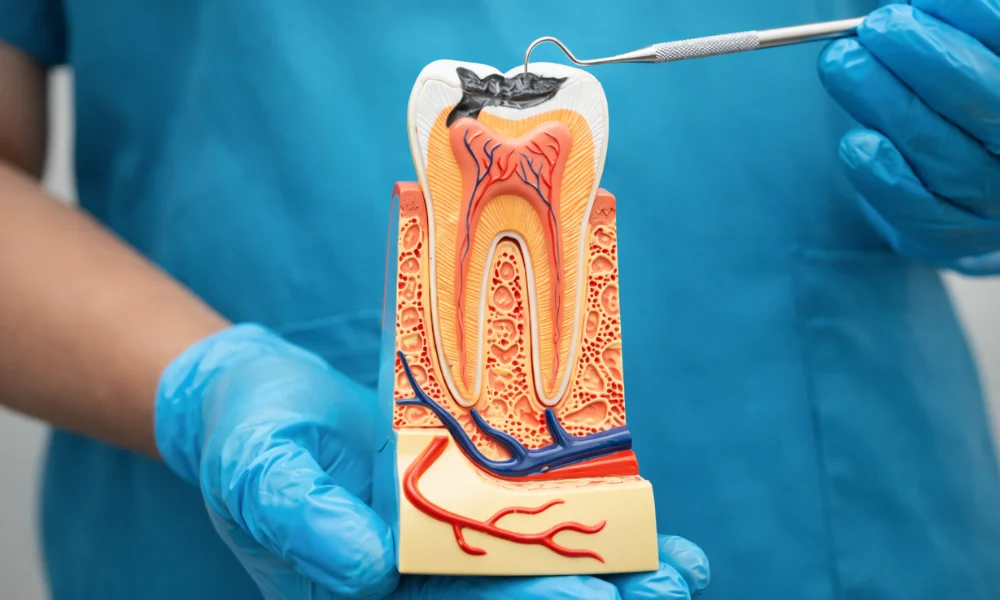
    Root canal treatment is a dental procedure used to treat infection or inflammation in the pulp of a tooth. The pulp contains nerves, blood vessels, and connective tissue. When it becomes infected due to decay, cracks, or trauma, it can cause severe tooth pain and swelling.

    During root canal treatment, the dentist:

    1. Removes the infected pulp tissue
    2. Cleans and disinfects the root canals
    3. Shapes the canals for sealing
    4. Fills and seals the canal to prevent reinfection

    Once the root canal is sealed, the tooth is usually restored with a dental crown or permanent filling to protect its structure and restore normal function.

    Modern root canal therapy is highly effective and allows patients to preserve their natural tooth instead of extracting it.

    What Is Single Sitting Root Canal Treatment?

    What Is Single Sitting Root Canal Treatment?

    Single-sitting root canal treatment, also known as single-visit endodontic therapy, is a procedure where the entire root canal treatment is completed in one appointment.

    In this approach, the dentist performs the full procedure—including cleaning, shaping, disinfecting, and sealing the canals—during a single visit.

    Advancements in dental technology, such as rotary endodontic instruments, digital imaging, and electronic apex locators, have enabled the efficient and safe performance of root canal treatment in a single sitting.

    Benefits of Single-Sitting Root Canal Treatment

    • Convenience for patients – only one dental appointment is required
    • Reduced treatment time compared to multiple visits
    • Lower risk of reinfection between appointments
    • Less anxiety for patients who prefer fewer dental visits
    • Faster pain relief after removing infected tissue

    Single-sitting root canal treatment is often recommended for teeth with minimal infection and straightforward root canal anatomy.

    What Is Multiple Sitting Root Canal Treatment?

    Multiple sitting root canal treatment is the traditional approach where the procedure is completed over two or more dental visits.

    During the first appointment, the dentist cleans and disinfects the infected canals. A temporary medicated dressing is often placed inside the tooth to eliminate remaining bacteria.

    In the next visit, the dentist checks whether the infection has reduced before sealing the canals permanently.

    Advantages of Multiple-Visit Root Canal Treatment

    • Allows strong antibacterial medication to act inside the canal
    • Useful for teeth with severe infection or abscess
    • Gives the dentist time to monitor symptoms before sealing
    • Helpful for complex or curved root canals

    This method is commonly used when the tooth has a significant infection or swelling that requires additional disinfection time.

    Success Rate: Single Sitting vs Multiple Sitting Root Canal

    Many patients assume that multiple-sitting root canals are more effective than single-visit treatments. However, clinical studies show that the success rates of both methods are very similar.

    Research published in the National Library of Medicine has found that:

    • Single-visit root canal success rate: approximately 85%
    • Multiple visit root canal success rate: approximately 87%

    The difference between the two approaches is not statistically significant, meaning both treatments are considered safe and reliable when performed properly.

    In most cases, the experience of the dentist and proper cleaning of the root canals play a much larger role in treatment success than the number of visits.

    Single Sitting vs Multiple Sitting Root Canal: Key Differences

    Single Sitting vs Multiple Sitting Root Canal: Key Differences

    FactorSingle Sitting Root CanalMultiple Sitting Root Canal
    Number of visitsOne appointmentTwo or more appointments
    Treatment durationCompleted in one daySpread over several days
    Best forMild infection casesSevere infection or abscess
    ConvenienceHighModerate
    Risk of reinfectionLower between visitsSlightly higher if temporary filling leaks

    Both procedures are effective, and the best choice depends on the clinical condition of the tooth.

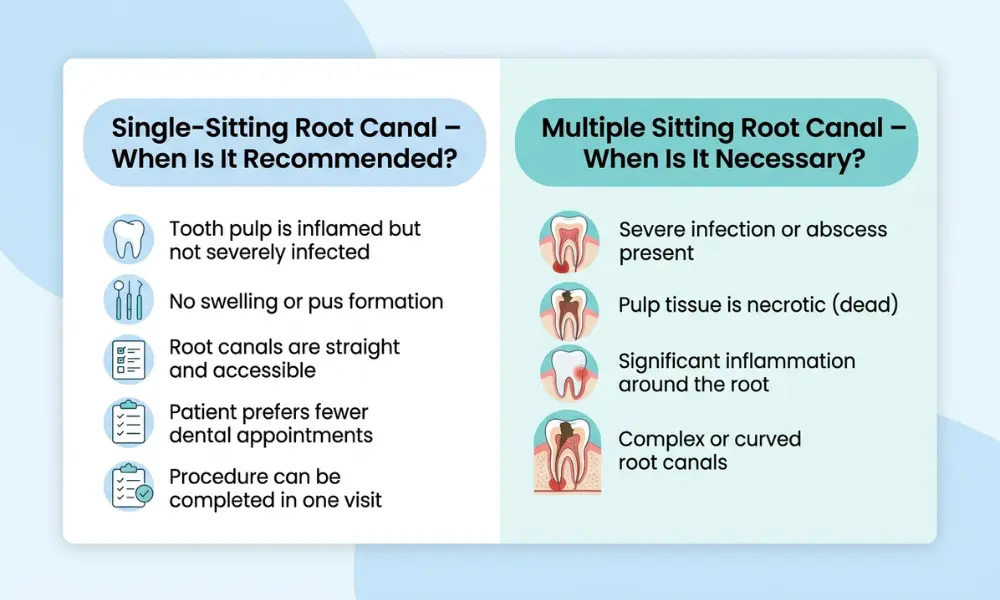
    When is a single-sitting root canal recommended?

    Dentists may recommend single-visit root canal treatment when:

    • The tooth pulp is inflamed but not severely infected
    • There is no swelling or pus formation
    • The root canals are relatively straight and accessible
    • The patient prefers fewer dental appointments

    In such cases, completing the procedure in one sitting can save time while providing effective results.

    When Is Multiple Sitting Root Canal Necessary?

    Multiple visit root canal treatment may be recommended when:

    • The tooth has a severe infection or abscess
    • The pulp tissue is completely necrotic (dead)
    • There is significant inflammation around the root
    • The canals are complex or difficult to clean in one visit

    In these situations, placing medication between visits helps eliminate bacteria before the tooth is permanently sealed.

    Post-Treatment Pain and Recovery

    After a root canal treatment, patients may experience mild discomfort for a short period. This is normal and usually resolves within a few days.

    Common recovery symptoms include:

    • mild sensitivity when chewing
    • slight soreness around the treated tooth
    • temporary tenderness in the surrounding gum tissue

    These symptoms are typically manageable with prescribed pain medication and proper aftercare.

    Most patients can return to normal daily activities within 24 hours of the procedure.

    Aftercare Tips for Root Canal Treatment

    Proper aftercare helps ensure successful healing and long-term tooth preservation.

    Patients are usually advised to:

    • Avoid chewing on the treated tooth until the final restoration is placed
    • maintain good oral hygiene with regular brushing and flossing
    • attend follow-up appointments if recommended
    • contact the dentist if severe pain or swelling occurs

    Placing a permanent crown after root canal treatment also helps strengthen the tooth and prevent fractures.

    Choosing the Right Root Canal Treatment

    Both single-sitting and multiple-sitting root canal treatments are clinically effective solutions for saving infected teeth.

    The best approach depends on several factors:

    • severity of infection
    • root canal complexity
    • patient comfort and schedule
    • professional assessment by the dentist

    Modern dentistry allows many patients to benefit from single-sitting root canal treatment, while multiple-visit procedures remain valuable for more complex infections.

    When to See a Dentist

    Persistent tooth pain, swelling, or sensitivity to hot and cold foods may indicate an underlying infection that requires professional treatment.

    Early diagnosis can help prevent complications and make root canal treatment simpler and more successful.

    For patients experiencing symptoms of tooth infection, consulting an experienced dental professional is the best step toward protecting long-term oral health. Clinics such as C Dental Clinic in Sharjah provide advanced diagnostic tools and modern endodontic treatments to ensure comfortable and effective care for patients requiring root canal therapy.

    Frequently Asked Questions

    Q: Is a single-sitting root canal safe?

    A: Yes, a single-sitting root canal is considered safe and effective when the infection is mild, and the tooth anatomy allows complete cleaning in one visit. Modern dental technology, such as rotary instruments and digital imaging, helps dentists thoroughly disinfect and seal the canals during the same appointment.

    Q: Which root canal treatment is better: single sitting or multiple sittings?

    A: Both single-sitting and multiple-sitting root canal treatments have high success rates. The best option depends on factors such as the severity of infection, the complexity of the root canals, and the patient’s overall dental condition. Your dentist will recommend the most appropriate treatment based on clinical evaluation.

    Q: How long does a single-sitting root canal take?

    A: A single-sitting root canal usually takes 60 to 90 minutes, depending on the number of canals in the tooth and the complexity of the procedure. Molars with multiple canals may take slightly longer compared to front teeth.

    Q: Is pain normal after a root canal treatment?

    A: Mild discomfort or sensitivity for a few days after a root canal is normal. This occurs as the surrounding tissues heal. Most patients can manage the discomfort with prescribed medication and typically return to normal activities within 24 hours.

    Q: When should I see a dentist for root canal treatment?

    A: You should consult a dentist if you experience persistent tooth pain, sensitivity to hot or cold foods, swelling around the gums, or pain while chewing. Early diagnosis can prevent the infection from spreading and increase the chances of saving the natural tooth.

    Conclusion

    If you are experiencing severe tooth pain or suspect a dental infection, timely treatment can help save your natural tooth and prevent further complications.

    At C Dental Clinic, Sharjah, experienced dental professionals provide modern root canal treatments tailored to each patient’s needs, including both single-sitting and multiple-sitting root canal procedures using advanced dental technology.

    Booking a consultation allows your dentist to evaluate your condition and recommend the most appropriate treatment plan for long-term oral health.

    Taking early action can help relieve pain, preserve your natural tooth, and restore your smile with confidence.

    👉Schedule your consultation at C Dental Clinic today and get expert treatment for lasting relief.

    Call to Action Button of C Dental Clinic

    References

    1. Single Visit versus Multiple Visit Root Canal Therapy– National Library of Medicine
    2. Outcomes of Single-Visit Versus Multi-Visit Root Canal Therapy– European Journal of Cardiovascular Medicine
    3. Single-Sitting vs. Multiple-Sitting Root Canal Treatment: A Comprehensive Guide– Dental Villa
    4. Benefits of a Single-Sitting Root Canal vs Traditional Multi-Visit Root Canal– Splendid Smiles Dental Clinic
    5. Multiple Sitting vs. Single Sitting Root Canal Treatment in Kolkata – What’s Best?– Mission Smile
    6. Is Single-Sitting Root Canal Treatment Right for You?– Elite Dental
    7. Root Canals in One Visit vs. Two Visits: Which Option Is Best?– Synergy Endodontics
    8. Single Sitting vs Multiple Sitting RCT: Which Root Canal Treatment Is Better?– North Delhi Dental Clinic

    Please subscribe to our social channels for updates related to dental care and oral health.

    Instagram:  cdental2025
    Facebook:  CDental 
    YouTube: C-Dental Clinic

  • Why Does My Tooth Hurt at Night but Not During the Day? Causes and Dental Solutions

    Why Does My Tooth Hurt at Night but Not During the Day? Causes and Dental Solutions

    Many people notice a strange pattern: during the day their tooth feels normal or only mildly uncomfortable, but as soon as they lie down at night, the pain becomes intense. Nighttime tooth pain can make it difficult to sleep and may signal an underlying dental issue that should not be ignored.

    Several biological and environmental factors can make tooth pain feel stronger at night, including changes in blood flow, reduced saliva, and fewer distractions that make pain more noticeable.

    If your tooth only hurts at night, understanding the possible causes can help you decide when to seek professional dental care. At C Dental Clinic, dentists frequently treat patients experiencing nighttime tooth pain caused by cavities, infections, or teeth grinding.

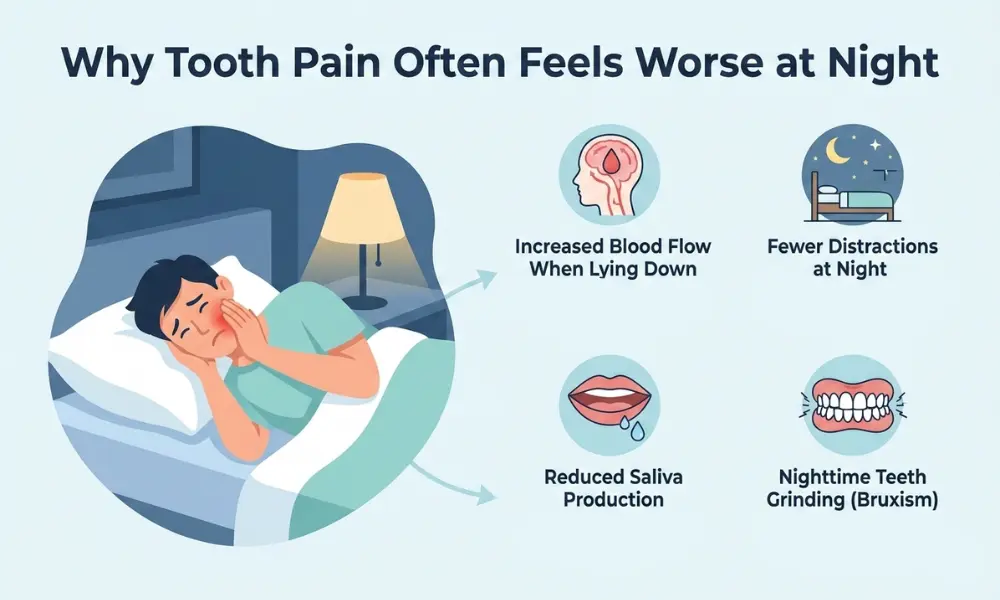
    Why Tooth Pain Often Feels Worse at Night?

    Why Tooth Pain Often Feels Worse at Night?

    Nighttime tooth pain is common and usually happens because of natural changes in the body when you lie down to sleep.

    Increased Blood Flow When Lying Down

    When you lie flat, blood circulation to your head increases. This extra pressure can intensify inflammation in an already irritated tooth nerve, causing throbbing pain that may not be noticeable during the day.

    Fewer Distractions

    During the day, work, conversations, and daily activities distract your brain from minor discomfort. At night, when everything becomes quiet, your brain focuses more on the pain, making it feel stronger.

    Reduced Saliva Production

    Saliva helps wash away bacteria and neutralize acids in the mouth. However, saliva production decreases during sleep, which can allow bacteria and irritation to increase.

    Nighttime Teeth Grinding

    Many people unknowingly grind or clench their teeth while sleeping, a condition known as bruxism. This puts pressure on teeth and jaw muscles and can worsen tooth pain overnight.

    Common Causes of Tooth Pain That Appears at Night

    Common Causes of Tooth Pain That Appears at Night

    If your tooth only hurts at night, it may indicate an underlying dental problem that becomes more noticeable when pressure or inflammation increases.

    Tooth Decay or Cavities

    One of the most common causes of tooth pain is tooth decay. Cavities damage the protective enamel layer and expose sensitive inner parts of the tooth. When decay reaches deeper layers, the nerve becomes inflamed and painful.

    Signs of tooth decay include:

    • Sensitivity to hot or cold foods
    • Pain when biting
    • Visible holes or dark spots on teeth

    Tooth Infection or Abscess

    A dental abscess is a bacterial infection inside the tooth or gums. It can cause intense throbbing pain that becomes worse when lying down due to increased pressure around the infected area.

    Common symptoms include:

    • Severe toothache
    • Swelling in gums or face
    • Bad taste in the mouth
    • Fever or fatigue

    Dental infections should be treated quickly to prevent complications.

    Gum Disease

    Inflamed or infected gums can also cause tooth pain that becomes worse at night. Gum disease can expose the sensitive roots of teeth, making them react to temperature changes or pressure.

    Signs of gum disease include:

    • Bleeding gums
    • Swelling or redness
    • Persistent bad breath
    • Gum recession

    Cracked or Damaged Teeth

    A small crack in a tooth may not cause noticeable pain during the day. However, when pressure builds up at night, the crack can irritate the inner nerve and trigger discomfort.

    Sinus Pressure

    Sometimes the pain does not originate from the tooth itself. Sinus infections can create pressure in the upper jaw, causing pain in the molars that feels like a toothache.

    How to Relieve Tooth Pain at Night (Temporary Relief)

    If your tooth starts hurting at night, several home remedies may help reduce discomfort until you can see a dentist.

    Keep Your Head Elevated

    Sleeping with extra pillows helps reduce blood pressure around the inflamed tooth and may decrease pain.

    Use a Cold Compress

    Applying a cold pack to the side of your face for 15–20 minutes can help numb the area and reduce inflammation.

    Rinse With Warm Salt Water

    Salt water helps clean the mouth and reduce bacteria that may be irritating the tooth or gums.

    Take Over-the-Counter Pain Relief

    Pain medications may temporarily reduce discomfort, but they do not treat the underlying cause of the problem.

    These methods provide only short-term relief. Persistent tooth pain should always be evaluated by a dentist

    When Should You See a Dentist?

    Nighttime tooth pain should not be ignored, especially if it lasts more than a few days. You should seek dental care immediately if you experience:

    • Severe or worsening pain
    • Swelling in the gums or face
    • Sensitivity to hot or cold that lingers
    • Pain when chewing
    • Fever or signs of infection

    These symptoms may indicate advanced tooth decay or infection that requires professional treatment.

    How Dentists Treat Nighttime Tooth Pain

    The treatment for tooth pain depends on its cause. After examining your teeth and taking dental X-rays, a dentist may recommend:

    • Dental fillings for cavities
    • Root canal treatment for infected pulp
    • Gum disease treatment
    • Repair of cracked or damaged teeth
    • Custom night guards for teeth grinding

    At C Dental Clinic, dentists focus on identifying the exact cause of nighttime tooth pain and providing personalized treatment to restore comfort and oral health.

    How to Prevent Nighttime Toothaches

    Good oral hygiene and preventive dental care can reduce the risk of tooth pain.

    Helpful tips include:

    • Brush twice daily with fluoride toothpaste
    • Floss every day to remove plaque between teeth
    • Avoid sugary snacks before bedtime
    • Wear a night guard if you grind your teeth
    • Visit your dentist regularly for checkups and cleaning

    Regular dental visits help detect problems early before they become painful.

    Frequently Asked Questions

    Q: Why does my tooth hurt more at night than during the day?

    A: Tooth pain often worsens at night due to increased blood flow when lying down, reduced saliva production, and fewer distractions, which makes the pain more noticeable. Teeth grinding during sleep can also contribute

    Q: Can children experience nighttime tooth pain too?

    A: Yes, children can experience toothaches at night, often due to cavities, gum issues, or bruxism (teeth grinding). Prompt dental evaluation can prevent complications.

    Q: How long does it take for a dentist to relieve nighttime tooth pain?

    A: The time depends on the cause. Minor cavities or gum issues may be treated in one visit, while infections or root canal treatments may require multiple appointments.

    Q: What temporary measures can help ease tooth pain at night?

    A: You can try keeping your head elevated, using a cold compress, rinsing with warm salt water, or taking over-the-counter pain relief. These provide short-term relief but do not treat the underlying cause.

    Q:  How can I prevent toothaches from worsening at night?

    A: Maintaining good oral hygiene, regular dental checkups, avoiding sugary foods before bedtime, and using a night guard for teeth grinding can help reduce nighttime tooth pain.

    Final Thoughts

    Tooth pain that appears only at night may seem confusing, but it usually has a clear cause. Changes in blood flow, reduced saliva, and underlying dental problems can all make pain feel stronger once you lie down.

    If you frequently experience tooth pain at night, it is important to schedule a dental examination. Early diagnosis and treatment can prevent more serious complications and help you sleep comfortably again.

    If you are experiencing persistent tooth pain, the experienced team at C Dental Clinic can help diagnose the problem and recommend the most effective treatment for long-term relief.

    👉 Take control of your nights and schedule your consultation at C Dental Clinic today and enjoy pain-free sleep!

    Call to Action Button of C Dental Clinic

    References

    1. My Tooth Hurts at Night But Not During the Day– Causes and Solutions– All Dental Care
    2. Why Do I Have A Toothache At Night?– Nevada Dentistry & Braces
    3. What Causes Toothache at Night?– Hawthorn Road Family Dental Clinic
    4. My Tooth Hurts at Night But Not During the Day– Causes and Solutions– All Care Dental by Sea

    Please subscribe to our social channels for updates related to dental care and oral health.

    Instagram:  cdental2025
    Facebook:  CDental 
    YouTube: C-Dental Clinic

  • Sensitive Teeth but No Cavity? Causes, Remedies & Expert Tips from C Dental Sharjah

    Sensitive Teeth but No Cavity? Causes, Remedies & Expert Tips from C Dental Sharjah

    Introduction 

    Imagine sipping an ice-cold drink or biting into hot soup, and suddenly your teeth scream in discomfort. You rush to the dentist, expecting a cavity, but the X-rays come back clean. Confusing, isn’t it?

    If you’re struggling with a sensitive tooth but no cavity, you’re not alone. Millions experience this common dental issue, and it can be caused by a variety of factors, some temporary, some requiring professional attention.

    In this comprehensive guide, we’ll cover:

    • Why your teeth feel sensitive even without cavities
    • Causes and triggers of tooth sensitivity
    • Practical home remedies and preventive tips
    • When to see a dentist in Sharjah

    By the end, you’ll know exactly how to protect your teeth, reduce discomfort, and maintain a healthy smile.

    Understanding Tooth Sensitivity 

    Tooth sensitivity occurs when the protective layers of your teeth’s enamel and dentin are compromised. This exposes the nerves inside your teeth, causing pain when triggered by:

    • Cold or hot food and drinks
    • Sweet or acidic foods
    • Brushing or flossing

    Symptoms of Sensitive Teeth

    • Sharp, brief pain while eating or drinking
    • Tingling along the gum line
    • Discomfort when brushing or flossing
    • Sensitivity that comes and goes

    Important: Tooth sensitivity does not always indicate a cavity. Studies from the American Dental Association (ADA) confirm that enamel erosion, gum recession, and cracks can all trigger pain without decay.

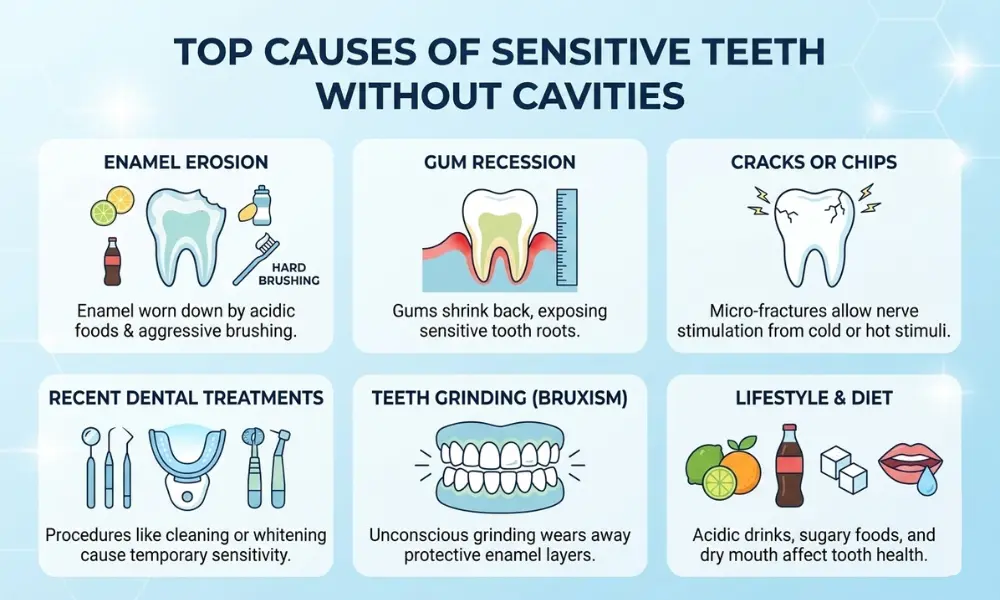
    Top Causes of Sensitive Teeth Without Cavities

    Top Causes of Sensitive Teeth Without Cavities

    Feeling a sudden zing in a tooth, but your dentist says there’s no cavity? You’re not alone. Sensitive teeth without cavities are surprisingly common. In many cases, the discomfort occurs because the protective layers of the tooth weaken, exposing dentin or irritating the tooth’s nerve endings. Identifying the root cause can help you manage tooth sensitivity before it becomes a persistent problem.

    1. Enamel Erosion from Everyday Habits

    Enamel is the protective outer layer of your teeth. When it gradually wears away, the dentin underneath becomes exposed. This dentin contains microscopic channels connected to nerves, which makes teeth react quickly to hot, cold, or sweet foods. Acidic drinks like soda & cold drinks can accelerate enamel erosion over time.

    2. Gum Recession Exposing Tooth Roots

    Gum recession can reveal the roots of your teeth. Unlike the visible crown of the tooth, these roots are not covered with enamel, making them more vulnerable to temperature changes and pressure. Aging, gum disease, or brushing too hard are common factors that lead to receding gums & increased tooth sensitivity.

    3. Tiny Cracks or Micro-Fractures

    Even small cracks in a tooth can trigger sensitivity. These micro-fractures may develop from chewing hard foods, accidental trauma, or long-term stress on teeth.

    4. Teeth Grinding (Bruxism)

    Grinding or clenching your teeth, especially during sleep, gradually wears down enamel. Over time, this exposes the inner layers of the tooth and increases sensitivity when eating or drinking.

    5. Diet and Lifestyle Triggers

    Frequent consumption of acidic foods, sugary snacks, or carbonated drinks can weaken enamel and worsen sensitivity. Conditions such as dry mouth or acid reflux may also contribute to enamel erosion.

    Home Remedies & Preventive Tips 

    You can manage sensitive teeth but no cavity at home using these tips:

    Daily Oral Care

    • Use soft-bristled toothbrushes
    • Brush gently for 2 minutes, twice a day
    • Floss carefully to avoid gum damage

    Desensitizing Toothpaste

    • Contains compounds that block pain signals to nerves
    • Use consistently for 2–4 weeks for noticeable improvement

    Avoid Acidic Foods Temporarily

    • Citrus fruits, soda, vinegar-based foods
    • Rinse your mouth with water after consumption

    Mouthguards for Grinding

    • Protects enamel from nightly grinding
    • Reduces root exposure and sensitivity

    Fluoride Treatments

    • Strengthens enamel and reduces sensitivity
    • Available as gels, rinses, or professional applications

    Quick Tip: Avoid whitening treatments while experiencing sensitivity.

    When to See a Dentist?

    Persistent sensitivity, even without a cavity, may require professional care. Visit CDental Sharjah if you notice:

    • Pain lasting more than a few days
    • Sharp pain triggered by cold, hot, or sweet foods
    • Swelling, bleeding, or pus near the gums
    • No improvement despite home care

    A professional dentist can:

    • Examine enamel and gum health
    • Identify micro-fractures or early decay
    • Recommend treatments like fluoride varnish, bonding, or protective sealants

    Misconceptions About Tooth Sensitivity vs Cavities 

    Symptom Sensitive TeethCavity / Tooth Decay
    Pain TriggerCold, hot, sweet, acidicConstant, localized
    Visible DamageUsually noneVisible pit or discoloration
    DurationShort, brief painPersistent if untreated
    CauseEnamel loss, gum recession, and cracksBacterial decay
    TreatmentDesensitizing toothpaste, diet, and dentist careFilling, restoration, or root canal

    Fact: Experiencing sensitivity does not automatically mean you have a cavity. Early detection of underlying causes is key.

    Frequently Asked Questions

    Q: Does tooth sensitivity always mean a cavity?

    A: No. Sensitivity often occurs due to enamel erosion, gum recession, or cracks. A cavity is only one possible cause.

    Q: Can sensitive teeth improve without a dentist?

    A: Yes, minor sensitivity often responds to desensitizing toothpaste and proper oral care. Persistent sensitivity should be checked.

    Q: Are sensitive teeth permanent?

    A: Not necessarily. Treatments like fluoride varnish, proper brushing, and lifestyle changes can reduce sensitivity.

    Q: Can I eat ice cream if my teeth are sensitive?

    A: Yes, in moderation. Rinse with water afterward and avoid frequent acidic foods.

    Q: How can I prevent future sensitivity?

    A: Maintain good oral hygiene, avoid aggressive brushing, and visit C Dental Clinic for regular checkups.

    Conclusion 

    Sensitive teeth without a cavity are more common than many people think. You may feel a quick, sharp pain when drinking cold water, eating sweets, or enjoying hot foods. While this discomfort can be worrying, it does not always mean tooth decay. In many cases, sensitivity occurs when enamel becomes thinner, gums recede, or the inner dentin layer becomes exposed.

    You can reduce tooth sensitivity by improving daily habits. Brush gently with a soft toothbrush to protect enamel. Use toothpaste designed for sensitive teeth to calm nerve reactions. Limiting acidic drinks like soda and citrus juices can also help prevent further enamel damage. Paying attention to when sensitivity occurs can help you identify triggers and avoid them.

    If the pain becomes frequent or starts interfering with meals, visit a dentist for a proper checkup. Early care can prevent bigger problems. At C Dental Sharjah, our team helps identify the cause of sensitivity and provides solutions to keep your smile healthy and comfortable. 

    👉Schedule a consultation today at CDental Sharjah to address sensitive teeth and ensure long-term oral wellness.

    Call to Action Button of C Dental Clinic

    References

    1. How To Differentiate Between Cavity Pain & Tooth Sensitivity– Overlake Dental
    2. Do I have a cavity or sensitive teeth?– Sensodyne
    3. Is It a Cavity or Just Sensitivity? Signs You Should See a Family Dentist–Royal Vista Dental
    4. Does Tooth Sensitivity Mean A Cavity is Present?– Windy City Family Dental

    Please subscribe to our social channels for updates related to dental care and oral health.

    Instagram:  cdental2025
    Facebook:  CDental 
    YouTube: C-Dental Clinic
  • Tooth Pain That Comes and Goes: When Should You Visit a Dentist in Sharjah?

    Tooth Pain That Comes and Goes: When Should You Visit a Dentist in Sharjah?

    Understanding Intermittent Tooth Pain: Early Care Matters

    Tooth pain that comes and goes is often easy to overlook. Many people assume that if the discomfort isn’t constant, it isn’t serious. However, intermittent tooth pain can be an early sign of an underlying dental issue, such as tooth decay, gum inflammation, or a developing infection.

    At C Dental in Sharjah, we frequently see patients who delayed treatment because the pain seemed minor at first. Addressing these early warning signs can prevent more complex procedures, like root canals or crowns, and help maintain long-term oral health.

    Our experienced team takes a thorough, patient-centered approach. We carefully examine your teeth and gums, take X-rays if necessary, and identify the root cause of the discomfort. From preventive care to tailored treatments, we focus on protecting your smile and preserving your natural teeth.

    Even occasional or mild pain is worth checking. Early intervention allows us to provide effective solutions, minimize discomfort, and reduce the risk of future complications. At C Dental, your dental health is our priority, and we are committed to providing safe, professional, and compassionate care in every visit.

    Why Does Tooth Pain Come and Go?

    Why Does Tooth Pain Come and Go?

    Pain that is not constant usually has specific triggers. It may appear while eating, drinking, or chewing, and then fade away. Some of the most common causes include:

    Tooth Sensitivity

    When enamel wears down or gums recede, the inner layer of the tooth becomes exposed. This can cause short bursts of pain when consuming hot, cold, sweet, or acidic foods.

    Early Tooth Decay

    In the early stages, cavities may not cause continuous pain. Instead, discomfort may occur only when food particles reach the affected area.

    Cracked or Damaged Teeth

    Small cracks or worn fillings may cause pain only when pressure is applied, such as while chewing. Once the pressure is gone, the pain subsides.

    Gum Problems

    Inflamed or receding gums can expose sensitive areas of the tooth, leading to occasional discomfort that comes and goes.

    Teeth Grinding or Jaw Stress

    Grinding or clenching, often during sleep, can strain teeth and cause intermittent pain without obvious signs of damage.

    Common Triggers to Watch For

    If your tooth pain appears occasionally, notice what brings it on. Common triggers include:

    • Hot or cold foods and beverages
    • Sweet or acidic items
    • Chewing on one side of the mouth
    • Sudden temperature changes
    • Stress-related jaw clenching

    These patterns are valuable clues for your dentist during diagnosis.

    Is Intermittent Tooth Pain Serious?

    Yes, it can be. Pain that comes and goes does not mean the problem has resolved. In many cases, the nerve has not yet been fully affected, which is why the pain feels temporary. Without treatment, the condition may progress and result in infection, severe pain, or the need for more extensive procedures.

    You should consult a dentist in Sharjah if:

    • The pain is recurring or increasing in frequency
    • Discomfort occurs when chewing or biting
    • You notice swelling, bleeding gums, or a bad taste
    • Sensitivity lingers after hot or cold exposure

    Early treatment is always simpler, faster, and more cost-effective.

    Expert Dental Care in Sharjah: Early Attention Matters

    If you’re experiencing recurring tooth pain, visiting a dentist in Sharjah can help identify the problem before it becomes serious. During your visit, a dentist will:

    • Examine your teeth and gums carefully to check for any signs of decay or infection.
    • Use X-rays when needed to detect hidden issues that aren’t visible to the eye.
    • Find the root cause of your discomfort to tailor the right treatment.
    • Recommend gentle, effective care like fillings, crowns, gum treatments, or protective night guards.

    Addressing dental issues early can often prevent more invasive treatments, such as root canals, and help preserve your natural teeth.

    Why Does Tooth Pain Come and Go?

    What You Can Do Until Your Appointment?

    While waiting to see your dentist, you can reduce discomfort by:

    • Avoiding extreme temperatures in food and drinks
    • Maintaining gentle brushing and flossing
    • Rinsing with warm salt water
    • Avoiding chewing on the affected side

    These steps provide temporary relief but do not replace professional care.

    Frequently Asked Questions

    Q: Is tooth pain that comes and goes normal?

    A: Occasional tooth pain is common, but pain that repeatedly comes and goes is not normal. It often indicates an underlying issue such as tooth sensitivity, early decay, gum problems, or a cracked tooth. A dentist in Sharjah can identify the cause before it worsens.

    Q: Can intermittent tooth pain go away on its own?

    A: In some cases, the pain may temporarily stop, but the underlying problem usually remains. Without proper treatment, the issue can progress and lead to infection or constant pain over time.

    Q: How long should I wait before seeing a dentist in Sharjah?

    A: If tooth pain returns more than once, lasts longer each time, or becomes more intense, you should see a dentist as soon as possible. Early treatment is simpler and helps prevent more serious dental procedures.

    Q: Can stress cause tooth pain that comes and goes?

    A: Yes. Stress can lead to teeth grinding or jaw clenching, especially during sleep. This can strain teeth and cause intermittent pain. A dentist may recommend a night guard to protect your teeth.

    Q: Does tooth pain always mean I need a root canal?

    A: No. Intermittent tooth pain often means the problem is still in an early stage. Many cases can be treated with fillings, gum care, or minor procedures if addressed early by a dentist in Sharjah.

    Q: Should I take painkillers for intermittent tooth pain?

    A: Painkillers can provide temporary relief, but do not treat the cause. Relying on medication may delay proper diagnosis and allow the problem to worsen. A professional dental evaluation is always recommended.

    Q: Can gum problems cause tooth pain that comes and goes?

    A: Yes. Gum inflammation or recession can expose sensitive parts of the tooth, leading to occasional discomfort. Treating gum issues early can prevent further sensitivity and damage.

    Final Thoughts

    Tooth pain that comes and goes is often your body’s early warning system, letting you know that something beneath the surface needs attention. While the discomfort may seem minor or manageable at first, ignoring it can allow small dental issues to develop into painful and costly problems.

    If you are experiencing recurring tooth pain, scheduling a timely check-up with a trusted dentist in Sharjah can make a significant difference. Early diagnosis not only helps relieve discomfort but also prevents complications that may require more complex treatment later.

    👉 Book a dental consultation today and take the first step toward protecting your oral health, restoring comfort, and enjoying long-term peace of mind.

    Call to Action Button of C Dental Clinic

    References

    1. Throbbing Tooth Pain That Comes and Goes — Get a Full Help Guide – My Local Dentists Northmead
    2. Toothache That Comes and Goes — What Does It Mean?– Downtown Dental
    3. Tooth Pain That Comes and Goes: Should You Be Concerned? -NY Implant Dentistry
    4. Tooth Pain That Comes and Goes: Should You Worry?– Clover Smile Studio
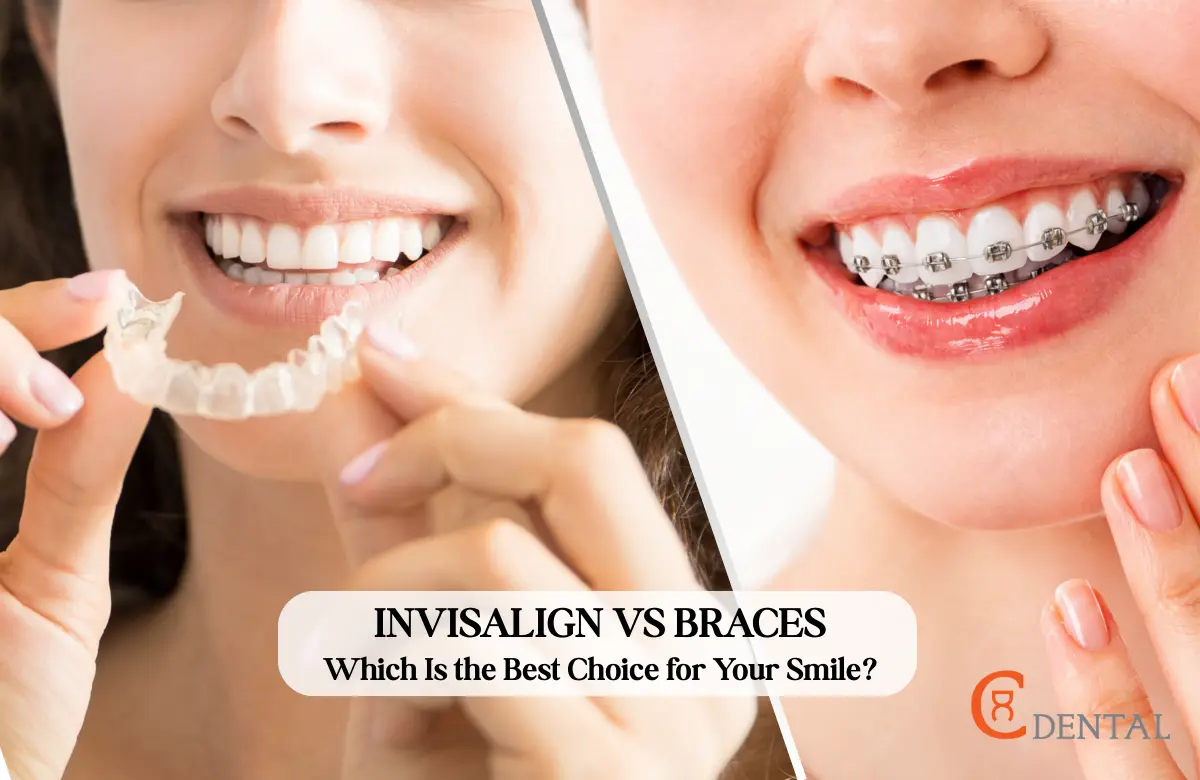
  • Invisalign vs Braces: Which Is the Best Choice for Your Smile?

    Invisalign vs Braces: Which Is the Best Choice for Your Smile?

    Call to Action for Blog

    Deciding to straighten your teeth is an important step toward better oral health and confidence. However, choosing between Invisalign and traditional braces can feel overwhelming, especially when factors like appearance, comfort, cost, and treatment time come into play.

    Both Invisalign and braces are proven orthodontic solutions. The right option depends on your dental condition, lifestyle, and long-term goals. This guide explains the differences clearly, helping you make an informed decision.

    What Are Braces?

    What Are Braces?

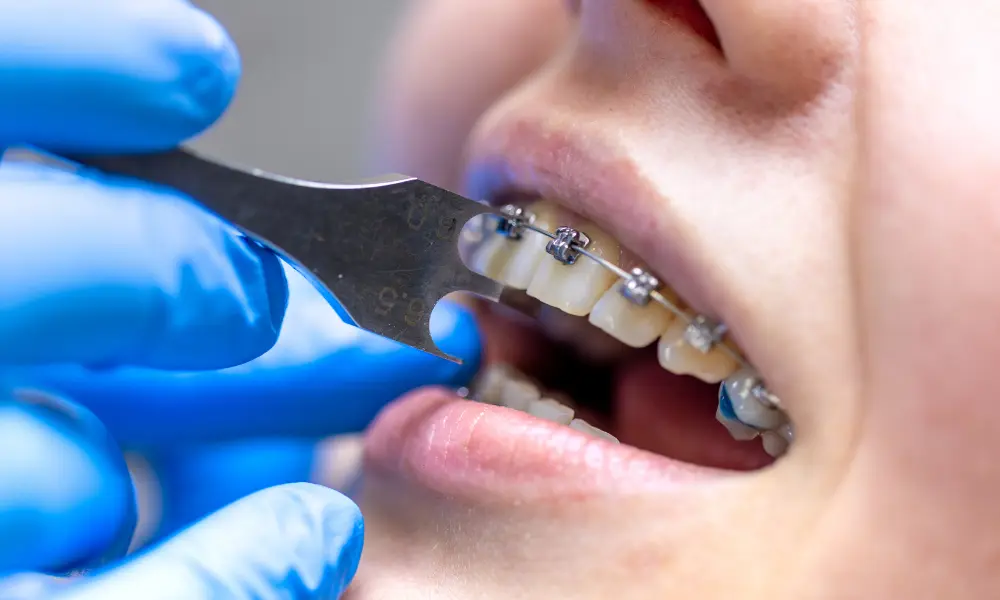
    Braces are a traditional orthodontic treatment used to correct misaligned teeth, gaps, and bite problems. They work by applying gentle, continuous pressure to gradually move teeth into their correct positions.

    Types of Braces

    • Metal braces – Strong and effective, commonly used for complex cases
    • Ceramic braces – Similar to metal braces but less noticeable
    • Lingual braces – Placed behind the teeth; suitable only for select cases

    Braces are commonly recommended for:

    • Moderate to severe alignment issues
    • Bite correction problems
    • Patients who prefer a fixed, non-removable option

    Because braces work continuously, they do not depend on patient compliance, making them highly effective.

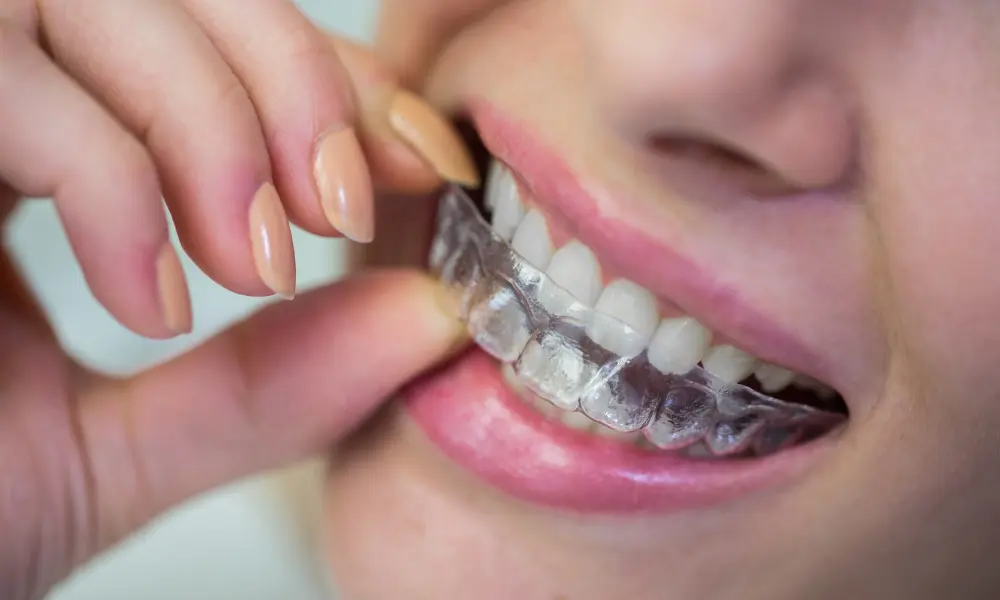
    clear Invisalign aligner on teeth

    What Is Invisalign?

    Invisalign is an orthodontic treatment that uses a series of clear, removable aligners to straighten teeth over time. Each set of aligners is custom-designed and replaced every few weeks as the teeth gradually move.

    Key features of Invisalign:

    • Nearly invisible appearance
    • Removable for eating and cleaning
    • Digitally planned treatment using advanced scanning technology

    Invisalign is often suitable for:

    • Mild to moderate alignment concerns
    • Adults and teenagers seeking a discreet option
    • Patients who can commit to wearing aligners 20–22 hours per day

    Invisalign vs Braces: A Clear Comparison

    FeatureBracesInvisalign
    AppearanceVisible brackets and wiresNearly invisible
    ComfortInitial soreness possibleSmooth and comfortable
    RemovableNoYes
    Eating restrictionsYesNo
    Oral hygieneRequires extra careEasier brushing and flossing
    Treatment suitabilityAll cases, including complexMild to moderate cases
    Compliance requiredNoYes

    Pros and Cons of Braces

    Advantages

    • Effective for nearly all orthodontic cases
    • Ideal for complex alignment and bite correction
    • No risk of forgetting to wear them

    Limitations

    • Visible appearance
    • Initial discomfort after adjustments
    • Food restrictions and careful cleaning required

    Pros and Cons of Invisalign

    Advantages

    • Discreet and aesthetically pleasing
    • Removable for meals and social occasions
    • Easier oral hygiene maintenance

    Limitations

    • Must be worn consistently for best results
    • Not suitable for all severe cases
    • Requires patient discipline

    How to Choose the Right Option for You

    There is no universal “better” option. The right treatment depends on individual needs.

    Consider the following:

    • Is appearance a priority for you?
    • Can you commit to wearing aligners daily?
    • Do you have complex bite or alignment issues?
    • Are comfort and convenience important factors?

    A professional evaluation is essential to determine which treatment will deliver the best and safest results for your smile.

    Treatment Time and Cost: What to Expect

    Treatment Duration

    • Braces: Typically 18–24 months
    • Invisalign: Often 12–18 months for suitable cases, depending on complexity

    Cost Considerations

    The cost of orthodontic treatment varies based on:

    • The severity of alignment issues
    • Type of treatment selected
    • Duration of treatment

    During a consultation, patients receive a personalised treatment plan with clear cost details.

    Life During and After Treatment

    • With braces, Certain foods should be avoided, and oral hygiene must be maintained carefully
    • With Invisalign, Aligners should be removed while eating and cleaned regularly
    • Follow-up visits: Regular check-ups are essential to monitor progress
    • After treatment: Retainers are necessary to maintain long-term results

    Consistency and proper care play a crucial role in successful outcomes.

    Frequently Asked Questions

    Q: Does Invisalign hurt more than braces?

    A: Both treatments may cause mild discomfort initially, which usually settles within a few days.

    Q: Can adults choose Invisalign or braces?

    A: Yes. Orthodontic treatment is suitable for adults as well as teenagers.

    Q: Which option is more affordable?

    A: Braces are generally more cost-effective, while Invisalign may cost more depending on the case.

    Q: How do I know which treatment is right for me?

    A: A professional dental consultation is the best way to determine the appropriate option.

    Final Thoughts

    Both Invisalign and braces are reliable orthodontic treatments that can help you achieve a healthier, more confident smile. The right choice depends on your dental condition, lifestyle preferences, and treatment goals.

    There is no shortcut to proper teeth alignment. The best results come from a well-planned treatment approach, expert guidance, and consistent care.

    👉Book a consultation at C Dental Clinic to receive a personalised orthodontic treatment plan designed specifically for your smile.

    Call to Action Button of C Dental Clinic

    References

    1. Invisalign vs. Braces: Which Is Better?– Everyday Health
    2. Invisalign vs Braces: Pros and Cons Explained– McComb Orthodontics
    3. Invisalign vs Braces for Adults Which is Right for You-Valley Dental Care
    4. Invisalign Vs Braces (The Pros and Cons of Each)– The Orthodontists

    Please subscribe to our social channels for updates related to dental care and oral health.

    Instagram:  cdental2025
    Facebook:  CDental 
    YouTube: C-Dental Clinic
  • How to Stop Tooth Pain Fast at Home: A Temporary Relief Guide

    How to Stop Tooth Pain Fast at Home: A Temporary Relief Guide

    Tooth pain can range from mild discomfort to severe, throbbing pain that interferes with sleep, eating, and daily activities. While home remedies may offer short-term relief, they do not treat the underlying cause. If you are experiencing persistent or severe discomfort, it is important to understand both what you can do immediately and when to seek professional dental care.

    This guide provides medically sound, temporary solutions for tooth pain relief at home, along with guidance on when to consult a qualified dentist in Sharjah for definitive treatment.

    Why Tooth Pain Occurs and Why It Should Not Be Ignored

    Why Tooth Pain Occurs and Why It Should Not Be Ignored?

    Tooth pain is typically a symptom of an underlying dental condition. Common causes include dental decay, infection, gum inflammation, cracked teeth, and impacted wisdom teeth. When bacteria penetrate the enamel and reach the inner pulp of the tooth, inflammation develops around the nerve, leading to pain.

    Pain that worsens at night is common due to increased blood flow to the head when lying down, which intensifies pressure within the tooth. While symptoms may temporarily subside, untreated dental issues tend to progress. Early diagnosis significantly increases the likelihood of preserving the natural tooth and avoiding complex procedures.

    How to Stop Tooth Pain Quickly at Home?(Temporary Measures)

    Tooth pain can be uncomfortable, but several home remedies can provide short-term relief. These methods reduce inflammation and discomfort but do not treat underlying infections or structural damage.

    Salt Water Rinse

    Rinse your mouth with warm salt water (½ teaspoon salt in a glass of water) for 30 seconds. It helps reduce bacteria and soothes irritated gums.

    Cold Compress

    Apply a cold compress to the cheek for 15 minutes at a time to reduce swelling and numb pain. Avoid heat if swelling is present.

    Clove Oil

    Apply a small amount of clove oil with a cotton swab directly on the tooth. Eugenol in clove oil acts as a natural anesthetic and antiseptic.

    Hydrogen Peroxide Rinse

    Mix equal parts 3% hydrogen peroxide and water. Swish in your mouth for 30–60 seconds, then spit out. This kills bacteria, reduces plaque, and helps with gum inflammation.

    Garlic

    Crush a garlic clove into a paste and apply it to the affected tooth. Allicin in garlic has antimicrobial properties that can slow bacterial activity.

    Peppermint Tea

    Cool a brewed cup of peppermint tea and swish it around the mouth. Peppermint has natural numbing properties that help relieve pain.

    Onions

    Place a small piece of raw onion on the affected area. Its antimicrobial and antiseptic properties can fight infection and soothe pain.

    Honey and Cinnamon

    Mix five teaspoons of honey with one teaspoon of cinnamon into a paste and apply it to the tooth several times daily. Both ingredients have antimicrobial and anti-inflammatory effects.

    Note: These remedies offer temporary relief. Persistent or severe tooth pain requires professional evaluation.

    What Should Be Avoided During Tooth Pain

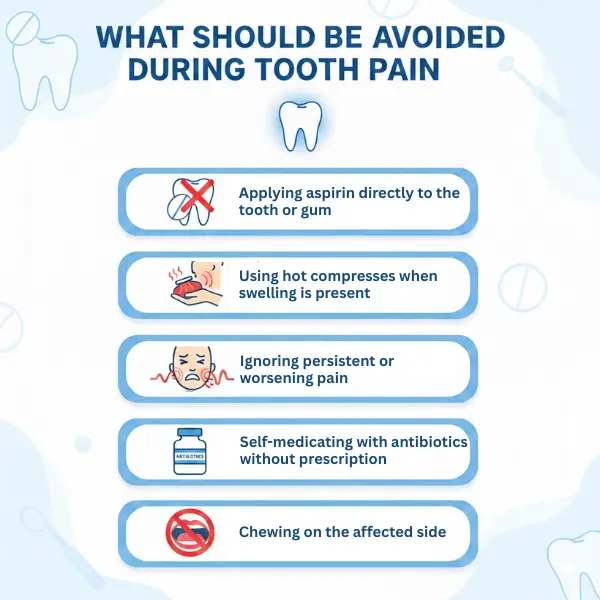
    What Should Be Avoided During Tooth Pain?

    Certain actions may aggravate the condition:

    • Applying aspirin directly to the tooth or gum
    • Using hot compresses when swelling is present
    • Ignoring persistent or worsening pain
    • Self-medicating with antibiotics without a prescription
    • Chewing on the affected side

    Persistent symptoms often indicate deeper structural or infectious involvement.

    When Home Remedies Are Not Sufficient

    Home remedies are designed to provide temporary relief from discomfort. They do not address:

    • Advanced tooth decay
    • Dental abscess
    • Nerve infection
    • Deep gum disease

    If pain persists beyond 24–48 hours, intensifies, or returns after temporary relief, professional evaluation is necessary. Delaying treatment can result in more extensive infection and may reduce the likelihood of saving the tooth.

    Signs You Require an Emergency Dentist in Sharjah

    Immediate dental attention is advised if you experience:

    • Facial or jaw swelling
    • Fever accompanying tooth pain
    • Pus or discharge near the tooth
    • Severe, constant throbbing pain
    • Difficulty opening the mouth or swallowing

    These symptoms may indicate infection spreading beyond the tooth. In such cases, consulting an emergency dentist in Sharjah without delay is critical to prevent complications.

    Professional Treatment Options for Tooth Pain

    A comprehensive clinical evaluation will determine the most appropriate course of treatment. At C Dental Clinics, treatment recommendations are based on accurate diagnosis supported by digital imaging and clinical assessment.

    Common treatments include:

    Dental Filling: For early-stage cavities where decay has not reached the pulp.

    Root Canal Treatment: When infection affects the nerve tissue. A root canal in Sharjah removes infected pulp, disinfects the canal, and preserves the natural tooth structure.

    Extraction: In cases where the tooth cannot be restored.

    Periodontal Therapy: For gum-related causes of pain and inflammation.

    Early intervention often allows for more conservative treatment and better long-term outcomes.

    Emergency Tooth Pain Care at C Dental Clinics

    Dental pain requires a timely and precise diagnosis. At C Dental Clinics, patients experiencing acute discomfort receive:

    • Prompt evaluation
    • Digital X-ray diagnostics
    • Immediate pain management
    • Clear explanation of findings and treatment options

    Our clinical approach prioritizes patient comfort, safety, and preservation of natural teeth whenever possible.

    If you are searching for tooth pain treatment Sharjah or require an urgent consultation with a dentist in Sharjah, professional assessment remains the most reliable path to lasting relief.

    Preventing Future Tooth Pain

    Preventive care is essential in reducing the risk of dental emergencies. We recommend:

    • Brushing twice daily with fluoride toothpaste
    • Daily flossing
    • Limiting sugary foods and beverages
    • Routine dental examinations every six months

    Regular checkups allow early detection of decay or gum disease before pain develops.

    Frequently Asked Questions (FAQs)

    Q: Can tooth pain go away on its own without dental treatment?

    A: Tooth pain may temporarily subside, especially after using home remedies, but it rarely resolves permanently without professional care. Most tooth pain is caused by decay, infection, or gum disease, which tend to worsen over time if left untreated.

    Q: What is the fastest way to relieve tooth pain at home?

    A: For short-term relief, rinsing with warm salt water, applying a cold compress to the cheek, using clove oil sparingly, and taking over-the-counter anti-inflammatory medication can help reduce pain and inflammation. These methods are temporary and do not treat the underlying cause.

    Q: How long is it safe to rely on home remedies for tooth pain?

    A: Home remedies should only be used for temporary relief, typically no longer than 24–48 hours. If pain persists, worsens, or returns after relief, a dental evaluation is necessary to prevent complications.

    Q: When is tooth pain considered a dental emergency?

    A: Tooth pain requires emergency dental care if it is accompanied by facial swelling, fever, pus or discharge, severe, constant throbbing, or difficulty swallowing or opening the mouth. These signs may indicate a spreading infection that requires immediate treatment.

    Q: What dental treatments are commonly used to stop tooth pain permanently?

    A: Permanent relief depends on the diagnosis. Common treatments include dental fillings for cavities, root canal treatment for nerve infections, periodontal therapy for gum disease, or tooth extraction when restoration is not possible. Early treatment often allows more conservative options and better outcomes.

    Conclusion

    Tooth pain is a clinical symptom that should not be overlooked. While temporary home measures may ease discomfort, they do not resolve underlying infection or structural damage.

    If pain persists, worsens, or is accompanied by swelling or fever, seeking prompt professional care is essential. Early treatment not only relieves discomfort but also increases the likelihood of saving the affected tooth.

    👉Book your appointment with C Dental Clinic today, before symptoms worsen.

    References

    1. Toothache Home Remedies– Colgate
    2. Home Remedies for Temporary Tooth Pain Relief– Healthline
    3. Home Remedies for Toothache: Quick Relief from Tooth Pain Naturally– Metropolis
    4. Toothache Relief and Home Remedies-WebMD

    Please subscribe to our social channels for updates related to dental care and oral health.

    Instagram:  cdental2025
    Facebook:  CDental 
    YouTube: C-Dental Clinic
  • Do I Really Need a Root Canal or Can It Heal on Its Own?

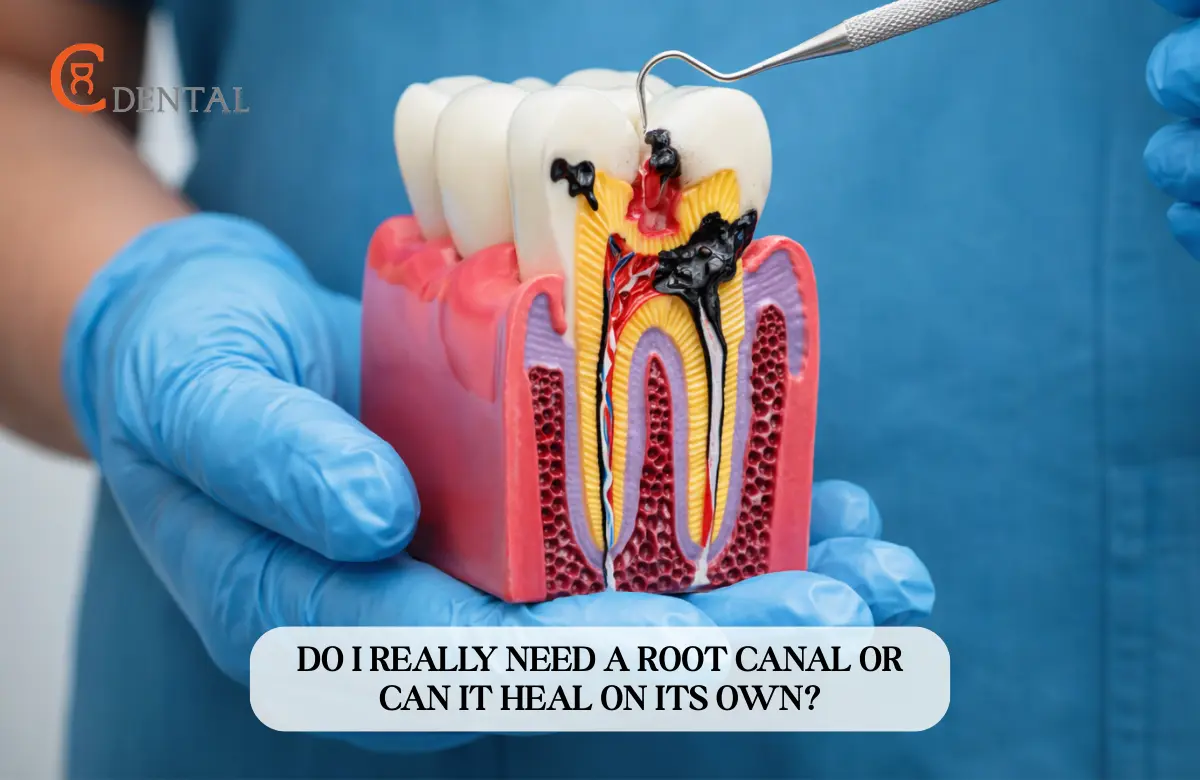
    Do I Really Need a Root Canal or Can It Heal on Its Own?

    Tooth pain has a way of making us hopeful. We tell ourselves it might settle down tomorrow. Maybe it is just sensitivity. Maybe it will pass. But when the pain keeps coming back or starts getting worse, that small hope turns into worry.

    Many patients in Sharjah delay treatment because they are afraid of needing a root canal. The word itself sounds intimidating. But understanding what is really happening inside your tooth can help you make the right decision at the right time.

    If you are wondering whether a tooth infection can heal naturally or whether you truly need root canal treatment in Sharjah, this guide will give you clear and honest answers.

    Can a Tooth Infection Heal on Its Own?

    In very early stages of tooth decay, when only the outer enamel is affected, the damage can sometimes be stopped. Good oral hygiene, fluoride treatments, and early fillings may prevent further progression.

    However, once bacteria reach the inner pulp of the tooth, healing on its own is no longer possible. The pulp contains nerves and blood vessels. When it becomes infected, the body cannot repair it because the blood supply inside the infected space becomes compromised.

    According to the American Association of Endodontists, infected dental pulp requires professional treatment. It does not reverse naturally.

    Sometimes the pain may temporarily reduce. This can happen if the nerve inside the tooth dies. But this does not mean the infection is gone. In fact, it may continue spreading silently to the surrounding bone.

    At this stage, root canal treatment becomes necessary to remove infection and save the natural tooth.

    Signs You May Need a Root Canal

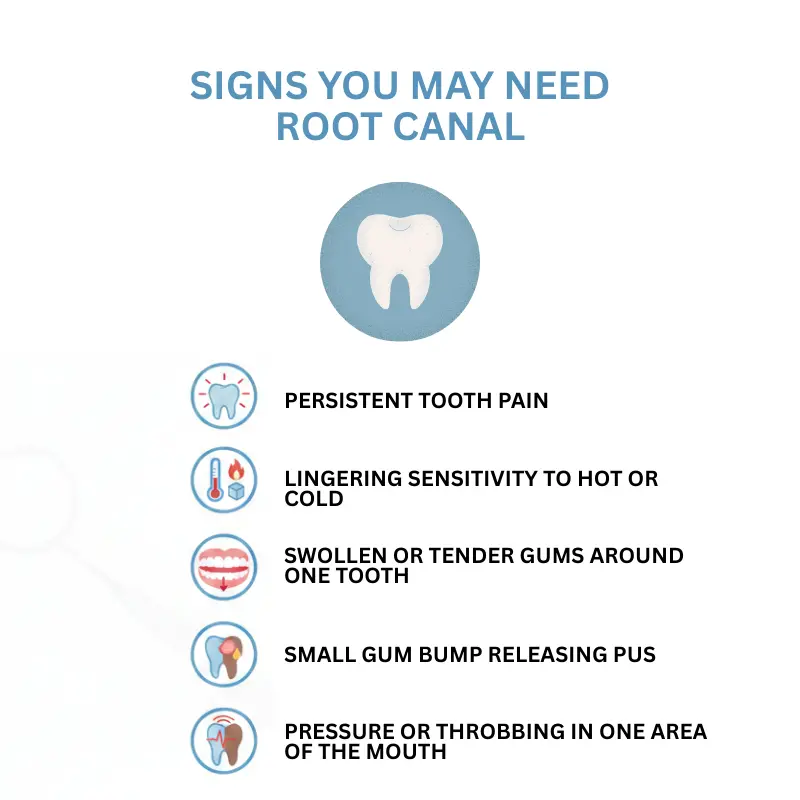
    Signs You May Need a Root Canal

    Many patients wonder how to tell whether their tooth pain is temporary or something more serious. While only a dentist can confirm the diagnosis through a clinical examination and an X-ray, certain warning signs strongly indicate that the inner pulp or nerve of the tooth may be infected.

    If you experience any of the following symptoms, it may be time to seek professional evaluation:

    • Persistent tooth pain that does not improve or keeps returning
    • Sensitivity to heat or cold that lingers even after the source is removed
    • Pain while chewing or when applying pressure to the tooth
    • Swollen, inflamed, or tender gums around a specific tooth
    • A small bump on the gum that may release pus
    •  Darkening or discoloration of the affected tooth
    • A feeling of pressure or throbbing in one area of the mouth
    When Is a Root Canal Truly Necessary?

    When Is a Root Canal Truly Necessary?

    A root canal is recommended when the pulp inside the tooth becomes infected or severely inflamed. This commonly happens due to:

    Deep untreated cavities
    Cracked or fractured teeth
    Repeated dental procedures on the same tooth
    Trauma or injury
    Severe decay reaching the nerve

    The purpose of a root canal is not to remove the tooth. It is to save it.

    During the procedure, the infected tissue is carefully removed. The canal is cleaned, disinfected, and sealed. In most cases, a crown is placed afterward to restore strength and function.

    Saving your natural tooth helps maintain proper chewing, prevents the shifting of nearby teeth, and protects long-term oral health.

    What Happens If You Delay Root Canal Treatment?

    Delaying treatment is one of the most common reasons minor dental infections turn into major problems.

    An untreated tooth infection can:

    • Spread to the surrounding bone
    • Cause an abscess
    • Lead to facial swelling
    • Create severe pain
    • Result in tooth loss
    • Require more complex and expensive treatment later

    In rare but serious cases, untreated dental infections can affect overall health.

    Choosing early root canal treatment in Sharjah is often simpler, less painful, and more affordable than waiting until the condition worsens.

    Is Root Canal Treatment Painful?

    This is the most common fear.

    Modern dentistry has completely changed the root canal experience. With effective local anesthesia and advanced equipment, most patients report that the procedure feels similar to getting a filling.

    In fact, the pain many people associate with root canals usually comes from the infection itself, not the treatment. Once the infected tissue is removed, the pain is relieved.

    At C Dental Clinics in Sharjah, we focus on gentle techniques, accurate diagnosis, and patient comfort. Our goal is not only to treat the tooth but also to ensure you feel calm and reassured throughout your visit.

    Are There Alternatives to a Root Canal?

    If the infection is caught very early and the pulp is still healthy, a filling or crown may be enough.

    However, once the nerve becomes infected, the realistic options are:

    Root canal treatment to save the tooth
    Extraction of the tooth

    While removing the tooth eliminates the infection, it creates a gap that usually requires replacement with an implant or bridge. These treatments are more complex and may cost more in the long term.

    Preserving your natural tooth with a root canal is often the healthiest and most conservative solution.

    How Much Does Root Canal Treatment Cost in Sharjah?

    The cost depends on the complexity of the case and which tooth is affected. Molars are typically more complex than front teeth due to multiple canals.

    At C Dental Clinics, we provide a full examination and a clear treatment plan before starting. Transparency is important. Our team ensures you understand your options, timeline, and costs before proceeding.

    Early treatment usually costs less than managing advanced complications.

    Root Canal Treatment at C Dental Clinics in Sharjah

    At C Dental Clinics, every root canal procedure begins with a detailed consultation and digital imaging. Accurate diagnosis ensures that treatment is only recommended when truly necessary.

    Our experienced dental team uses modern techniques designed to:

    • Remove infection effectively
    • Preserve natural tooth structure
    • Minimize discomfort
    • Restore long-term function

    We believe in conservative dentistry and patient education. If a root canal is not needed, we will tell you. If it is necessary, we will guide you through every step with clarity and care.

    When Should You See a Dentist Immediately?

    Do not wait if you experience:

    1. Severe tooth pain lasting more than two days
    2. Swelling in your gums or face
    3. Difficulty chewing
    4. Persistent sensitivity
    5. Signs of pus or abscess

    A simple dental examination and X-ray can quickly determine whether root canal treatment in Sharjah is required or if a less invasive solution is possible.

    Frequently Asked Questions

    Q: Can a tooth infection go away without treatment?

    A: No. Once the infection reaches the inner nerve of the tooth, it cannot heal on its own. The pain may temporarily reduce, but the infection can continue spreading beneath the surface.

    Q: How can I tell if my tooth pain is serious?

    A: Pain that is constant, worsening, or keeps returning is a warning sign. Lingering sensitivity, swelling, pain while chewing, or a pimple on the gums usually indicate infection and should be checked by a dentist.

    Q: Is a root canal the only option for an infected tooth?

    A: If the nerve is infected, the realistic options are a root canal to save the tooth or extraction. A root canal is usually preferred because it preserves your natural tooth and oral function.

    Q: Is root canal treatment painful?

    A: With modern anesthesia and techniques, most patients feel little to no pain during the procedure. In fact, the treatment relieves the pain caused by the infection.

    Q: What happens if I delay root canal treatment?

    A: Delaying treatment can allow the infection to spread, leading to abscesses, bone damage, severe pain, or eventual tooth loss. Early treatment is safer and more predictable.

    The Right Step at the Right Time

    Tooth infections rarely heal on their own once the inner nerve is involved. Waiting may provide temporary relief, but it does not solve the underlying problem.

    The earlier the infection is treated, the easier and more predictable the outcome. Saving your natural tooth protects your smile, your comfort, and your long term oral health.

    If you are unsure whether you need a root canal, schedule a consultation at C Dental Clinics in Sharjah. A clear diagnosis can give you peace of mind and prevent small issues from becoming serious complications.

    Your comfort, health, and confidence are always our priority.

    👉 Book your appointment today with C Dental Clinics and take the first step toward a healthier smile!

    References

    1. When Is a Root Canal Necessary? Signs You Shouldn’t Ignore– Sumit Dental Clinic
    2. Can a Tooth That Needs a Root Canal Heal Itself?– Midtown Endodontist
    3. Can Tooth Root Problems Heal by Themselves?– Empire Dental Care.
    4. Do You Really Need a Root Canal? 10 Warning Signs– Teeth Care Dental Clinic

    Please subscribe to our social channels for updates related to dental care and oral health.

    Instagram:  cdental2025
    Facebook:  CDental 
    YouTube: C-Dental Clinic
  • Wisdom Teeth Removal: Symptoms, Costs, and When to See a Dentist

    Wisdom Teeth Removal: Symptoms, Costs, and When to See a Dentist

    Wisdom teeth are the last set of molars that usually erupt between the ages of 17 and 25. While some people experience no issues, many patients in Sharjah struggle with pain, swelling, or infection due to impacted wisdom teeth. At C Dental Clinic, we frequently treat patients dealing with discomfort caused by partially erupted or misaligned third molars. Understanding the warning signs and treatment options can help you act early and prevent serious complications.

    What Are Wisdom Teeth?

    Wisdom teeth are the third molars located at the back of your mouth. Because modern jaws are often smaller, there may not be enough space for these teeth to erupt properly. When they don’t emerge fully or grow at an angle, they become impacted, leading to pain and infection.

    Common Symptoms of Problematic Wisdom Teeth

    Common Symptoms of Problematic Wisdom Teeth

    Many patients ignore early symptoms, thinking the pain will go away on its own. However, untreated wisdom tooth issues can worsen quickly.

    Look out for:

    • Persistent pain in the back of the mouth
    • Swollen or bleeding gums
    • Jaw stiffness or difficulty opening your mouth
    • Bad breath or unpleasant taste
    • Headaches or ear pain
    • Swelling around the jaw

    If you experience any of these symptoms, a dental evaluation is recommended immediately.

    Why Wisdom Teeth Often Need Removal?

    Not all wisdom teeth require extraction. However, removal is commonly advised when:

    1. They are impacted – trapped under the gum or bone.
    2. They grow sideways – pushing against nearby teeth.
    3. They cause infection, leading to gum inflammation (pericoronitis).
    4. They increase the risk of cavities – hard-to-clean areas trap food and bacteria.
    5. They cause crowding – affecting orthodontic results.

    Early removal is often easier and involves quicker recovery compared to waiting until complications develop.

    Types of Wisdom Tooth Impaction

    Dentists classify impacted wisdom teeth into different types:

    • Mesial impaction – tilted toward the front of the mouth (most common)
    • Distal impaction – tilted toward the back
    • Vertical impaction – straight but stuck under the gum
    • Horizontal impaction – lying completely sideways

    The treatment plan depends on the position and depth of the tooth.

    How is Wisdom Tooth Removal Done?

    The procedure varies depending on whether the tooth is fully erupted or impacted.

    Simple Extraction
    If the tooth has fully erupted, it can be removed with standard extraction techniques under local anesthesia.

    Surgical Extraction
    For impacted teeth, a small incision is made in the gum. Sometimes the tooth is divided into smaller sections for easier removal. The area is then cleaned and stitched if needed.

    The procedure is typically quick, and most patients return home the same day.

    Is Wisdom Tooth Removal Painful?

    Modern dental techniques make the procedure comfortable. Local anesthesia numbs the area completely. For anxious patients, sedation options may also be available.

    Post-procedure discomfort is normal but manageable with prescribed medication. Swelling usually peaks within 48 hours and gradually reduces.

    Recovery Timeline After Extraction

    Here’s what most patients can expect:

    • Day 1–2: Mild swelling and discomfort
    • Day 3–4: Swelling begins to reduce
    • 1 Week: Stitches removed (if non-dissolvable)
    • 2 Weeks: Gums mostly healed

    Following aftercare instructions—such as avoiding straws, smoking, and hard foods—helps prevent dry socket, a painful complication.

    Cost of Wisdom Teeth Removal in Sharjah

    The cost depends on several factors:

    • Complexity of impaction
    • Number of teeth removed
    • Need for surgical extraction
    • Type of anesthesia used

    Simple extractions cost less than surgical procedures. A proper dental consultation with X-rays is required for an accurate estimate.

    When Should You See a Dentist?

    When Should You See a Dentist?

    You should schedule an appointment if:

    • Pain lasts more than 2–3 days
    • Swelling spreads to the face or neck
    • You develop a fever
    • You notice pus or severe bad breath
    • You feel pressure affecting nearby teeth

    Delaying treatment can lead to serious infections or damage to adjacent teeth.

    When Is Wisdom Tooth Removal Necessary?

    Wisdom tooth removal becomes necessary when the tooth is causing pain, infection, or has a high risk of future complications. One of the most common reasons is impaction, where the tooth does not have enough space to erupt properly and becomes trapped under the gum or bone. Impacted wisdom teeth can press against nearby molars, leading to pain, swelling, jaw stiffness, and even damage to surrounding teeth.

    Removal is also recommended if there are repeated gum infections (pericoronitis), cyst formation around the tooth, tooth decay that cannot be properly cleaned, or bone loss affecting adjacent teeth. In some cases, even if there are no current symptoms, dentists may advise preventive removal when X-rays show that the wisdom tooth is likely to cause problems in the future. Early removal is generally simpler, involves faster healing, and reduces the risk of complex surgical procedures later on.

    Frequently Asked Questions

    Q: How long does wisdom tooth removal take?

    A: A simple wisdom tooth extraction usually takes 20 to 30 minutes. Surgical removal of an impacted wisdom tooth may take 30 to 60 minutes, depending on the tooth’s position and complexity. Most patients return home the same day.

    Q: What is the recovery time after wisdom tooth removal?

    A: Initial healing typically takes about 7 to 10 days. Swelling and discomfort are most noticeable during the first 2 to 3 days and gradually improve. Complete bone healing may take several weeks.

    Q: Is it safe to delay wisdom tooth removal?

    A: Delaying removal can increase the risk of infection, cyst formation, damage to nearby teeth, and more complicated surgery later. If your dentist recommends extraction due to impaction or recurring infection, timely treatment is usually advised.

    Q: What should I avoid after wisdom tooth extraction?

    A: After the procedure, avoid smoking, using straws, spitting forcefully, and eating hard or crunchy foods for several days. Following proper aftercare instructions reduces the risk of dry socket and promotes faster healing.

    Final Thoughts

    Wisdom teeth problems are common but manageable with timely care. Ignoring symptoms can lead to infection, severe pain, and costly treatments later. If you are experiencing discomfort or want to assess your wisdom teeth, scheduling a consultation can provide clarity and peace of mind.

    Early diagnosis, proper imaging, and expert care ensure a smooth and safe removal process with minimal complications.

    👉 Book a consultation today to have your wisdom teeth evaluated and receive clear guidance on the next steps for safe and effective treatment.

    Call to Action Button of C Dental Clinic

    References

    1. Wisdom tooth removal– Mayo Clinic
    2. Removal of Impacted Wisdom Teeth– British Association of Oral and Maxillofacial Surgeons
    3. Wisdom teeth: Learn More – Should you have your wisdom teeth removed?– National Library of Medicine
    4. Removal of Wisdom Teeth (Third Molars) – BAOS

    Please subscribe to our social channels for updates related to dental care and oral health.

    Instagram:  cdental2025
    Facebook:  CDental 
    YouTube: C-Dental Clinic