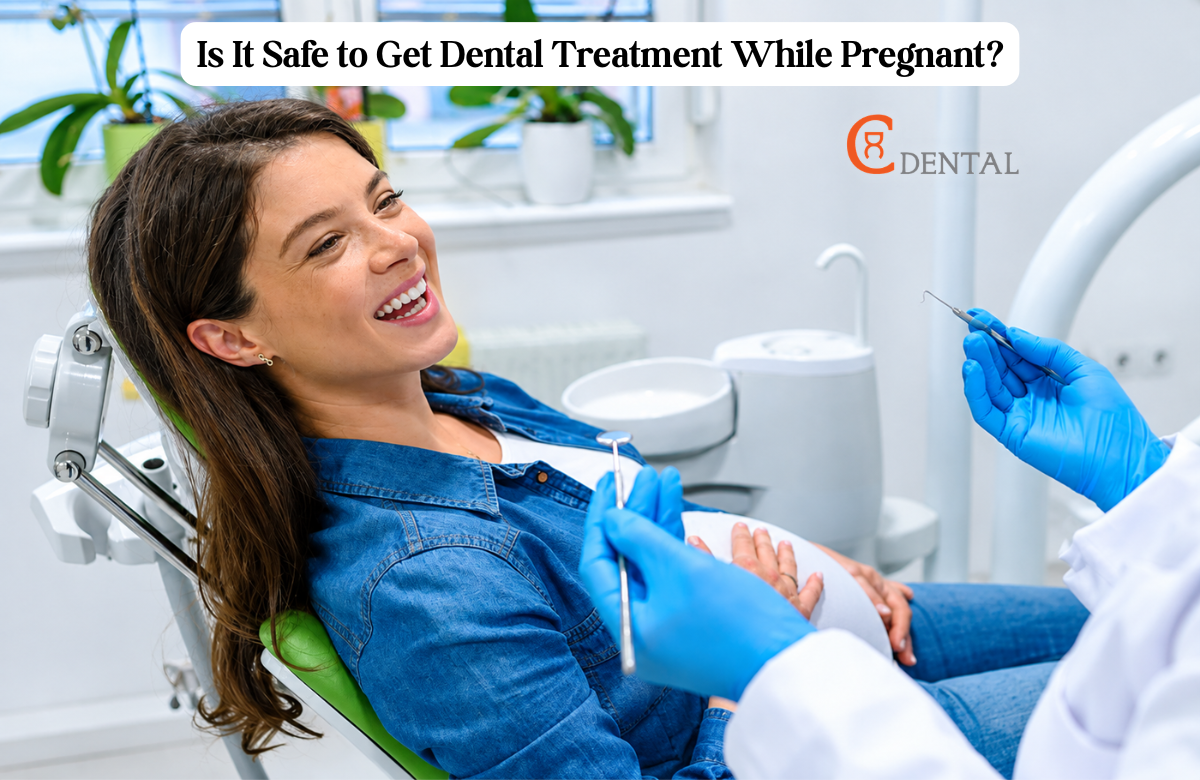

Pregnancy comes with a long list of things to be careful about, and it’s completely understandable that dental care ends up on that list of worries too. Between hearing conflicting advice, wondering about X-rays, and noticing your gums bleed more than they used to, it’s easy to end up avoiding the dentist altogether until after the baby arrives.
The good news, backed clearly by both the American Dental Association and the American College of Obstetricians and Gynecologists, is that dental care is not something you need to put off. In fact, avoiding it can do more harm than the treatment itself ever would.
Why Dental Care Matters Even More During Pregnancy
Pregnancy changes the body in ways that directly affect your mouth, not just your gums but your overall oral health. Hormonal shifts increase blood flow to gum tissue, which is part of why bleeding gums are such a common complaint. Morning sickness introduces stomach acid to your teeth more frequently, which can wear down enamel over time. Even cravings and changed eating patterns can shift how often sugar is sitting on your teeth throughout the day.
None of this means problems are inevitable, but it does mean pregnancy is a period where your mouth genuinely needs more attention, not less. Skipping dental visits during this window is often when small issues quietly turn into bigger ones.
Is Dental Treatment Actually Safe During Pregnancy?
Yes, and this isn’t a soft “probably fine” answer. Both the ADA and ACOG state clearly that regular and emergency dental care, including the use of local anaesthetics and dental X-rays, is safe at any stage of pregnancy. Delaying necessary treatment is generally considered riskier than receiving it, since untreated infections have been linked to complications including preterm birth and low birth weight.
That said, timing does matter for comfort more than safety. Here’s how it typically breaks down:
First trimester: Treatment is safe, but many women find this the hardest time due to nausea. Preventive care and urgent issues are still addressed, but elective procedures are often pushed to the second trimester if there’s no rush.
Second trimester: Generally considered the most comfortable window for dental work. Morning sickness has usually eased, and the pregnancy hasn’t progressed to the point of physical discomfort in the dental chair. This is when most non-urgent treatment, like fillings or cleanings, tends to be scheduled.
Third trimester: Treatment remains safe, but lying flat for extended periods can feel uncomfortable or even cause lightheadedness as the pregnancy progresses. Dentists will usually adjust your position, take more breaks, or keep appointments shorter during this stage. Elective work is often postponed until after delivery, simply for comfort rather than any safety concern.
The one consistent piece of advice across every stage is simple: tell your dentist you’re pregnant, and roughly how far along you are, as early as possible. It shapes decisions about positioning, medication, and timing.
Pregnancy Gum Bleeding: Why It Happens

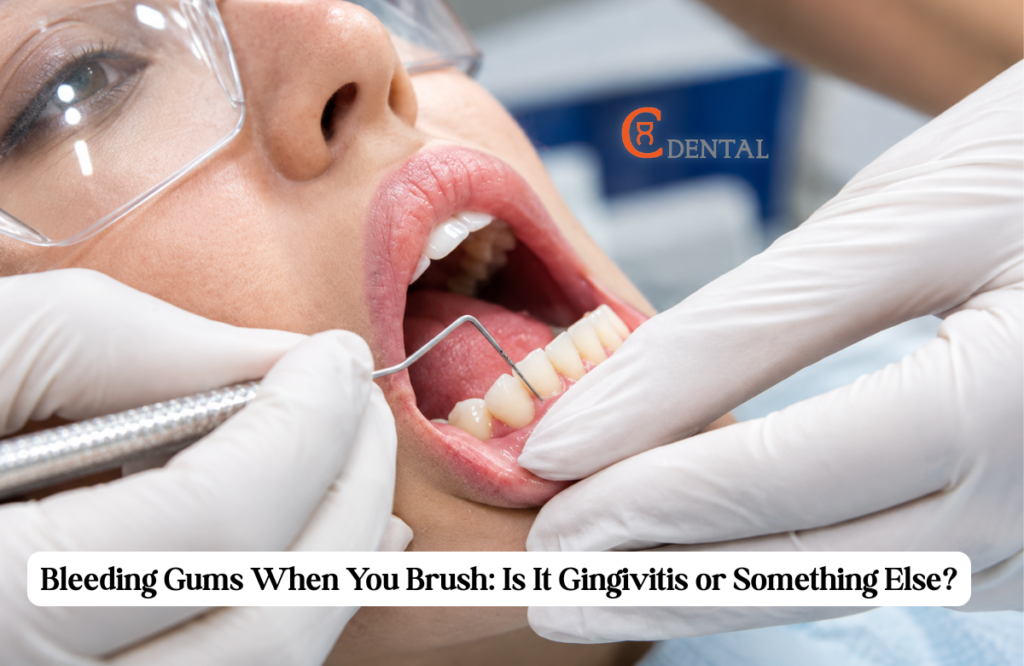
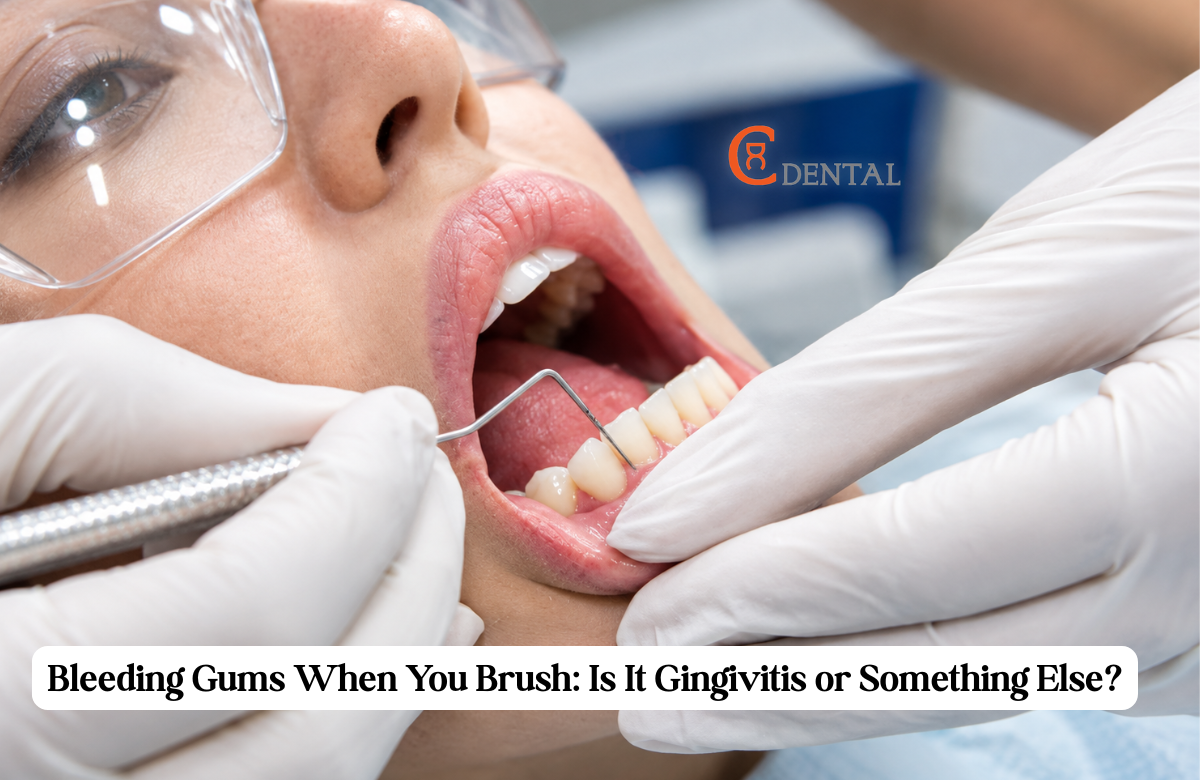
If you’ve noticed your gums bleeding more when you brush or floss, you’re far from alone. This is common enough that it has its own name, pregnancy gingivitis, and it affects a significant number of expectant mothers, usually starting around the second month and often peaking in the third trimester.
The cause comes down to hormones. Increased progesterone and estrogen levels heighten blood flow to gum tissue and change how your body responds to the bacteria in plaque, making gums more prone to inflammation, redness, and bleeding even when your oral hygiene routine hasn’t changed at all.
A few things help manage it:
- Brushing gently but thoroughly, twice a day, rather than skipping brushing to avoid triggering bleeding
- Flossing daily, even if it causes some bleeding at first, since consistent flossing actually reduces inflammation over time
- Using a soft-bristled toothbrush to minimize irritation
- Keeping up with professional cleanings, which are safe and genuinely helpful during pregnancy
It’s worth taking seriously rather than dismissing as a normal pregnancy symptom to just wait out. Left unmanaged, pregnancy gingivitis can occasionally progress into more significant gum disease, which is part of why dentists recommend staying on schedule with cleanings rather than skipping them.
What About Dental X-Rays During Pregnancy?
This is probably the single biggest source of anxiety for pregnant patients, and it’s worth addressing directly. Dental X-rays are considered safe during pregnancy when clinically necessary. The radiation dose involved in a dental X-ray is extremely low, and with a properly fitted lead apron covering the abdomen and a thyroid collar protecting the neck, exposure to the rest of the body is minimal.
According to the American College of Radiology, no single diagnostic X-ray carries a radiation dose significant enough to cause harm to a developing baby. Routine X-rays that aren’t urgently needed are sometimes postponed simply out of caution or personal preference, but when an X-ray is genuinely needed to diagnose or treat a problem, such as identifying the cause of tooth pain or planning treatment for an infection, it’s considered a safe and appropriate part of care.
What About Medications and Anesthesia?
Local anaesthetics commonly used in dental procedures, including lidocaine, are considered safe for pregnant patients at standard dental doses. If antibiotics are needed, options like amoxicillin and penicillin are generally considered safe choices, though your dentist will factor in your specific situation and may coordinate with your obstetrician if needed. Pain relief options are also carefully chosen. Acetaminophen is typically fine when used as directed, while NSAIDs like ibuprofen are usually avoided, particularly later in pregnancy.
None of these decisions need to be made on your own. Your dentist will walk you through exactly what’s being used and why, and will always have the full picture of your pregnancy before recommending anything.
What You Can Do at Home
Alongside professional care, a few daily habits go a long way during pregnancy:
- Stick to a consistent brushing and flossing routine, even when gums feel sensitive
- Rinse your mouth with water after vomiting from morning sickness, rather than brushing immediately, since enamel is temporarily softened by stomach acid right after
- Keep sugary snacking in check where possible, especially with frequent small meals
- Don’t skip your regular dental check-up simply because you’re pregnant
Frequently Asked Questions
Q: Can I get a filling or root canal while pregnant?
A: Yes, both are considered safe procedures during pregnancy, and treating an active infection or cavity is generally recommended rather than delayed, since untreated dental problems carry their own risks.
Q: Is it safe to have my teeth cleaned while pregnant?
A: Yes, routine cleanings are not only safe but encouraged, especially given how common pregnancy gingivitis is.
Q: Should I avoid dental visits in the first trimester?
A: Not necessarily for safety reasons, though many women prefer to wait until the second trimester simply because nausea makes appointments harder to manage comfortably. Urgent issues shouldn’t wait regardless of trimester.
Q: Will dental X-rays harm my baby?
A: With proper shielding, dental X-rays carry an extremely low radiation dose and are considered safe when clinically necessary, according to both the ADA and the American College of Radiology.
Q: Why are my gums suddenly bleeding during pregnancy?
A: This is usually pregnancy gingivitis, caused by hormonal changes that increase blood flow and sensitivity in gum tissue. It’s common, manageable, and worth mentioning to your dentist rather than ignoring.
Dental Care During Pregnancy at C Dental Clinic

At C Dental Clinic in Al Nahda, Sharjah, we understand that pregnant patients often arrive with more questions than usual, and that’s completely reasonable given how much conflicting information is out there. Every visit takes your stage of pregnancy into account, from positioning and timing to which medications, if any, are appropriate for your care.
If you’re pregnant and dealing with gum bleeding, tooth pain, or simply need a routine check-up, there’s no reason to wait until after delivery.
👉 Book a consultation at C Dental Clinic to discuss safe dental care throughout your pregnancy.

Leave a Reply