Blog

  • Tooth Pain That Comes and Goes: When Should You Visit a Dentist in Sharjah?

    Tooth Pain That Comes and Goes: When Should You Visit a Dentist in Sharjah?

    Understanding Intermittent Tooth Pain: Early Care Matters

    Tooth pain that comes and goes is often easy to overlook. Many people assume that if the discomfort isn’t constant, it isn’t serious. However, intermittent tooth pain can be an early sign of an underlying dental issue, such as tooth decay, gum inflammation, or a developing infection.

    At C Dental in Sharjah, we frequently see patients who delayed treatment because the pain seemed minor at first. Addressing these early warning signs can prevent more complex procedures, like root canals or crowns, and help maintain long-term oral health.

    Our experienced team takes a thorough, patient-centered approach. We carefully examine your teeth and gums, take X-rays if necessary, and identify the root cause of the discomfort. From preventive care to tailored treatments, we focus on protecting your smile and preserving your natural teeth.

    Even occasional or mild pain is worth checking. Early intervention allows us to provide effective solutions, minimize discomfort, and reduce the risk of future complications. At C Dental, your dental health is our priority, and we are committed to providing safe, professional, and compassionate care in every visit.

    Why Does Tooth Pain Come and Go?

    Why Does Tooth Pain Come and Go?

    Pain that is not constant usually has specific triggers. It may appear while eating, drinking, or chewing, and then fade away. Some of the most common causes include:

    Tooth Sensitivity

    When enamel wears down or gums recede, the inner layer of the tooth becomes exposed. This can cause short bursts of pain when consuming hot, cold, sweet, or acidic foods.

    Early Tooth Decay

    In the early stages, cavities may not cause continuous pain. Instead, discomfort may occur only when food particles reach the affected area.

    Cracked or Damaged Teeth

    Small cracks or worn fillings may cause pain only when pressure is applied, such as while chewing. Once the pressure is gone, the pain subsides.

    Gum Problems

    Inflamed or receding gums can expose sensitive areas of the tooth, leading to occasional discomfort that comes and goes.

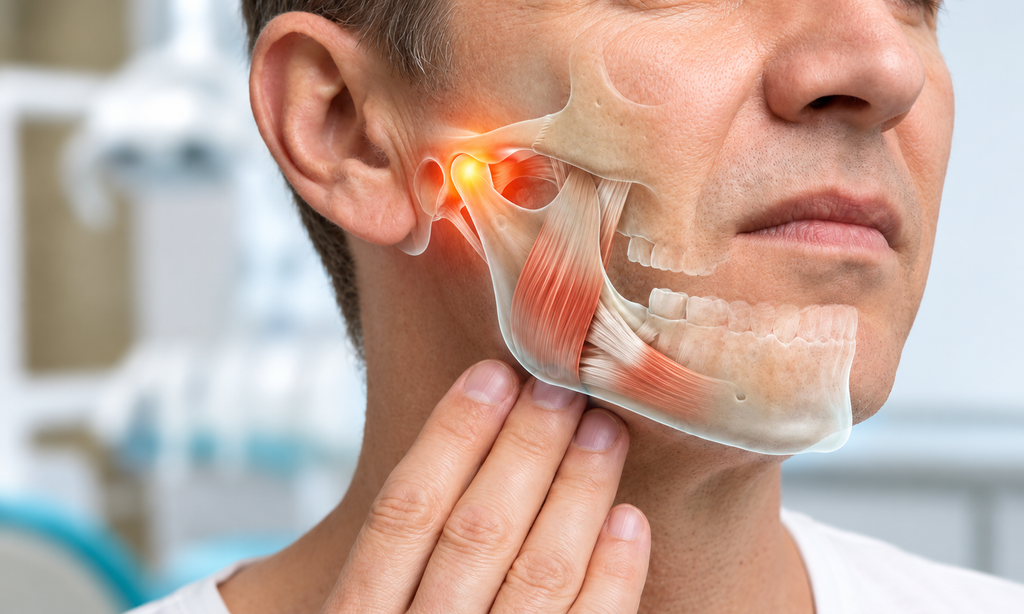
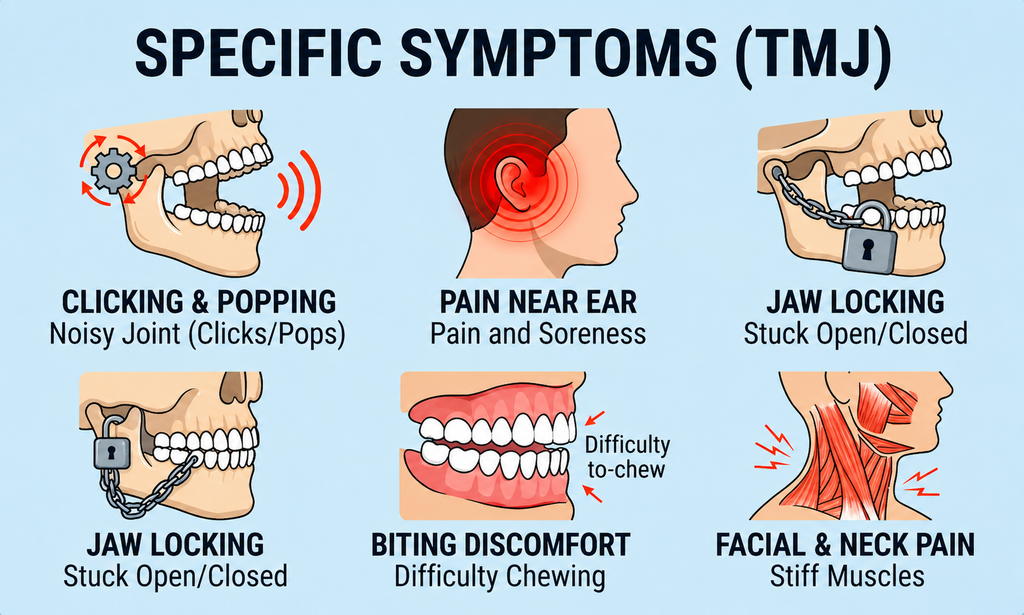
    Teeth Grinding or Jaw Stress

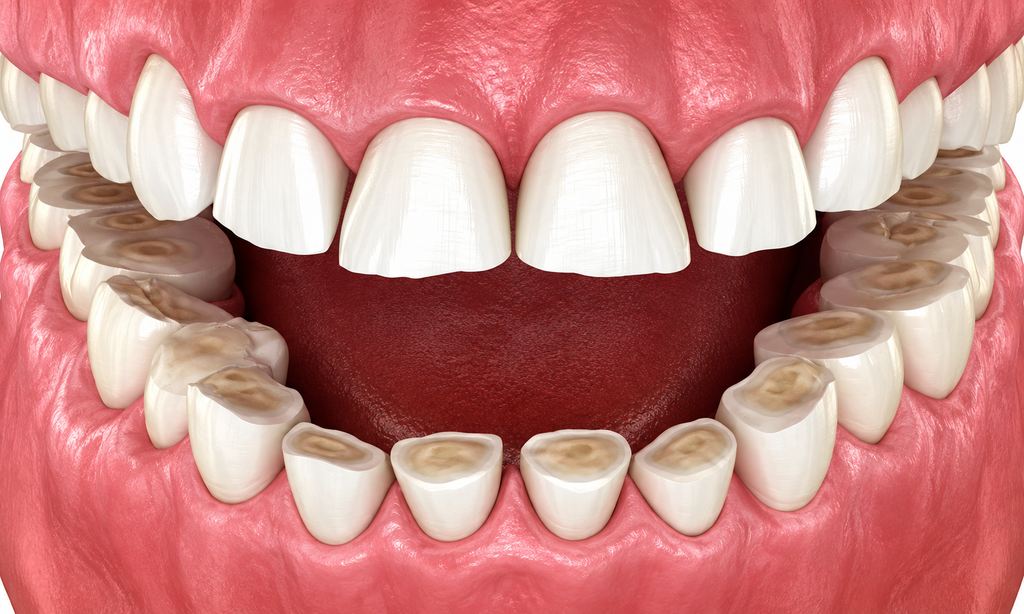
    Grinding or clenching, often during sleep, can strain teeth and cause intermittent pain without obvious signs of damage.

    Common Triggers to Watch For

    If your tooth pain appears occasionally, notice what brings it on. Common triggers include:

    • Hot or cold foods and beverages
    • Sweet or acidic items
    • Chewing on one side of the mouth
    • Sudden temperature changes
    • Stress-related jaw clenching

    These patterns are valuable clues for your dentist during diagnosis.

    Is Intermittent Tooth Pain Serious?

    Yes, it can be. Pain that comes and goes does not mean the problem has resolved. In many cases, the nerve has not yet been fully affected, which is why the pain feels temporary. Without treatment, the condition may progress and result in infection, severe pain, or the need for more extensive procedures.

    You should consult a dentist in Sharjah if:

    • The pain is recurring or increasing in frequency
    • Discomfort occurs when chewing or biting
    • You notice swelling, bleeding gums, or a bad taste
    • Sensitivity lingers after hot or cold exposure

    Early treatment is always simpler, faster, and more cost-effective.

    Expert Dental Care in Sharjah: Early Attention Matters

    If you’re experiencing recurring tooth pain, visiting a dentist in Sharjah can help identify the problem before it becomes serious. During your visit, a dentist will:

    • Examine your teeth and gums carefully to check for any signs of decay or infection.
    • Use X-rays when needed to detect hidden issues that aren’t visible to the eye.
    • Find the root cause of your discomfort to tailor the right treatment.
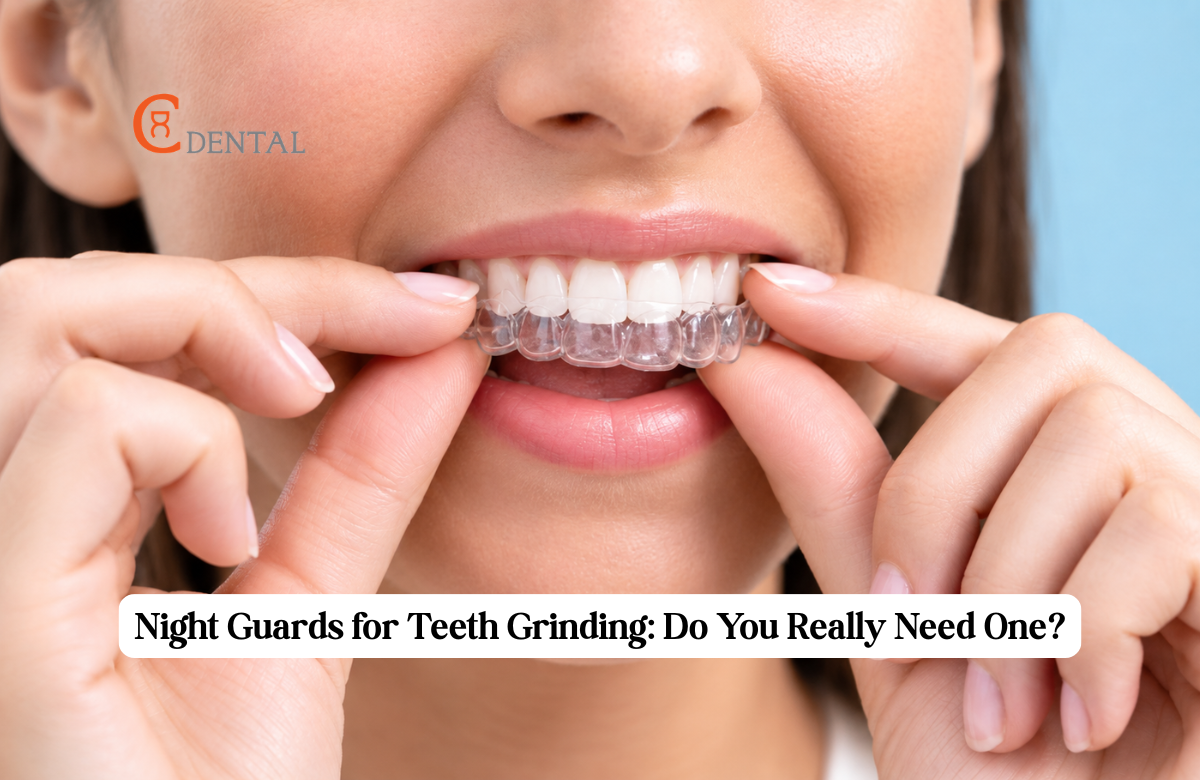
    • Recommend gentle, effective care like fillings, crowns, gum treatments, or protective night guards.

    Addressing dental issues early can often prevent more invasive treatments, such as root canals, and help preserve your natural teeth.

    Why Does Tooth Pain Come and Go?

    What You Can Do Until Your Appointment?

    While waiting to see your dentist, you can reduce discomfort by:

    • Avoiding extreme temperatures in food and drinks
    • Maintaining gentle brushing and flossing
    • Rinsing with warm salt water
    • Avoiding chewing on the affected side

    These steps provide temporary relief but do not replace professional care.

    Frequently Asked Questions

    Q: Is tooth pain that comes and goes normal?

    A: Occasional tooth pain is common, but pain that repeatedly comes and goes is not normal. It often indicates an underlying issue such as tooth sensitivity, early decay, gum problems, or a cracked tooth. A dentist in Sharjah can identify the cause before it worsens.

    Q: Can intermittent tooth pain go away on its own?

    A: In some cases, the pain may temporarily stop, but the underlying problem usually remains. Without proper treatment, the issue can progress and lead to infection or constant pain over time.

    Q: How long should I wait before seeing a dentist in Sharjah?

    A: If tooth pain returns more than once, lasts longer each time, or becomes more intense, you should see a dentist as soon as possible. Early treatment is simpler and helps prevent more serious dental procedures.

    Q: Can stress cause tooth pain that comes and goes?

    A: Yes. Stress can lead to teeth grinding or jaw clenching, especially during sleep. This can strain teeth and cause intermittent pain. A dentist may recommend a night guard to protect your teeth.

    Q: Does tooth pain always mean I need a root canal?

    A: No. Intermittent tooth pain often means the problem is still in an early stage. Many cases can be treated with fillings, gum care, or minor procedures if addressed early by a dentist in Sharjah.

    Q: Should I take painkillers for intermittent tooth pain?

    A: Painkillers can provide temporary relief, but do not treat the cause. Relying on medication may delay proper diagnosis and allow the problem to worsen. A professional dental evaluation is always recommended.

    Q: Can gum problems cause tooth pain that comes and goes?

    A: Yes. Gum inflammation or recession can expose sensitive parts of the tooth, leading to occasional discomfort. Treating gum issues early can prevent further sensitivity and damage.

    Final Thoughts

    Tooth pain that comes and goes is often your body’s early warning system, letting you know that something beneath the surface needs attention. While the discomfort may seem minor or manageable at first, ignoring it can allow small dental issues to develop into painful and costly problems.

    If you are experiencing recurring tooth pain, scheduling a timely check-up with a trusted dentist in Sharjah can make a significant difference. Early diagnosis not only helps relieve discomfort but also prevents complications that may require more complex treatment later.

    👉 Book a dental consultation today and take the first step toward protecting your oral health, restoring comfort, and enjoying long-term peace of mind.

    Call to Action Button of C Dental Clinic

    References

    1. Throbbing Tooth Pain That Comes and Goes — Get a Full Help Guide – My Local Dentists Northmead
    2. Toothache That Comes and Goes — What Does It Mean?– Downtown Dental
    3. Tooth Pain That Comes and Goes: Should You Be Concerned? -NY Implant Dentistry
    4. Tooth Pain That Comes and Goes: Should You Worry?– Clover Smile Studio
  • Invisalign vs Braces: Which Is the Best Choice for Your Smile?

    Invisalign vs Braces: Which Is the Best Choice for Your Smile?

    Call to Action for Blog

    Deciding to straighten your teeth is an important step toward better oral health and confidence. However, choosing between Invisalign and traditional braces can feel overwhelming, especially when factors like appearance, comfort, cost, and treatment time come into play.

    Both Invisalign and braces are proven orthodontic solutions. The right option depends on your dental condition, lifestyle, and long-term goals. This guide explains the differences clearly, helping you make an informed decision.

    What Are Braces?

    What Are Braces?

    Braces are a traditional orthodontic treatment used to correct misaligned teeth, gaps, and bite problems. They work by applying gentle, continuous pressure to gradually move teeth into their correct positions.

    Types of Braces

    • Metal braces – Strong and effective, commonly used for complex cases
    • Ceramic braces – Similar to metal braces but less noticeable
    • Lingual braces – Placed behind the teeth; suitable only for select cases

    Braces are commonly recommended for:

    • Moderate to severe alignment issues
    • Bite correction problems
    • Patients who prefer a fixed, non-removable option

    Because braces work continuously, they do not depend on patient compliance, making them highly effective.

    What Is Invisalign?

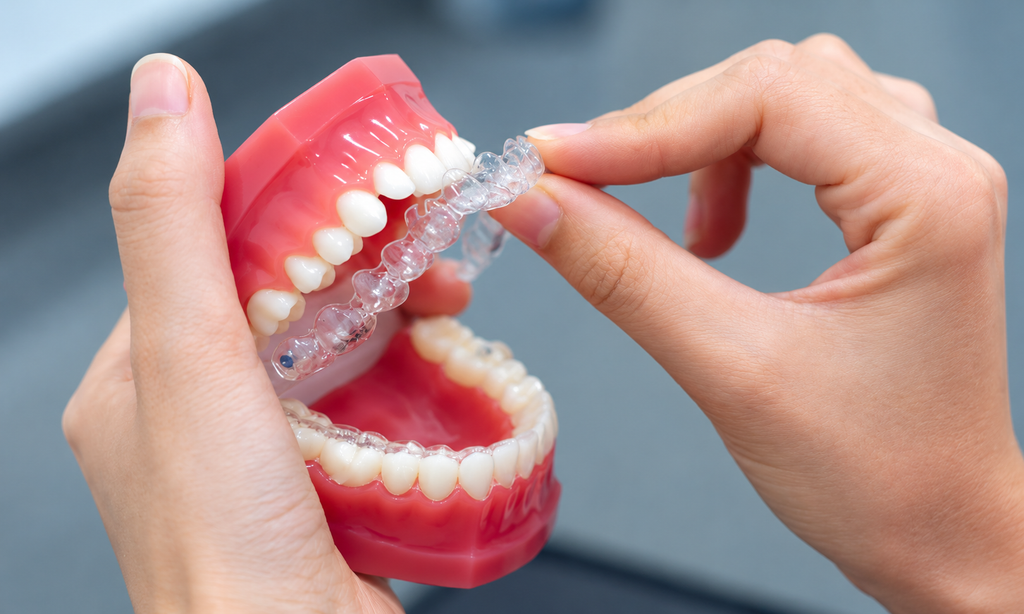
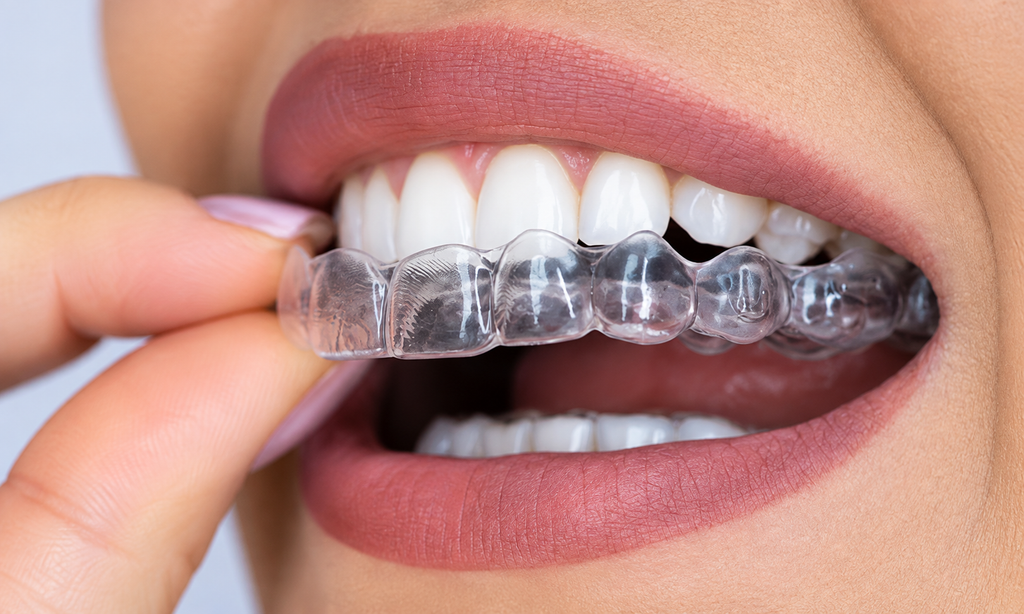
    Invisalign is an orthodontic treatment that uses a series of clear, removable aligners to straighten teeth over time. Each set of aligners is custom-designed and replaced every few weeks as the teeth gradually move.

    Key features of Invisalign:

    • Nearly invisible appearance
    • Removable for eating and cleaning
    • Digitally planned treatment using advanced scanning technology

    Invisalign is often suitable for:

    • Mild to moderate alignment concerns
    • Adults and teenagers seeking a discreet option
    • Patients who can commit to wearing aligners 20–22 hours per day

    Invisalign vs Braces: A Clear Comparison

    FeatureBracesInvisalign
    AppearanceVisible brackets and wiresNearly invisible
    ComfortInitial soreness possibleSmooth and comfortable
    RemovableNoYes
    Eating restrictionsYesNo
    Oral hygieneRequires extra careEasier brushing and flossing
    Treatment suitabilityAll cases, including complexMild to moderate cases
    Compliance requiredNoYes

    Pros and Cons of Braces

    Advantages

    • Effective for nearly all orthodontic cases
    • Ideal for complex alignment and bite correction
    • No risk of forgetting to wear them

    Limitations

    • Visible appearance
    • Initial discomfort after adjustments
    • Food restrictions and careful cleaning required

    Pros and Cons of Invisalign

    Advantages

    • Discreet and aesthetically pleasing
    • Removable for meals and social occasions
    • Easier oral hygiene maintenance

    Limitations

    • Must be worn consistently for best results
    • Not suitable for all severe cases
    • Requires patient discipline

    How to Choose the Right Option for You

    There is no universal “better” option. The right treatment depends on individual needs.

    Consider the following:

    • Is appearance a priority for you?
    • Can you commit to wearing aligners daily?
    • Do you have complex bite or alignment issues?
    • Are comfort and convenience important factors?

    A professional evaluation is essential to determine which treatment will deliver the best and safest results for your smile.

    Treatment Time and Cost: What to Expect

    Treatment Duration

    • Braces: Typically 18–24 months
    • Invisalign: Often 12–18 months for suitable cases, depending on complexity

    Cost Considerations

    The cost of orthodontic treatment varies based on:

    • The severity of alignment issues
    • Type of treatment selected
    • Duration of treatment

    During a consultation, patients receive a personalised treatment plan with clear cost details.

    Life During and After Treatment

    • With braces, Certain foods should be avoided, and oral hygiene must be maintained carefully
    • With Invisalign, Aligners should be removed while eating and cleaned regularly
    • Follow-up visits: Regular check-ups are essential to monitor progress
    • After treatment: Retainers are necessary to maintain long-term results

    Consistency and proper care play a crucial role in successful outcomes.

    Frequently Asked Questions

    Q: Does Invisalign hurt more than braces?

    A: Both treatments may cause mild discomfort initially, which usually settles within a few days.

    Q: Can adults choose Invisalign or braces?

    A: Yes. Orthodontic treatment is suitable for adults as well as teenagers.

    Q: Which option is more affordable?

    A: Braces are generally more cost-effective, while Invisalign may cost more depending on the case.

    Q: How do I know which treatment is right for me?

    A: A professional dental consultation is the best way to determine the appropriate option.

    Final Thoughts

    Both Invisalign and braces are reliable orthodontic treatments that can help you achieve a healthier, more confident smile. The right choice depends on your dental condition, lifestyle preferences, and treatment goals.

    There is no shortcut to proper teeth alignment. The best results come from a well-planned treatment approach, expert guidance, and consistent care.

    👉Book a consultation at C Dental Clinic to receive a personalised orthodontic treatment plan designed specifically for your smile.

    Call to Action Button of C Dental Clinic

    References

    1. Invisalign vs. Braces: Which Is Better?– Everyday Health
    2. Invisalign vs Braces: Pros and Cons Explained– McComb Orthodontics
    3. Invisalign vs Braces for Adults Which is Right for You-Valley Dental Care
    4. Invisalign Vs Braces (The Pros and Cons of Each)– The Orthodontists

    Please subscribe to our social channels for updates related to dental care and oral health.

    Instagram:  cdental2025
    Facebook:  CDental 
    YouTube: C-Dental Clinic

  • How to Stop Tooth Pain Fast at Home: A Temporary Relief Guide

    How to Stop Tooth Pain Fast at Home: A Temporary Relief Guide

    Tooth pain can range from mild discomfort to severe, throbbing pain that interferes with sleep, eating, and daily activities. While home remedies may offer short-term relief, they do not treat the underlying cause. If you are experiencing persistent or severe discomfort, it is important to understand both what you can do immediately and when to seek professional dental care.

    This guide provides medically sound, temporary solutions for tooth pain relief at home, along with guidance on when to consult a qualified dentist in Sharjah for definitive treatment.

    Why Tooth Pain Occurs and Why It Should Not Be Ignored

    Why Tooth Pain Occurs and Why It Should Not Be Ignored?

    Tooth pain is typically a symptom of an underlying dental condition. Common causes include dental decay, infection, gum inflammation, cracked teeth, and impacted wisdom teeth. When bacteria penetrate the enamel and reach the inner pulp of the tooth, inflammation develops around the nerve, leading to pain.

    Pain that worsens at night is common due to increased blood flow to the head when lying down, which intensifies pressure within the tooth. While symptoms may temporarily subside, untreated dental issues tend to progress. Early diagnosis significantly increases the likelihood of preserving the natural tooth and avoiding complex procedures.

    How to Stop Tooth Pain Quickly at Home?(Temporary Measures)

    Tooth pain can be uncomfortable, but several home remedies can provide short-term relief. These methods reduce inflammation and discomfort but do not treat underlying infections or structural damage.

    Salt Water Rinse

    Rinse your mouth with warm salt water (½ teaspoon salt in a glass of water) for 30 seconds. It helps reduce bacteria and soothes irritated gums.

    Cold Compress

    Apply a cold compress to the cheek for 15 minutes at a time to reduce swelling and numb pain. Avoid heat if swelling is present.

    Clove Oil

    Apply a small amount of clove oil with a cotton swab directly on the tooth. Eugenol in clove oil acts as a natural anesthetic and antiseptic.

    Hydrogen Peroxide Rinse

    Mix equal parts 3% hydrogen peroxide and water. Swish in your mouth for 30–60 seconds, then spit out. This kills bacteria, reduces plaque, and helps with gum inflammation.

    Garlic

    Crush a garlic clove into a paste and apply it to the affected tooth. Allicin in garlic has antimicrobial properties that can slow bacterial activity.

    Peppermint Tea

    Cool a brewed cup of peppermint tea and swish it around the mouth. Peppermint has natural numbing properties that help relieve pain.

    Onions

    Place a small piece of raw onion on the affected area. Its antimicrobial and antiseptic properties can fight infection and soothe pain.

    Honey and Cinnamon

    Mix five teaspoons of honey with one teaspoon of cinnamon into a paste and apply it to the tooth several times daily. Both ingredients have antimicrobial and anti-inflammatory effects.

    Note: These remedies offer temporary relief. Persistent or severe tooth pain requires professional evaluation.

    What Should Be Avoided During Tooth Pain

    What Should Be Avoided During Tooth Pain?

    Certain actions may aggravate the condition:

    • Applying aspirin directly to the tooth or gum
    • Using hot compresses when swelling is present
    • Ignoring persistent or worsening pain
    • Self-medicating with antibiotics without a prescription
    • Chewing on the affected side

    Persistent symptoms often indicate deeper structural or infectious involvement.

    When Home Remedies Are Not Sufficient

    Home remedies are designed to provide temporary relief from discomfort. They do not address:

    • Advanced tooth decay
    • Dental abscess
    • Nerve infection
    • Deep gum disease

    If pain persists beyond 24–48 hours, intensifies, or returns after temporary relief, professional evaluation is necessary. Delaying treatment can result in more extensive infection and may reduce the likelihood of saving the tooth.

    Signs You Require an Emergency Dentist in Sharjah

    Immediate dental attention is advised if you experience:

    • Facial or jaw swelling
    • Fever accompanying tooth pain
    • Pus or discharge near the tooth
    • Severe, constant throbbing pain
    • Difficulty opening the mouth or swallowing

    These symptoms may indicate infection spreading beyond the tooth. In such cases, consulting an emergency dentist in Sharjah without delay is critical to prevent complications.

    Professional Treatment Options for Tooth Pain

    A comprehensive clinical evaluation will determine the most appropriate course of treatment. At C Dental Clinics, treatment recommendations are based on accurate diagnosis supported by digital imaging and clinical assessment.

    Common treatments include:

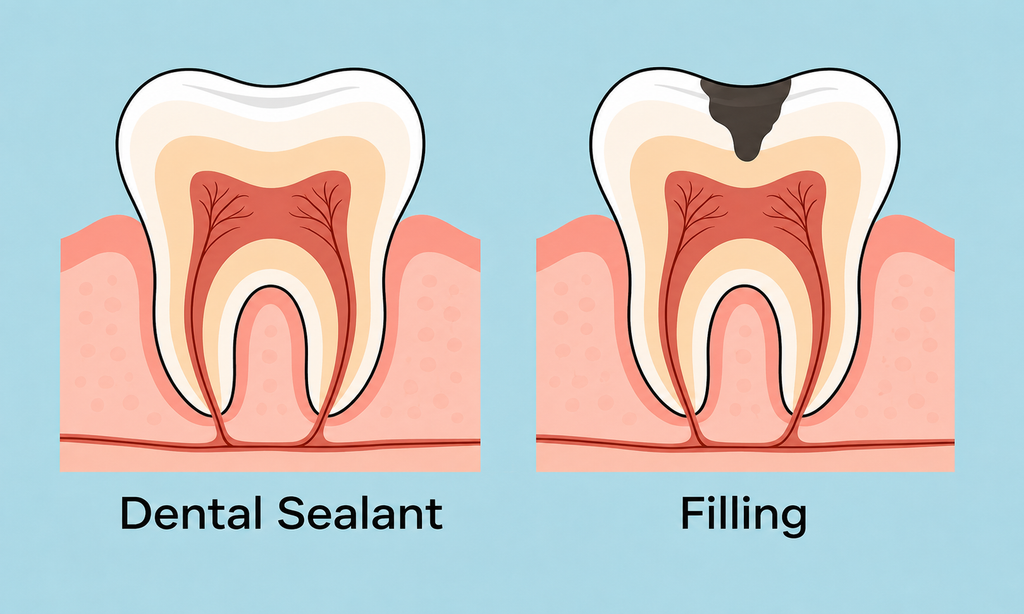
    Dental Filling: For early-stage cavities where decay has not reached the pulp.

    Root Canal Treatment: When infection affects the nerve tissue. A root canal in Sharjah removes infected pulp, disinfects the canal, and preserves the natural tooth structure.

    Extraction: In cases where the tooth cannot be restored.

    Periodontal Therapy: For gum-related causes of pain and inflammation.

    Early intervention often allows for more conservative treatment and better long-term outcomes.

    Emergency Tooth Pain Care at C Dental Clinics

    Dental pain requires a timely and precise diagnosis. At C Dental Clinics, patients experiencing acute discomfort receive:

    • Prompt evaluation
    • Digital X-ray diagnostics
    • Immediate pain management
    • Clear explanation of findings and treatment options

    Our clinical approach prioritizes patient comfort, safety, and preservation of natural teeth whenever possible.

    If you are searching for tooth pain treatment Sharjah or require an urgent consultation with a dentist in Sharjah, professional assessment remains the most reliable path to lasting relief.

    Preventing Future Tooth Pain

    Preventive care is essential in reducing the risk of dental emergencies. We recommend:

    • Brushing twice daily with fluoride toothpaste
    • Daily flossing
    • Limiting sugary foods and beverages
    • Routine dental examinations every six months

    Regular checkups allow early detection of decay or gum disease before pain develops.

    Frequently Asked Questions (FAQs)

    Q: Can tooth pain go away on its own without dental treatment?

    A: Tooth pain may temporarily subside, especially after using home remedies, but it rarely resolves permanently without professional care. Most tooth pain is caused by decay, infection, or gum disease, which tend to worsen over time if left untreated.

    Q: What is the fastest way to relieve tooth pain at home?

    A: For short-term relief, rinsing with warm salt water, applying a cold compress to the cheek, using clove oil sparingly, and taking over-the-counter anti-inflammatory medication can help reduce pain and inflammation. These methods are temporary and do not treat the underlying cause.

    Q: How long is it safe to rely on home remedies for tooth pain?

    A: Home remedies should only be used for temporary relief, typically no longer than 24–48 hours. If pain persists, worsens, or returns after relief, a dental evaluation is necessary to prevent complications.

    Q: When is tooth pain considered a dental emergency?

    A: Tooth pain requires emergency dental care if it is accompanied by facial swelling, fever, pus or discharge, severe, constant throbbing, or difficulty swallowing or opening the mouth. These signs may indicate a spreading infection that requires immediate treatment.

    Q: What dental treatments are commonly used to stop tooth pain permanently?

    A: Permanent relief depends on the diagnosis. Common treatments include dental fillings for cavities, root canal treatment for nerve infections, periodontal therapy for gum disease, or tooth extraction when restoration is not possible. Early treatment often allows more conservative options and better outcomes.

    Conclusion

    Tooth pain is a clinical symptom that should not be overlooked. While temporary home measures may ease discomfort, they do not resolve underlying infection or structural damage.

    If pain persists, worsens, or is accompanied by swelling or fever, seeking prompt professional care is essential. Early treatment not only relieves discomfort but also increases the likelihood of saving the affected tooth.

    👉Book your appointment with C Dental Clinic today, before symptoms worsen.

    References

    1. Toothache Home Remedies– Colgate
    2. Home Remedies for Temporary Tooth Pain Relief– Healthline
    3. Home Remedies for Toothache: Quick Relief from Tooth Pain Naturally Metropolis
    4. Toothache Relief and Home Remedies-WebMD

    Please subscribe to our social channels for updates related to dental care and oral health.

    Instagram:  cdental2025
    Facebook:  CDental 
    YouTube: C-Dental Clinic

  • Do I Really Need a Root Canal or Can It Heal on Its Own?

    Do I Really Need a Root Canal or Can It Heal on Its Own?

    Tooth pain has a way of making us hopeful. We tell ourselves it might settle down tomorrow. Maybe it is just sensitivity. Maybe it will pass. But when the pain keeps coming back or starts getting worse, that small hope turns into worry.

    Many patients in Sharjah delay treatment because they are afraid of needing a root canal. The word itself sounds intimidating. But understanding what is really happening inside your tooth can help you make the right decision at the right time.

    If you are wondering whether a tooth infection can heal naturally or whether you truly need root canal treatment in Sharjah, this guide will give you clear and honest answers.

    Can a Tooth Infection Heal on Its Own?

    In very early stages of tooth decay, when only the outer enamel is affected, the damage can sometimes be stopped. Good oral hygiene, fluoride treatments, and early fillings may prevent further progression.

    However, once bacteria reach the inner pulp of the tooth, healing on its own is no longer possible. The pulp contains nerves and blood vessels. When it becomes infected, the body cannot repair it because the blood supply inside the infected space becomes compromised.

    According to the American Association of Endodontists, infected dental pulp requires professional treatment. It does not reverse naturally.

    Sometimes the pain may temporarily reduce. This can happen if the nerve inside the tooth dies. But this does not mean the infection is gone. In fact, it may continue spreading silently to the surrounding bone.

    At this stage, root canal treatment becomes necessary to remove infection and save the natural tooth.

    Signs You May Need a Root Canal

    Signs You May Need a Root Canal

    Many patients wonder how to tell whether their tooth pain is temporary or something more serious. While only a dentist can confirm the diagnosis through a clinical examination and an X-ray, certain warning signs strongly indicate that the inner pulp or nerve of the tooth may be infected.

    If you experience any of the following symptoms, it may be time to seek professional evaluation:

    • Persistent tooth pain that does not improve or keeps returning
    • Sensitivity to heat or cold that lingers even after the source is removed
    • Pain while chewing or when applying pressure to the tooth
    • Swollen, inflamed, or tender gums around a specific tooth
    • A small bump on the gum that may release pus
    •  Darkening or discoloration of the affected tooth
    • A feeling of pressure or throbbing in one area of the mouth
    When Is a Root Canal Truly Necessary?

    When Is a Root Canal Truly Necessary?

    A root canal is recommended when the pulp inside the tooth becomes infected or severely inflamed. This commonly happens due to:

    Deep untreated cavities
    Cracked or fractured teeth
    Repeated dental procedures on the same tooth
    Trauma or injury
    Severe decay reaching the nerve

    The purpose of a root canal is not to remove the tooth. It is to save it.

    During the procedure, the infected tissue is carefully removed. The canal is cleaned, disinfected, and sealed. In most cases, a crown is placed afterward to restore strength and function.

    Saving your natural tooth helps maintain proper chewing, prevents the shifting of nearby teeth, and protects long-term oral health.

    What Happens If You Delay Root Canal Treatment?

    Delaying treatment is one of the most common reasons minor dental infections turn into major problems.

    An untreated tooth infection can:

    • Spread to the surrounding bone
    • Cause an abscess
    • Lead to facial swelling
    • Create severe pain
    • Result in tooth loss
    • Require more complex and expensive treatment later

    In rare but serious cases, untreated dental infections can affect overall health.

    Choosing early root canal treatment in Sharjah is often simpler, less painful, and more affordable than waiting until the condition worsens.

    Is Root Canal Treatment Painful?

    This is the most common fear.

    Modern dentistry has completely changed the root canal experience. With effective local anesthesia and advanced equipment, most patients report that the procedure feels similar to getting a filling.

    In fact, the pain many people associate with root canals usually comes from the infection itself, not the treatment. Once the infected tissue is removed, the pain is relieved.

    At C Dental Clinics in Sharjah, we focus on gentle techniques, accurate diagnosis, and patient comfort. Our goal is not only to treat the tooth but also to ensure you feel calm and reassured throughout your visit.

    Are There Alternatives to a Root Canal?

    If the infection is caught very early and the pulp is still healthy, a filling or crown may be enough.

    However, once the nerve becomes infected, the realistic options are:

    Root canal treatment to save the tooth
    Extraction of the tooth

    While removing the tooth eliminates the infection, it creates a gap that usually requires replacement with an implant or bridge. These treatments are more complex and may cost more in the long term.

    Preserving your natural tooth with a root canal is often the healthiest and most conservative solution.

    How Much Does Root Canal Treatment Cost in Sharjah?

    The cost depends on the complexity of the case and which tooth is affected. Molars are typically more complex than front teeth due to multiple canals.

    At C Dental Clinics, we provide a full examination and a clear treatment plan before starting. Transparency is important. Our team ensures you understand your options, timeline, and costs before proceeding.

    Early treatment usually costs less than managing advanced complications.

    Root Canal Treatment at C Dental Clinics in Sharjah

    At C Dental Clinics, every root canal procedure begins with a detailed consultation and digital imaging. Accurate diagnosis ensures that treatment is only recommended when truly necessary.

    Our experienced dental team uses modern techniques designed to:

    • Remove infection effectively
    • Preserve natural tooth structure
    • Minimize discomfort
    • Restore long-term function

    We believe in conservative dentistry and patient education. If a root canal is not needed, we will tell you. If it is necessary, we will guide you through every step with clarity and care.

    When Should You See a Dentist Immediately?

    Do not wait if you experience:

    1. Severe tooth pain lasting more than two days
    2. Swelling in your gums or face
    3. Difficulty chewing
    4. Persistent sensitivity
    5. Signs of pus or abscess

    A simple dental examination and X-ray can quickly determine whether root canal treatment in Sharjah is required or if a less invasive solution is possible.

    Frequently Asked Questions

    Q: Can a tooth infection go away without treatment?

    A: No. Once the infection reaches the inner nerve of the tooth, it cannot heal on its own. The pain may temporarily reduce, but the infection can continue spreading beneath the surface.

    Q: How can I tell if my tooth pain is serious?

    A: Pain that is constant, worsening, or keeps returning is a warning sign. Lingering sensitivity, swelling, pain while chewing, or a pimple on the gums usually indicate infection and should be checked by a dentist.

    Q: Is a root canal the only option for an infected tooth?

    A: If the nerve is infected, the realistic options are a root canal to save the tooth or extraction. A root canal is usually preferred because it preserves your natural tooth and oral function.

    Q: Is root canal treatment painful?

    A: With modern anesthesia and techniques, most patients feel little to no pain during the procedure. In fact, the treatment relieves the pain caused by the infection.

    Q: What happens if I delay root canal treatment?

    A: Delaying treatment can allow the infection to spread, leading to abscesses, bone damage, severe pain, or eventual tooth loss. Early treatment is safer and more predictable.

    The Right Step at the Right Time

    Tooth infections rarely heal on their own once the inner nerve is involved. Waiting may provide temporary relief, but it does not solve the underlying problem.

    The earlier the infection is treated, the easier and more predictable the outcome. Saving your natural tooth protects your smile, your comfort, and your long term oral health.

    If you are unsure whether you need a root canal, schedule a consultation at C Dental Clinics in Sharjah. A clear diagnosis can give you peace of mind and prevent small issues from becoming serious complications.

    Your comfort, health, and confidence are always our priority.

    👉 Book your appointment today with C Dental Clinics and take the first step toward a healthier smile!

    References

    1. When Is a Root Canal Necessary? Signs You Shouldn’t IgnoreSumit Dental Clinic
    2. Can a Tooth That Needs a Root Canal Heal Itself?– Midtown Endodontist
    3. Can Tooth Root Problems Heal by Themselves?– Empire Dental Care.
    4. Do You Really Need a Root Canal? 10 Warning Signs– Teeth Care Dental Clinic

    Please subscribe to our social channels for updates related to dental care and oral health.

    Instagram:  cdental2025
    Facebook:  CDental 
    YouTube: C-Dental Clinic

  • Wisdom Teeth Removal: Symptoms, Costs, and When to See a Dentist

    Wisdom Teeth Removal: Symptoms, Costs, and When to See a Dentist

    Wisdom teeth are the last set of molars that usually erupt between the ages of 17 and 25. While some people experience no issues, many patients in Sharjah struggle with pain, swelling, or infection due to impacted wisdom teeth. At C Dental Clinic, we frequently treat patients dealing with discomfort caused by partially erupted or misaligned third molars. Understanding the warning signs and treatment options can help you act early and prevent serious complications.

    What Are Wisdom Teeth?

    Wisdom teeth are the third molars located at the back of your mouth. Because modern jaws are often smaller, there may not be enough space for these teeth to erupt properly. When they don’t emerge fully or grow at an angle, they become impacted, leading to pain and infection.

    Common Symptoms of Problematic Wisdom Teeth

    Common Symptoms of Problematic Wisdom Teeth

    Many patients ignore early symptoms, thinking the pain will go away on its own. However, untreated wisdom tooth issues can worsen quickly.

    Look out for:

    • Persistent pain in the back of the mouth
    • Swollen or bleeding gums
    • Jaw stiffness or difficulty opening your mouth
    • Bad breath or unpleasant taste
    • Headaches or ear pain
    • Swelling around the jaw

    If you experience any of these symptoms, a dental evaluation is recommended immediately.

    Why Wisdom Teeth Often Need Removal?

    Not all wisdom teeth require extraction. However, removal is commonly advised when:

    1. They are impacted – trapped under the gum or bone.
    2. They grow sideways – pushing against nearby teeth.
    3. They cause infection, leading to gum inflammation (pericoronitis).
    4. They increase the risk of cavities – hard-to-clean areas trap food and bacteria.
    5. They cause crowding – affecting orthodontic results.

    Early removal is often easier and involves quicker recovery compared to waiting until complications develop.

    Types of Wisdom Tooth Impaction

    Dentists classify impacted wisdom teeth into different types:

    • Mesial impaction – tilted toward the front of the mouth (most common)
    • Distal impaction – tilted toward the back
    • Vertical impaction – straight but stuck under the gum
    • Horizontal impaction – lying completely sideways

    The treatment plan depends on the position and depth of the tooth.

    How is Wisdom Tooth Removal Done?

    The procedure varies depending on whether the tooth is fully erupted or impacted.

    Simple Extraction
    If the tooth has fully erupted, it can be removed with standard extraction techniques under local anesthesia.

    Surgical Extraction
    For impacted teeth, a small incision is made in the gum. Sometimes the tooth is divided into smaller sections for easier removal. The area is then cleaned and stitched if needed.

    The procedure is typically quick, and most patients return home the same day.

    Is Wisdom Tooth Removal Painful?

    Modern dental techniques make the procedure comfortable. Local anesthesia numbs the area completely. For anxious patients, sedation options may also be available.

    Post-procedure discomfort is normal but manageable with prescribed medication. Swelling usually peaks within 48 hours and gradually reduces.

    Recovery Timeline After Extraction

    Here’s what most patients can expect:

    • Day 1–2: Mild swelling and discomfort
    • Day 3–4: Swelling begins to reduce
    • 1 Week: Stitches removed (if non-dissolvable)
    • 2 Weeks: Gums mostly healed

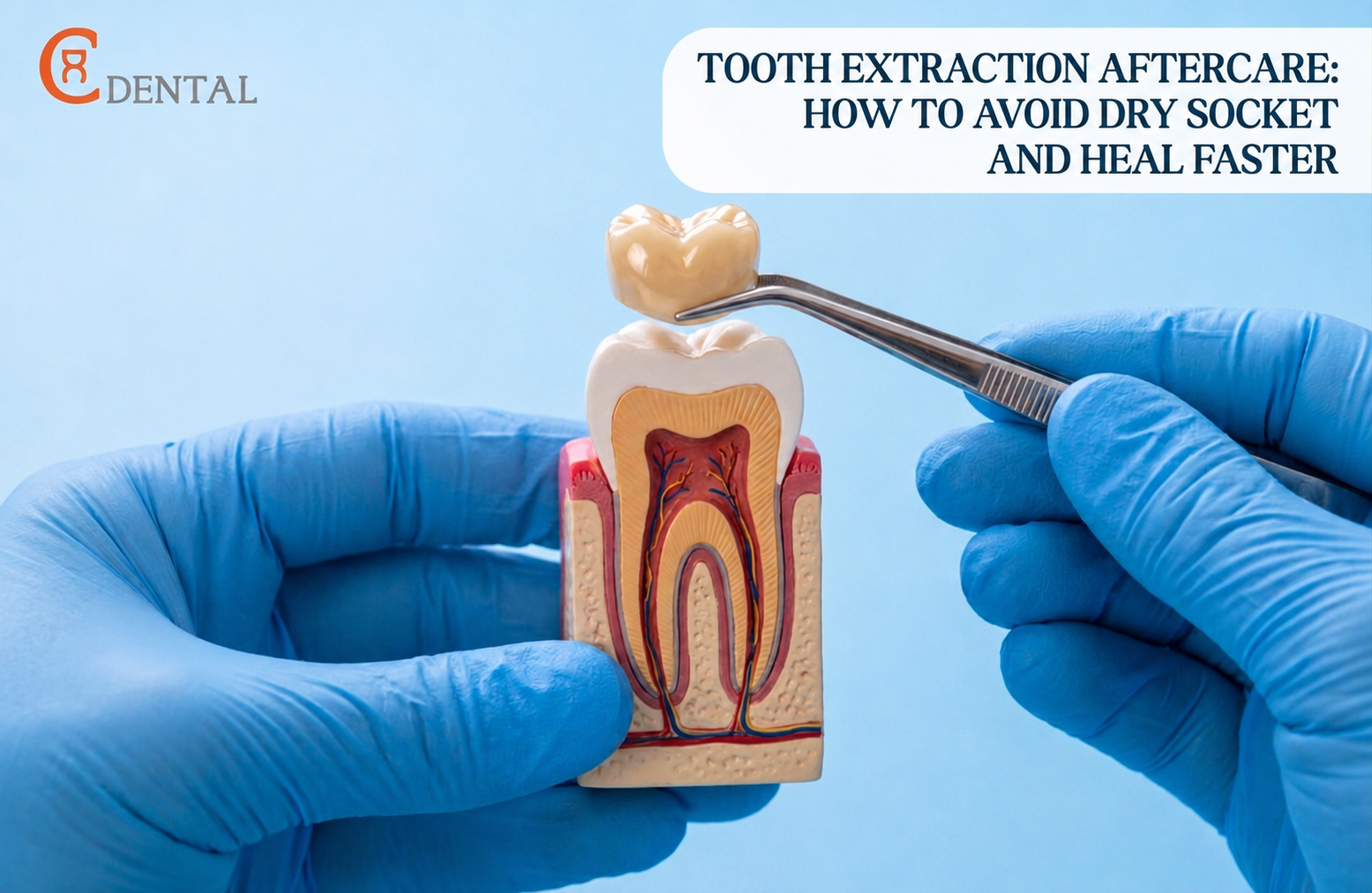
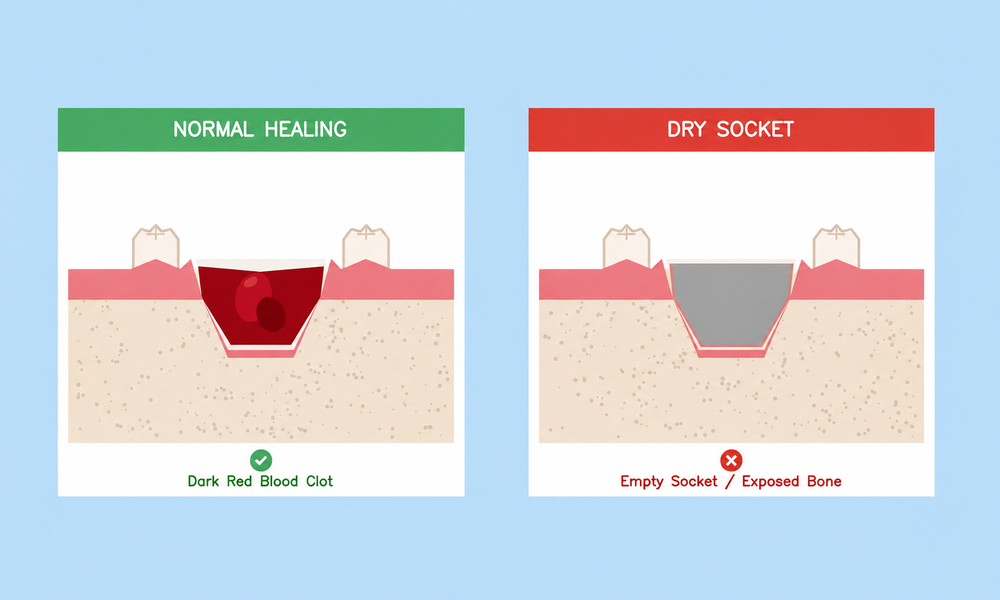
    Following aftercare instructions—such as avoiding straws, smoking, and hard foods—helps prevent dry socket, a painful complication.

    Cost of Wisdom Teeth Removal in Sharjah

    The cost depends on several factors:

    • Complexity of impaction
    • Number of teeth removed
    • Need for surgical extraction
    • Type of anesthesia used

    Simple extractions cost less than surgical procedures. A proper dental consultation with X-rays is required for an accurate estimate.

    When Should You See a Dentist?

    When Should You See a Dentist?

    You should schedule an appointment if:

    • Pain lasts more than 2–3 days
    • Swelling spreads to the face or neck
    • You develop a fever
    • You notice pus or severe bad breath
    • You feel pressure affecting nearby teeth

    Delaying treatment can lead to serious infections or damage to adjacent teeth.

    When Is Wisdom Tooth Removal Necessary?

    Wisdom tooth removal becomes necessary when the tooth is causing pain, infection, or has a high risk of future complications. One of the most common reasons is impaction, where the tooth does not have enough space to erupt properly and becomes trapped under the gum or bone. Impacted wisdom teeth can press against nearby molars, leading to pain, swelling, jaw stiffness, and even damage to surrounding teeth.

    Removal is also recommended if there are repeated gum infections (pericoronitis), cyst formation around the tooth, tooth decay that cannot be properly cleaned, or bone loss affecting adjacent teeth. In some cases, even if there are no current symptoms, dentists may advise preventive removal when X-rays show that the wisdom tooth is likely to cause problems in the future. Early removal is generally simpler, involves faster healing, and reduces the risk of complex surgical procedures later on.

    Frequently Asked Questions

    Q: How long does wisdom tooth removal take?

    A: A simple wisdom tooth extraction usually takes 20 to 30 minutes. Surgical removal of an impacted wisdom tooth may take 30 to 60 minutes, depending on the tooth’s position and complexity. Most patients return home the same day.

    Q: What is the recovery time after wisdom tooth removal?

    A: Initial healing typically takes about 7 to 10 days. Swelling and discomfort are most noticeable during the first 2 to 3 days and gradually improve. Complete bone healing may take several weeks.

    Q: Is it safe to delay wisdom tooth removal?

    A: Delaying removal can increase the risk of infection, cyst formation, damage to nearby teeth, and more complicated surgery later. If your dentist recommends extraction due to impaction or recurring infection, timely treatment is usually advised.

    Q: What should I avoid after wisdom tooth extraction?

    A: After the procedure, avoid smoking, using straws, spitting forcefully, and eating hard or crunchy foods for several days. Following proper aftercare instructions reduces the risk of dry socket and promotes faster healing.

    Final Thoughts

    Wisdom teeth problems are common but manageable with timely care. Ignoring symptoms can lead to infection, severe pain, and costly treatments later. If you are experiencing discomfort or want to assess your wisdom teeth, scheduling a consultation can provide clarity and peace of mind.

    Early diagnosis, proper imaging, and expert care ensure a smooth and safe removal process with minimal complications.

    👉 Book a consultation today to have your wisdom teeth evaluated and receive clear guidance on the next steps for safe and effective treatment.

    Call to Action Button of C Dental Clinic

    References

    1. Wisdom tooth removal– Mayo Clinic
    2. Removal of Impacted Wisdom Teeth– British Association of Oral and Maxillofacial Surgeons
    3. Wisdom teeth: Learn More – Should you have your wisdom teeth removed? National Library of Medicine
    4. Removal of Wisdom Teeth (Third Molars) – BAOS

    Please subscribe to our social channels for updates related to dental care and oral health.

    Instagram:  cdental2025
    Facebook:  CDental 
    YouTube: C-Dental Clinic

  • The Real Price of Ignoring Dental Care: Protect Your Smile, Health, and Finances

    The Real Price of Ignoring Dental Care: Protect Your Smile, Health, and Finances

    Most people think dental care is only about keeping teeth white or freshening breath. The truth is, it goes far deeper. Poor oral health affects your overall well-being, your confidence, your finances, and can even influence other areas of your health. Neglecting regular care leads to problems that grow silently, often becoming painful, costly, and stressful over time. Understanding the full impact of dental neglect is the first step toward prevention.

    This article explores why people often delay dental care, the consequences of neglect, the financial and emotional tolls, and practical strategies to protect your teeth and health.

    Why People Delay Dental Care?

    Even when people know the importance of brushing twice daily and visiting the dentist, many still put off care. There are several reasons for this. Busy lives make it easy to skip appointments or reduce oral hygiene to a minimal routine. Anxiety or fear of discomfort from past dental visits keeps many away. Some believe brushing alone is sufficient and underestimate the need for professional checkups. Others avoid the dentist to save money, not realizing that postponing care often leads to higher costs later.

    Understanding these behaviors is important because small issues that are ignored can escalate into serious oral health problems that affect more than just your teeth.

    Immediate Consequences of  Neglect

    Immediate Consequences of Neglect

    Poor dental care does not just result in cavities. Neglect sets off a chain of issues that become more difficult to manage over time.

    Tooth Decay and Cavities

    Without proper cleaning and checkups, plaque and tartar build up, causing enamel erosion and cavities. Untreated cavities deepen and can eventually require fillings, root canals, or extractions.

    Gum Disease

    Gingivitis, the first stage of gum disease, often develops silently. If left untreated, it can progress to periodontitis, which damages the tissues and bone supporting your teeth. Advanced gum disease may result in tooth loss.

    Tooth Loss

    As decay and gum disease worsen, tooth loss becomes a real risk. Missing teeth affect how you eat, speak, and interact with others, impacting your quality of life.

    Oral Infections and Bad Breath

    Chronic bad breath can be socially and emotionally burdensome. Untreated infections can lead to more serious health concerns and may require antibiotics or even surgery.

    The Ripple Effect on Overall Health

    Oral health does not exist in isolation. Neglecting it can affect the entire body. Chronic gum inflammation has been linked to heart problems and stroke. Poor oral hygiene complicates blood sugar management for diabetics and increases the risk of respiratory infections when bacteria are inhaled into the lungs. Recent studies even suggest links between gum disease and cognitive decline. Maintaining good oral health is not just about teeth; it is essential for overall well-being.

    The Financial Toll

    Dental neglect can become expensive. Preventive care, such as regular cleanings and exams, is relatively affordable and can catch problems early. In contrast, untreated issues may require fillings, root canals, crowns, or even extractions and implants, all of which are costly.

    Beyond treatment costs, dental emergencies can result in missed work and lost productivity, increasing the financial impact. Investing in preventive care saves money in the long run and protects your health and confidence.

    Emotional and Social Costs

    Dental problems extend beyond physical and financial consequences. Tooth decay, discoloration, and missing teeth can affect self-esteem and confidence, making social interactions stressful. In professional settings, dental appearance can influence perceptions, while ongoing pain and discomfort contribute to psychological stress. Good oral care helps maintain both physical health and emotional well-being.

    How to Protect Your Smile with Dental Care

    How to Protect Your Smile?

    The good news is that most of these costs are preventable. Simple daily habits combined with professional care make a significant difference.

    • Brush twice daily using proper technique to remove plaque effectively.
    • Floss daily to clean areas your toothbrush cannot reach.
    • Limit sugary foods and beverages that fuel tooth decay.
    • Drink plenty of water and consider using a dentist-approved mouthwash.
    • Schedule regular dental checkups at least every six months for early detection and treatment.
    • Adopt healthy lifestyle habits, including balanced nutrition and avoiding tobacco.

    By integrating these habits into daily routines, you can reduce both the physical and financial consequences of poor oral health.

    Frequently Asked Questions About Dental Care

    Q: How often should I visit the dentist?

    A: Most dental professionals recommend visiting the dentist every six months for routine checkups and cleanings. Regular visits help catch problems early, prevent serious issues, and maintain overall oral health.

    Q: Can brushing and flossing alone prevent dental problems?

    A: While proper brushing and flossing are essential, they cannot replace professional care. Regular dental checkups help detect hidden issues like cavities, gum disease, or infections before they become serious.

    Q: What are the signs that I’m neglecting my dental health?

    A: Common signs include persistent bad breath, bleeding gums, tooth sensitivity, pain,  discoloration, or loose teeth. Ignoring these signs can lead to more serious health and financial consequences.

    Q: How does poor oral health affect overall health?

    A: Neglected oral health can contribute to heart disease, stroke, diabetes complications, respiratory infections, and even cognitive decline. The mouth is connected to the rest of the body, so maintaining oral hygiene supports overall well-being.

    Q: Is preventive dental care expensive?

    A: Preventive care,e like regular cleanings, exams, and minor treatments, is relatively affordable. It is much cheaper and less stressful than treating advanced problems like root canals, crowns, implants, or emergency procedures. Investing in prevention saves money, time, and discomfort in the long run.

    Conclusion

    Neglecting your teeth is not a minor issue. The consequences extend through your body, your finances, and your well-being. Early care, consistent daily habits, and regular dental visits are not optional; they are vital investments in your long-term health.

    Taking action today is the best way to avoid pain, costly treatments, and emotional stress tomorrow. Protect your smile, safeguard your health, and maintain your confidence with simple, consistent oral care.

    👉 Book your dental checkup today and take the first step toward a healthier smile and a worry-free future

    Call to Action Button of C Dental Clinic

    References

    1. The Costs of Dental Neglect: Uncovering the Consequences of Skipping Check-ups – Makowski Dental
    2. How Dental Problems Become Expensive If Ignored – NABA Dental
    3. The Many Costs of Poor Oral Health University of Illinois Chicago
    4. REASONS WHY PEOPLE IGNORE DENTAL HEALTH– Zoma Dental
    5. The High Cost of Neglect: Why Preventive Dental Care is Essential for Businesses -Dentists on Demand

    Please subscribe to our social channels for updates related to dental care and oral health.

    Instagram:  cdental2025
    Facebook:  CDental 
    YouTube: C-Dental Clinic

  • Why Saving Your Natural Tooth Is Always Better: When Can a Tooth Be Saved Instead of Removed?

    Why Saving Your Natural Tooth Is Always Better: When Can a Tooth Be Saved Instead of Removed?

    Your natural teeth are priceless. They allow you to chew efficiently, speak clearly, and maintain the shape of your face. Unfortunately, dental problems like decay, fractures, or infection can put your teeth at risk. Modern dentistry emphasizes saving your natural tooth first, focusing on treatments that preserve and protect them rather than removing them.

    At C Dental Sharjah, we prioritize treatments that protect your natural teeth, maintaining your oral health, function, and aesthetics for life. In this article, we explore why saving your natural tooth is always better, when teeth can be preserved instead of removed, and the treatments available to restore and protect your smile.

    Why Saving Your Natural Tooth Is Important?

    Preserving your natural teeth is more than just keeping a beautiful smile. Natural teeth provide unique benefits that artificial replacements cannot fully replicate:

    1. Preserve Chewing Function and Bite

    Natural teeth are perfectly designed for chewing. Losing even a single tooth can affect bite patterns and place extra stress on neighboring teeth. Maintaining your teeth ensures proper function and prevents misalignment.

    2. Maintain Jawbone and Facial Structure

    Tooth roots stimulate the jawbone. When teeth are lost, bone resorption occurs, which can lead to a sunken facial appearance. Saving your teeth helps maintain facial structure and prevents bone loss.

    3. Prevent Teeth from Shifting

    Gaps from missing teeth cause neighboring teeth to drift, leading to bite problems, increased wear, and possible jaw pain. Preserving your teeth keeps your smile aligned and functional.

    4. Support Aesthetics and Confidence

    Natural teeth look and feel better than any artificial replacement. Keeping your teeth intact helps maintain your smile, appearance, and confidence.

    5. Cost-Effectiveness

    Treatments to save teeth, like root canals or crowns, may seem costly upfront, but they often prevent the need for implants, bridges, or dentures, saving money in the long run.

    6. Preserve Speech and Comfort

    Natural teeth help with proper speech articulation and oral comfort. Losing teeth can subtly affect pronunciation and tongue movement.

    Common Treatments to Save a Tooth

    Common Treatments to Save a Tooth

    Modern dentistry provides multiple treatments that help dentists save natural teeth, even when damage or infection is present. At C Dental Sharjah, we provide personalized treatment plans based on the condition of your teeth.

    1. Restorative Fillings

    If decay is limited to a portion of the tooth, a filling can restore structure and function.

    2. Root Canal Therapy

    When the inner pulp of a tooth becomes infected, root canal therapy removes the infection and preserves the natural tooth. With proper restoration, these teeth can last a lifetime.

    3. Crowns and Onlays

    Cracked or weakened teeth can be reinforced using crowns or onlays, protecting the remaining structure while restoring function.

    4. Periodontal Therapy

    For teeth affected by early gum disease, scaling, root planing, and other periodontal treatments can stabilize the tooth and prevent extraction.

    5. Dental Trauma Repair

    Teeth damaged by accidents or trauma can often be saved using splints, bonding, or restorative procedures if treated promptly.

    When Can a Tooth Be Saved Instead of Removed?

    Deciding whether a tooth can be preserved depends on several factors:

    • Limited decay or structural damage
    • Infections treatable with root canal therapy
    • Minor cracks or fractures
    • Early-stage gum disease
    • Prompt treatment after trauma

    At C Dental Sharjah, our experts assess each tooth using digital X-rays and advanced diagnostics to determine the best approach.

    Situations Where Extraction Is Necessary

    Situations Where Extraction Is Necessary

    While preserving your natural teeth is ideal, sometimes removal is unavoidable. Common indications for extraction include:

    • Severe fracture below the gumline
    • Extensive decay is destroying most of the tooth
    • Advanced gum disease with significant bone loss
    • Persistent infection resistant to treatment
    • Impacted teeth causing crowding

    Dentists perform extractions carefully to protect surrounding teeth and maintain jaw health.

    Long-Term Benefits of Preserving Natural Teeth

    Saving your teeth has multiple long-term advantages:

    • Maintains chewing efficiency and proper bite
    • Prevents jawbone resorption
    • Reduces the need for implants, bridges, or dentures
    • Maintains facial aesthetics and smile
    • Minimizes future dental complications

    Frequently Asked Questions (FAQ)

    Q: Is a root canal better than an extraction?

    A: Yes. Root canal therapy allows you to keep your natural tooth, maintaining function, aesthetics, and jawbone integrity.

    Q: How long can a treated tooth last?

    A: With proper care and restoration, teeth treated with root canal therapy or other preservation techniques can last a lifetime.

    Q: Can dentists save a cracked tooth?

    A: Dentists repair minor cracks with bonding or crowns. Cracks that extend below the gumline require tooth extraction.

    Q: Why choose C Dental Sharjah for tooth-saving treatments?

    A: At C Dental Sharjah, we combine advanced diagnostics, personalized treatment, and expert care to maximize tooth preservation and long-term oral health.

    Conclusion 

    Saving your natural teeth should always be the first choice. With today’s advanced dental care, most damaged or decayed teeth can be repaired, strengthened, and preserved through modern restorative treatments. Tooth extraction is considered only when every other option has been carefully explored.

    If you’re experiencing tooth pain, decay, or damage, don’t wait until the problem worsens. The experts at C Dental Sharjah are here to help. Our experienced team will thoroughly evaluate your condition and create a personalized tooth-preservation plan designed to protect your natural smile for years to come.

    👉Book your consultation with C Dental Sharjah today and take the first step toward saving your natural teeth.

    Call to Action Button of C Dental Clinic

    References 

    1. Why Saving Your Natural Tooth Matters: Benefits of Root Canal Treatment– Adelaide Dental
    2. Root Canals vs. Extractions: Why Saving Your Tooth Is Best– ALERIS SALEM DENTAL CENTER
    3. Root Canal vs. Extraction: How to Choose– Palmetto Dental Arts
    4. Root Canal vs Extraction: Which Treatment is Right for You? Townsville Dental Clinic
    5. Saving Natural Teeth vs Extraction– Robert Scott Nance

    Please subscribe to our social channels for updates related to dental care and oral health.

    Instagram:  cdental2025
    Facebook:  CDental 
    YouTube: C-Dental Clinic

  • Third Molar Removal: What to Expect from Wisdom Tooth Surgery?

    Third Molar Removal: What to Expect from Wisdom Tooth Surgery?

    Wisdom teeth, also called third molars, are the last set of molars to develop, usually appearing between the ages of 17 and 25. While some people have enough space in their jaws to accommodate these teeth, many experience problems such as crowding, pain, infection, or impaction. For these cases, wisdom tooth surgery, or third molar removal, becomes necessary.

    In this article, we’ll guide you through what to expect before, during, and after wisdom tooth extraction, discuss when removal is necessary, and share tips for a smooth recovery.

    Do You Really Need Your Wisdom Teeth Removed?

    Do You Really Need Your Wisdom Teeth Removed?

    Not all wisdom teeth need to be removed. Dentists usually recommend extraction when third molars cause:

    • Impaction – teeth trapped beneath the gum or bone
    • Crowding – pushing other teeth out of alignment
    • Decay or cavities – difficult to clean, prone to infection
    • Gum disease or infection – especially pericoronitis
    • Cysts or tumors – rare but serious complications

    If your wisdom teeth are healthy, fully erupted, properly aligned, and painless, removal may not be necessary. Your dentist will assess the need through a clinical examination and X-rays to identify potential problems early.

    Preparing for Third Molar Surgery

    Proper preparation helps ensure a safe and smooth procedure. Your dentist or oral surgeon may recommend:

    • Imaging: Dental X-rays or CBCT scans to understand tooth position
    • Anesthesia options: Local anesthesia, sedation, or general anesthesia, depending on the complexity
    • Pre-surgery instructions: Fasting if sedation is used, medications to avoid, and arranging transportation
    • Managing anxiety: Deep breathing, discussing fears with your surgeon

    Being well-prepared reduces complications and makes recovery easier.

    What Happens During Wisdom Tooth Surgery?

    Wisdom tooth extraction varies depending on the tooth’s position and condition. The general steps include:

    1. Anesthesia: Local anesthesia or sedation is administered to ensure comfort
    2. Incision (if necessary): Gums are lifted to access impacted teeth
    3. Bone removal: Sometimes, a small amount of bone is removed to extract the tooth
    4. Tooth extraction: The tooth is removed in whole or in sections
    5. Suturing: Gum tissue is stitched to promote healing
    6. Post-operative instructions: Your surgeon will provide guidelines for pain management, diet, and oral hygiene

    Simple extractions for fully erupted teeth are quicker and less invasive, while impacted teeth may require surgical procedures.

    Recovery After Wisdom Tooth Surgery

    Healing after third molar removal typically takes a few days to a week for soft tissue recovery and up to a few weeks for full bone healing.

    What to expect in the first 48 hours:

    • Swelling around the jaw and cheeks
    • Mild to moderate pain, manageable with prescribed medications
    • Slight bleeding or oozing at the extraction site

    Tips for a smooth recovery:

    • Apply ice packs to reduce swelling
    • Keep your head elevated when resting
    • Stick to soft foods like yogurt, soup, or mashed potatoes
    • Avoid straws, smoking, or vigorous rinsing to prevent dry socket
    • Maintain gentle oral hygiene around the surgical site

    Most patients can return to normal activities within a few days, though strenuous exercise should be avoided for at least a week.

    Risks and Complications of Third Molar Removal

    While wisdom tooth surgery is generally safe, complications can occur:

    • Common: swelling, bruising, pain, temporary numbness, limited mouth opening
    • Less common: dry socket (painful exposure of bone), infection, delayed healing
    • Rare: nerve injury leading to persistent numbness or tingling

    Following post-operative instructions and attending follow-up appointments reduces the risk of complications.

    Tips for a Smooth Recovery

    1. Pain management: Use prescribed medication and over-the-counter pain relievers as directed
    2. Swelling control: Ice packs for the first 24–48 hours
    3. Diet: Soft, cool foods initially; gradually reintroduce normal foods
    4. Oral hygiene: Gentle rinsing with saltwater; avoid brushing directly on the surgical site for the first day
    5. Follow-up care: Attend scheduled checkups to monitor healing

    These simple steps help ensure a quicker, safer recovery.

    Frequently Asked Questions (FAQ)

    Q: How long does wisdom tooth surgery take?

    A: Most procedures take 30–60 minutes, depending on the tooth’s position and complexity.

    Q: Can I eat normally after wisdom tooth extraction?

    A: Stick to soft foods for the first few days. Avoid hard, spicy, or crunchy foods until the site heals.

    Q: When should I worry about complications?

    A: Seek medical attention if you experience excessive bleeding, severe pain, swelling after 3–5 days, or fever.

    Q: Are all wisdom teeth impacted?

    A: No. Some wisdom teeth erupt normally and function like any other molar. Impact occurs when there isn’t enough space or alignment issues arise.

    Q: Can wisdom teeth grow back after removal?

    A: No, once fully removed, third molars do not grow back.

    Conclusion

    Wisdom tooth surgery is a common procedure designed to prevent pain, infection, and dental complications. Not everyone needs their wisdom teeth removed, but when problems arise, extraction protects your oral health. Recovery is usually smooth with proper care, and following your surgeon’s instructions helps ensure the best results. If you’re experiencing pain, swelling, or signs of impaction, consult an oral surgeon or dentist to evaluate whether third molar removal is necessary.

    👉Book your consultation today to keep your smile healthy!

    Call to Action Button of C Dental Clinic

    References 

    1. Wisdom Tooth Extraction– Colgate
    2. Wisdom teeth removal: When is it necessary?– Mayo Clinic
    3. Wisdom Teeth Removal: What Adults Should Expect– WebMD
    4. Wisdom Tooth Removal: What to Expect and How to Prepare– Elite Dental

    Please subscribe to our social channels for updates related to dental care and oral health.

    Instagram:  cdental2025
    Facebook:  CDental 
    YouTube: C-Dental Clinic

  • Why You Need a Crown After a Root Canal (RCT) — What Happens If You Skip It?

    Why You Need a Crown After a Root Canal (RCT) — What Happens If You Skip It?

    A root canal treatment (RCT) is a widely performed dental procedure designed to save a severely decayed or infected tooth. While a root canal effectively removes pain and infection, it also leaves the treated tooth structurally weaker and more vulnerable to fracture over time.

    This often leads patients to ask common questions like, “Is a crown necessary after a root canal?” or “What happens if I do not get a crown after RCT?”

    In this article, we explain why a dental crown is usually recommended after root canal treatment, the potential risks of skipping the crown, and the long-term benefits of protecting and restoring your tooth with a crown so that you can make an informed decision about your oral health.

    What Happens to a Tooth After a Root Canal?

    During a root canal, the dentist removes the infected or inflamed pulp from inside the tooth. While this procedure saves the tooth from extraction, it also removes the natural nerves and blood supply, leaving the tooth dry and brittle.

    Without the pulp, the tooth loses some of its natural flexibility and strength. Daily activities like chewing or grinding can put stress on the remaining structure, increasing the risk of cracks, fractures, and eventual tooth failure. Even if the tooth looks healthy on the surface, its internal structure is compromised and needs additional protection.

    Why a Crown Is Recommended After RCT

    Why a Crown Is Recommended After RCT?

    Crowns serve as a protective and restorative cap for a root canal–treated tooth. They offer several important benefits:

    1. Structural Reinforcement

    A crown covers the weakened tooth, distributing chewing forces evenly and preventing cracks or fractures. This is especially important for molars and premolars, which endure heavy bite pressure.

    2. Protection Against Bacteria

    Even after a successful root canal, tiny cracks or incomplete seals can allow bacteria to enter. A crown creates a protective barrier, reducing the risk of reinfection.

    3. Restoring Function

    Crowns restore normal chewing ability and bite alignment, allowing you to eat and speak comfortably.

    4. Aesthetic Restoration

    For front teeth, a crown can restore the tooth’s natural appearance, cover discoloration, and improve your smile.

    What Happens If You Skip a Crown After RCT?

    Some patients consider skipping the crown to save money or because the tooth “feels fine.” However, this can have serious consequences:

    Higher Risk of Fracture

    A tooth without a crown is more likely to crack or break, even during normal chewing. Once a fracture extends below the gumline, the tooth often becomes non-restorable and may need to be extracted.

    Reinfection and Decay

    A filling alone may not protect the entire tooth. Gaps or tiny cracks can let bacteria enter, causing reinfection, further decay, and the need for retreatment or extraction.

    Loss of Tooth Integrity

    Over time, the untreated tooth may gradually chip or wear down. This silent deterioration can lead to more complex and costly dental work later.

    Potential Tooth Loss and Higher Costs

    If the tooth fractures or becomes reinfected beyond repair, extraction may be necessary. Replacing the tooth with a bridge, denture, or implant is far more expensive and invasive than placing a crown in the first place.

    Situations Where a Crown May Not Be Necessary

    Not every RCT, treated tooth requires a crown. Examples include:

    • Front teeth (incisors/canines) that face minimal chewing pressure
    • Teeth where minimal structure was removed for the root canal
    • Cases where a composite filling or onlay is sufficient to restore function

    Even in these cases, a dentist must carefully evaluate bite forces and remaining tooth structure to determine the best restoration option.

    Does Your Root Canal Tooth Need a Crown? Watch for These Signs:

    • Cracks or fractures – Even small ones can weaken the tooth.
    • Darkening or discoloration – A sign the tooth may be brittle.
    • Ongoing sensitivity – Pain when biting or with temperature changes.
    • Large fillings or missing tooth structure – Less natural support makes it prone to breaking.

    How a Crown Protects Your Root Canal Tooth for the Long Haul?

    A crown does more than just look nice—it strengthens and protects your tooth:

    • Stops cracks and fractures – Shields the tooth from everyday biting and chewing.
    • Prevents reinfection – Seals the tooth to keep bacteria out.
    • Restores proper function – Lets you bite and chew without worry.
    • Keeps your smile natural – Looks and feels like a real tooth.

    With the right care, a crowned tooth can last for decades, keeping your smile healthy and strong.

    Best Crown Materials for Your Root Canal Tooth

    After a root canal, choosing the right crown is crucial for strength, function, and appearance. Here are the most common options:

    • Porcelain-Fused-to-Metal (PFM) – Combines durability with a natural look, ideal for back teeth that endure heavy chewing.
    • All-Ceramic or Zirconia – Offers the best aesthetics and is highly biocompatible, perfect for front teeth.
    • Composite Crowns – Affordable and effective as a temporary or short-term solution.

    Your dentist will recommend the best material based on your tooth’s position, bite pressure, and cosmetic needs, ensuring long-lasting protection and a natural smile.

    Frequently Asked Questions (FAQs)

    Q: How soon should I get a crown after a root canal?

    A: Ideally, a crown should be placed within a few weeks after RCT. Delaying it increases the risk of cracks, fractures, or reinfection of the tooth.

    Q: Can a root canal tooth last without a crown?

    A: In some cases, especially front teeth with minimal chewing pressure, a tooth may last without a crown. However, most back teeth require a crown to prevent breakage and long-term failure.

    Q: Is a filling enough after a root canal instead of a crown?

    A: A  filling alone does not provide sufficient strength for most root canal-treated teeth. Crowns offer full coverage and protection that fillings cannot, especially for molars and premolars.

    Q: What happens if my root canal tooth breaks without a crown?

    A: If the tooth fractures below the gumline, it may become non-restorable and require extraction. This often leads to more expensive treatments like implants or bridges.

    Q: How long does a crown last after a root canal?

    A: With proper oral hygiene and regular dental checkups, a crown placed after a root canal can last 10 to 20 years or even longer.

    Conclusion

    A root canal preserves your natural tooth, but it also leaves it more fragile. A crown reinforces and protects the tooth while restoring full function and a natural appearance. Skipping a crown might save money upfront, but it dramatically increases the risk of cracks, reinfection, and even tooth loss.

    The best way to safeguard your root canal investment is to get a crown promptly and follow your dentist’s care instructions. 

    👉 Don’t wait—schedule your crown consultation today to protect your smile for years to come!

    Call to Action Button of C Dental Clinic

    References 

    1. Why Do You Need a Crown after a Root Canal– Pure Dentistry
    2. Do I Need A Crown After A Root Canal?– Fab Dental
    3. Why Some Teeth Need Crowns After Root Canals–  Pittsfield Dental
    4. What Happens If You Skip the Crown After an RCT?–  Prime Dental Clinic
    5. What Happens If You Don’t Get a Crown After a Root Canal Treatment?– Timberlands Dental Clinic 
    6. What happens after a Root Canal?Eastern Idaho Endodontics 

    Please subscribe to our social channels for updates related to dental care and oral health.

    Instagram:  cdental2025
    Facebook:  CDental 
    YouTube: C-Dental Clinic

  • Don’t Ignore Your Gums: How Early Dental Care Protects Your Oral Health

    Don’t Ignore Your Gums: How Early Dental Care Protects Your Oral Health

    Gum disease is more common than many realize and is often misunderstood. The tricky part? It can start quietly, without pain, so many people delay treatment until it’s too late. Left untreated, it can slowly damage your gums, jawbone, and even your teeth.

    In this article, we’ll explain what happens if gum disease is left untreated, the difference between gingivitis and periodontitis, and advanced treatment options available in Sharjah to protect your smile and overall health.

    What Is Gum Disease?

    Gum disease, or periodontal disease, is an infection that affects the gums and the structures supporting your teeth. It begins when a sticky layer of bacteria called plaque builds up along the gumline.

    If plaque isn’t removed, it hardens into tartar, which irritates the gums and allows infection to spread below the surface. Over time, this can affect the jawbone and the teeth themselves.

    Why Gum Disease Often Goes Unnoticed

    Many people ignore gum problems because:

    • Early stages are usually painless
    • Bleeding gums are considered “normal.”
    • Symptoms develop slowly
    • Visible damage appears late

    By the time loose teeth, persistent bad breath, or discomfort appear, significant and sometimes irreversible damage has already occurred.

    Gingivitis vs. Periodontitis: Understanding the Difference
    Not all gum disease is the same. Understanding the difference can help you take action early.

    What Is Gingivitis?

    What Is Gingivitis?

    Gingivitis is the earliest stage of gum disease. It affects only the gums, without any bone involvement.

    Common signs:

    • Red, swollen gums
    • Bleeding when brushing or flossing
    • Mild tenderness

    At this stage, gingivitis is fully reversible with proper cleaning and oral hygiene.

    What Is Periodontitis?

    Periodontitis develops when gingivitis is left untreated. The infection spreads deeper, affecting gums, connective tissue, and jawbone.

    Signs of periodontitis include:

    • Deep gum pockets
    • Gum recession
    • Loose or shifting teeth
    • Chronic inflammation

     Unlike gingivitis, periodontitis is irreversible, but it can be controlled with professional care.

    FeatureGingivitisPeriodontitis
    Gum inflammationYesYes
    Bleeding gumsCommonCommon
    Bone lossNoYes
    Periodontal pocketsNoYes
    Tooth mobilityNoYes
    ReversibleYesNo
    Tooth loss riskLowHigh

    How Gum Disease Progresses

    Stage 1: Gingivitis (Early Inflammation)

    • Swollen, bleeding gums
    • No bone damage
    • Fully reversible

    Stage 2: Infection Spreads

    Gums start to detach from teeth, forming periodontal pockets. Bacteria multiply rapidly below the gumline, causing more damage.

    Stage 3: Bone and Tissue Loss

    Jawbone begins to deteriorate, exposing tooth roots. Teeth become sensitive, and gum recession becomes noticeable.

    Stage 4: Loose Teeth & Bite Changes

    Teeth may feel unstable, chewing may become difficult, and your bite may shift.

    Stage 5: Tooth Loss & Chronic Infection

    At this stage, teeth may fall out or require extraction. Gum abscesses may form, and extensive dental rehabilitation might be needed.

    Health Risks Beyond the Mouth

    Gum disease isn’t just a dental issue—it can affect your whole body. Bacteria and inflammation from infected gums can enter the bloodstream and contribute to:

    • Heart disease & stroke: Inflammation may promote arterial plaque
    • Diabetes complications: Periodontitis makes blood sugar harder to control
    • Respiratory infections: Bacteria may reach the lungs
    • Pregnancy complications: Linked to preterm birth and low birth weight

    Taking care of your gums is an investment in your overall health.

    Signs You May Have Advanced Periodontitis

    Signs You May Have Advanced Periodontitis

    If you notice:

    • Frequent bleeding gums
    • Teeth looking longer due to gum recession
    • Pus around the gumline
    • Persistent bad breath
    • Loose or shifting teeth
    • Pain while chewing

    …it’s time to see a specialist. Early intervention is crucial.

    How Dentists Diagnose Gum Disease

    A thorough evaluation usually includes:

    • Periodontal probing to measure gum pockets
    • Digital X-rays to assess bone loss
    • Checking for gum recession and tooth mobility
    • Reviewing your medical history for risk factors

    Advanced Periodontitis Treatments in Sharjah

    Sharjah offers modern periodontal care with advanced technology and expert specialists.

    Non-Surgical Treatments

    • Scaling & Root Planing: Deep cleaning below the gumline to remove plaque and tartar
    • Antibiotic Therapy: Local or oral antibiotics reduce infection

    Surgical Treatments

    • Flap Surgery: Opens deep pockets for cleaning and reduces infection
    • Bone Grafting: Restores lost jawbone and stabilizes teeth
    • Guided Tissue Regeneration: Encourages regrowth of bone and gum tissue
    • Gum Grafting: Covers exposed roots, reduces sensitivity, and improves appearance
    • Laser Gum Treatment: Precise, minimally invasive, and faster healing

     Sharjah clinics provide personalized care using modern tools to ensure safe, effective outcomes.

    Preventing Gum Disease From Returning

    • Brush twice daily
    • Floss or use interdental cleaners daily
    • Attend regular periodontal checkups
    • Avoid smoking
    • Manage health conditions like diabetes

    Frequently Asked Questions (FAQs)

    Q: Can gum disease go away on its own?

    A: No. Gum disease does not heal on its own. Mild gum disease (gingivitis) can be reversed with professional cleaning and good daily oral care. More advanced gum disease (periodontitis) cannot be reversed, but it can be managed and kept from getting worse.

    Q: Will gum disease treatment hurt?

    A: Most treatments are comfortable and manageable. Dentists use local anesthesia to reduce discomfort, and many patients feel only mild soreness afterward. Modern options, including laser treatments, also help make recovery quicker and easier.

    Q: How do I know if my gum problem is serious?

    A: Bleeding gums, bad breath, or mild swelling may seem minor, but they can be early warning signs. If you notice loose teeth, gum recession, pus, or pain while chewing

    Q: Can treating gum disease really save my teeth?

    A: Yes. Early and proper treatment can slow or stop further damage and help preserve your natural teeth for many years.

    Final Thoughts

    Gum disease doesn’t cause damage overnight—but once it advances, the effects can be permanent. The good news is that with early diagnosis and advanced gum treatments available in Sharjah, you can stop progression, protect your natural teeth, and safeguard your overall health. Healthy gums are the foundation of a strong, confident smile—and ignoring them is a risk you don’t need to take.

    👉 Book your gum health consultation today and take control of your oral health before the damage becomes irreversible.

    Call to Action Button of C Dental Clinic

    References

    1. What is Gingivitis & How is It Treated?– Monterey Peninsula Dental Group
    2. Gum health: Causes and mechanisms– Haleon Health Partner
    3. About Periodontal (Gum) Disease– Centers for Disease Control and Prevention
    4. Advanced Gum Disease: Treatment Options in SharjahArticle Ted
    5. Periodontal diseases, cardiovascular diseases, diabetes, and respiratory diseasesNational Library of Medicine

    Please subscribe to our social channels for updates related to dental care and oral health.

    Instagram:  cdental2025
    Facebook:  CDental 
    YouTube: C-Dental Clinic